Universal CLI: Modernize Cursor Agents Today
Composio's Universal CLI replaces complex MCP setups, enabling agents to execute over 20,000 tools across 1,000+ SaaS apps via managed OAuth.

Bohay eliminates workflow fragmentation by assigning isolated git worktrees to specific tasks, preventing concurrent edit risks in multi-agent setups.
The APIBank benchmark tests 53 distinct tools to prove agent competence relies on tool access, not just parameter count or model size.
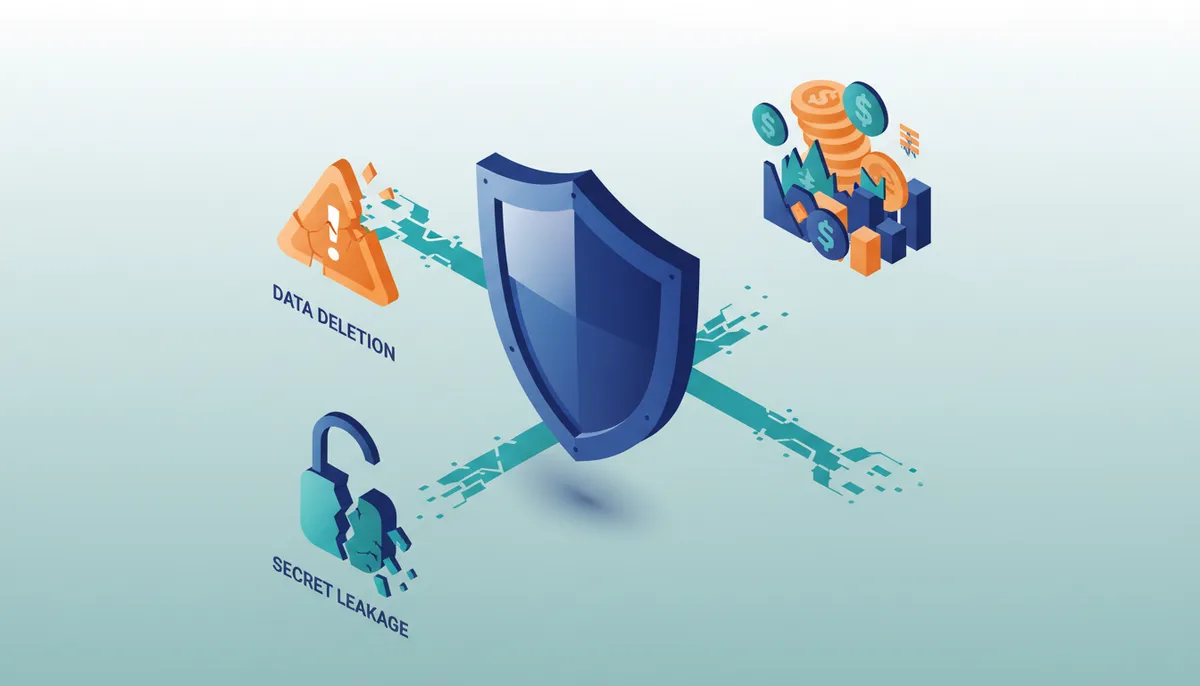
Prevent catastrophic financial leaks like the $12,450 refund loop. Learn how strict JSON schemas and semantic routing ensure reliable AI agent tool selection.
Intent by Augment Code required the least manual reconciliation during parallel work on shared contracts in early 2026 testing.
Stop chasing raw volume. Learn why the 12% conversion rate on code intent queries matters more than broad traffic for builders.
Learn how agentic applications combine specialized agents with structured workflows to resolve nondeterministic enterprise intent and prevent sprawl.
Discover the 5 specific components required to build AI agents that match junior employee output quality without falling for industry hype.
Testing dozens of platforms reveals 35% of work can now be automated. Learn how agentic tools adapt when errors occur versus rigid scripts.
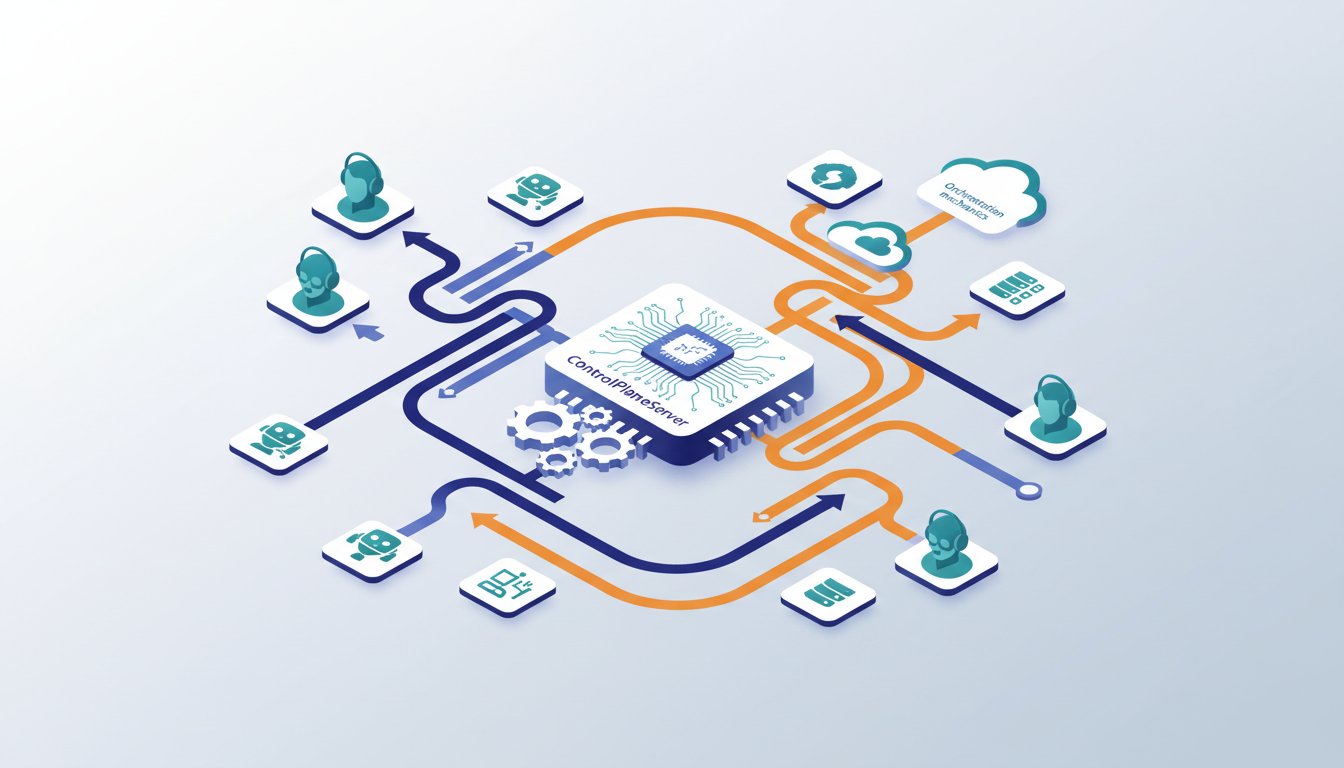
Learn to build event-driven LlamaIndex agents using the gemini3.6flash model and Context class for shared state across multi-step workflows.
Connect coding agents to 1000+ SaaS apps without token-heavy protocols. Learn how CLI tools enable reliable, local-first automation for Ollama.
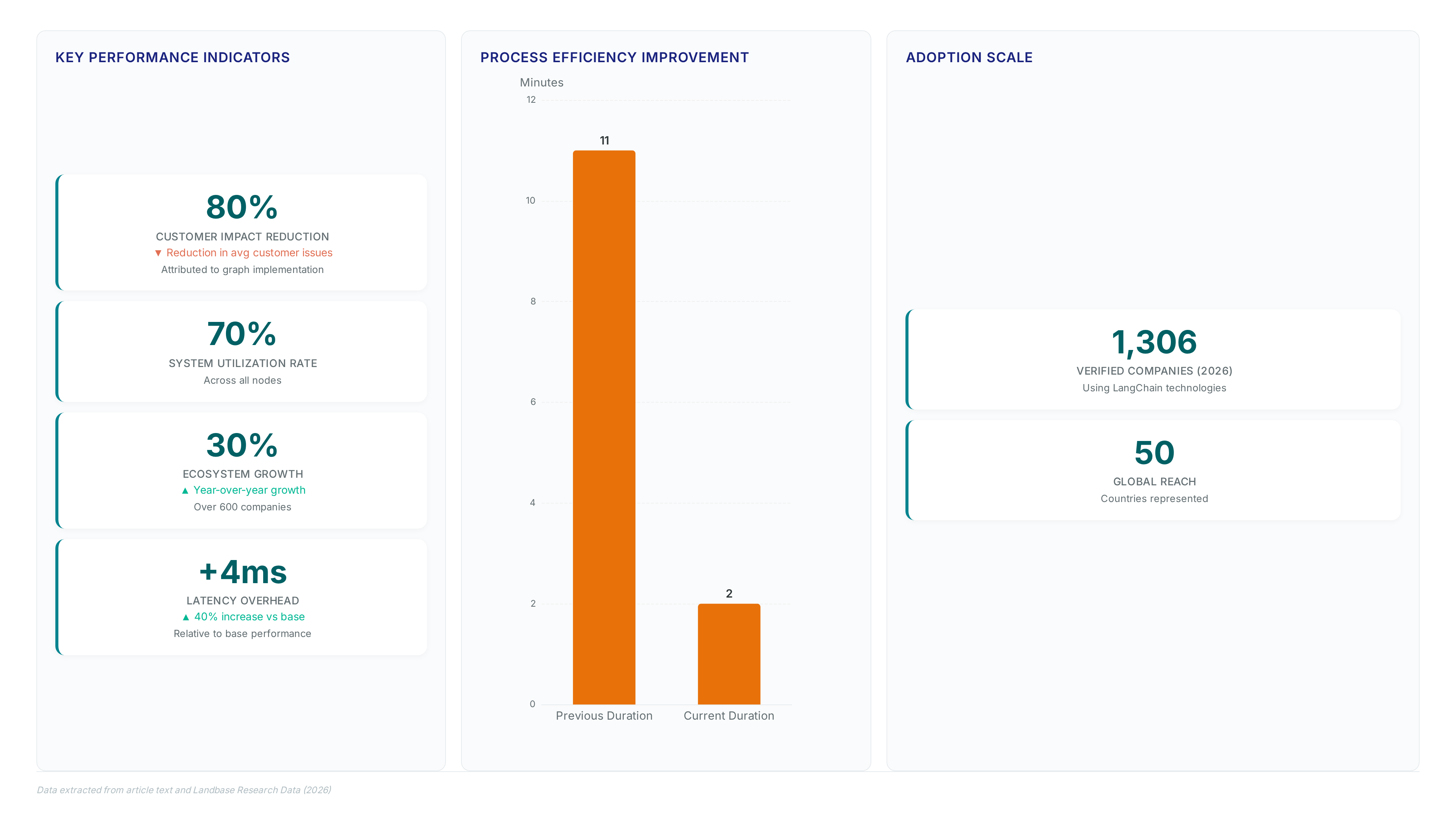
GitHub Copilot serves 15 million developers, yet true AI coding agents now plan multi-step tasks without hand-holding.
Learn how agent skills use a mandatory SKILL.md file to load procedural knowledge on demand, preventing context bloat in complex systems.
Avoid infinite loops by defining the five components an effective agent requires. Learn how retrieval, tools, and memory prevent chaotic outputs.
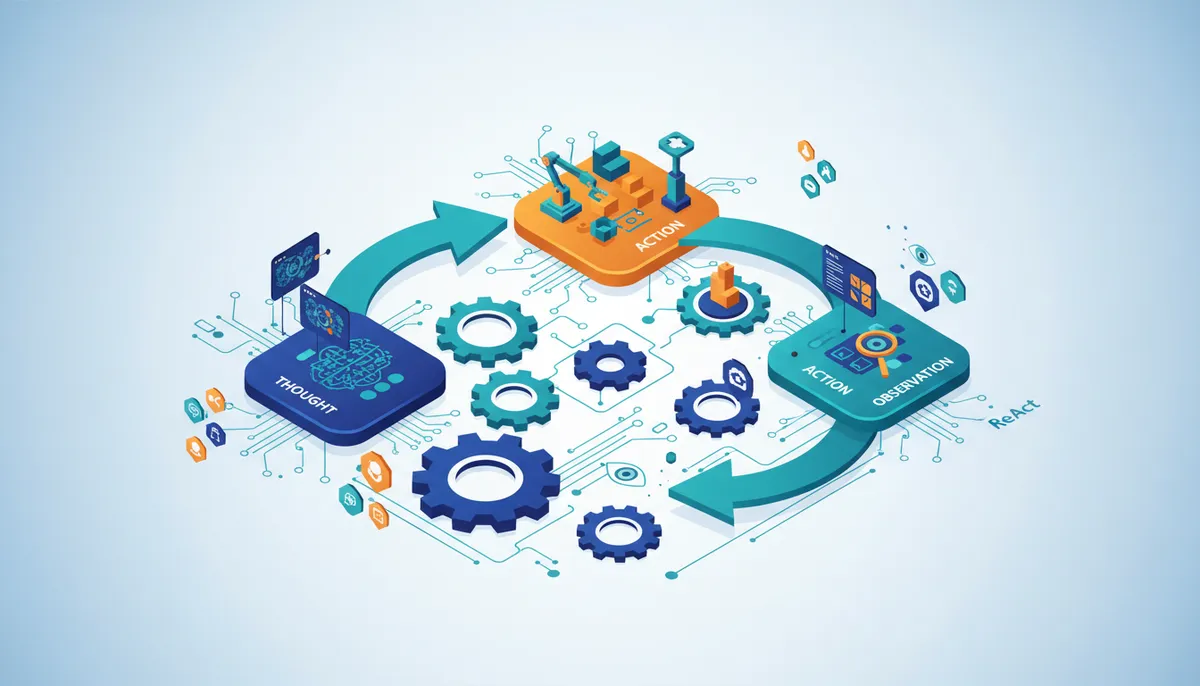
Learn how the Thought-Action-Observation loop powers 177,000+ tools, shifting agents from static text to modifying external system states safely.
Executable functions let models bypass training cutoffs to fetch live data, preventing hallucinations when users request current events or facts.
Distinguish custom function tools from sandboxed Code Interpreter runtimes to prevent treating external connections as identical black boxes in agents.
Devin AI creates pull requests in under 10 minutes by running inside a sealed virtual machine, keeping local environments clean.
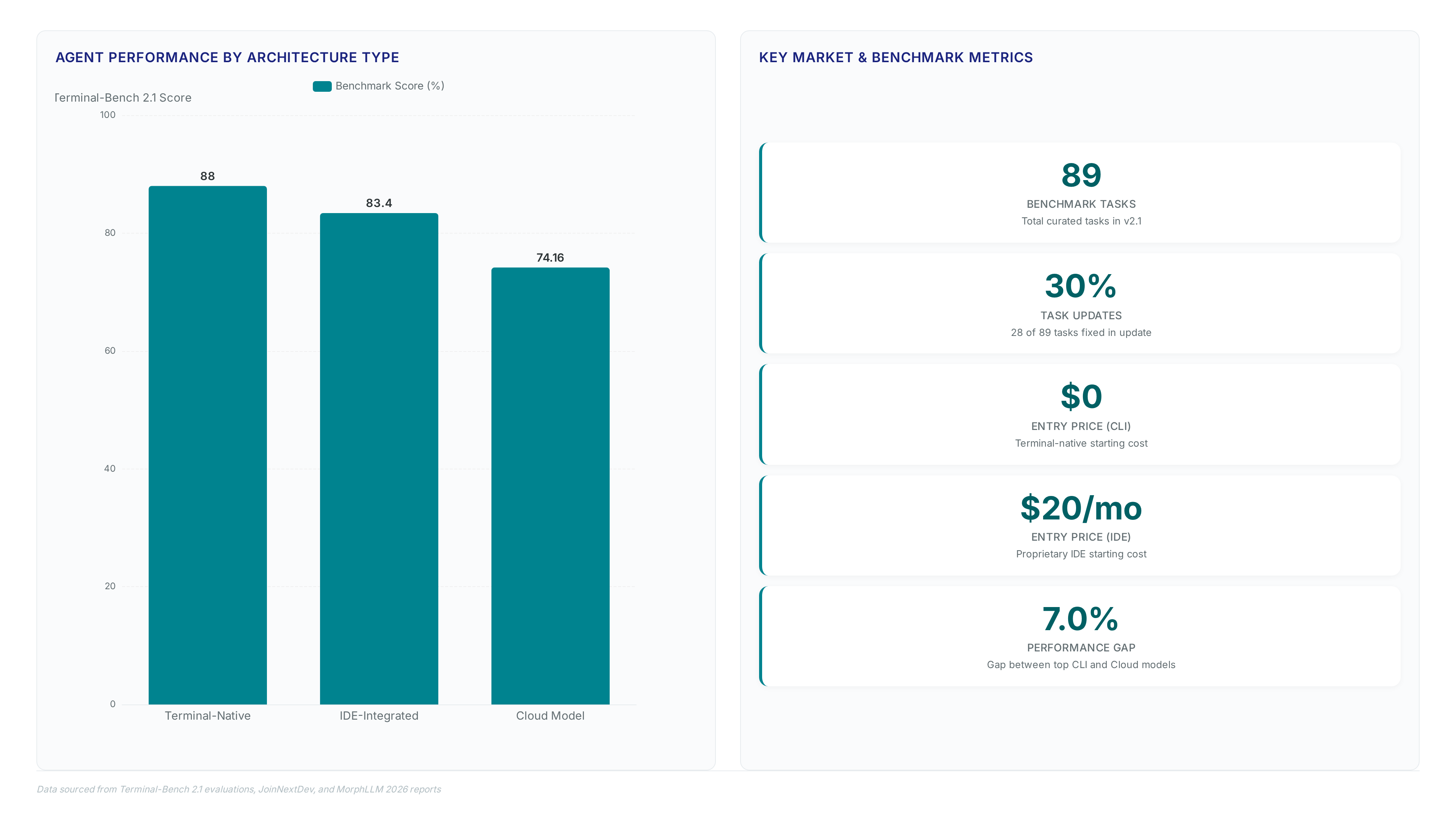
The Artificial Analysis Coding Agent Index v1.1 reveals how an 83.4% TerminalBench score masks variance in token efficiency and tool use.
This open runtime unifies IDE and terminal workflows, boasting 64.2k GitHub stars while executing bash commands without vendor lock-in.
Stripe deployed Claude Code across 1,370 engineers to complete a 10,000-line migration in four days, marking a shift to agentic execution.
With over 1,000 distinct agent skills now available, the shift to modular JSON Schema packages ends ad-hoc prompting for engineers.
Search interest hit 480 monthly US searches by May 2026. Learn when to use code-based guards versus LLM planning for reliable agent flow.
With 85% of orgs integrating agents, picking the right framework dictates if your system scales or collapses under context limits.
After 45 benchmarks, quality spread across five top agent frameworks was only 0.56 points, proving architectural fit drives real ROI.
Compare MLflow, DeepEval, and Ragas for agent evaluation. Learn why trace-aware scoring beats binary checks on 30M+ monthly downloads.
With 5 million weekly Codex users, agent architecture now dictates output quality more than raw model size or reasoning engines alone.
Static data causes deprecated advice. Learn the three missing layers preventing agent autonomy in modern development workflows today.
By 2027, AI agents will have moved from experimental status to full production across software engineering, finance, and healthcare.
Skip vague ambitions. Define 5-10 concrete examples to validate agent scope before writing orchestration logic or building an MVP.
You can build a production-ready Slack agent using Chat SDK and AI SDK without managing complex infrastructure.
Distinguish orchestration frameworks from tool registries across 10 resources. Learn why core logic matters more than prompt engineering for state persistence.
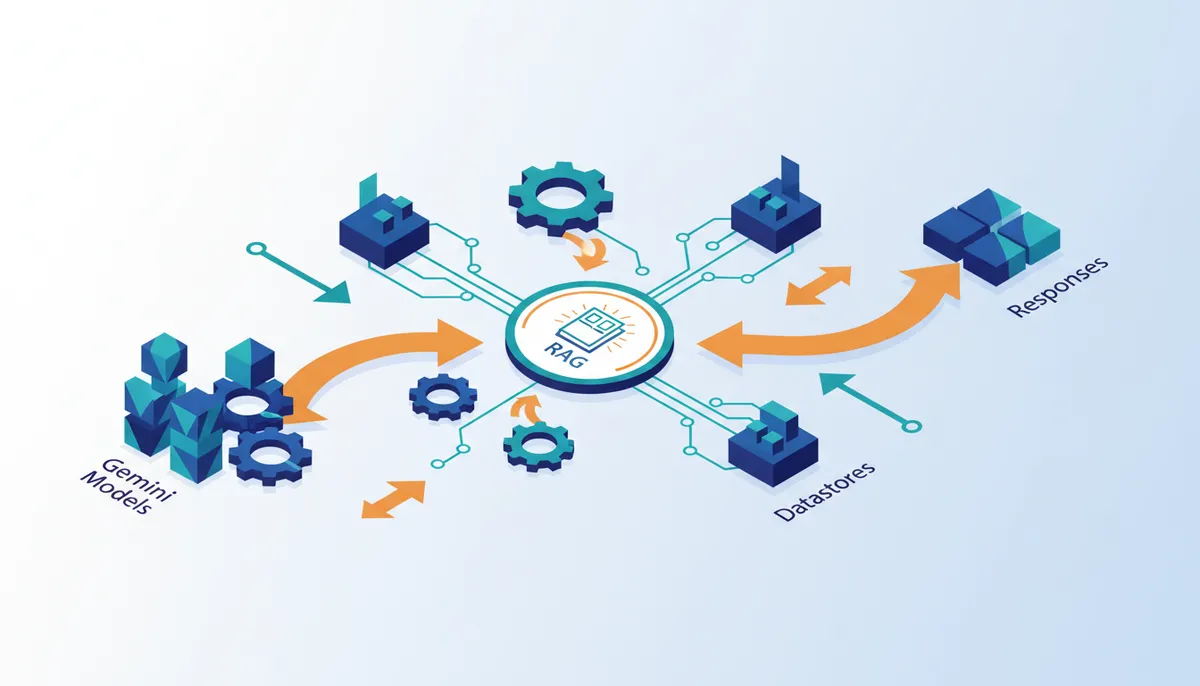
Grounded responses require attaching a datastore to prevent hallucinations in generative architecture, ensuring agents rely on verified facts.
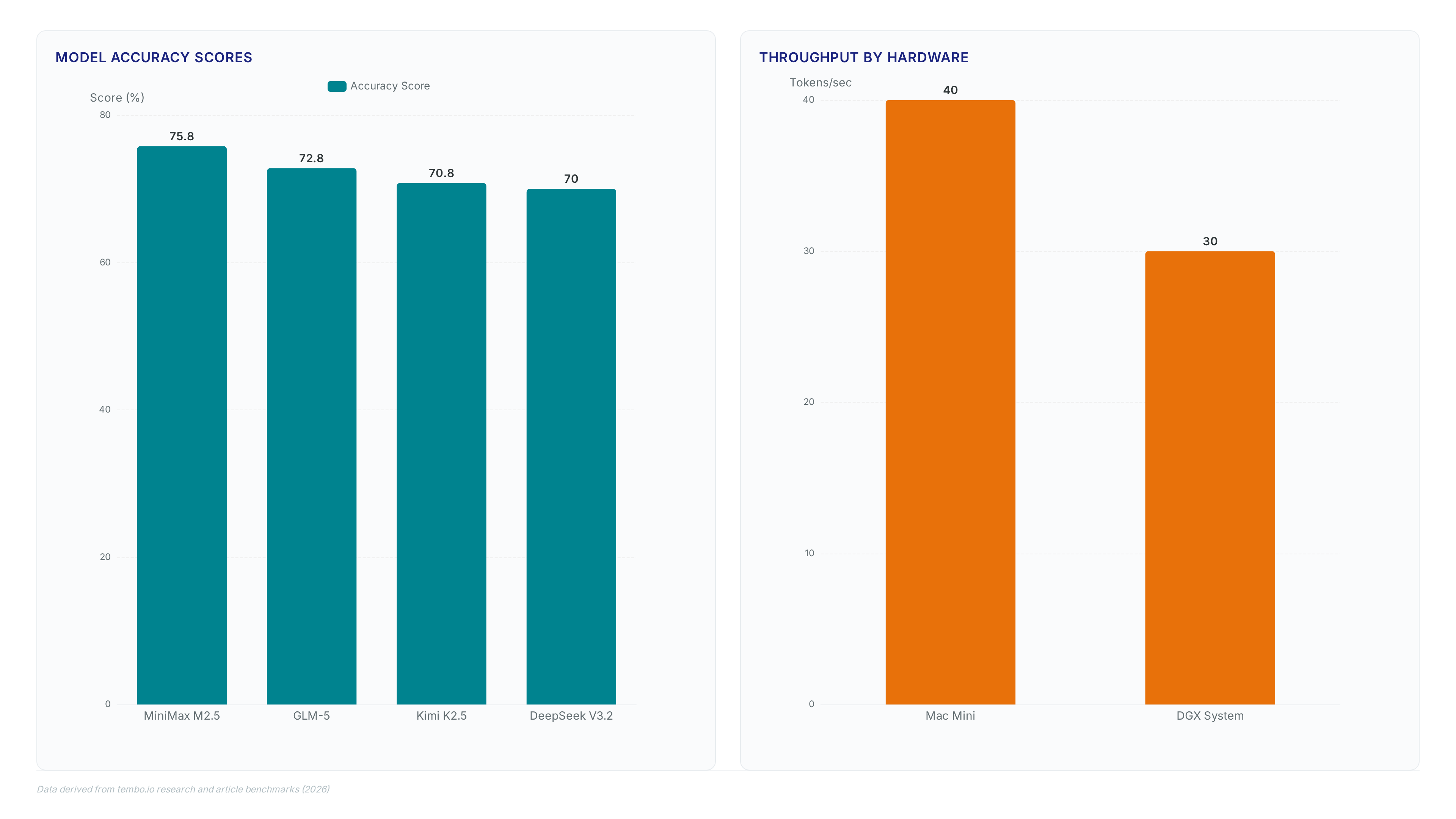
Learn why 41B active parameters matter more than total count for agent latency. Discover selection criteria for reliable, cost-effective systems.
Unchecked retries turn minor glitches into seven-figure liabilities. Learn why parallel agentic loops drain budgets faster than expected.
Most AI agents stall at 60% efficiency without closed-loop design. Learn the six architectural layers that enable true self-improving agent systems.
Ninety live runs prove 2024 data fails. See how an 11% token variance across nine frameworks impacts your 2026 production latency and costs.
Stop capability hallucination by grouping builtin and MCP tools into sets. This control layer ensures agents select only relevant functions before execution.
A $50M Series B validates autonomous agents. Learn to replace rigid scripts with declarative tool specs for safer, flexible orchestration.
Optimized frameworks slash redundant tool calls from 98% to 2%. Learn how structured schemas and event-driven resumption build reliable AI agents.
Learn how the SKILL.md entrypoint combines YAML frontmatter with markdown to create portable units for four distinct agent components.
Learn how a runtime policy engine evaluates every proposed action to allow, deny, hold, or modify tool calls before execution.
Outreach reports its predictive AI achieves 81 percent accuracy in deal predictions. See how automated signals replace manual data gathering for sales teams.
Sandboxed agents reset on tmpfs with zero memory. Learn how three context layers and convention files prevent entropy in production codebases.
Seven contenders now define the market as tools like Cursor enable parallel execution. See which systems ship production code without the marketing noise.
Learn why OpenHands SDK requires uv version 0.8.13 and matched packages to prevent runtime import failures in agent workflows.
OpenHands cloud1.34.0 adds event filters to manage 247,000 stars of agent noise. Learn the new sandbox execution limits and config steps.
OpenCode's 170,000 GitHub stars prove coding-first agents have found product-market fit while broader tools struggle for traction in the stack.
Vertex AI multiagent systems handle over 20,000 documents by splitting planner and executor roles, preventing total workflow collapse during errors.
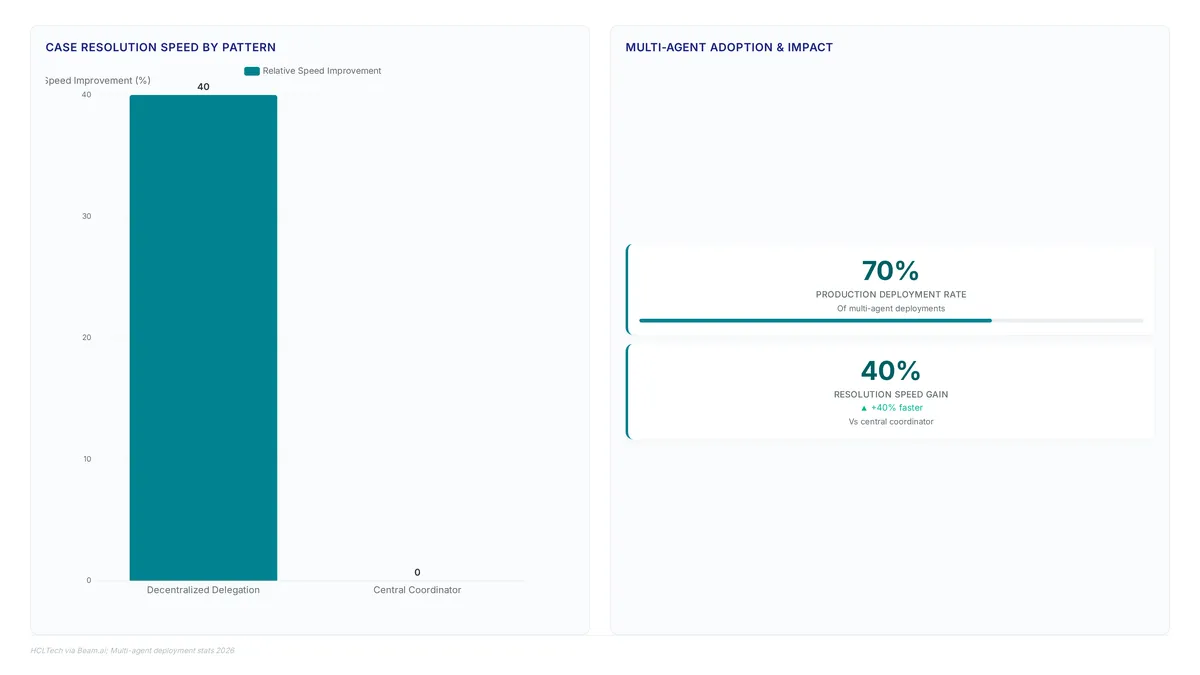
Production data shows 70% of deployments rely on a central orchestrator to route tasks. Learn how specialized agents reduce coordination overhead.
Monolithic prompts fail at scale. Learn how SkillasCode helps manage the 40% of apps needing agents by year-end without security drift.
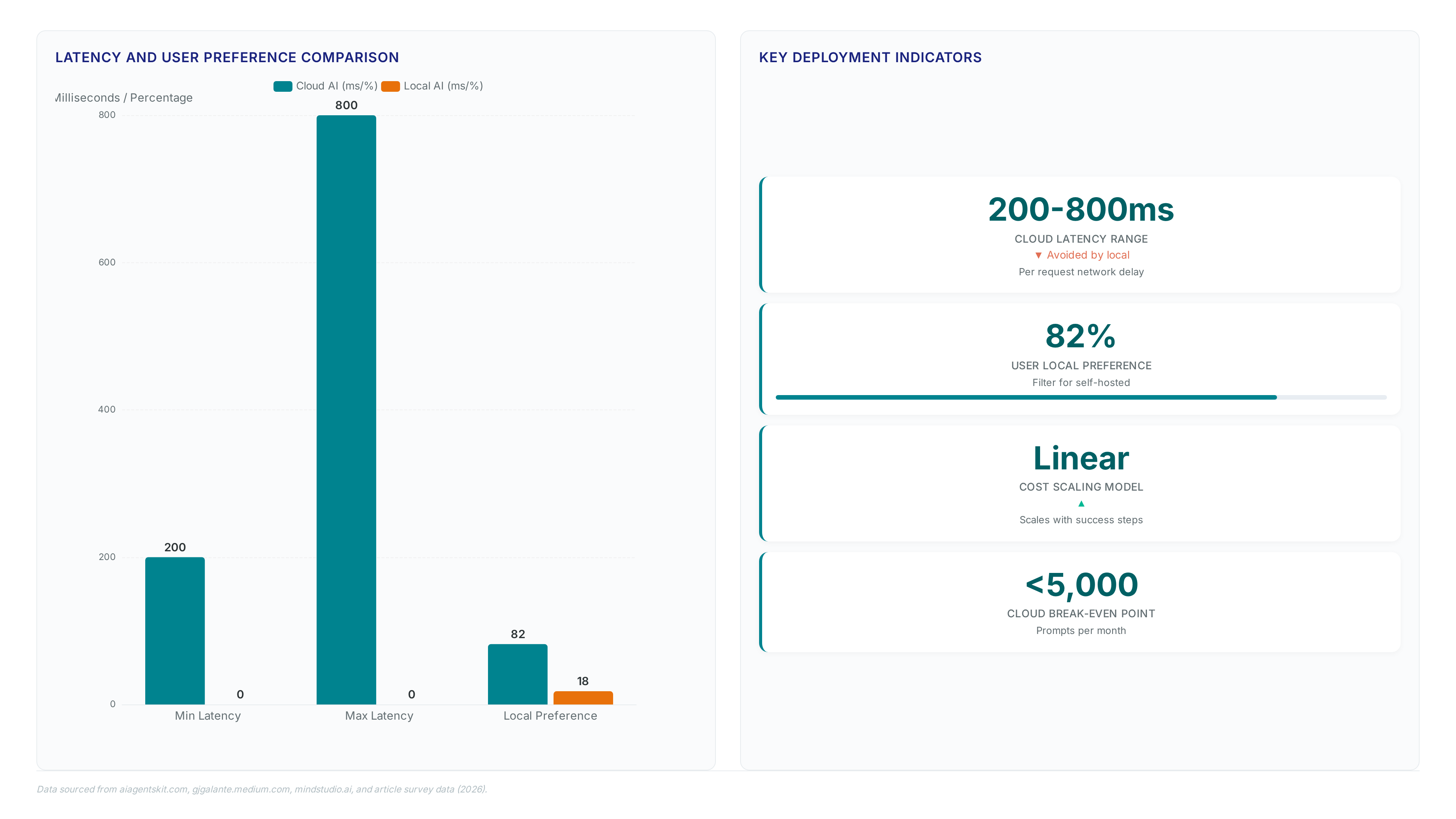
Cloud round trips add 200ms to 800ms latency per request. Compare local, VPS, and cloud architectures for speed and privacy tradeoffs.
Version 0.0.14 of the llamaagents framework treats every agent as an independent microservice, removing the illusion of local execution for scalable systems.
LangGraph deleted three weeks of agent memory with zero errors. Why state-management discipline, not heavier infrastructure, fixes silent checkpoint loss.
LangGraph 1.2.4 adds 14ms latency to prevent critical runtime failures. Learn to verify GPG signatures for commit 054a6f3 before deploying agents.
Learn to build a CircumferenceTool in LangChain. This guide shows how custom tools replace token-based guessing with grounded, repeatable functions.
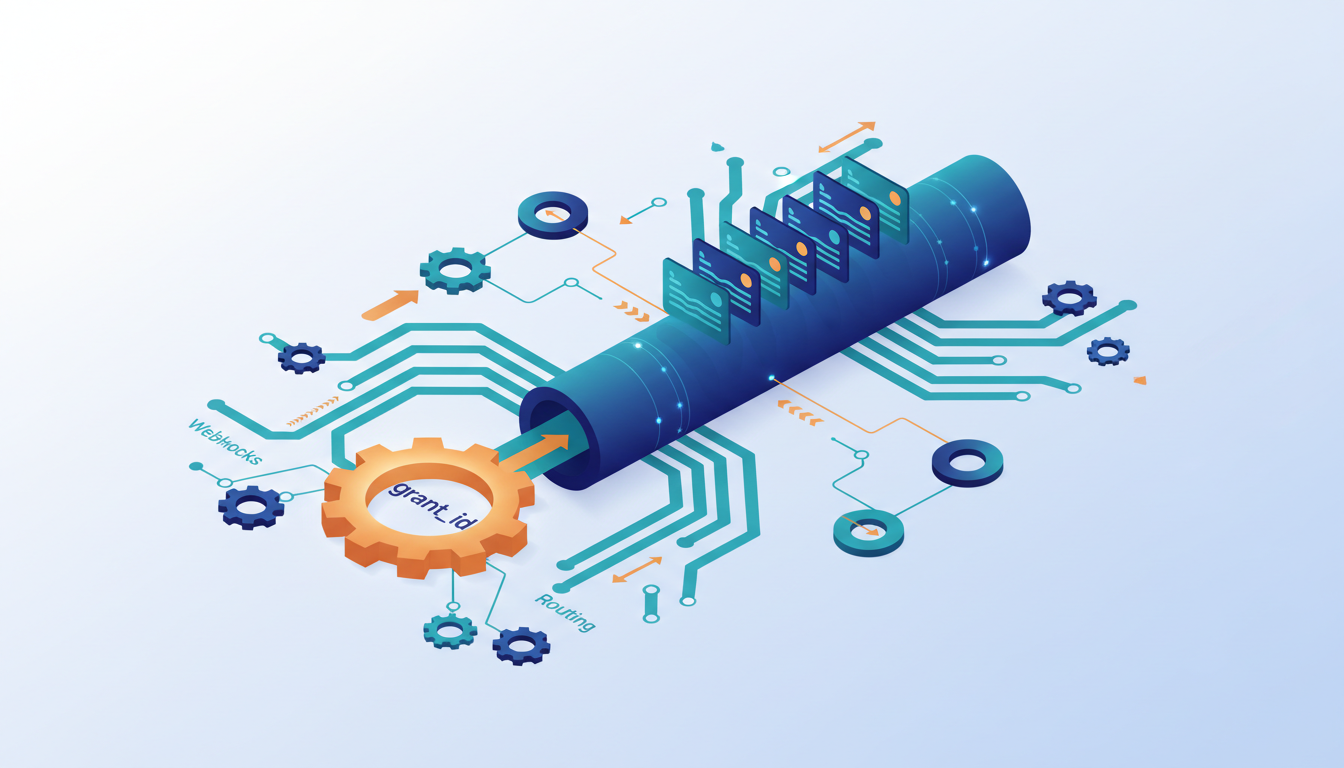
Replace six identifiers with one grantid to manage agent accounts. This approach handles 40 MB outbound caps and truncated webhooks consistently.
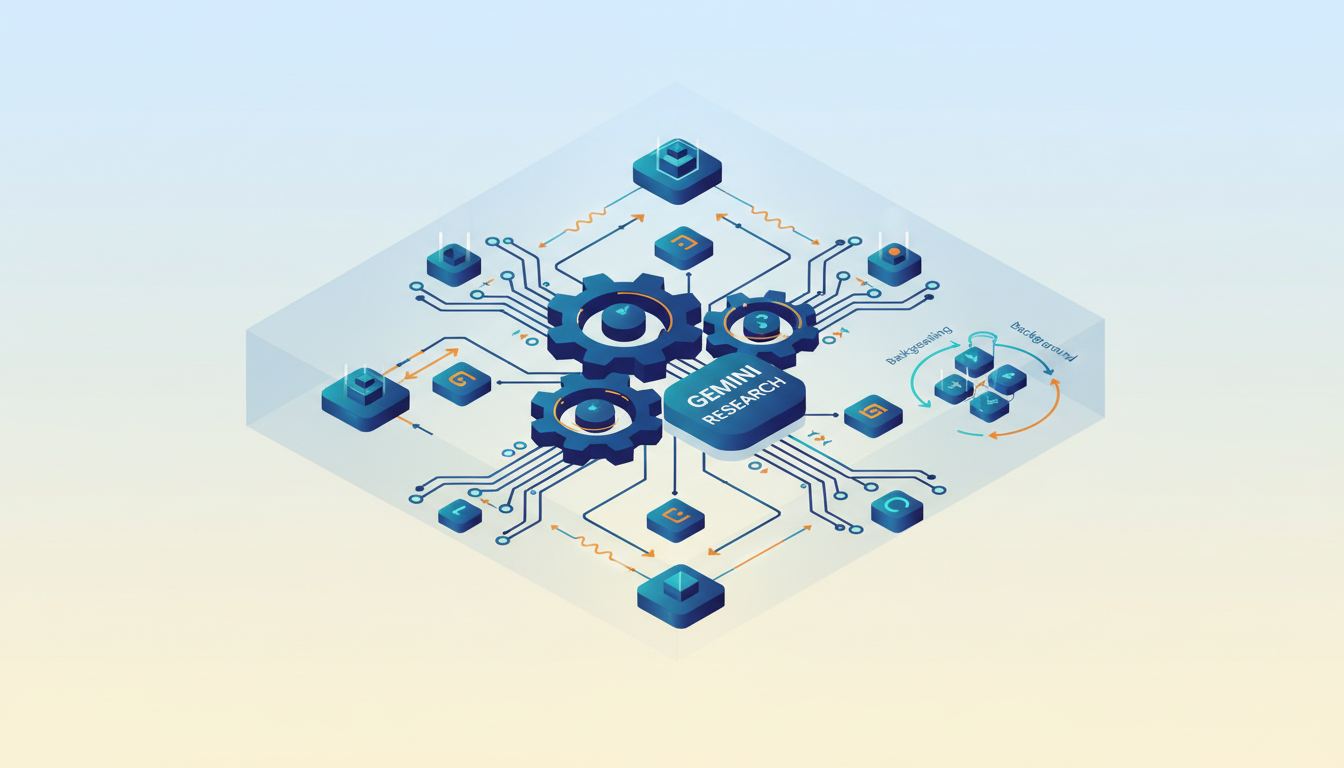
Learn how Gemini's 85.9 BrowseComp score drives autonomous research. See how collaborative planning prevents wasted compute on misaligned queries.
Learn how function calling converts vague intent into structured JSON requests, enabling agents to fetch external data instead of guessing.
Dissect five canonical AI agent architectures like ReAct and PlanExecute to fix latency, cost, and reliability in production systems.
LangSmith supports four distinct evaluator types to validate agent performance. Learn how offline testing and LLM-as-judge scoring catch regressions early.
crewAI 1.14.7a1 adds native Snowflake Cortex integration and lazy loading to cut startup times. Learn how trained agents persist state across 54.7k stars.
crewAI 1.14.6a1 adds a Skills Repository to decouple logic, addressing fragility in the 79% of businesses already deploying agents.
CrewAI 1.14.6a2 fixes state serialization for 54.7k-star repo, adding GPG verification and blocking environment variable leaks in tool execution.
crewAI 1.15.2 introduces inline skill definitions and unified declarative flow loading to simplify agent orchestration for engineering teams.
crewAI 1.14.7 resolves critical CVEs and adds pluggable backends. Learn how state isolation supports the framework's 54.7k GitHub stars.
With 2,448 agents on Agent.ai, the shift to coordinated teams is clear. Learn how multi-agent units handle complex workflows without manual handoffs.
Build a Confluence MCP server using 62 tools and 23 triggers. This guide covers LlamaIndex integration, OAuth handling, and ReAct agent workflows.
OSWorld success hit 66%, yet agents still misclick. I explain why grounding errors cause 34% of failures and how data fixes this.
Analyze 64 commits proving autonomous agents work. Compare AutoGPT and BabyAGI frameworks for stable, cost-effective engineering deployment.
By 2028, Gartner predicts a significant share of daily work decisions will be made autonomously by AI agents.
74% of orgs need human checkpoints. I test askahuman.ai, a private pager that alerts your phone when autonomous agents stall on production tasks.
Search volume for AI coding agents surged 1,581% as tools shift from autocomplete to autonomous execution across entire repositories.
Over 1,000 papers validate modern agent architectures. Learn how 300+ tools enable reliable autonomy and measurable ROI in production systems.
Analysis of 18 deployments shows LangGraph leads production readiness. Learn how to prevent context loss and infinite loops in your agent systems.
Discover how to configure your container on port 8080 to stream SSE events and separate agent logic from frontend rendering with AGUI.
Eleven firms published the ARD spec to fix agent blindness. Learn how aicatalog.json replaces flooding context windows with static records.
The agentic AI market reaches $9.14 billion by 2026. Learn how state persistence and orchestration prevent brittle multiagent system failures.
Learn how 57% of firms now use multistep workflows to replace fragile prompts with a self-correcting Researcher and Judge pipeline.
Learn how six distinct agent tool categories range from low-risk search to high-risk desktop control, plus why Model Context Protocol matters.
Learn how true agents manage workflow execution and halt on failure, distinguishing them from single-turn LLMs that lack error correction.
Merge 4 fragmented rule locations into one portable SKILL.md package. Learn the 5-step migration path to unify your team's AI conventions today.
Giant prompts collapse; modular skills with SKILL.md files separate logic from user data for stable, scalable agent behavior.
With 46% of new code AI-generated, you must stop slopsquatting. Learn the 7pillar architecture to secure your agent workflows today.
See how SelfUse jumped TerminalBench scores from 23.8% to 38.1% by mining execution traces instead of tweaking model weights manually.
LangChain's 2026 report cites quality as the top barrier. Separate reasoning from action layers to fix specific agent pipeline failures.
With fewer than one-third linking AI to outcomes, agent orchestration provides the governance gates and cross-use memory engineers need.
Most agents use only 2 of 7 memory types. Learn why working memory evaporates and how episodic storage fixes long-term agent autonomy.
L'IA agentique exécute des tâches sans supervision, mais exige des contrôles d'audit rigoureux dès la conception pour maîtriser les risques opérationnels.
After 18+ production deployments, this guide compares 7 agent frameworks like LangGraph and CrewAI for reliable multiagent orchestration in 2026.
Analysis of 18 deployments shows LangGraph leads production readiness. Learn how planner-worker patterns and session state prevent context rot.
Standard benchmarks miss critical failures. This framework uses an internal LLM evaluator to audit multiturn conversations against safety policies and accuracy.
Output-only checks miss brittle logic. Use over 50 research-backed metrics to score discrete execution steps and catch planning failures early.
Learn how thousands of agents built across Amazon since 2025 prove static prompts fail. Discover framework-agnostic workflows to measure real task completion.
Move beyond static accuracy. Analyze multistep trajectories to catch critical failures where agents stall in continuous reasoning loops.
Teams burn 80% of cycles on error analysis. Datadog's new tools trace every prompt to turn production data into eval sets without context switching.
crewAI 1.14.6 patches structured output leaks and enforces strict checkpoint restoration for reliable multi-agent orchestration in production systems.
One misrouted tenant ID broke production. Learn the five-layer model to stop context bleeding across your AI agent workflows today.
Microsoft Agent Framework reached version 1.0 GA in mid-2026, replacing stateless loops with durable, graph-based workflows for Python and .NET teams.
Explore 1,672 commits of executable lessons on agent memory, context engineering, and securing systems against injection attacks.
Data shows single agents falter near 20,000 documents. Learn the ReAct pattern and memory thresholds for robust multi-agent architecture.
Seventy-seven percent of AI agent projects fail to reach production, leaving only a fraction of deployments operational according to recent 2026 data.
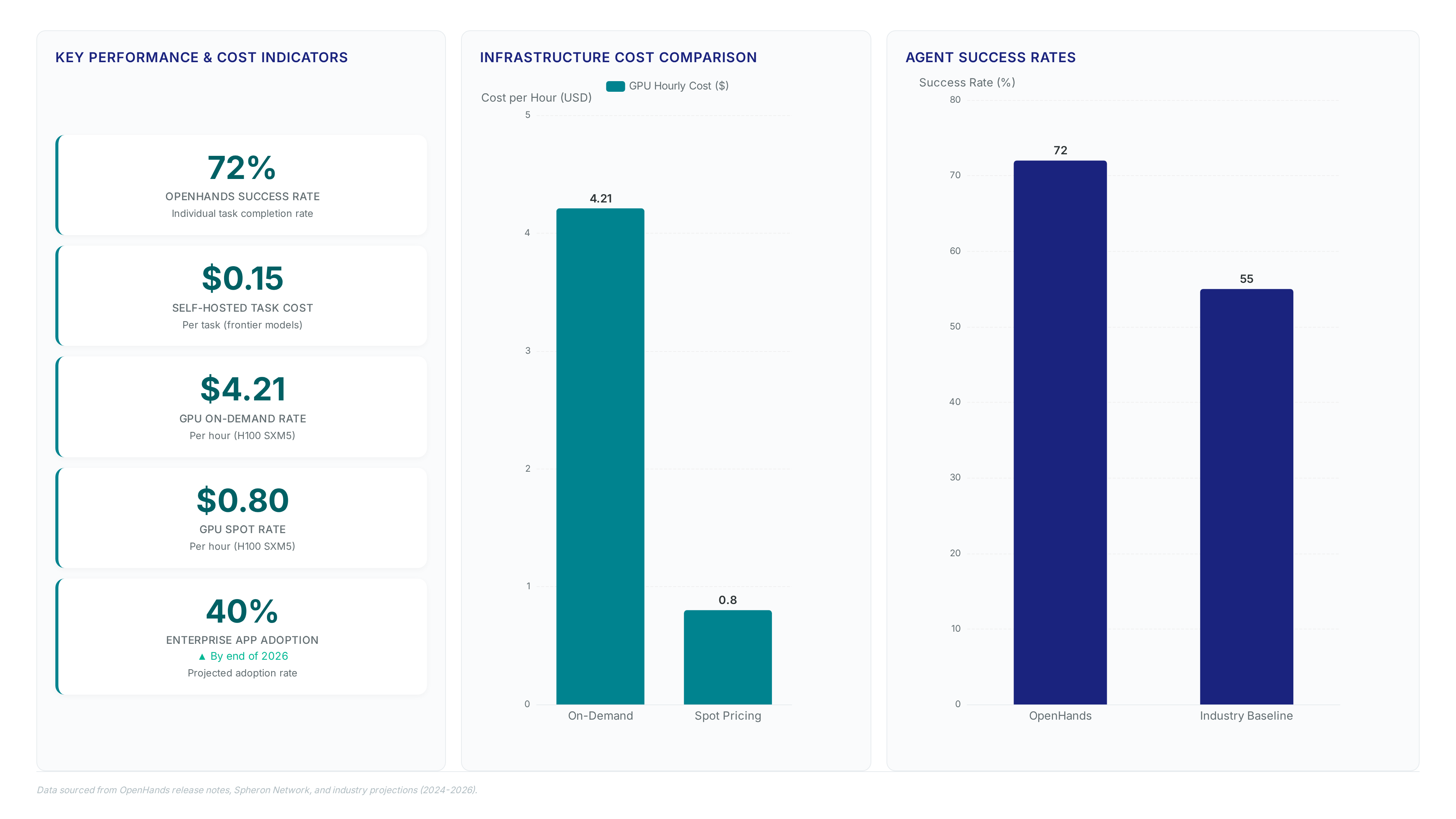
OpenHands hits 77% on SWEBench Verified using a stateless event-driven architecture. Learn how the append-only EventLog enables robust coding agents.
Manage OpenHands, Claude Code, and Codex in one self-hosted interface. Learn how the system handles 16.1K-view workflows without cloud lock-in.
Agent OS indexes existing repos to stop style drift, turning 170,000 GitHub stars into a system that enforces codebase standards before generation.
Learn how loop engineering replaces manual prompting with autonomous cycles, preventing seven-figure token bills through strict verification logic.
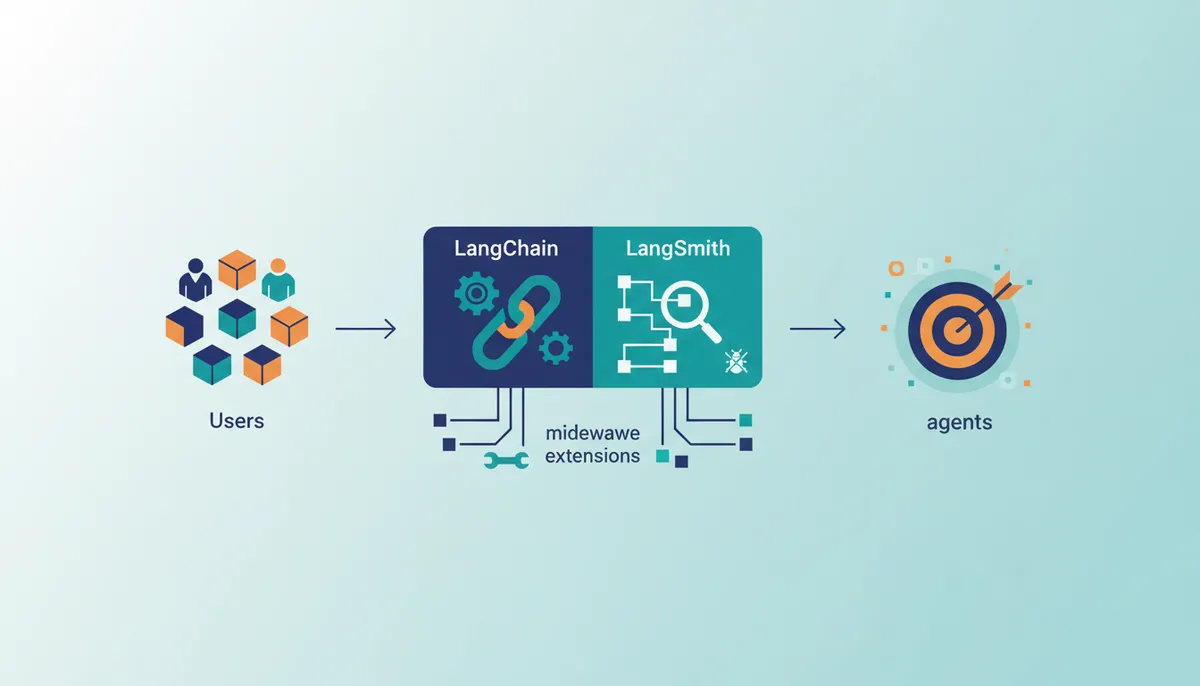
LangChain offers 1000+ integrations to swap models without rewriting code. Its durable runtime ensures persistence and checkpointing for production agents.
Herdr v0.7.1 assigns real terminals to agents, preserving TUIs that GUI wrappers break while tracking status via process heuristics.
Comparing 20 AI coding agents reveals workflow fit trumps model size. Learn how terminal autonomy and the 83.4% TerminalBench score define modern...
An AI coding agent plans multistep tasks, executes code, and iterates without handholding, moving far beyond simple autocomplete to true agency.
Learn how the four mandatory modules transform raw models into systems that manage state and execute logical flows without constant human intervention.
Choosing the right agent framework prevents technical debt that compounds silently until development halts.
Build a functional research agent in 150 lines using strict TypeScript interfaces to prevent runtime errors and manage conversation history.
LangChain v1.0 removes AgentExecutor, enforcing LangGraph as the sole runtime. Python 3.10 is now required for typesafe streaming and structured outputs.
With 57% of organizations running agents, static tests miss cascading failures. Learn to validate specific execution paths and tool calls effectively.
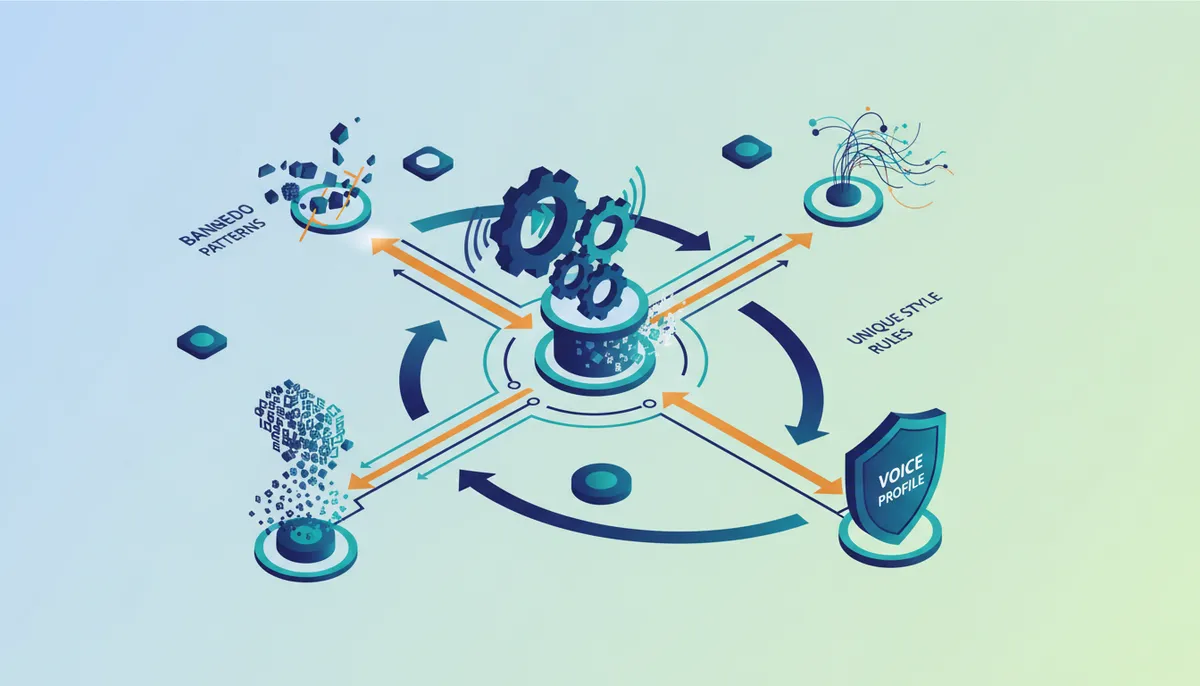
Stop generic output by feeding an agent exactly seven real writing samples to enforce human irregularity and kill robotic patterns.
TerminalBench v2.1 uses 89 curated tasks to test if AI agents can execute complex system commands rather than just generating static code snippets.
The March 6, 2026 update adds a Planning Agent that forces requirement questions before coding, fixing context loss in autonomous workflows.
The OpenHands SDK powers 2,013 commits of agent logic, enabling terminal execution and browsing within a single Python-defined agentic loop.
Unlike reactive chatbots, autonomous agents execute the full Plan-Act-Observe loop to independently restore dropped test coverage.
OpenHands version 1.7.0 splits logic into modular packages, replacing the monolithic V0 design for better local deployment and audit trails.
Learn how isolated worktrees prevent file locks when running parallel coding agents, based on a repo with 1,629 commits and strict session rules.
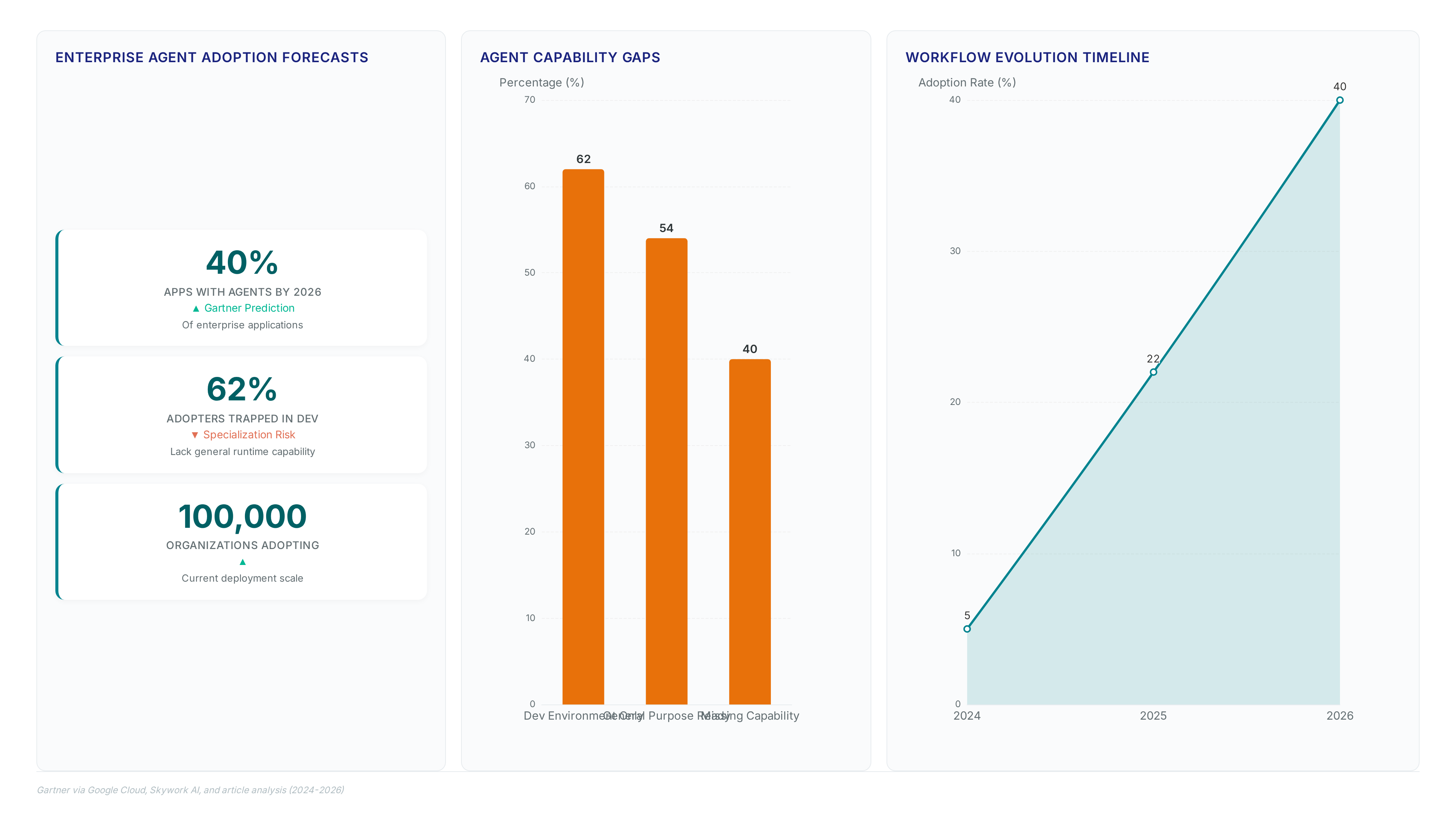
Gartner predicts 40% of enterprise apps will use task-specific agents by 2027. Compare how LangGraph and CrewAI handle this complex shift.
Learn how the tool use pattern lets agents bypass static data limits by executing external code and querying 177,000 tracked tools safely.
Learn how a single agent analyzes job descriptions to output a JD Summary and list matching skills like LLM or Terraform in seconds.
Hermes Agent crossed 140,000 GitHub stars by using FTS5 search to retain project specifics across sessions without manual reexplanation.
Compare Claude Sonnet 4.6 ($3) against DeepSeek V4 ($0.30) for Hermes Agent. Learn which model prevents malformed tool calls in production.
Alice Labs analyzed 18+ deployments showing Eve reduces mental load by swapping chains for a single runtime dependency and file conventions.
TerminalBench 2.1 shows 83.4% scores, yet infrastructure gaps cause a 17-issue performance drop. Learn why architecture matters more than the model.
Configured AI agents drive a 23x value increase by stripping verbose output. Learn how specialized personas reduce token costs in complex development.
Eleven frameworks now define the production environment for building autonomous systems. Forcing developers to choose between heavy orchestration...
Learn to build agents that manage context across multiple turns using specific memory compression strategies and token monitoring.
Analysis of 18 production deployments shows LangGraph excels at managing complex stateful workflows where linear chains fail.
Simon Willison's llmcodingagent 0.1a0 enables local file edits via explicit tool calls, contrasting with the 83.4% TerminalBench scores seen elsewhere.
Augment Code claims 70.6% accuracy, but real utility depends on execution models. Compare IDE extensions, CLI tools, and cloud security postures here.
Vix leads Terminal Bench 2.0 with a 90.0% score, while the AI Lab CLI tool ranks 52nd at 58.0%. See how 48 agents compare on real metrics.
Learn 21 design patterns to fix AI coding agents. While Codex CLI hits 83.4% on benchmarks, internal discipline prevents broken systems.
On July 2, 2026, a $0-budget repository proved AI agents can earn money autonomously. The Autonomous Insight Agent demonstrates that deterministic...
Late 2025 data shows action-enabling tools are now the majority use case. Learn how nine specific tool categories prevent context window overload.
With 276 commits, this framework uses an LLM evaluator to test agent reasoning via multiturn dialogue instead of static string matching.
Aggregating 18,142 skills from 307 repositories, this project defines 357 canonical standards to solve AI agent fragmentation.
Compare seven key frameworks for composable agents. Learn how planning loops and memory retention differ in the 2026 landscape.
Build a local research agent using Gemma 4 and Tavily. This guide configures 32,768 context tokens for deep evidence synthesis on consumer hardware.
LangGraph 1.2.0 adds checkpoints and streaming. Learn to build RAG pipelines chunking at 1000 tokens using Qdrant and FastEmbed.
Evaluate four axes for agent orchestration as the 2026 engineering challenge. Compare state management and control flow across top frameworks.
Most deployments stay narrow. With 78% planning adoption, teams must build true agents that handle failure, not just chatbots.
Langchain sits at 140,351 stars. That number dominates the LLM agent landscape, but raw popularity rarely tells the whole story.
Cursor hit a multi-billion dollar ARR run-rate by early 2026, proving autonomous coding agents are no longer experimental toys.
Learn why 81.2k GitHub stars validate OpenHands as a modular platform for building autonomous agents that resolve real-world code issues.
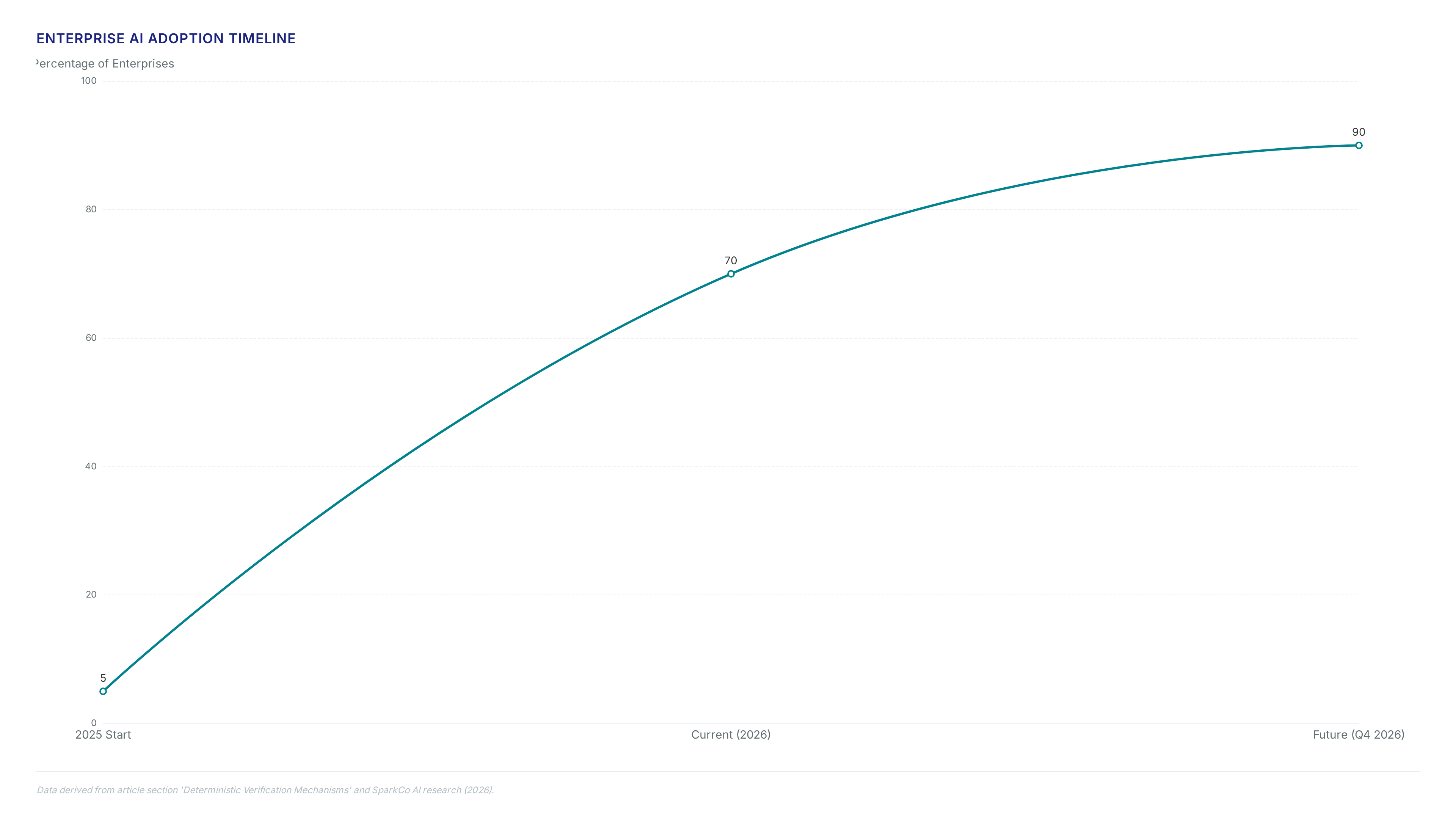
Gartner predicts 40% of apps will embed agents by year-end. We analyze the shift from passive answers to autonomous workflow engines.
OpenHands reaches 78,800 GitHub stars by executing code in sandboxed Docker runtimes, keeping data local while demanding strong DevOps skills.
Learn how OpenCode's 160,000-star architecture separates Build and Plan agents to prevent rogue code while enabling parallel subagent execution.
Merge five fragmented tools into one agent loop. Learn how Strands Robots records LeRobotDatasets in MuJoCo for direct SO101 hardware transfer.
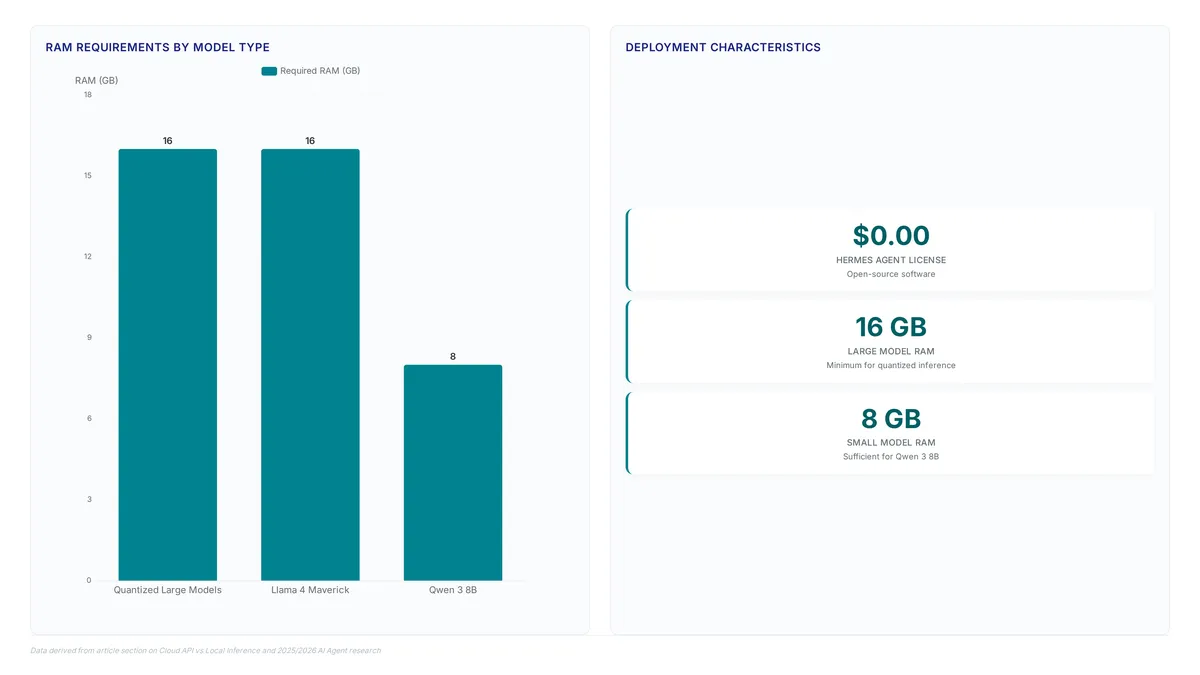
Skip the $7.60 per task fee. I show how to run Qwen3.6 locally on 32GB RAM for private, zero-cost code generation.
OpenAI admitted overly flattering models cause confident wrong answers that waste weeks. Learn why agreeable agents hurt more than useless ones.
Connecting to 81 distinct MCP servers through a single endpoint solves the configuration sprawl plaguing Hermes Agent deployments.
OpenCode hit 147,000 GitHub stars by April 2026, proving that autonomous coding agents are no longer experimental novelties but essential...
With 51% of pros deploying agents, learn why LLM control flow matters more than chat for complex app logic and safety.
Codex CLI paired with GPT-5.5 sits at the top of the Terminal-Bench 2.1 leaderboard with an 83.4% pass rate.
Single agents fail by the third retry. Learn why text-to-SQL needs 3 to 7 specialized roles to prevent context bloat and pipeline crashes.
Stop re-explaining conventions to your agent. This guide uses Hindsight's LongMemEval benchmark results to fix OpenHands context loss.
Microsoft Research shipped the production-ready unification of AutoGen and Semantic Kernel as Microsoft Agent Framework 1.0 on April 3, 2026.
Compare LangGraph's DAGs and CrewAI's roles across a dozen options. Learn how to debug stateful workflows and avoid unstructured autonomy pitfalls.
LangGraph holds 33,900 GitHub stars as engineers shift to stateful workflows. Compare top frameworks for production multiagent systems here.
Compare CrewAI's role-based architecture to AutoGen's conversational model. Learn how 14,800 monthly searches reflect shifting developer preferences.
Durable agent sessions beat containers by 100x. Learn how the Agents SDK runtime manages state without external databases for reliable scaling.
At $0.005 per call, Stripe's fixed fees create 6,000% overhead. I break down why dual-protocol routing with x402 is essential for agent scale.
JSON configs yield 95% action success but create visual garbage because agents cannot see layout. Learn why switching to HTML fixes rendering.
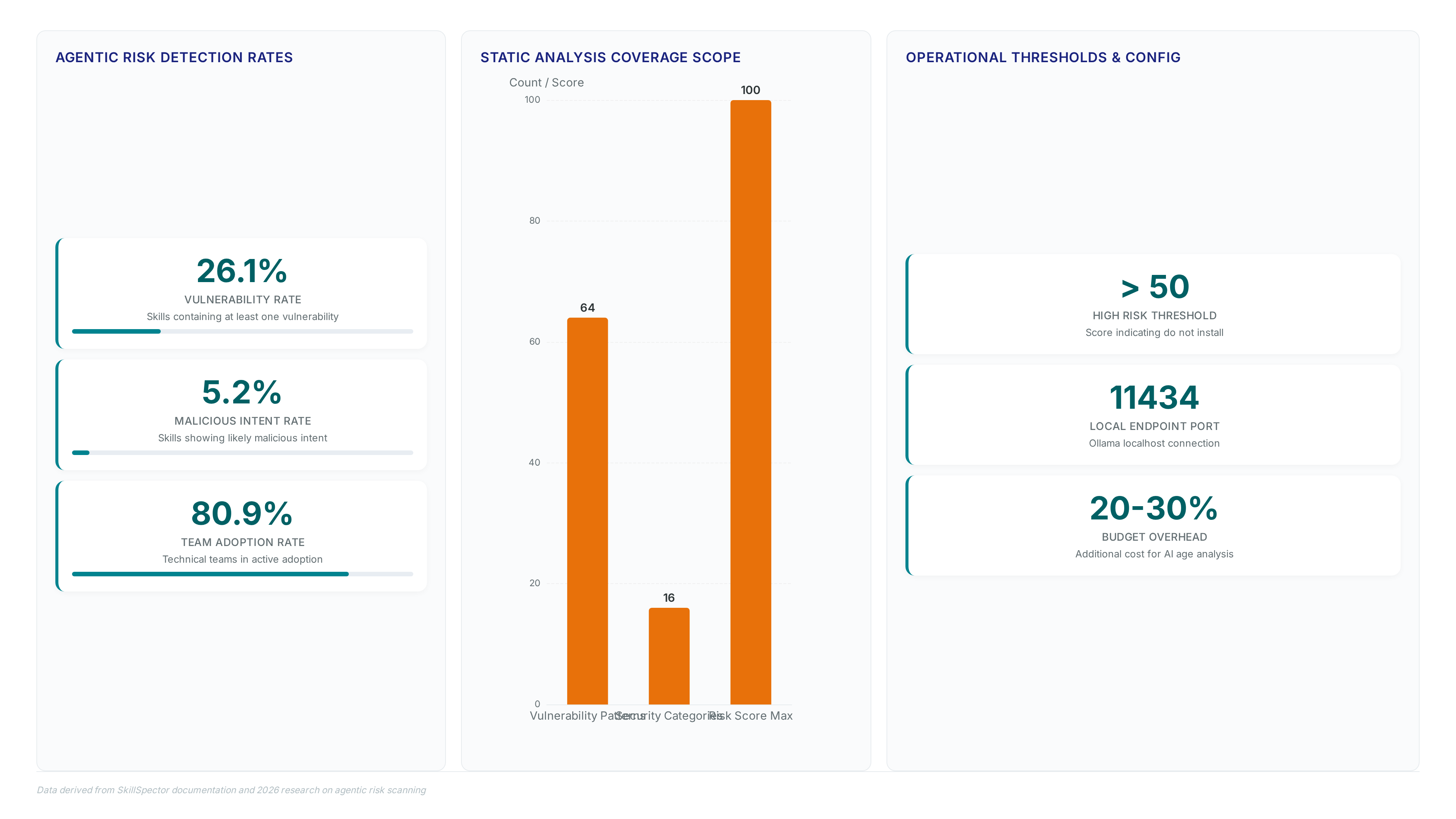
Executable scripts are 2.12x more likely to harbor vulnerabilities. I review how NVIDIA's SkillSpector uses dual-stage analysis to catch these threats.
OpenHands cloud 1.38.0 uses SandboxRecord to skip runtime API calls, removing network handshakes that slow down 40% of future agent apps.
After an agent deleted a production DB, I review Pydantic AI's 17,895-star approach to enforcing type safety and preventing runtime chaos.
With code churn hitting 7.1%, your CLI agent needs runtime profiles to separate chat from code execution safely.
Plain language onboarding boosts completion rates from a minority share to a strong majority, proving that conversational interfaces solve the...
OpenHands release cloud1.32.2 sets MiniMaxM2.7 as default, enabling agents to handle 30-minute workflows without collapsing under token costs.
Commit fbb7a00 in OpenHands 1.36.0 fixes legacy config loading. Learn why 40% of enterprise agents face these migration gaps.
ContextEcho tested 23 models. Anchor injection restores style but fails behavior. Learn why narrative internalization is vital for stable agents.
After six months of false confidence, I found native memory replaced my custom build. Use this one-minute test to verify true agent retrieval.
Learn how Eve's filesystem-first approach uses 1 token to resume sessions after server restarts without replaying history.
Stop context pollution before it breaks your workflow. Delegation runtime isolates subtasks, reducing context window overhead by 80% while keeping control.
Gartner predicts 40% of apps will embed agents. Learn how crosslayer coherence prevents state drift between memory, authority, and action layers.
crewAI 1.14.7a3 patches aiohttp CVEs and enforces FlowDefinition. I break down the immutable changes protecting your 2B+ agent executions.
crewAI 1.14.7a2 surfaces raw LLM events for 2B workflows. I break down how new traces fix opaque conversational flow in production.
Codex now sees 20% nondeveloper adoption. We analyze the security gaps and governance needs as teams scale agent workflows beyond simple code.
At $15 per million tokens, guessing code structure is costly. Learn why coding agents need verified graph facts over raw context windows.
One developer lost $4,200 in a weekend. Learn why autonomous loops make 30–50 calls per ticket and how to set killswitches.
Stop rebuilding tools for every agent. Astron's registry cuts the $950 monthly indexing drain and enforces secure skill reuse across teams.
With 2,117 active credentials found in MCP files, Airgap uses mount namespaces to strip secrets before agents ever read them.
After six weeks of regressions, I rebuilt my agent to handle 40% of my work by fixing silent state corruption and flaky tests.
Stop paying the knowledge tax. AI agents now handle dependency resolution, helping 40% of apps embed tasks by 2027 without manual setup.
Frontend teams adopting AI agents could ship features five times quicker by 2027. Learn the architectural shifts needed for secure integration.
The UK AI Security Institute notes a fivefold rise in agent scheming. Learn why ambient authority in GitHub Actions exposes your repo secrets.
Poor agent use design drives costs to $2.26 per task. Learn why closed-loop feedback prevents silent failures in autonomous systems.
Most agent projects fail by 2027 due to bad architecture. Learn why static prompts collapse and how an external loop fixes real tasks.
Mitchell Hashimoto seeds AGENTS.md with traps to prove agents blindly trust external text. Learn why 1 corrupted file causes RCE.
Commit 0c522c2 locks the agent server image to version 1.23.1. I break down why this hard stop on drift matters for your Docker sandboxes.
Silent failures cause 74% of rollbacks. Learn where agent loops diverge from reality in the trace and fix state mismatches before refunds fail.
OpenHands cloud1.37.3 fixes eventcallback indexing to stop UI stalls. This patch targets the bottlenecks affecting the platform's 78.9k stars.
Agentic design patterns explained by build: the escalation rule, the four-beat verify loop, multi-agent token costs, and how to pick the minimum structure.