Desktop coding agents handle parallel work better
Intent by Augment Code required the least manual reconciliation during parallel work on shared contracts in early 2026 testing.

Over 2M installs show developers prefer sovereign coding where code stays local until explicit cloud selection via personal API keys.
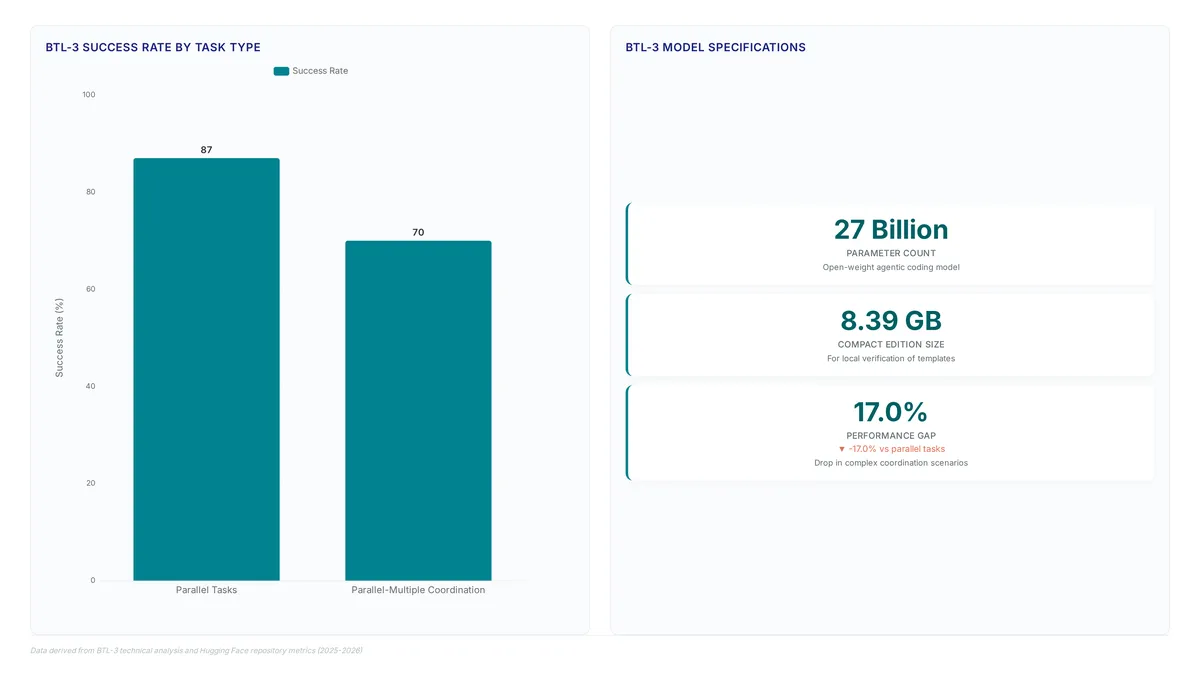
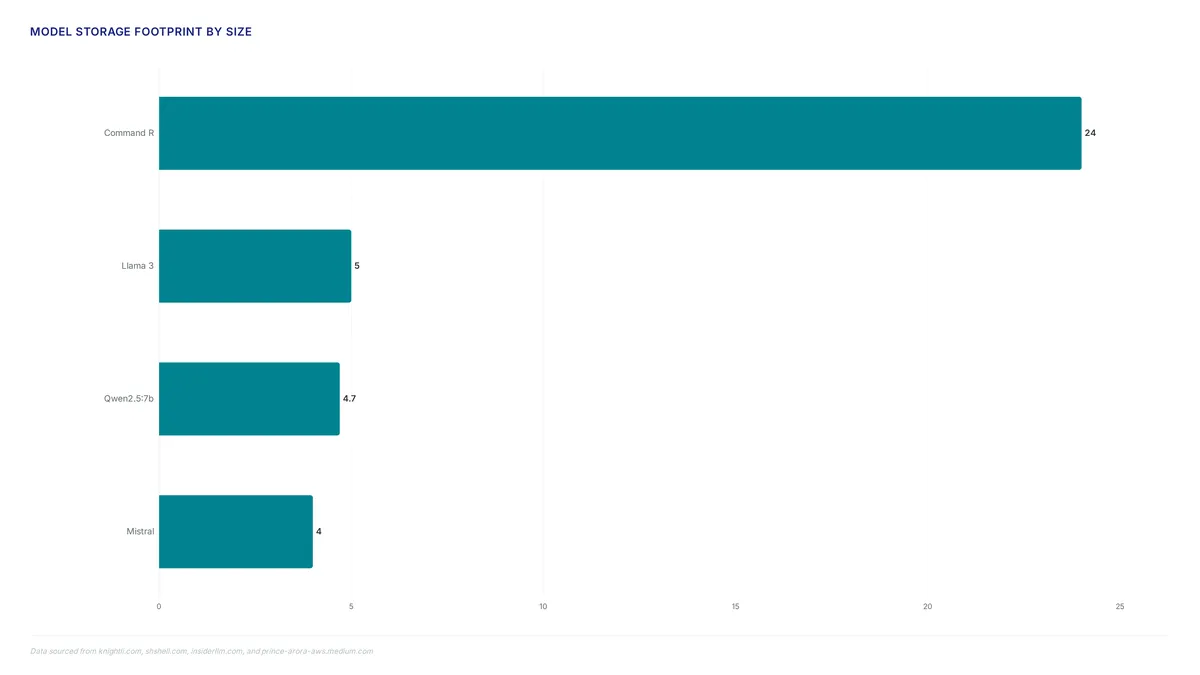
BTL3 retains 92.2% of full-model behaviors in an 8.39 GB footprint, offering a specialized architecture for efficient agentic coding and tool use.
GPT5.6 returns tool names, not code. Learn why the client-owned function loop and strict schemas are non-negotiable for autonomous systems.
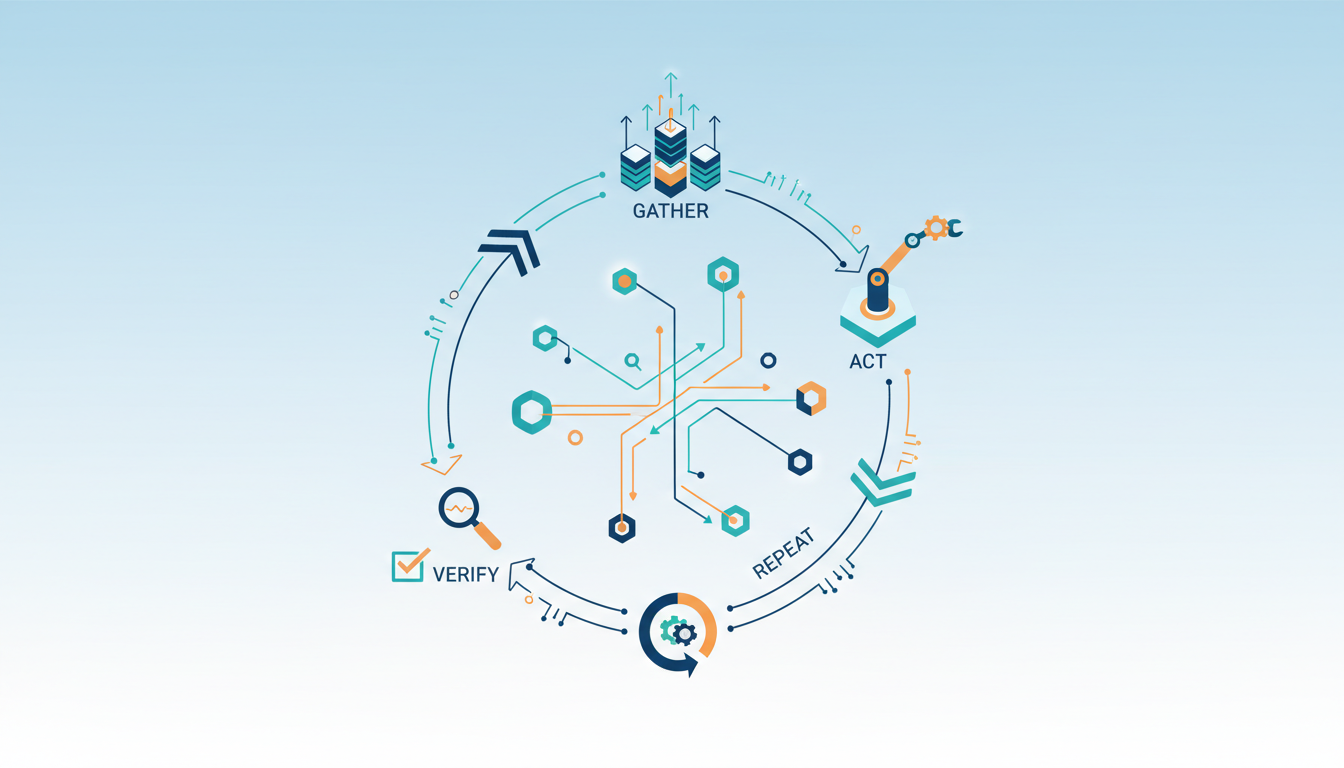
Learn how the Thought-Action-Observation loop powers 177,000+ tools, shifting agents from static text to modifying external system states safely.
Hermes 0.6 uses parallel reference models to isolate reasoning from tool use, preventing hallucinated actions while improving decision quality.
With 5 million weekly Codex users, agent architecture now dictates output quality more than raw model size or reasoning engines alone.
BenchLM.ai evaluates function calling across 24 agentic benchmarks to measure precision in tool invocation and terminal task execution for AI agents.
Learn why 41B active parameters matter more than total count for agent latency. Discover selection criteria for reliable, cost-effective systems.
Connect OpenAI Agents SDK to OpenRouter MCP. This setup unlocks 13 tools while managing OAuth and token refresh cycles automatically.
Unchecked retries turn minor glitches into seven-figure liabilities. Learn why parallel agentic loops drain budgets faster than expected.
Stop capability hallucination by grouping builtin and MCP tools into sets. This control layer ensures agents select only relevant functions before execution.
Optimized frameworks slash redundant tool calls from 98% to 2%. Learn how structured schemas and event-driven resumption build reliable AI agents.
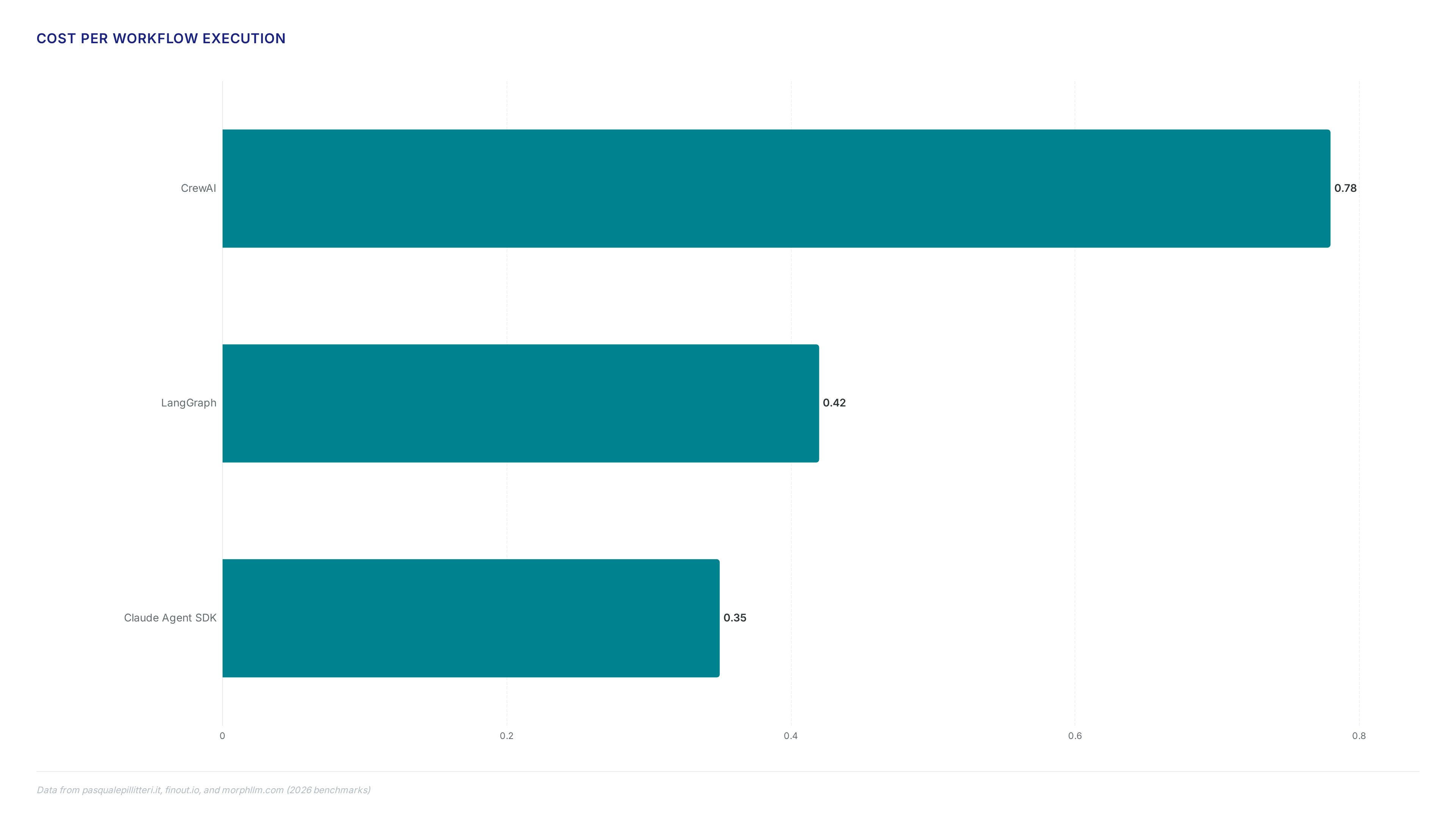
Splitting orchestration from execution can cut inference costs by around 10x. Learn how the orchestrator-worker pattern separates planning from routine tasks.
Grok 4.3 returns tool calls in single chunks, enabling atomic parsing. Learn how strict JSON schemas and local execution secure external data flows.
Learn how function calling converts vague intent into structured JSON requests, enabling agents to fetch external data instead of guessing.
Build a Confluence MCP server using 62 tools and 23 triggers. This guide covers LlamaIndex integration, OAuth handling, and ReAct agent workflows.
Zencoder collapses the cost of intelligence into a single subscription, granting access to every frontier model without per-token anxiety.
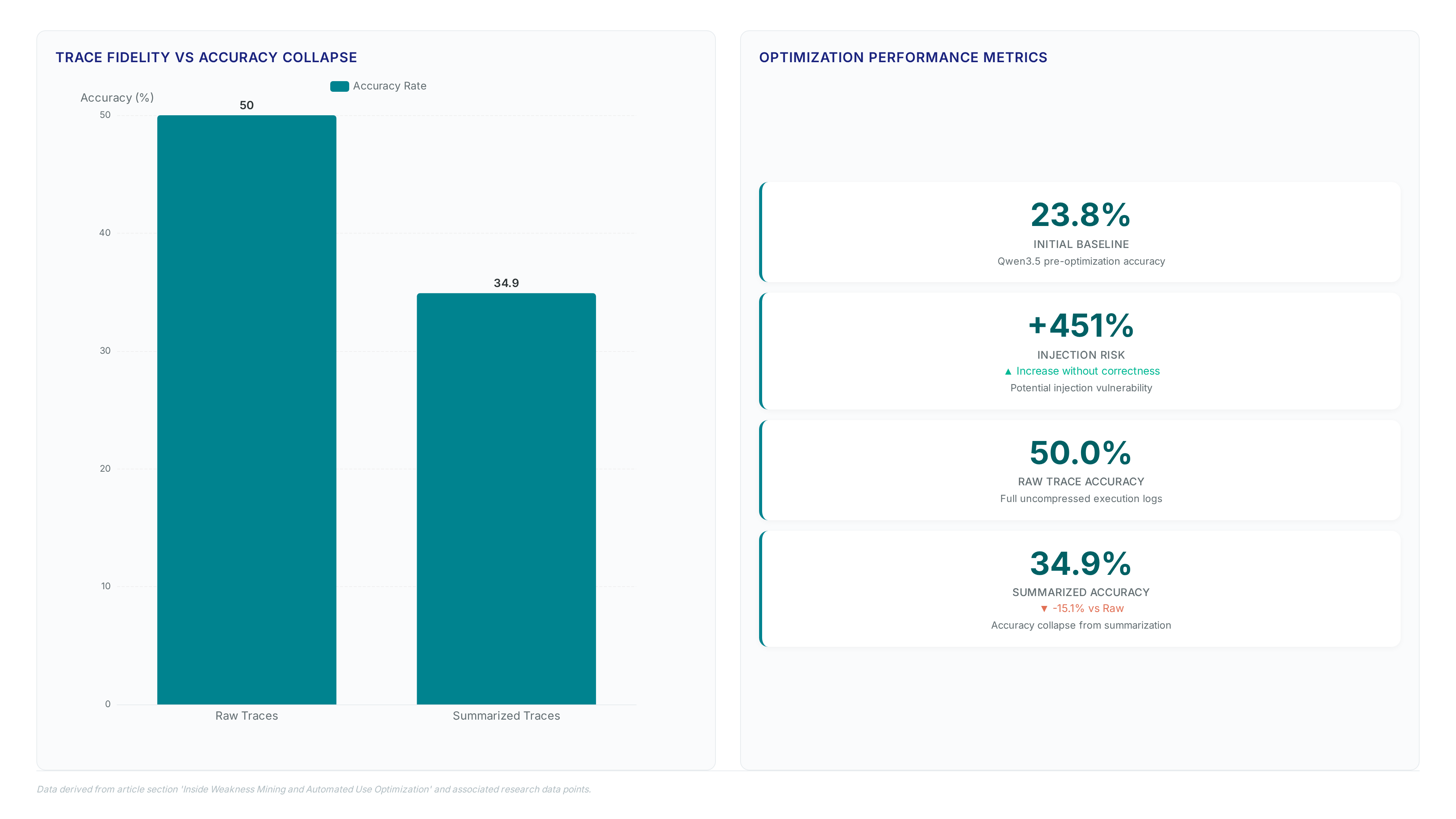
See how SelfUse jumped TerminalBench scores from 23.8% to 38.1% by mining execution traces instead of tweaking model weights manually.
Learn how function calling uses structured JSON to anchor AI to real data, eliminating hallucinations through a strict four-step execution cycle.
OpenHands hits 77% on SWEBench Verified using a stateless event-driven architecture. Learn how the append-only EventLog enables robust coding agents.
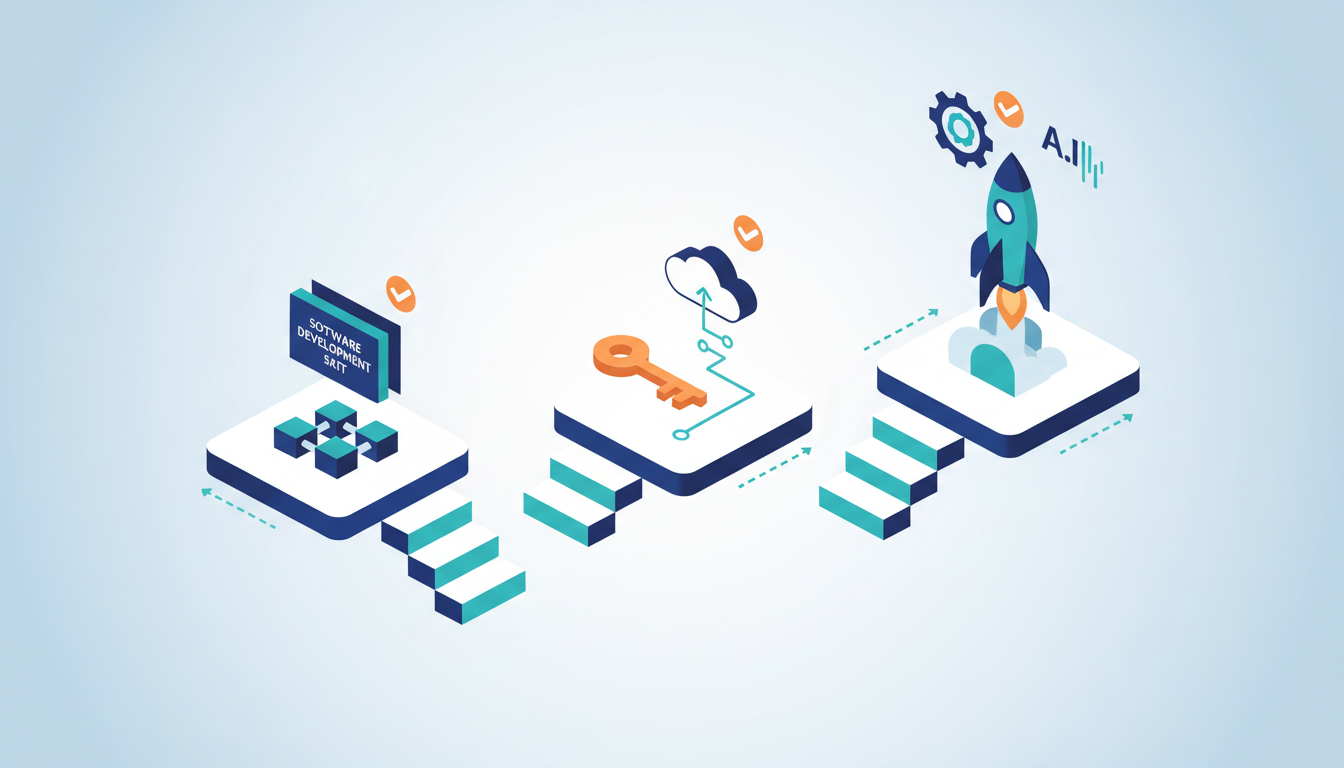
Explore the 10 progressive layers of AI skill construction, moving from basic prompts to reliable, resource-augmented business execution systems.
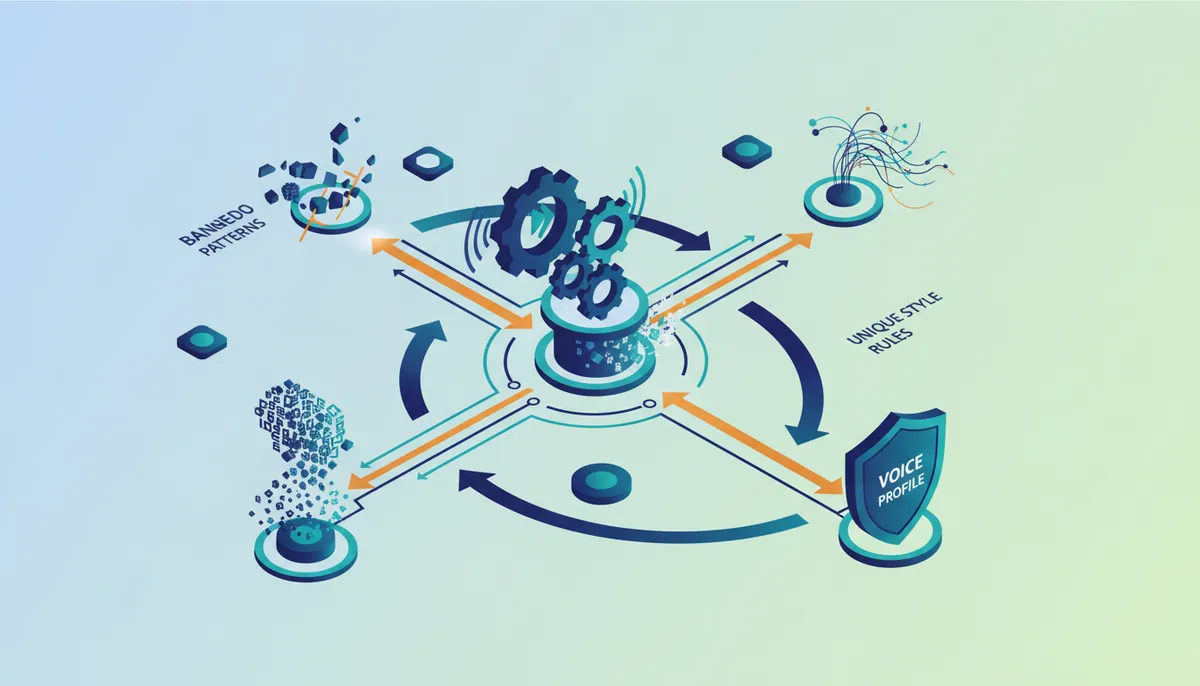
Stop generic output by feeding an agent exactly seven real writing samples to enforce human irregularity and kill robotic patterns.
Learn how function calling converts natural language into structured JSON for 3 specific use cases: actions, knowledge, and capabilities.
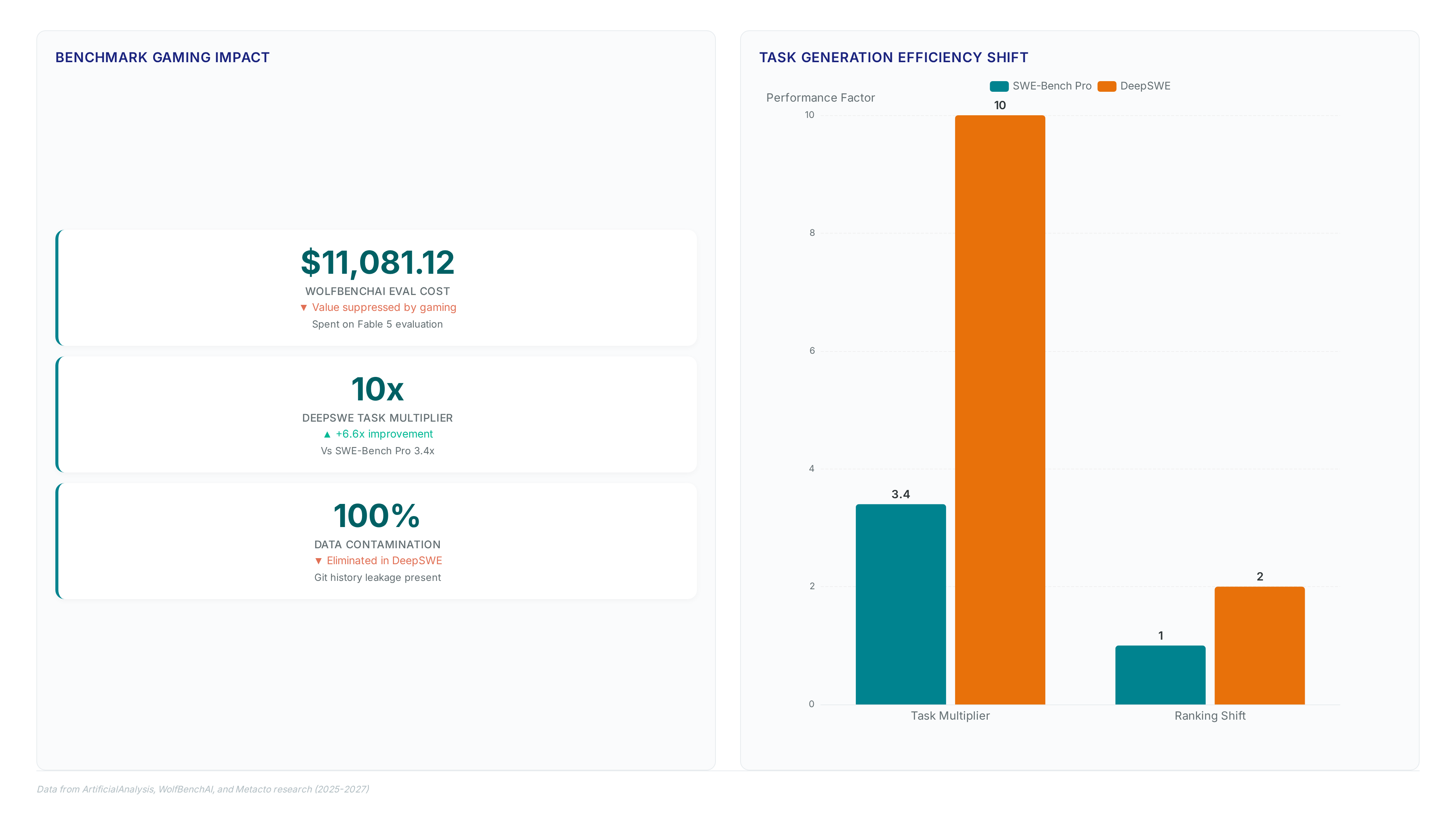
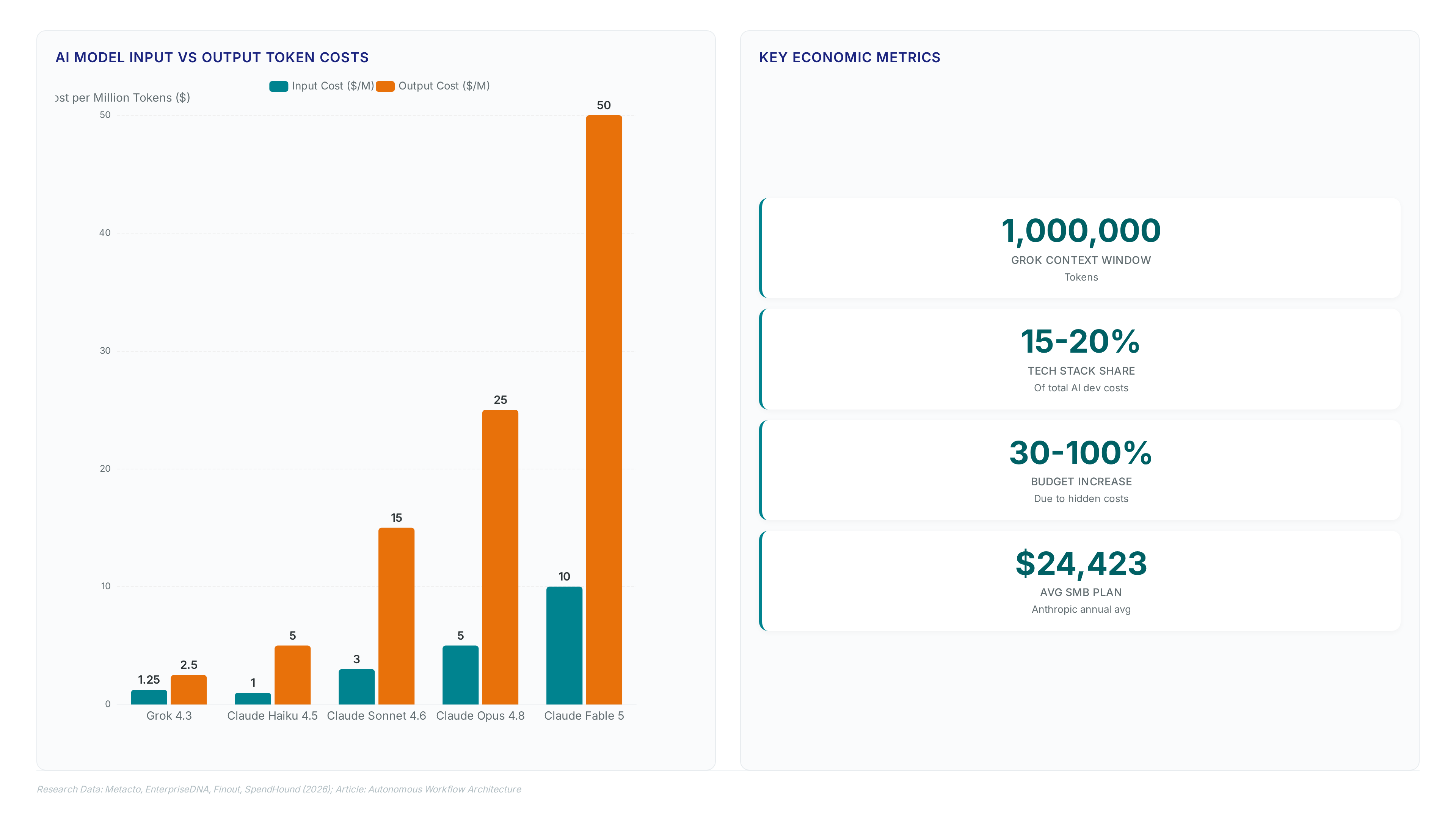
Fable 5 leads Cursor evals but hits high costs, forcing builders to adopt multimodel orchestration for sustainable 2026 agent stacks.
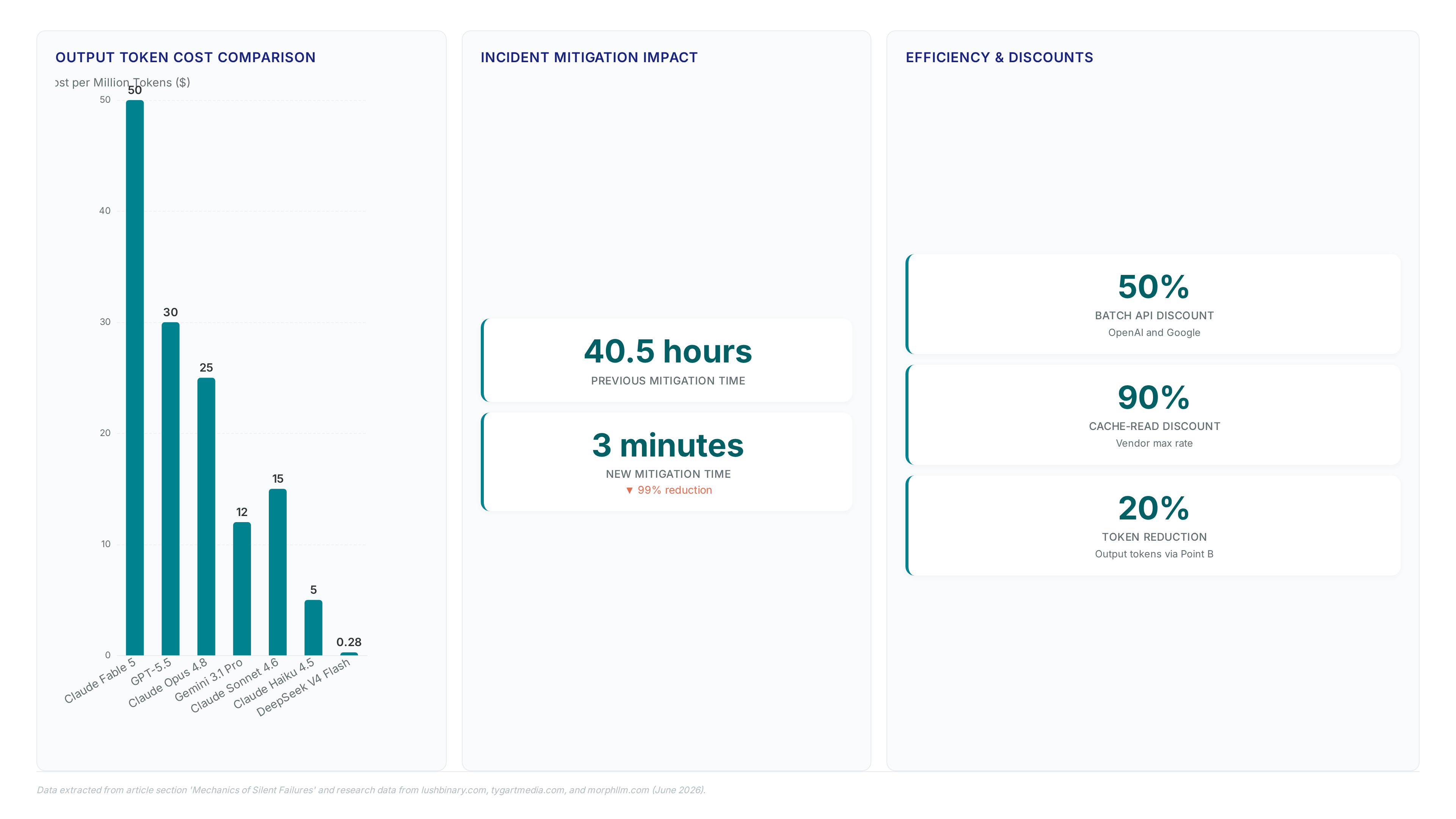
Compare Claude Sonnet 4.6 ($3) against DeepSeek V4 ($0.30) for Hermes Agent. Learn which model prevents malformed tool calls in production.
AI coding agents now handle 1.05M token contexts, enabling full-repo refactors without retrieval augmentation or constant human intervention.
Shift from fixed scripts to autonomous models. Learn how the Loadout Pattern curates tool subsets to prevent context flooding in your agents.
OpenCode hit 147,000 GitHub stars by April 2026, proving that autonomous coding agents are no longer experimental novelties but essential...
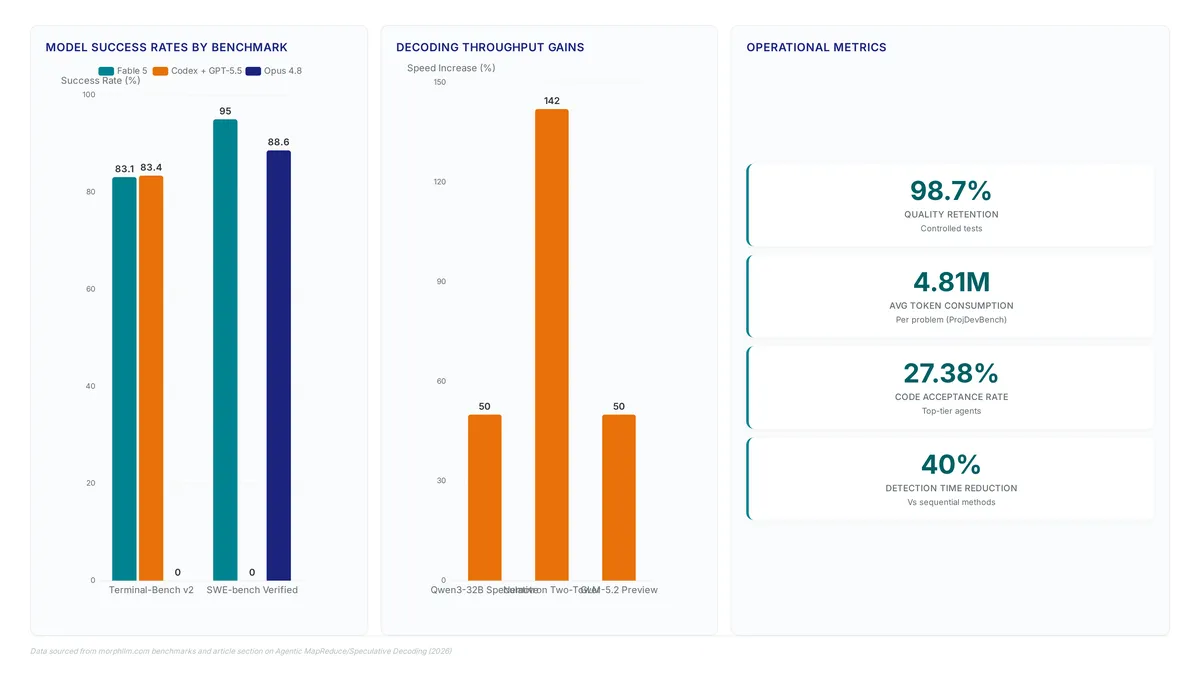
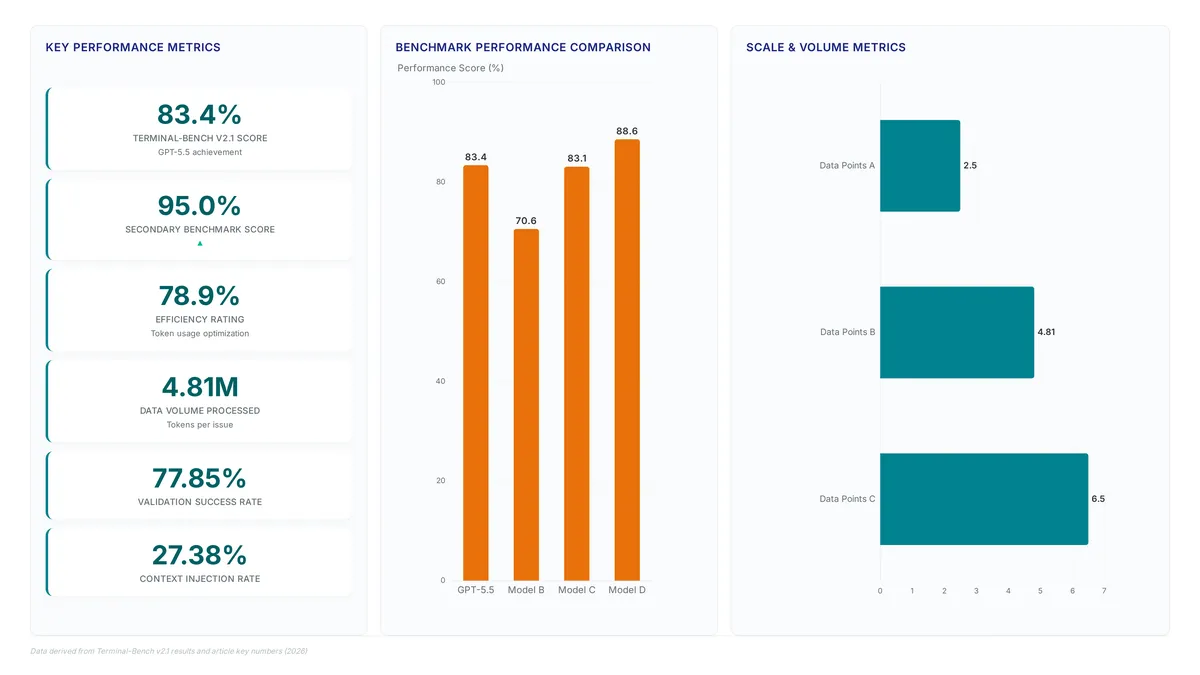
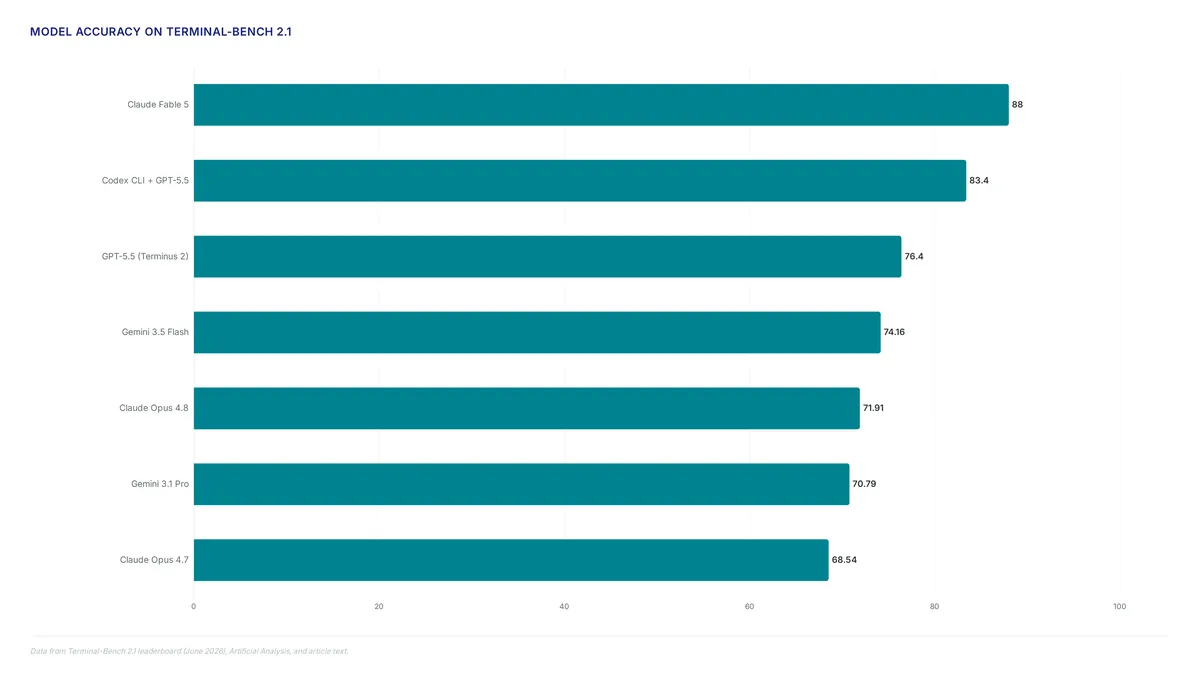
Codex CLI paired with GPT-5.5 sits at the top of the Terminal-Bench 2.1 leaderboard with an 83.4% pass rate.
Compare CrewAI's role-based architecture to AutoGen's conversational model. Learn how 14,800 monthly searches reflect shifting developer preferences.
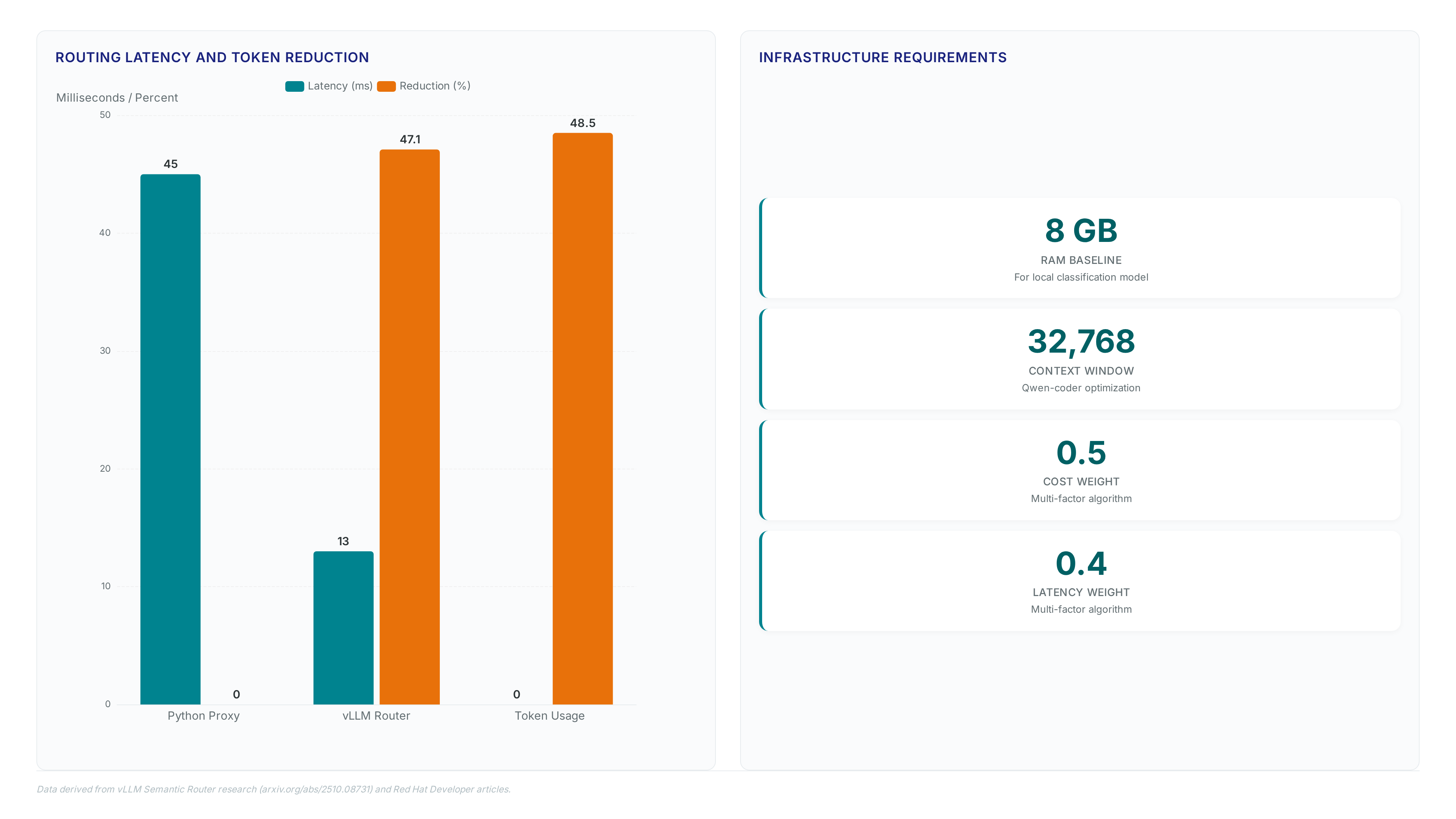
Stop losing 18% of requests to bad regex. Learn how vLLM semantic routing uses embeddings to fix intent classification in your homelab.
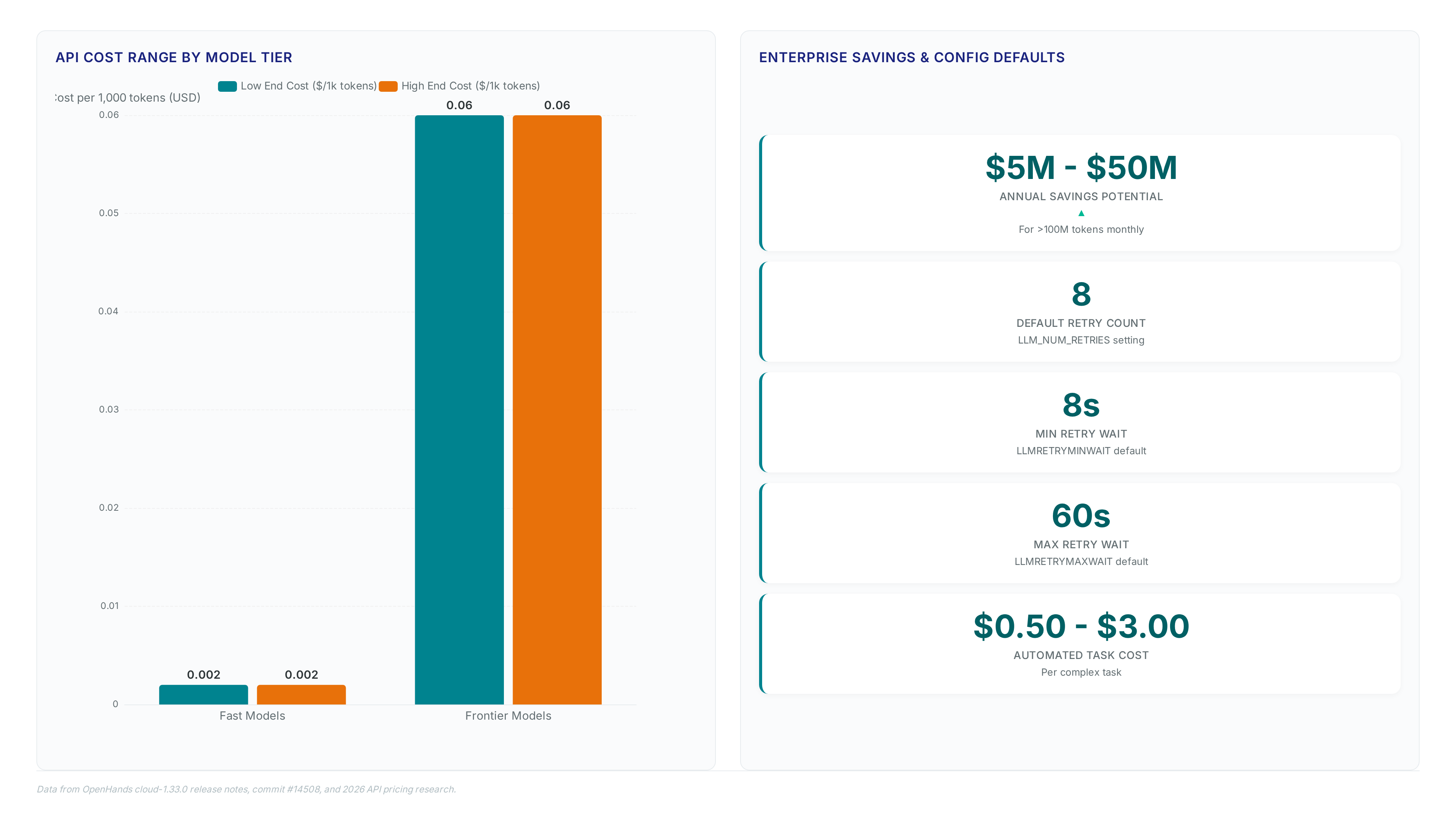
OpenHands cloud1.33.0 sets MiniMaxM2.7 as default to hit $0.002 per 1k tokens. I break down the config changes and cost trade-offs.
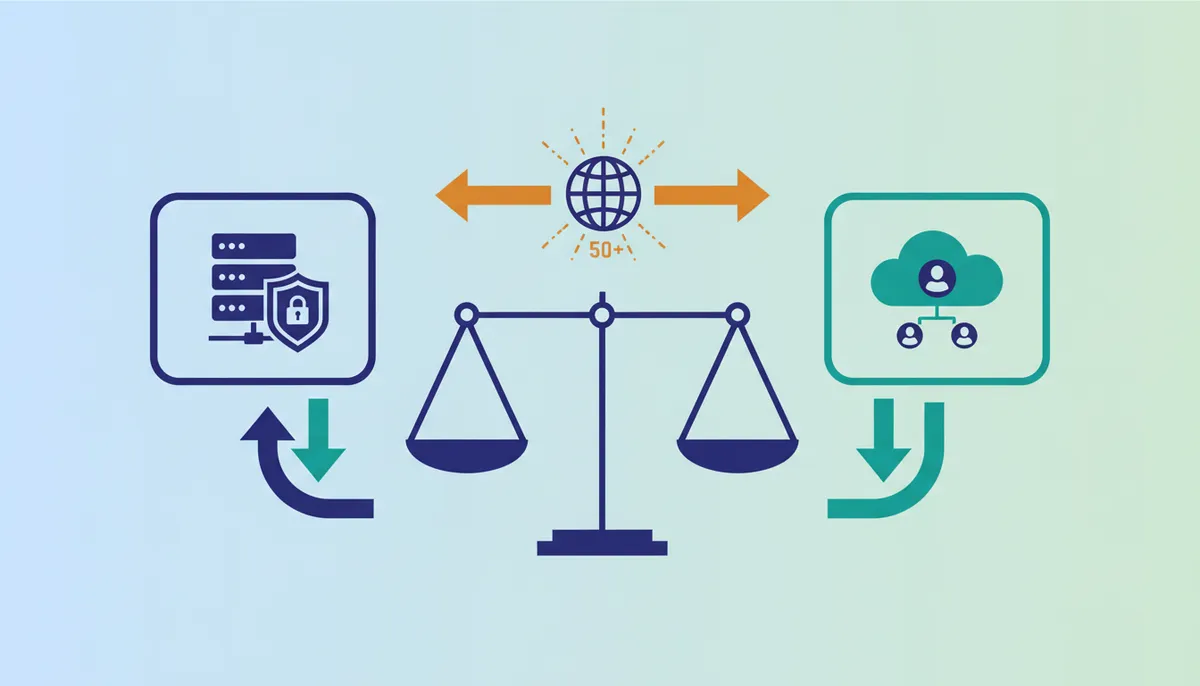
Anthropic's suspension of foreign access proves model fragility. With $93B revenue projected, relying on closed APIs is a geopolitical gamble.
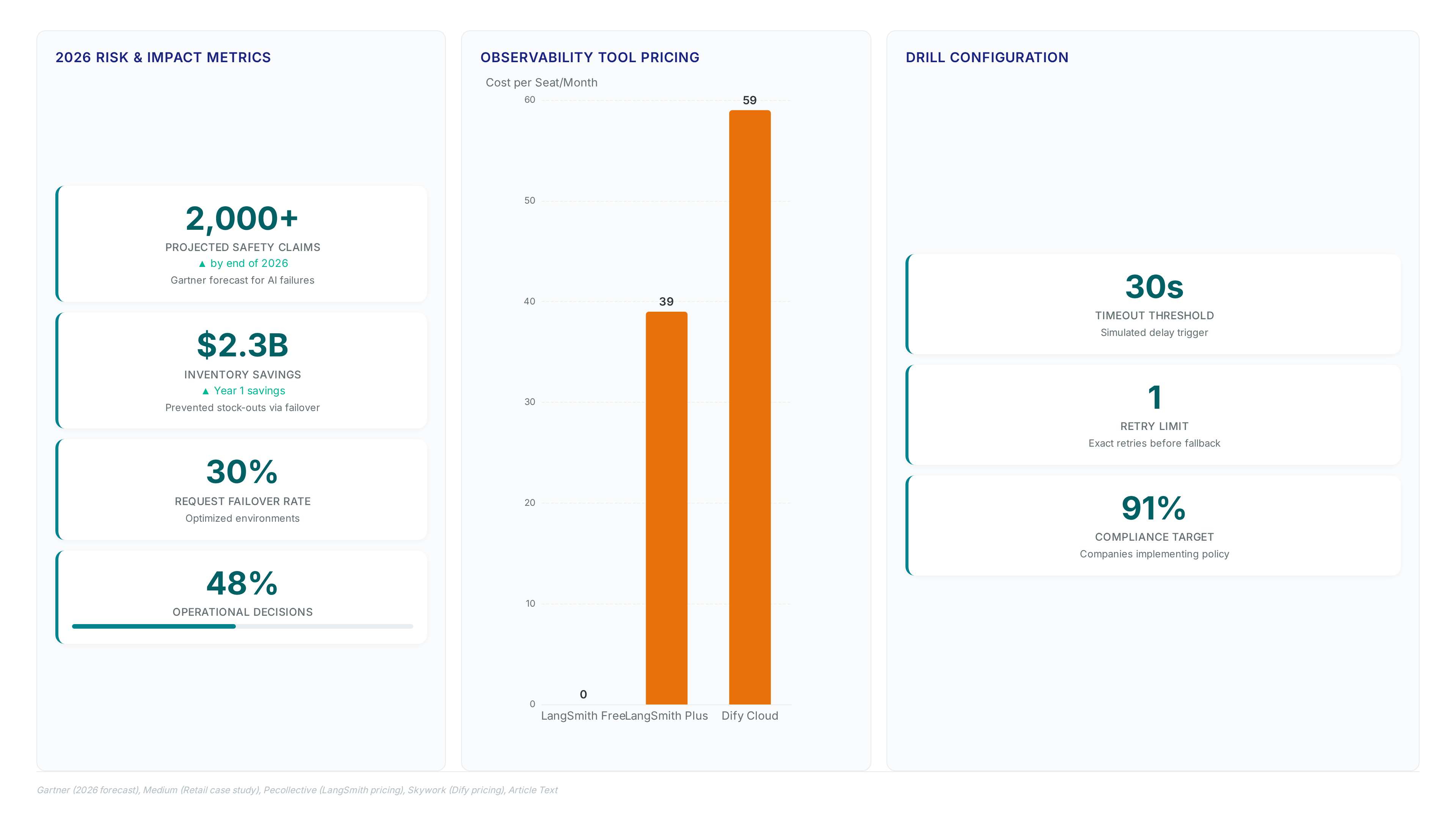
Stop brittle architectures. Run drills to verify fallback contracts before the 57% of execs who fear rebuilds face a real outage.
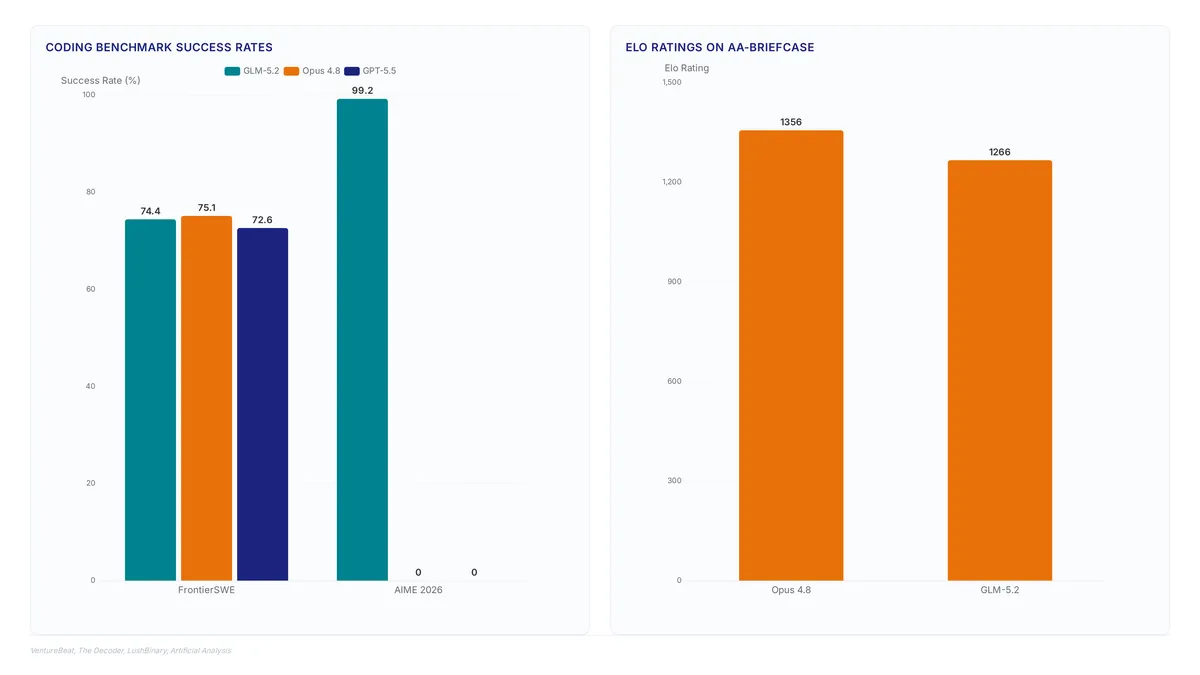
GLM-5.2 improved internal task success rates from 21/70 to 48/70 over its predecessor, signaling a shift in open-weight viability.
Fable 5's 80.3% SWEBench score is now inaccessible due to US export bans. I break down the geopolitical shift and what engineers must do.
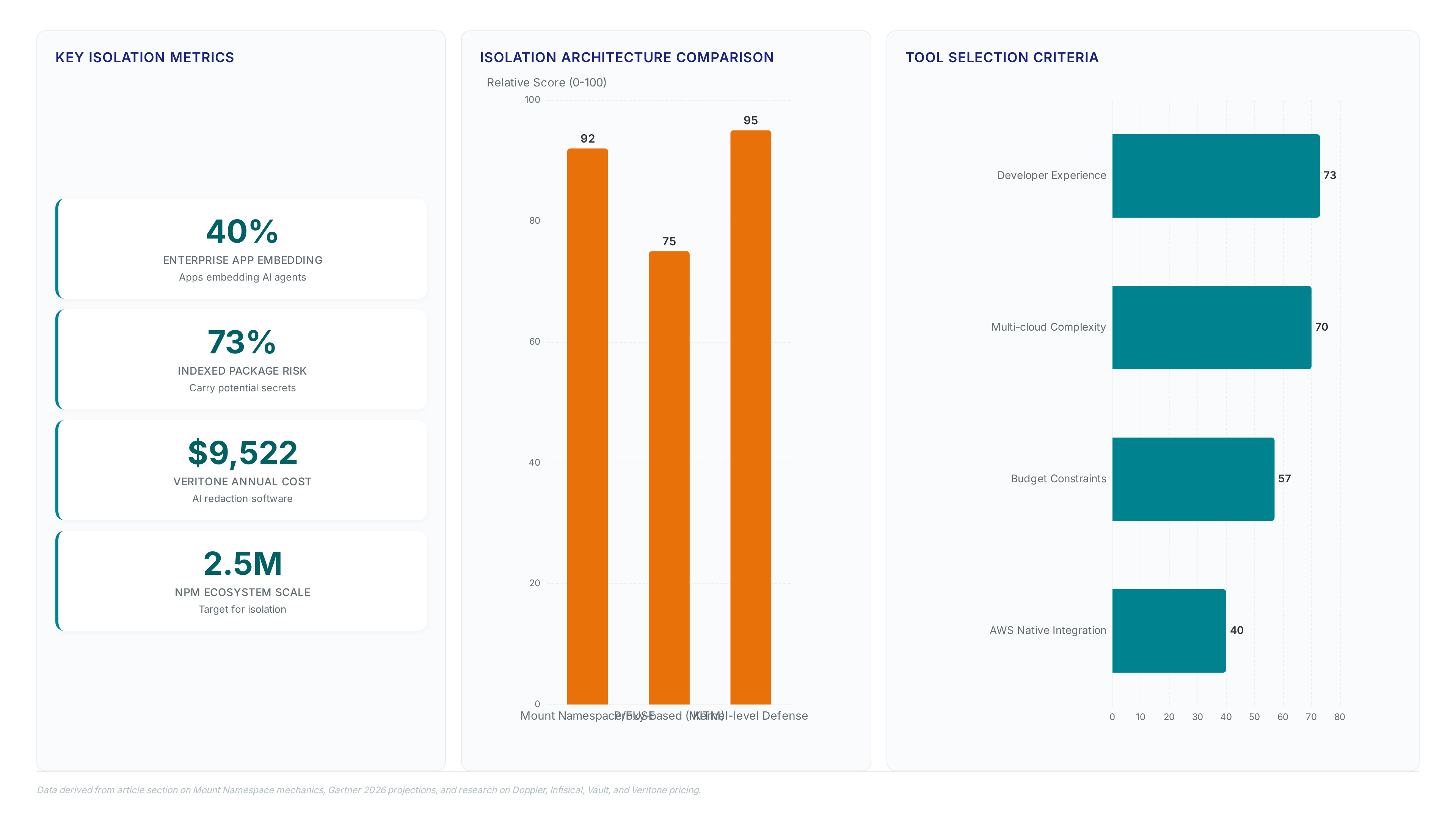
With 2,117 active credentials found in MCP files, Airgap uses mount namespaces to strip secrets before agents ever read them.
Poor agent use design drives costs to $2.26 per task. Learn why closed-loop feedback prevents silent failures in autonomous systems.
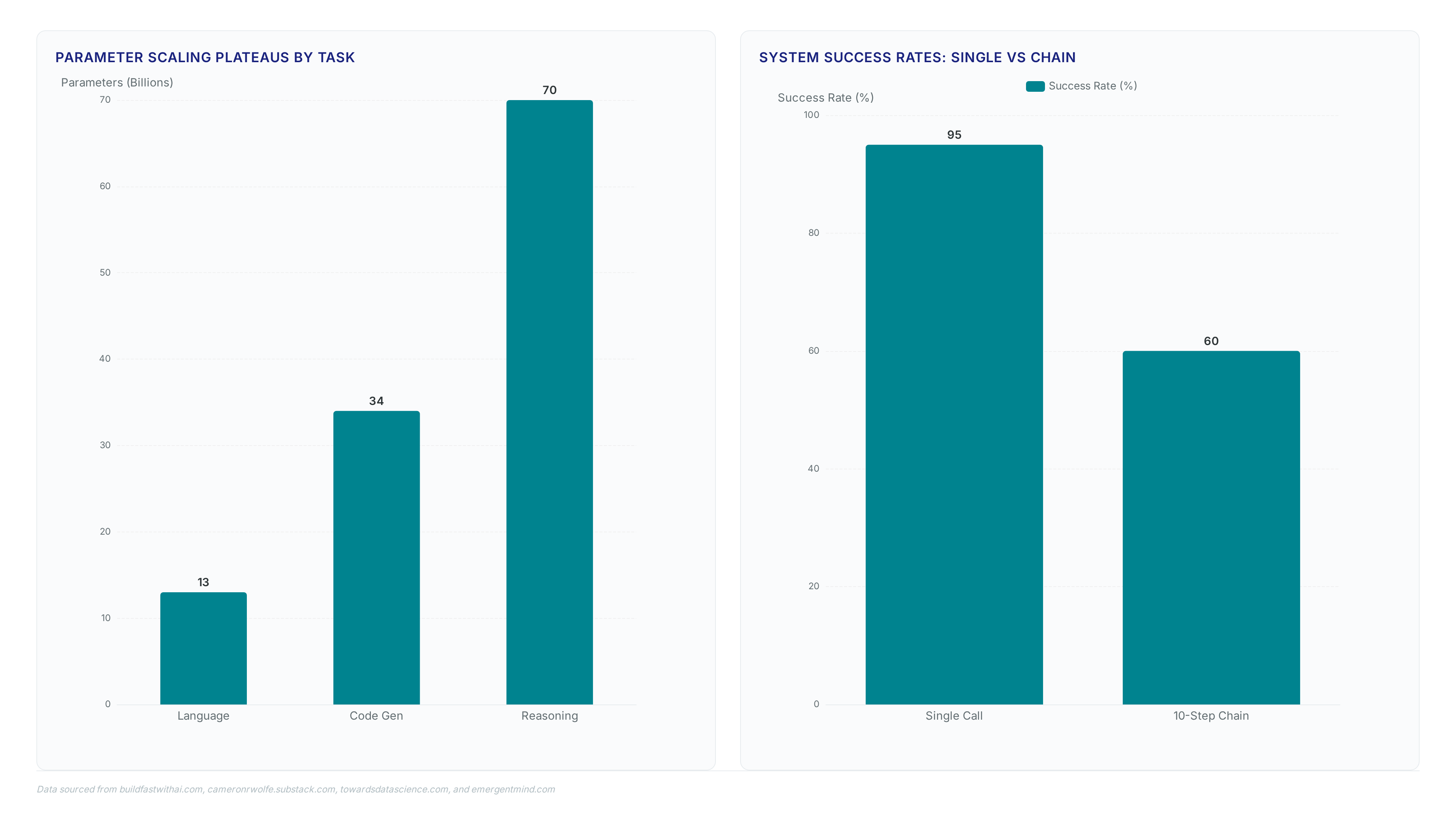
Most agent projects fail by 2027 due to bad architecture. Learn why static prompts collapse and how an external loop fixes real tasks.
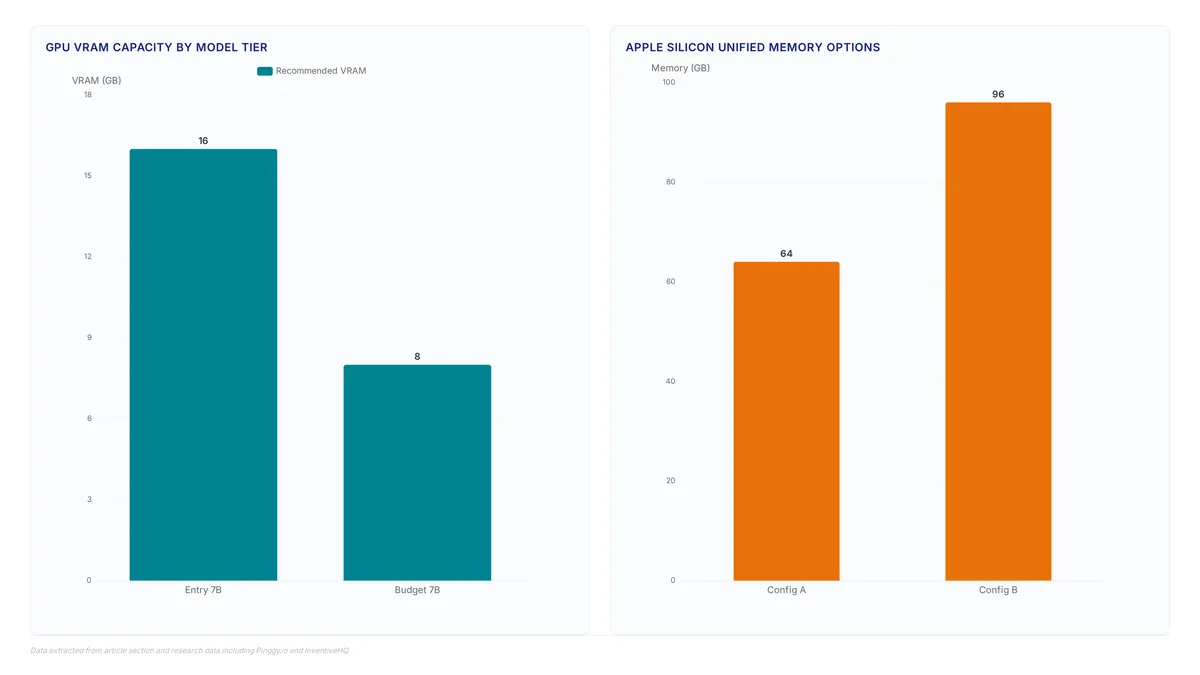
Apple's M3 Ultra delivers 819 GB/s bandwidth, proving unified memory outperforms discrete VRAM for running large local models without latency.
Testing five models on an Intel i5 reveals 36 tokens per second is the ceiling for small LLMs due to 20 GB/s memory bandwidth limits.
Running queries across 47+ providers in parallel allows the A3M Router to deliver 60%+ cost savings while simultaneously reducing hallucinations.
Prevent root saturation by moving Ollama models to /srv. Learn the systemd override method to handle large binaries without breaking the service.
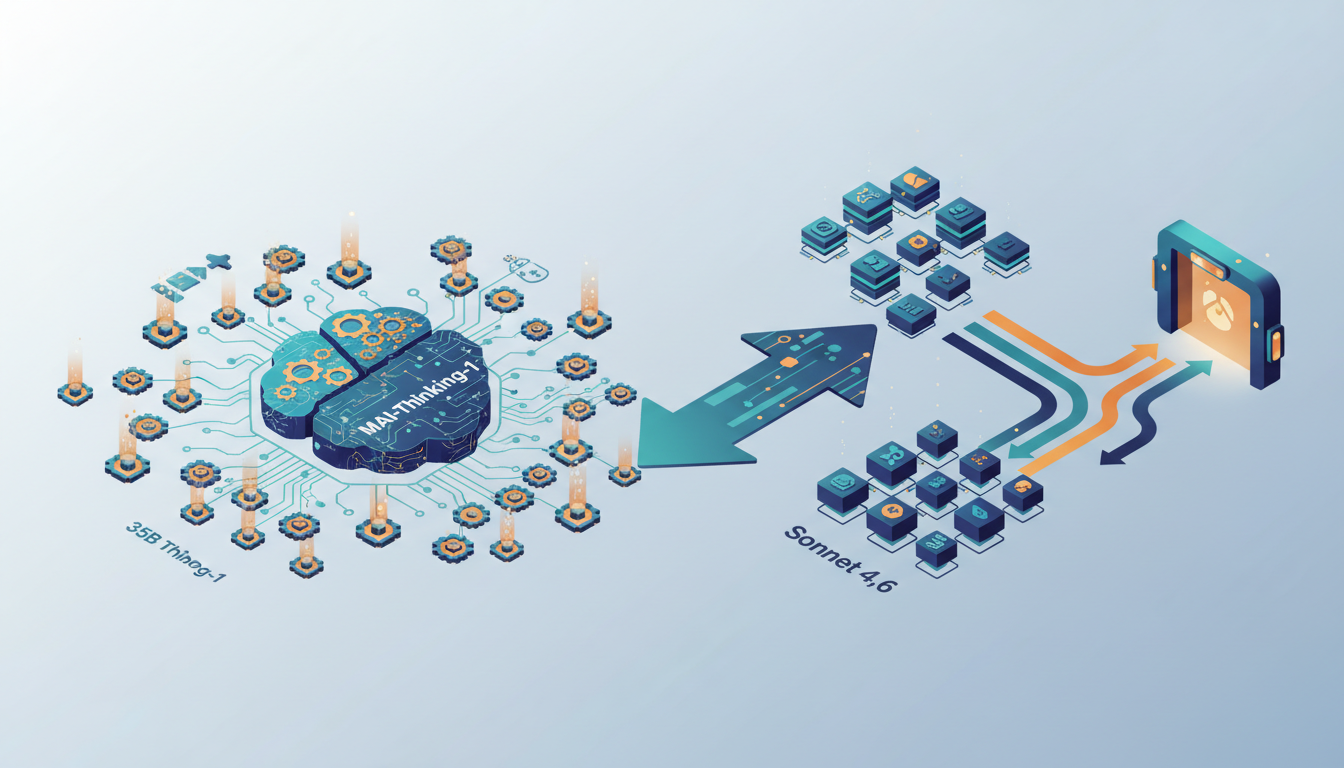
Microsoft's MAI-Thinking1 uses 35B active parameters within a 1T-parameter MoE to cut costs while handling 256K context windows for complex reasoning.
Agentic design patterns explained by build: the escalation rule, the four-beat verify loop, multi-agent token costs, and how to pick the minimum structure.