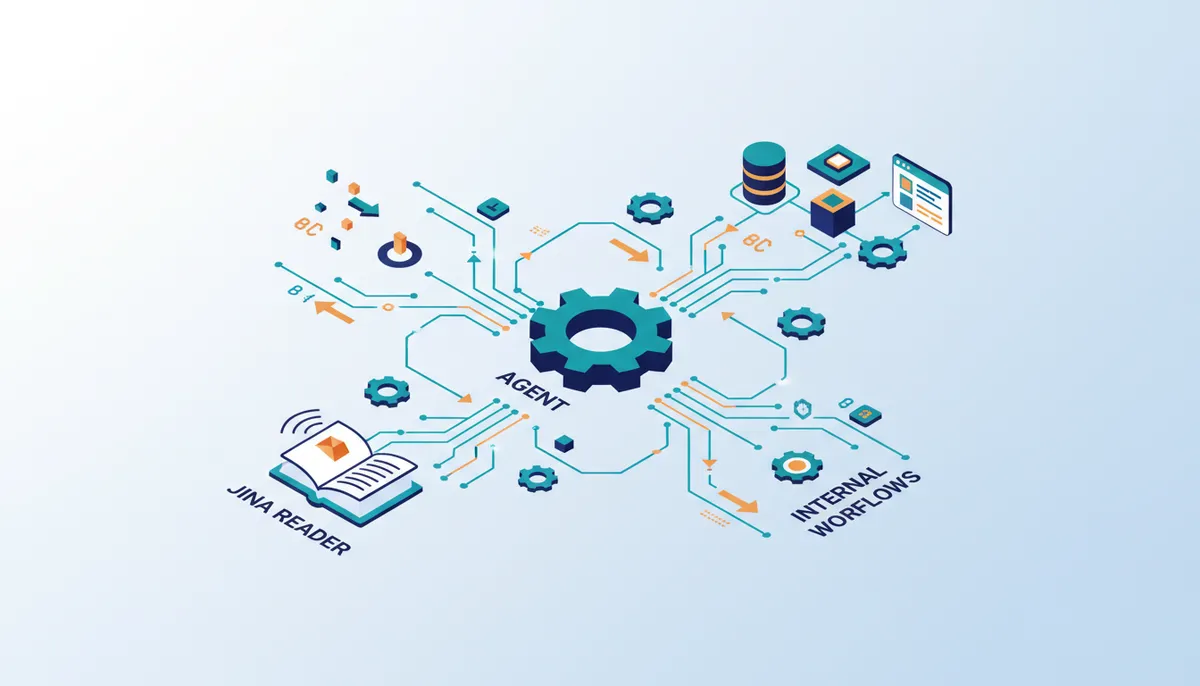
Agent tools: Why 53 functions beat raw model size
The APIBank benchmark tests 53 distinct tools to prove agent competence relies on tool access, not just parameter count or model size.

Discover the 5 specific components required to build AI agents that match junior employee output quality without falling for industry hype.
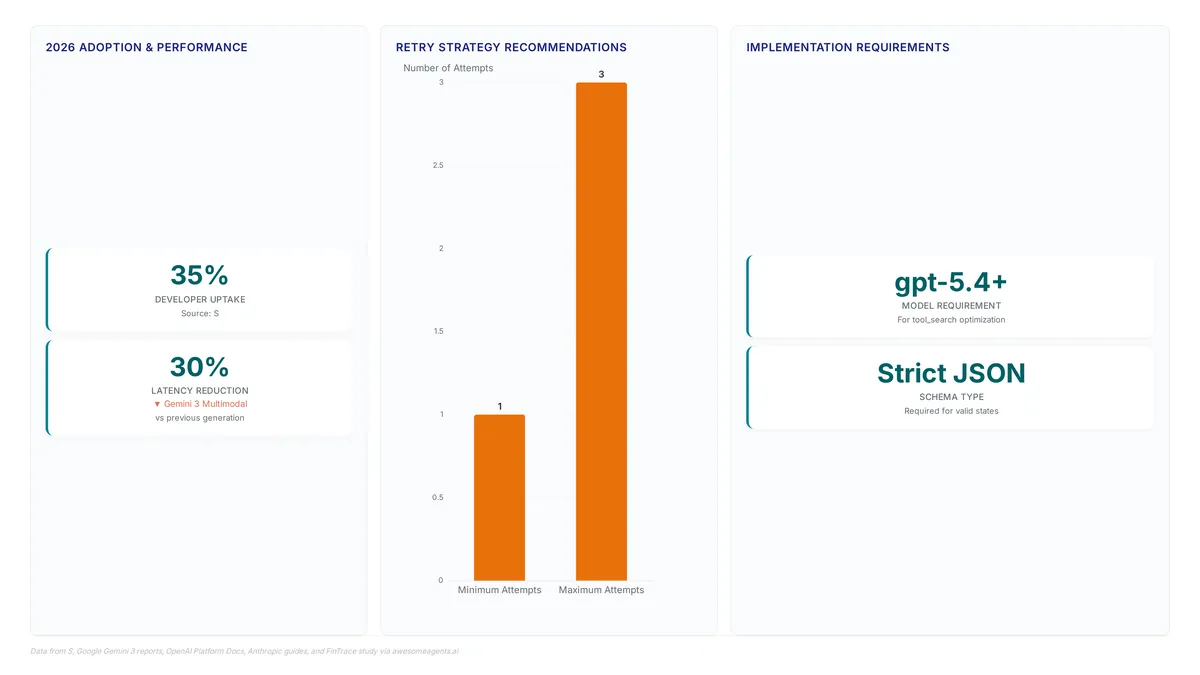
Testing dozens of platforms reveals 35% of work can now be automated. Learn how agentic tools adapt when errors occur versus rigid scripts.
Anthropic data shows successful agentic systems split workflows from agents. Learn why simple patterns beat complex frameworks for control.
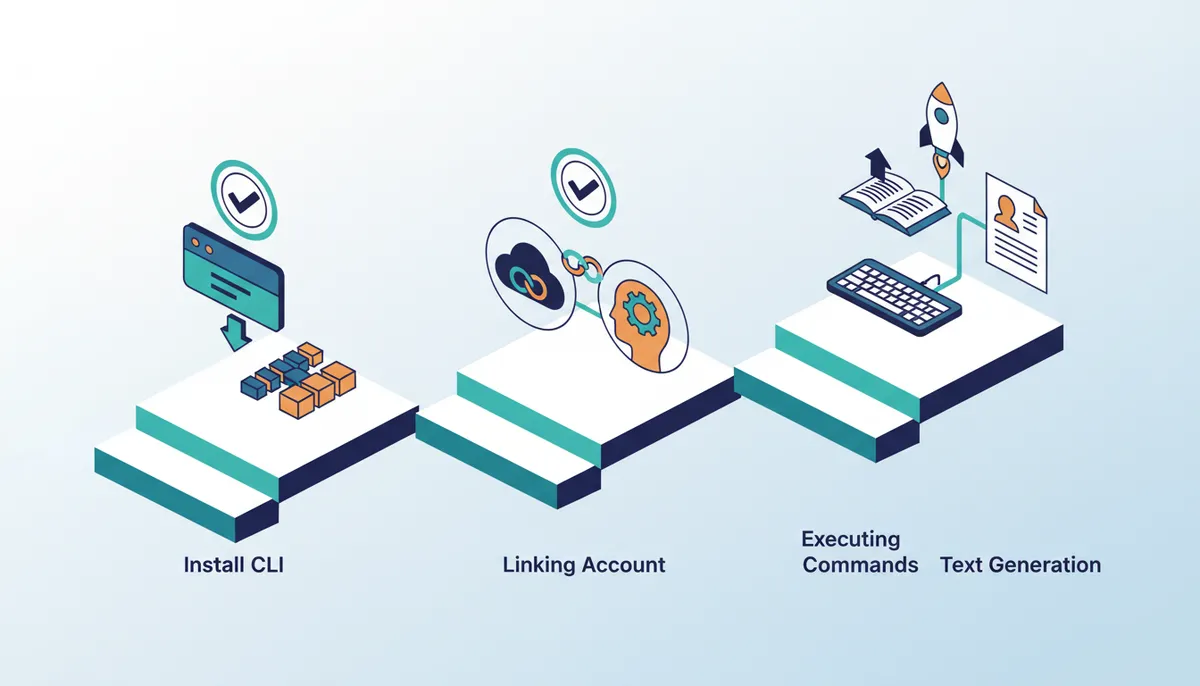
Connect coding agents to 1000+ SaaS apps without token-heavy protocols. Learn how CLI tools enable reliable, local-first automation for Ollama.
GitHub Copilot serves 15 million developers, yet true AI coding agents now plan multi-step tasks without hand-holding.
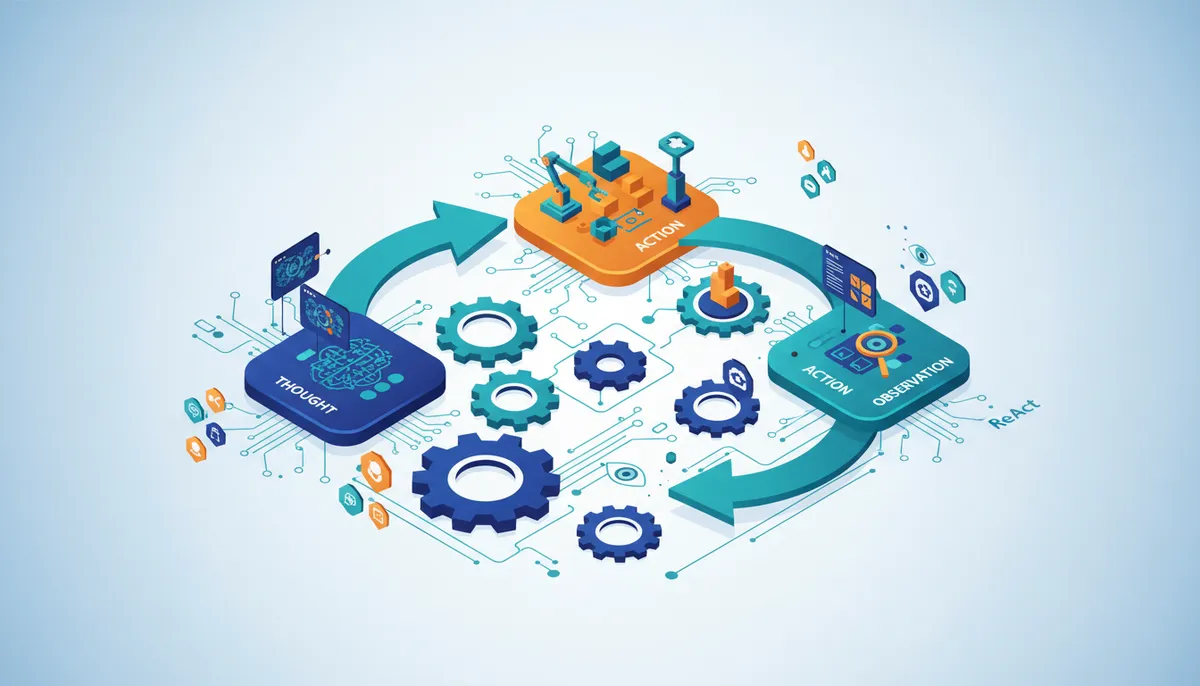
Learn how the Thought-Action-Observation loop powers 177,000+ tools, shifting agents from static text to modifying external system states safely.
Executable functions let models bypass training cutoffs to fetch live data, preventing hallucinations when users request current events or facts.
OpenAI's Agents SDK defines exactly five tool categories. Learn how namespaces separate hosted execution from local runtime for better token efficiency.
Distinguish custom function tools from sandboxed Code Interpreter runtimes to prevent treating external connections as identical black boxes in agents.
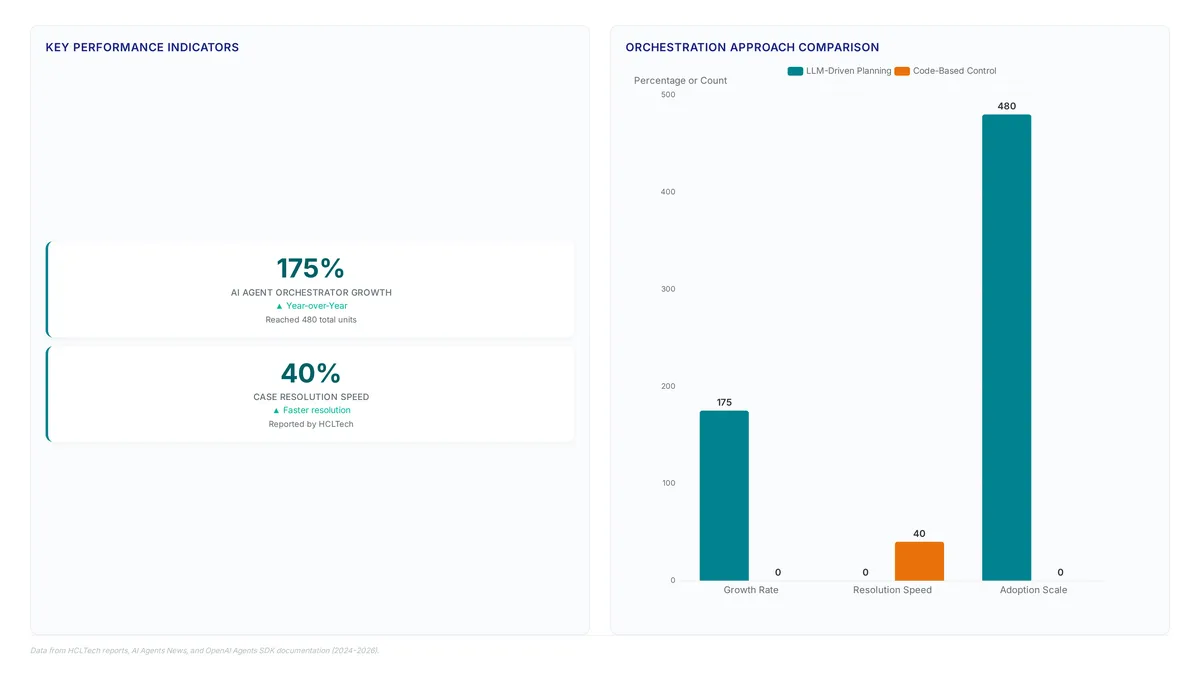
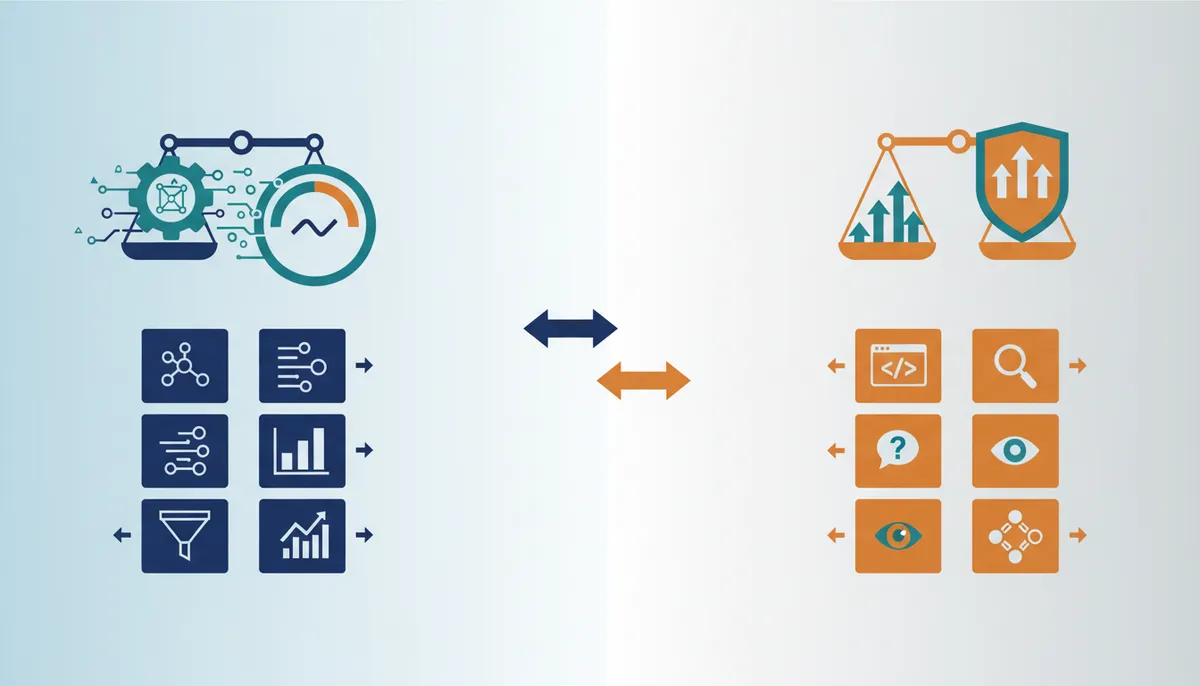
Search interest hit 480 monthly US searches by May 2026. Learn when to use code-based guards versus LLM planning for reliable agent flow.
With 85% of orgs integrating agents, picking the right framework dictates if your system scales or collapses under context limits.
Compare MLflow, DeepEval, and Ragas for agent evaluation. Learn why trace-aware scoring beats binary checks on 30M+ monthly downloads.
BenchLM.ai evaluates function calling across 24 agentic benchmarks to measure precision in tool invocation and terminal task execution for AI agents.
You can build a production-ready Slack agent using Chat SDK and AI SDK without managing complex infrastructure.
Connect OpenAI Agents SDK to OpenRouter MCP. This setup unlocks 13 tools while managing OAuth and token refresh cycles automatically.
Agent requests often take 30 to 120 seconds, far exceeding the 50ms standard. Learn to build tool contracts that handle this nondeterministic latency safely.
Stop capability hallucination by grouping builtin and MCP tools into sets. This control layer ensures agents select only relevant functions before execution.
Optimized frameworks slash redundant tool calls from 98% to 2%. Learn how structured schemas and event-driven resumption build reliable AI agents.
With 170,000 GitHub stars, OpenCode grows fast. Learn why default tool settings allow unrestricted bash access and how to enforce approval.
Dissect five leading multiagent platforms, comparing how they manage state and tool execution for complex, sequential automation tasks.
Learn to build a CircumferenceTool in LangChain. This guide shows how custom tools replace token-based guessing with grounded, repeatable functions.
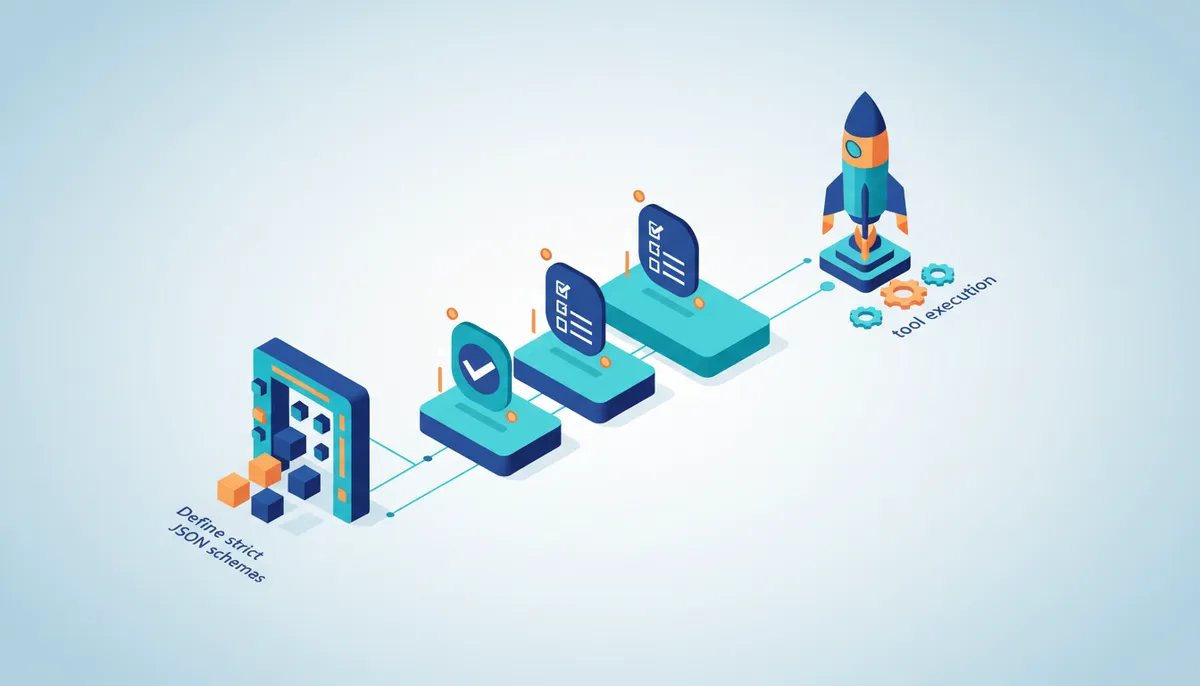
Grok 4.3 returns tool calls in single chunks, enabling atomic parsing. Learn how strict JSON schemas and local execution secure external data flows.
Over 40% of product discovery queries now start in AI tools like ChatGPT and Perplexity, not Google.
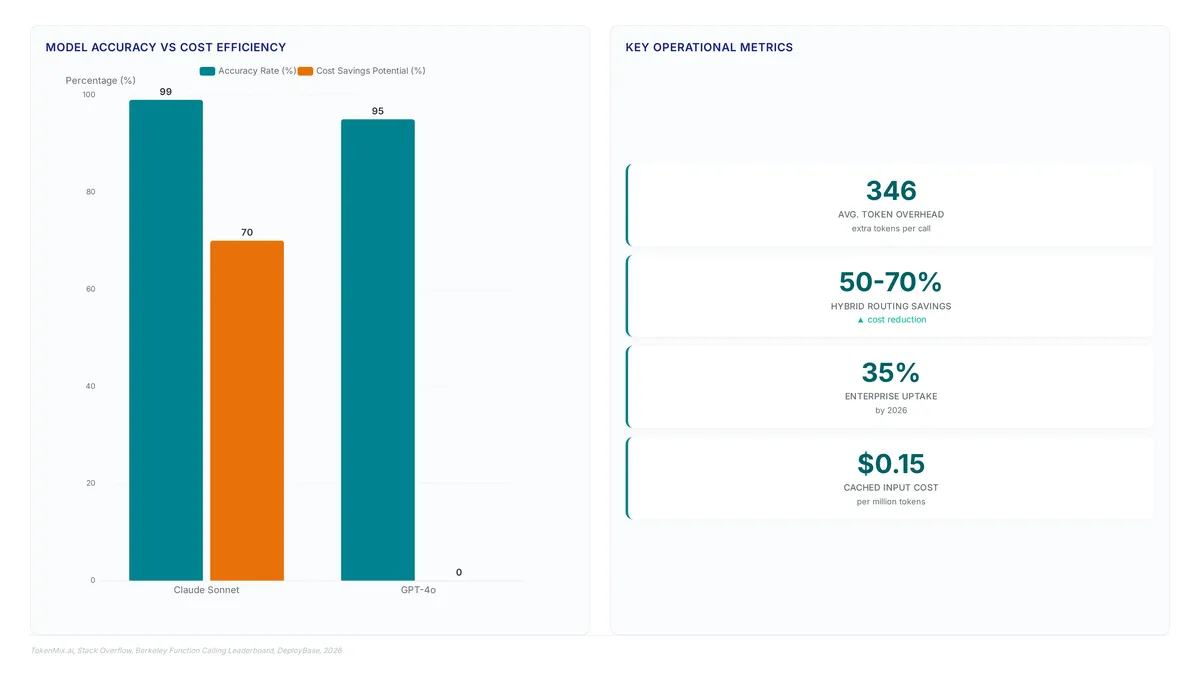
Function calling adds 346 extra tokens per API call. Learn how strict JSON schemas and namespaces reduce this hidden architectural cost for agents.
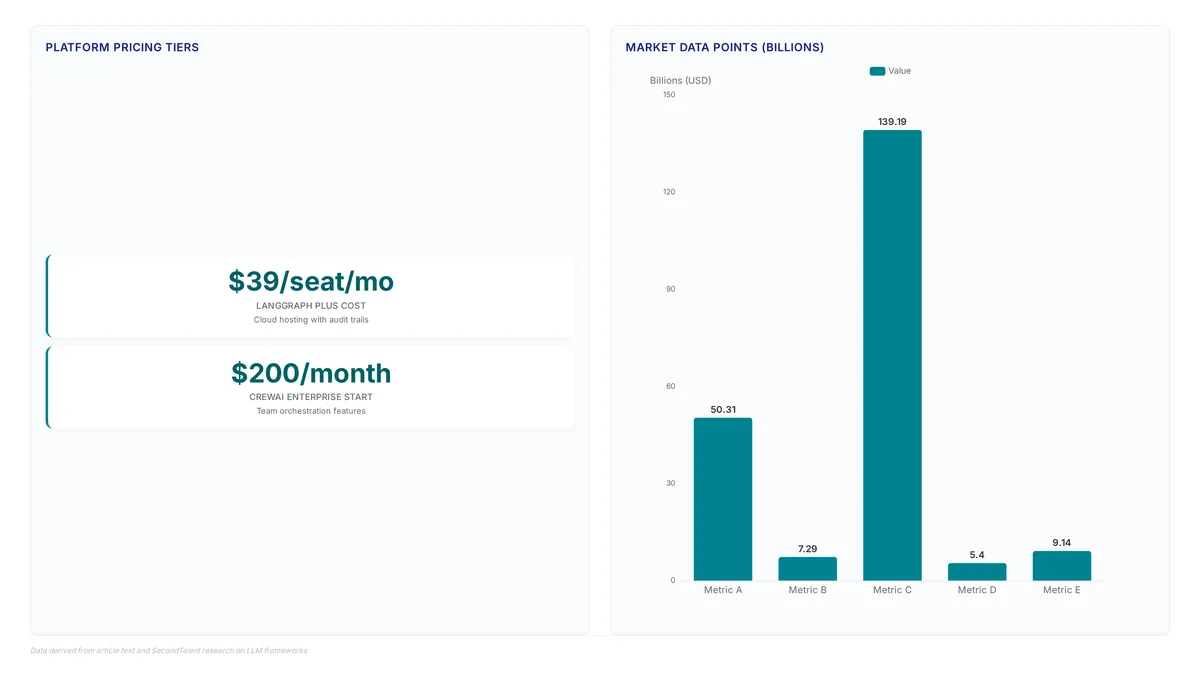
crewAI 1.14.6a1 adds a Skills Repository to decouple logic, addressing fragility in the 79% of businesses already deploying agents.
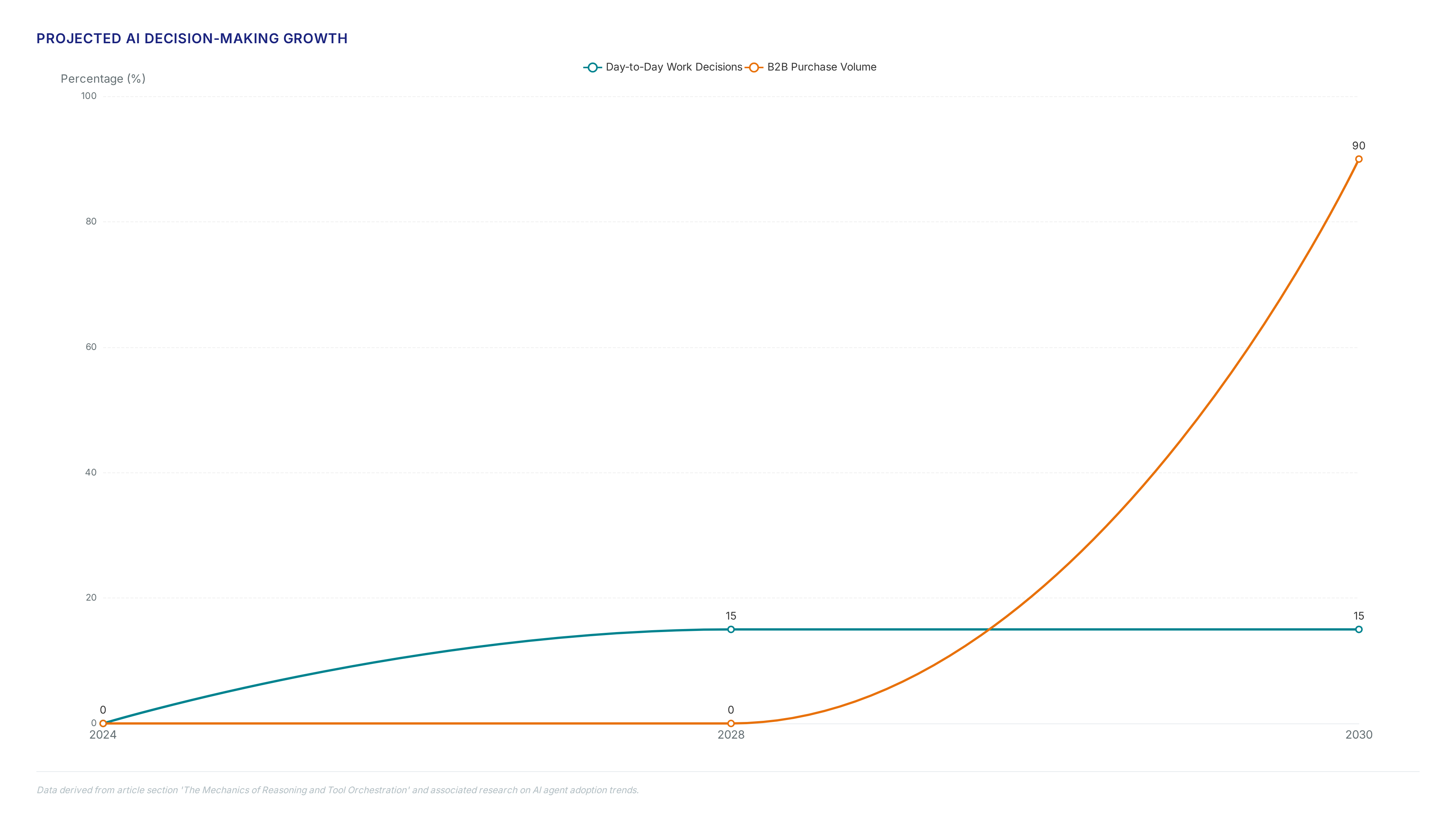
By 2028, Gartner predicts a significant share of daily work decisions will be made autonomously by AI agents.
Over 1,000 papers validate modern agent architectures. Learn how 300+ tools enable reliable autonomy and measurable ROI in production systems.
Learn how six distinct agent tool categories range from low-risk search to high-risk desktop control, plus why Model Context Protocol matters.
Learn how true agents manage workflow execution and halt on failure, distinguishing them from single-turn LLMs that lack error correction.
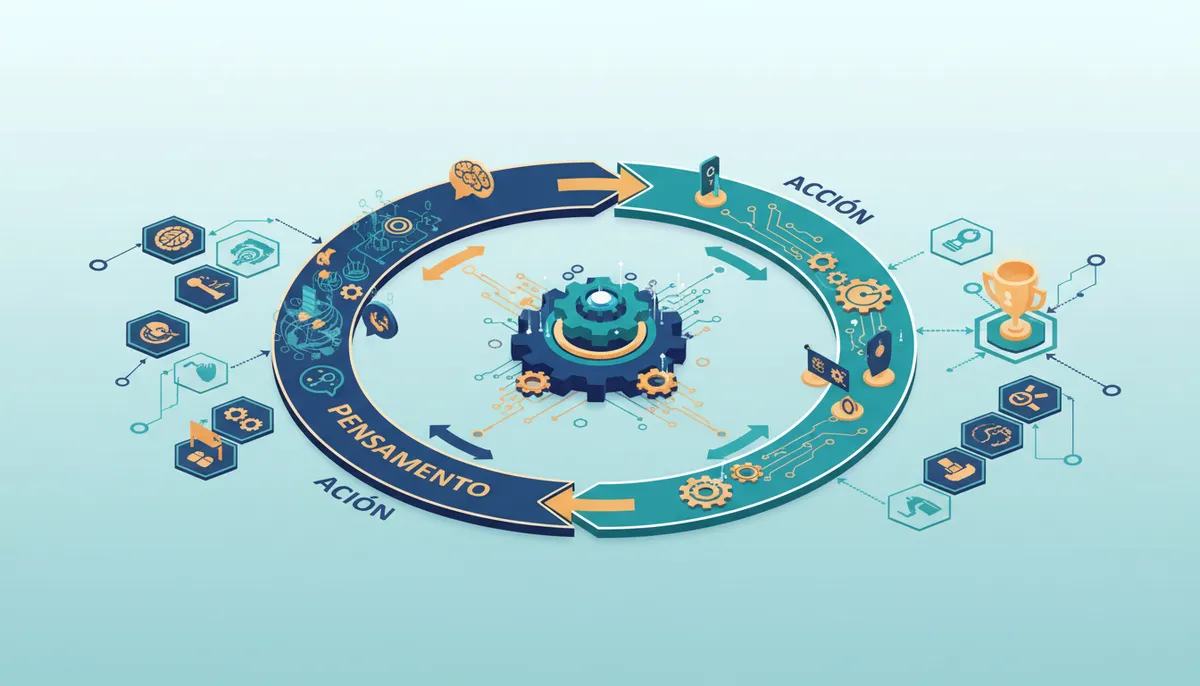
Learn to build an agente de IA using LangChain's ReAct pattern. Discover how the four critical components create reliable, stateful automation.
Data shows single agents falter near 20,000 documents. Learn the ReAct pattern and memory thresholds for robust multi-agent architecture.
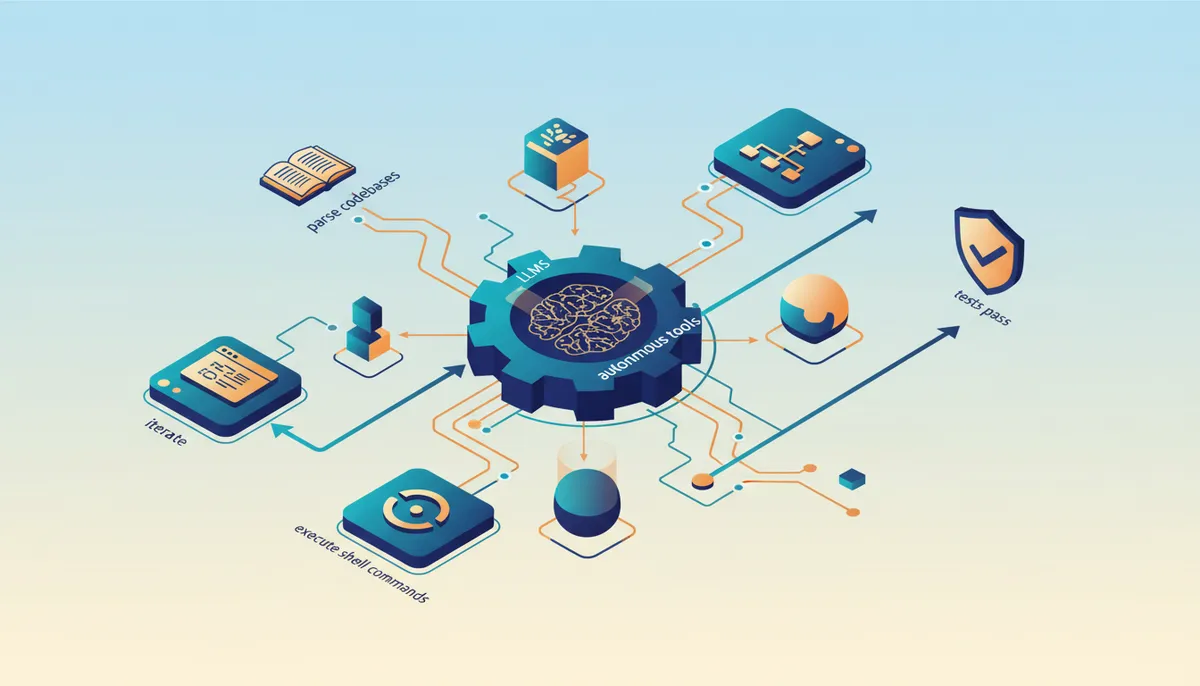
An AI coding agent plans multistep tasks, executes code, and iterates without handholding, moving far beyond simple autocomplete to true agency.
Perplexity removed Comet's paywall in March 2026. Explore free agentic tools that decompose goals and execute sequences without human prompts.
Learn how the tool use pattern lets agents bypass static data limits by executing external code and querying 177,000 tracked tools safely.
Augment Code claims 70.6% accuracy, but real utility depends on execution models. Compare IDE extensions, CLI tools, and cloud security postures here.
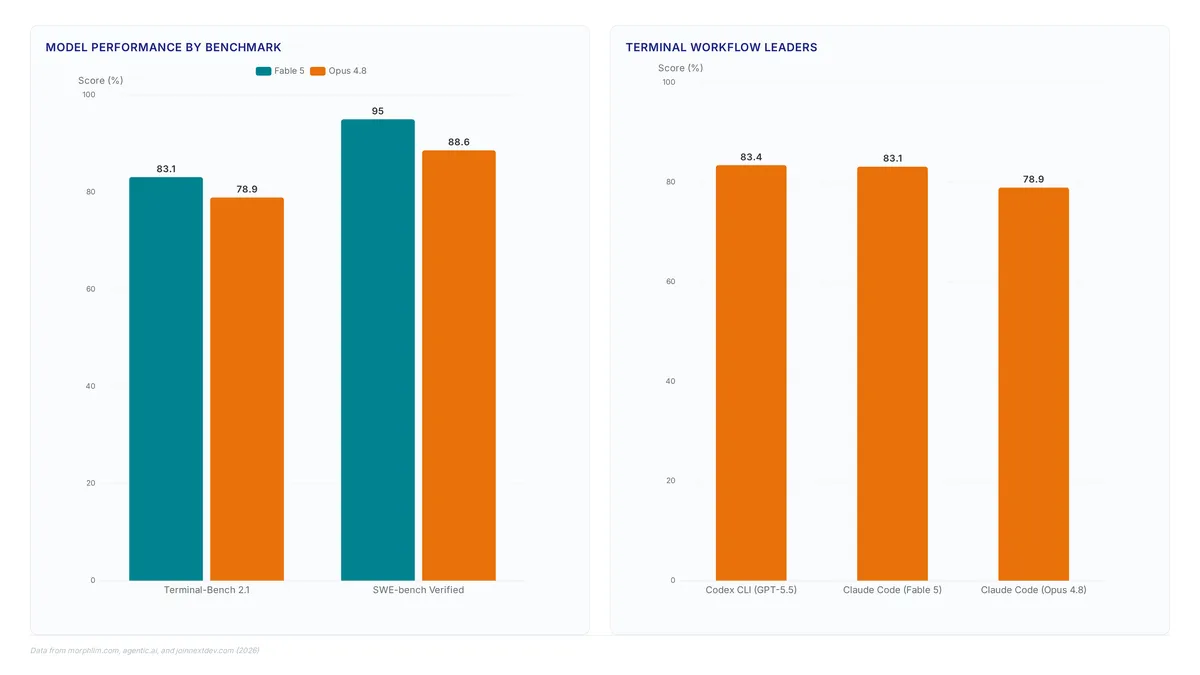
Learn 21 design patterns to fix AI coding agents. While Codex CLI hits 83.4% on benchmarks, internal discipline prevents broken systems.
Late 2025 data shows action-enabling tools are now the majority use case. Learn how nine specific tool categories prevent context window overload.
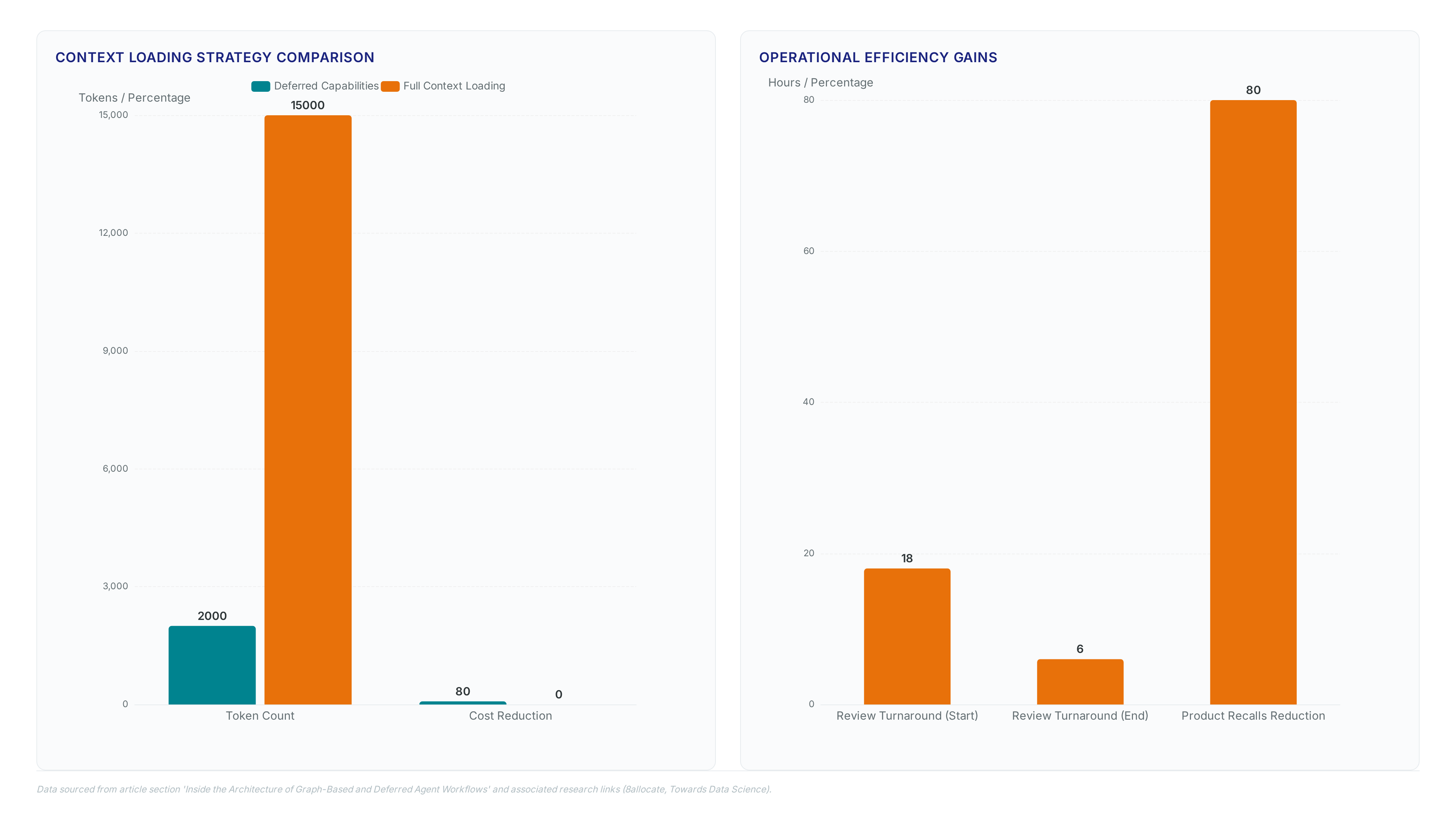
Shift from fixed scripts to autonomous models. Learn how the Loadout Pattern curates tool subsets to prevent context flooding in your agents.
Function calling adds 346 tokens per call, inflating costs for high-volume agents. Learn how OpenAPI schemas and Gemini 3.5 Pro manage this overhead.
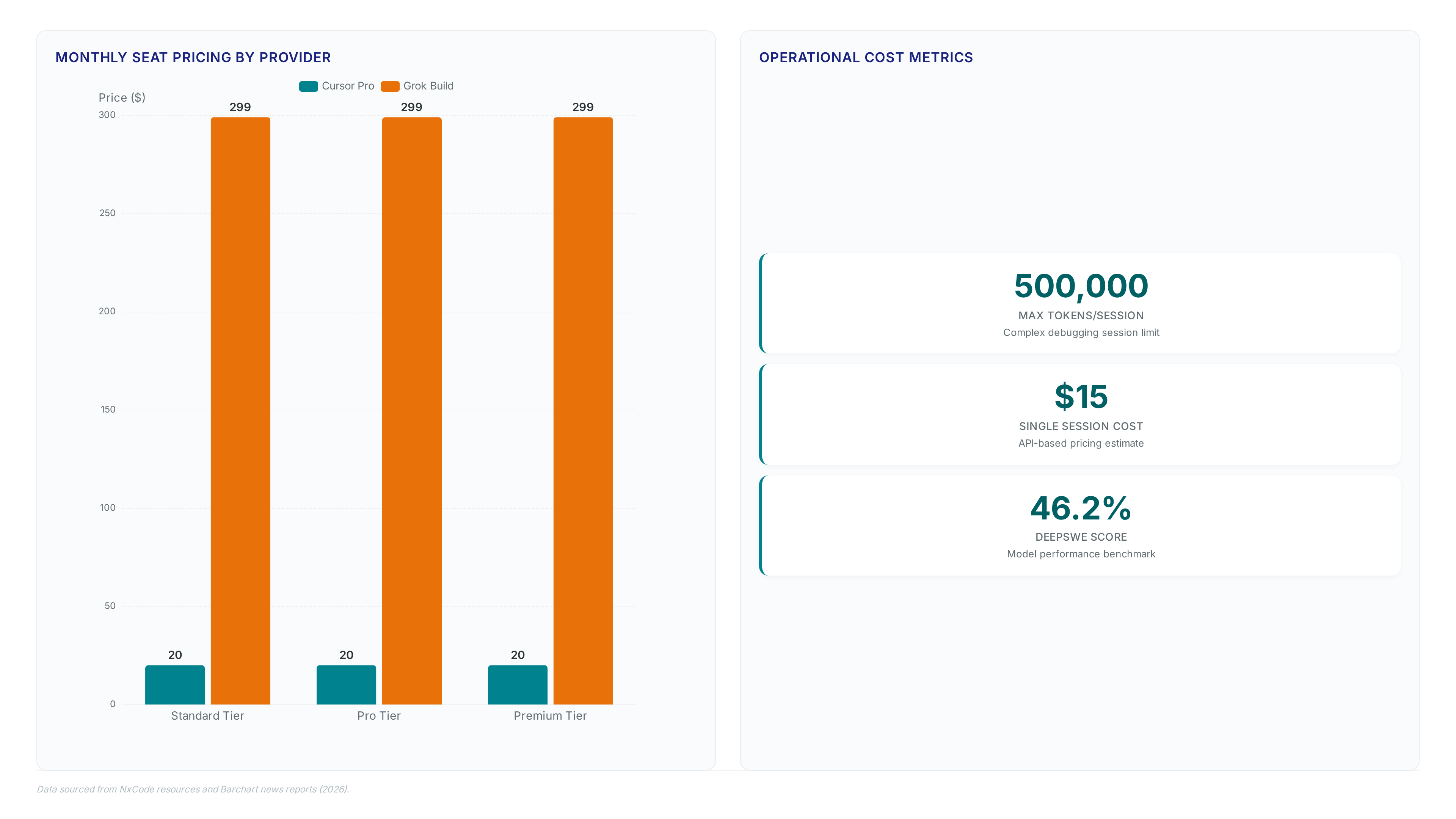
Cursor hit a multi-billion dollar ARR run-rate by early 2026, proving autonomous coding agents are no longer experimental toys.
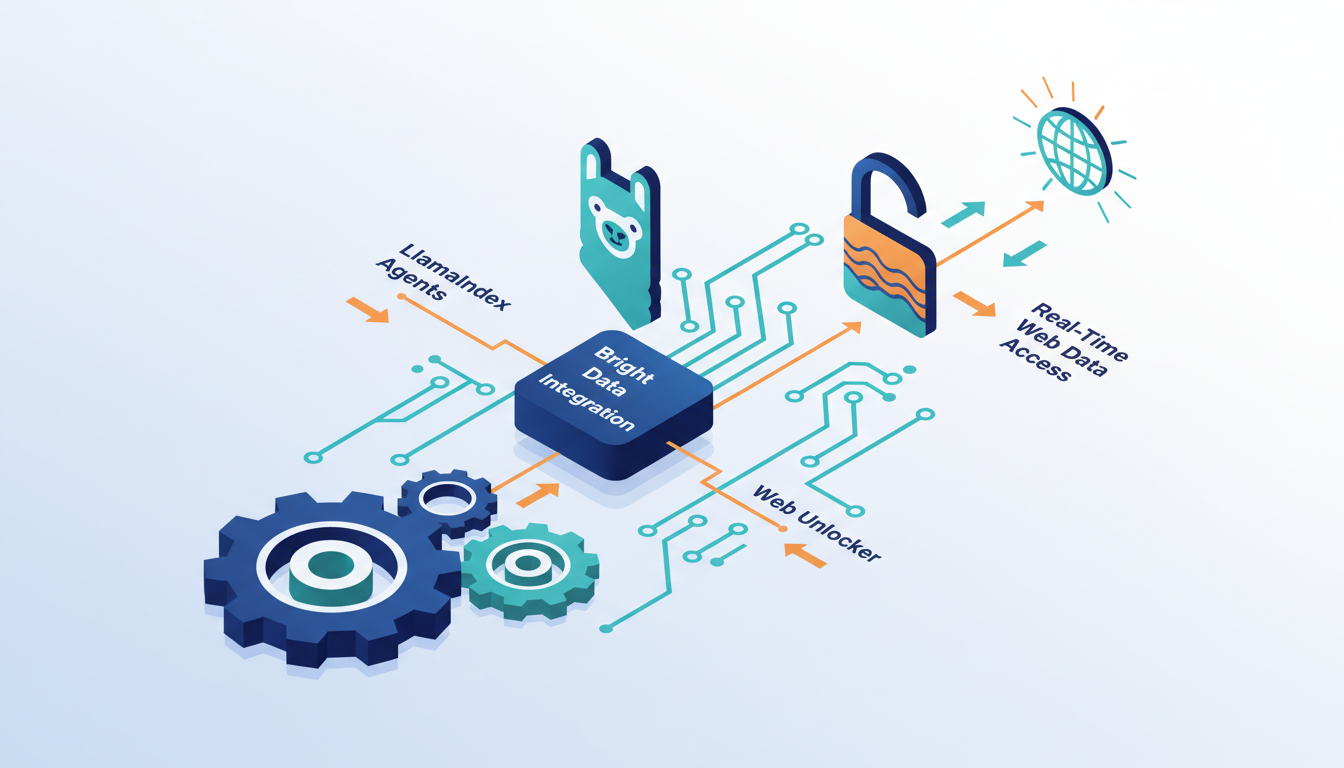
Learn how LlamaIndex uses over 200 data loaders to connect static LLMs to live enterprise sources and bypass training cutoffs.
SpaceX's $60B allstock buy of Anysphere ends standalone tools. I analyze how export controls now dictate AI coding survival for engineers.
After an agent deleted a production DB, I review Pydantic AI's 17,895-star approach to enforcing type safety and preventing runtime chaos.
SpaceX paid $60 billion for Cursor, ending the open market era. I break down how export controls now dictate which models engineers can access.