Universal CLI: Modernize Cursor Agents Today
Composio's Universal CLI replaces complex MCP setups, enabling agents to execute over 20,000 tools across 1,000+ SaaS apps via managed OAuth.

Hermes Atlas's Superpowers framework targets the 80% SWEbench gap by enforcing spec validation before code generation in autonomous agents.
Bohay eliminates workflow fragmentation by assigning isolated git worktrees to specific tasks, preventing concurrent edit risks in multi-agent setups.
Intent by Augment Code required the least manual reconciliation during parallel work on shared contracts in early 2026 testing.
Learn how agentic applications combine specialized agents with structured workflows to resolve nondeterministic enterprise intent and prevent sprawl.
Discover the 5 specific components required to build AI agents that match junior employee output quality without falling for industry hype.
Anthropic data shows successful agentic systems split workflows from agents. Learn why simple patterns beat complex frameworks for control.
Learn to build event-driven LlamaIndex agents using the gemini3.6flash model and Context class for shared state across multi-step workflows.
A2A delegation is no longer science fiction. It is a production pattern managing bot fleets today.
Connect coding agents to 1000+ SaaS apps without token-heavy protocols. Learn how CLI tools enable reliable, local-first automation for Ollama.
GitHub Copilot serves 15 million developers, yet true AI coding agents now plan multi-step tasks without hand-holding.
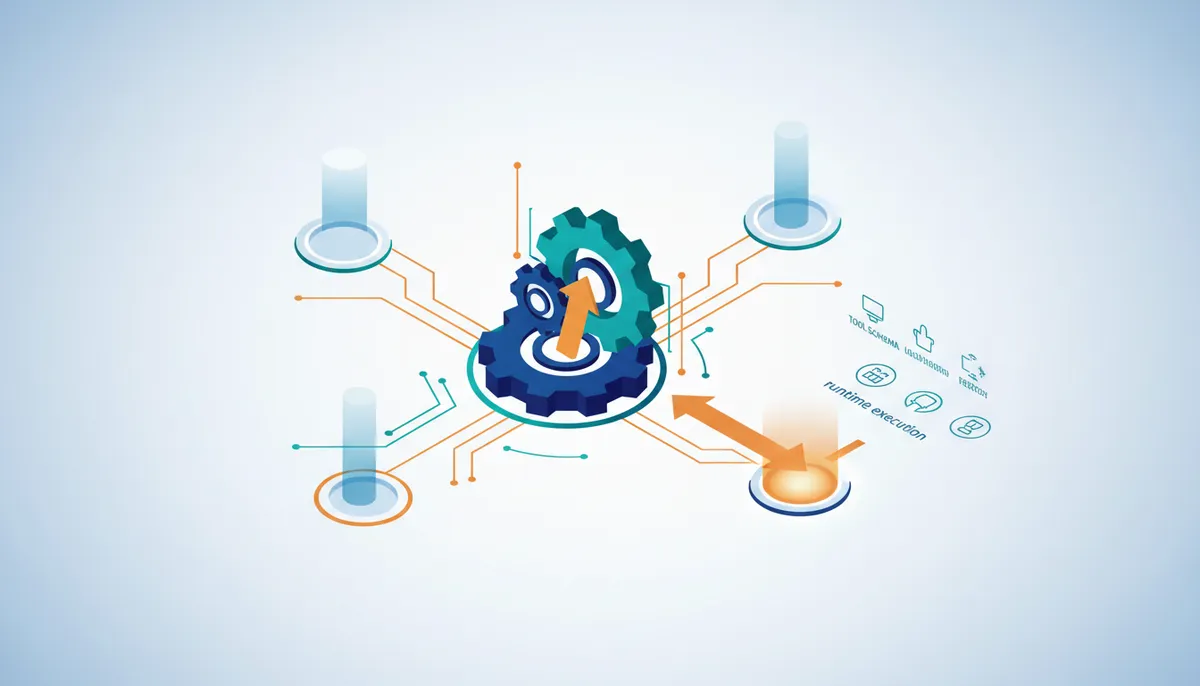
OpenAI's Agents SDK defines exactly five tool categories. Learn how namespaces separate hosted execution from local runtime for better token efficiency.
Hermes 0.6 uses parallel reference models to isolate reasoning from tool use, preventing hallucinated actions while improving decision quality.
Benchmarks show LangGraph finished 2.2x faster than CrewAI. See how graph-based routing reduces overhead compared to centralized manager patterns.
With over 1,000 distinct agent skills now available, the shift to modular JSON Schema packages ends ad-hoc prompting for engineers.
Search interest hit 480 monthly US searches by May 2026. Learn when to use code-based guards versus LLM planning for reliable agent flow.
With 85% of orgs integrating agents, picking the right framework dictates if your system scales or collapses under context limits.
With 5 million weekly Codex users, agent architecture now dictates output quality more than raw model size or reasoning engines alone.
Learn how LlamaIndex initializes agents in 5 lines to bridge private data silos and execute complex, multi-step reasoning tasks.
Static data causes deprecated advice. Learn the three missing layers preventing agent autonomy in modern development workflows today.
By 2027, AI agents will have moved from experimental status to full production across software engineering, finance, and healthcare.
A2A delegation is no longer science fiction. It is a production pattern managing bot fleets today.
Thrad.ai's team spent 45 minutes per lead before automation. See how multiagent systems fuse social signals to validate prospects faster.
Connect OpenAI Agents SDK to OpenRouter MCP. This setup unlocks 13 tools while managing OAuth and token refresh cycles automatically.
Most AI agents stall at 60% efficiency without closed-loop design. Learn the six architectural layers that enable true self-improving agent systems.
Autonomous engineers show 8x to 12x gains, but only with governance. Learn why traceability matters for agentic software development cycles.
Agent requests often take 30 to 120 seconds, far exceeding the 50ms standard. Learn to build tool contracts that handle this nondeterministic latency safely.
Stop capability hallucination by grouping builtin and MCP tools into sets. This control layer ensures agents select only relevant functions before execution.
A $50M Series B validates autonomous agents. Learn to replace rigid scripts with declarative tool specs for safer, flexible orchestration.
Optimized frameworks slash redundant tool calls from 98% to 2%. Learn how structured schemas and event-driven resumption build reliable AI agents.
I built recallsqlite to fix memory accumulation, keeping latency at 80ms while competitors drop to 0.05 accuracy with bloated contexts.
Sandboxed agents reset on tmpfs with zero memory. Learn how three context layers and convention files prevent entropy in production codebases.
Learn why OpenHands SDK requires uv version 0.8.13 and matched packages to prevent runtime import failures in agent workflows.
Vertex AI multiagent systems handle over 20,000 documents by splitting planner and executor roles, preventing total workflow collapse during errors.
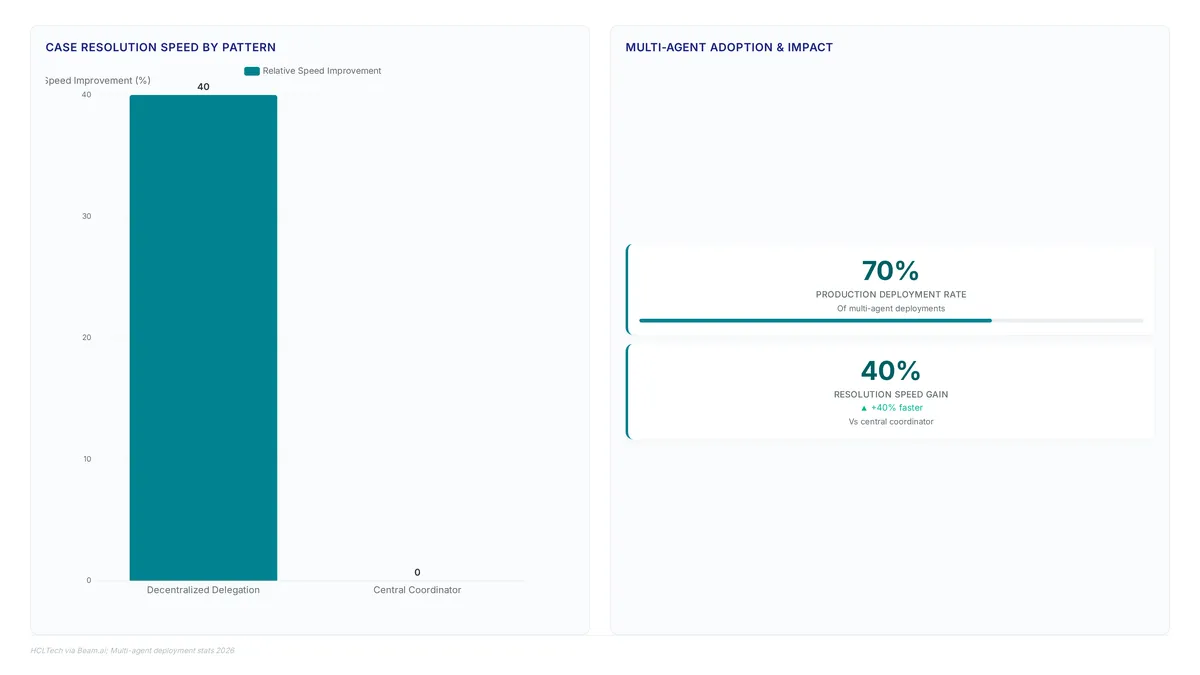
Production data shows 70% of deployments rely on a central orchestrator to route tasks. Learn how specialized agents reduce coordination overhead.
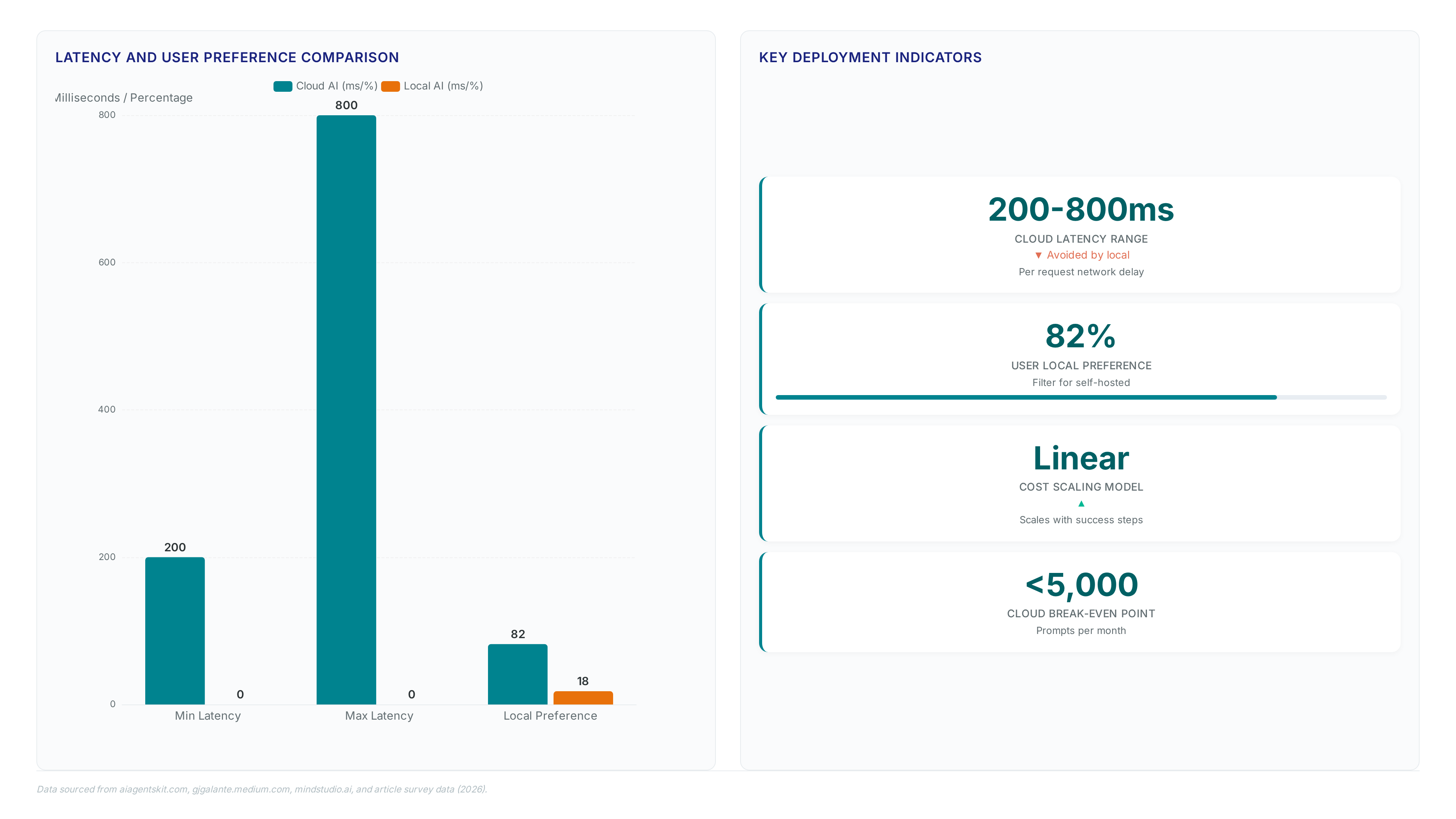
Cloud round trips add 200ms to 800ms latency per request. Compare local, VPS, and cloud architectures for speed and privacy tradeoffs.
Learn to build a CircumferenceTool in LangChain. This guide shows how custom tools replace token-based guessing with grounded, repeatable functions.
crewAI 1.14.7a1 adds native Snowflake Cortex integration and lazy loading to cut startup times. Learn how trained agents persist state across 54.7k stars.
With 2,448 agents on Agent.ai, the shift to coordinated teams is clear. Learn how multi-agent units handle complex workflows without manual handoffs.
Seventy percent of implementations will apply agents with narrow, focused roles by 2027, driven by the need for higher accuracy in specialized tasks...
OSWorld success hit 66%, yet agents still misclick. I explain why grounding errors cause 34% of failures and how data fixes this.
With 79% of agents stuck in loops, cognitive ontology replaces flat vectors with graph memory to retain context across sessions.
Zencoder collapses the cost of intelligence into a single subscription, granting access to every frontier model without per-token anxiety.
By 2028, Gartner predicts a significant share of daily work decisions will be made autonomously by AI agents.
74% of orgs need human checkpoints. I test askahuman.ai, a private pager that alerts your phone when autonomous agents stall on production tasks.
Search volume for AI coding agents surged 1,581% as tools shift from autocomplete to autonomous execution across entire repositories.
Over 1,000 papers validate modern agent architectures. Learn how 300+ tools enable reliable autonomy and measurable ROI in production systems.
Learn how isolated context prevents data contamination when agents synthesize hundreds of websites into unified reports using LangChain.
Autonomous agents stall at 3am because data access still demands human clicks for API keys or email verification.
By 2030, 80% of enterprise software will be multimodal. Learn to validate agent reasoning with component isolation and trajectory analysis.
Learn how true agents manage workflow execution and halt on failure, distinguishing them from single-turn LLMs that lack error correction.
Analysis of 18 deployments shows LangGraph leads production readiness. Learn how planner-worker patterns and session state prevent context rot.
Output-only checks miss brittle logic. Use over 50 research-backed metrics to score discrete execution steps and catch planning failures early.
Learn how thousands of agents built across Amazon since 2025 prove static prompts fail. Discover framework-agnostic workflows to measure real task completion.
See how distinct agents for research and SEO eliminate errors in one-pass generation, turning a 30-article backlog into a predictable assembly line.
Explore 1,672 commits of executable lessons on agent memory, context engineering, and securing systems against injection attacks.
Data shows single agents falter near 20,000 documents. Learn the ReAct pattern and memory thresholds for robust multi-agent architecture.
Seventy-seven percent of AI agent projects fail to reach production, leaving only a fraction of deployments operational according to recent 2026 data.
Learn how loop engineering replaces manual prompting with autonomous cycles, preventing seven-figure token bills through strict verification logic.
Herdr v0.7.1 assigns real terminals to agents, preserving TUIs that GUI wrappers break while tracking status via process heuristics.
Comparing 20 AI coding agents reveals workflow fit trumps model size. Learn how terminal autonomy and the 83.4% TerminalBench score define modern...
Choosing the right agent framework prevents technical debt that compounds silently until development halts.
Perplexity removed Comet's paywall in March 2026. Explore free agentic tools that decompose goals and execute sequences without human prompts.
With 57% of organizations running agents, static tests miss cascading failures. Learn to validate specific execution paths and tool calls effectively.
TerminalBench v2.1 uses 89 curated tasks to test if AI agents can execute complex system commands rather than just generating static code snippets.
The OpenHands SDK powers 2,013 commits of agent logic, enabling terminal execution and browsing within a single Python-defined agentic loop.
Unlike past chatbots, modern autonomous agents manage end-to-end workflows, hitting 70.6% accuracy on SWEbench Verified for production tasks.
Unlike reactive chatbots, autonomous agents execute the full Plan-Act-Observe loop to independently restore dropped test coverage.
Learn how isolated worktrees prevent file locks when running parallel coding agents, based on a repo with 1,629 commits and strict session rules.
Gartner predicts 40% of enterprise apps will use task-specific agents by 2027. Compare how LangGraph and CrewAI handle this complex shift.
Compare ReAct's iterative reasoning loops against structured function calling for external API access in 2026 agent architectures.
TerminalBench 2.1 shows 83.4% scores, yet infrastructure gaps cause a 17-issue performance drop. Learn why architecture matters more than the model.
AI coding agents now handle 1.05M token contexts, enabling full-repo refactors without retrieval augmentation or constant human intervention.
Discover why 211 million lines of code fail silently when async loops ignore await, forcing engineers to master the soul badge of agentic debugging.
Configured AI agents drive a 23x value increase by stripping verbose output. Learn how specialized personas reduce token costs in complex development.
Learn to build agents that manage context across multiple turns using specific memory compression strategies and token monitoring.
Simon Willison's llmcodingagent 0.1a0 enables local file edits via explicit tool calls, contrasting with the 83.4% TerminalBench scores seen elsewhere.
Augment Code claims 70.6% accuracy, but real utility depends on execution models. Compare IDE extensions, CLI tools, and cloud security postures here.
Vix leads Terminal Bench 2.0 with a 90.0% score, while the AI Lab CLI tool ranks 52nd at 58.0%. See how 48 agents compare on real metrics.
Learn 21 design patterns to fix AI coding agents. While Codex CLI hits 83.4% on benchmarks, internal discipline prevents broken systems.
On July 2, 2026, a $0-budget repository proved AI agents can earn money autonomously. The Autonomous Insight Agent demonstrates that deterministic...
Build a local research agent using Gemma 4 and Tavily. This guide configures 32,768 context tokens for deep evidence synthesis on consumer hardware.
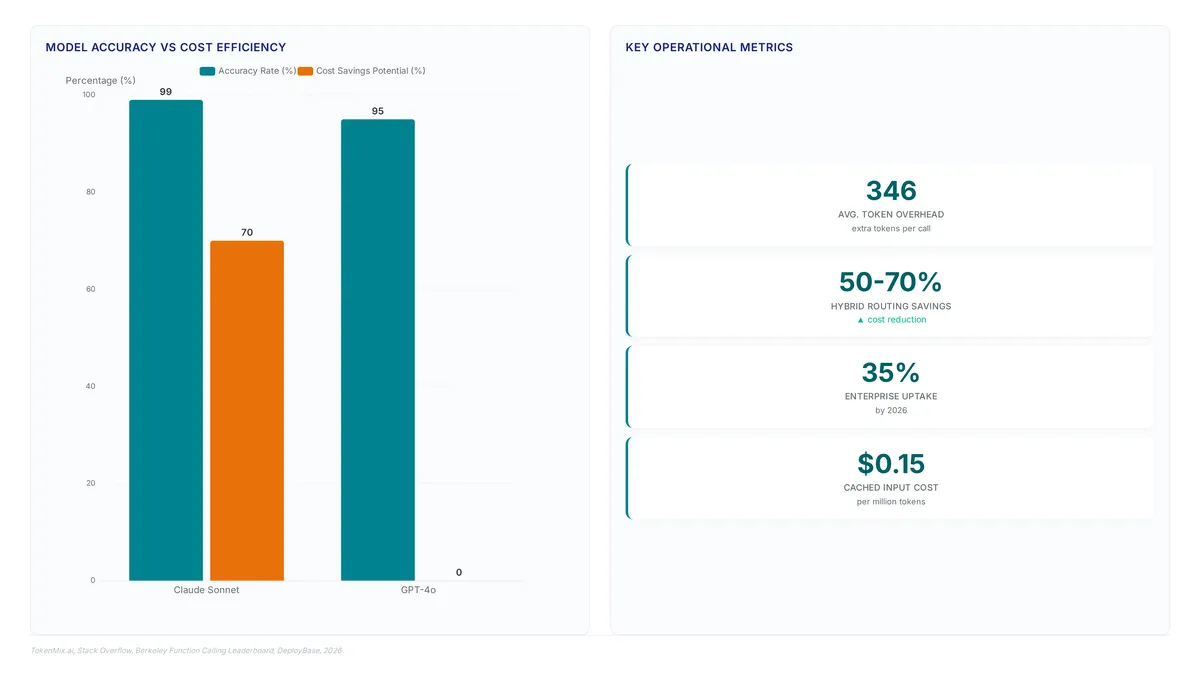
Function calling adds 346 tokens per call, inflating costs for high-volume agents. Learn how OpenAPI schemas and Gemini 3.5 Pro manage this overhead.
CrewAI version 1.15.1 separates autonomous crews from event-driven flows, offering engineers precise low-level control without LangChain dependencies.
Cursor hit a multi-billion dollar ARR run-rate by early 2026, proving autonomous coding agents are no longer experimental toys.
After testing 20 AI agent courses, this review isolates the 5 curricula teaching production-ready autonomous systems and real deployment guardrails.
Learn why 81.2k GitHub stars validate OpenHands as a modular platform for building autonomous agents that resolve real-world code issues.
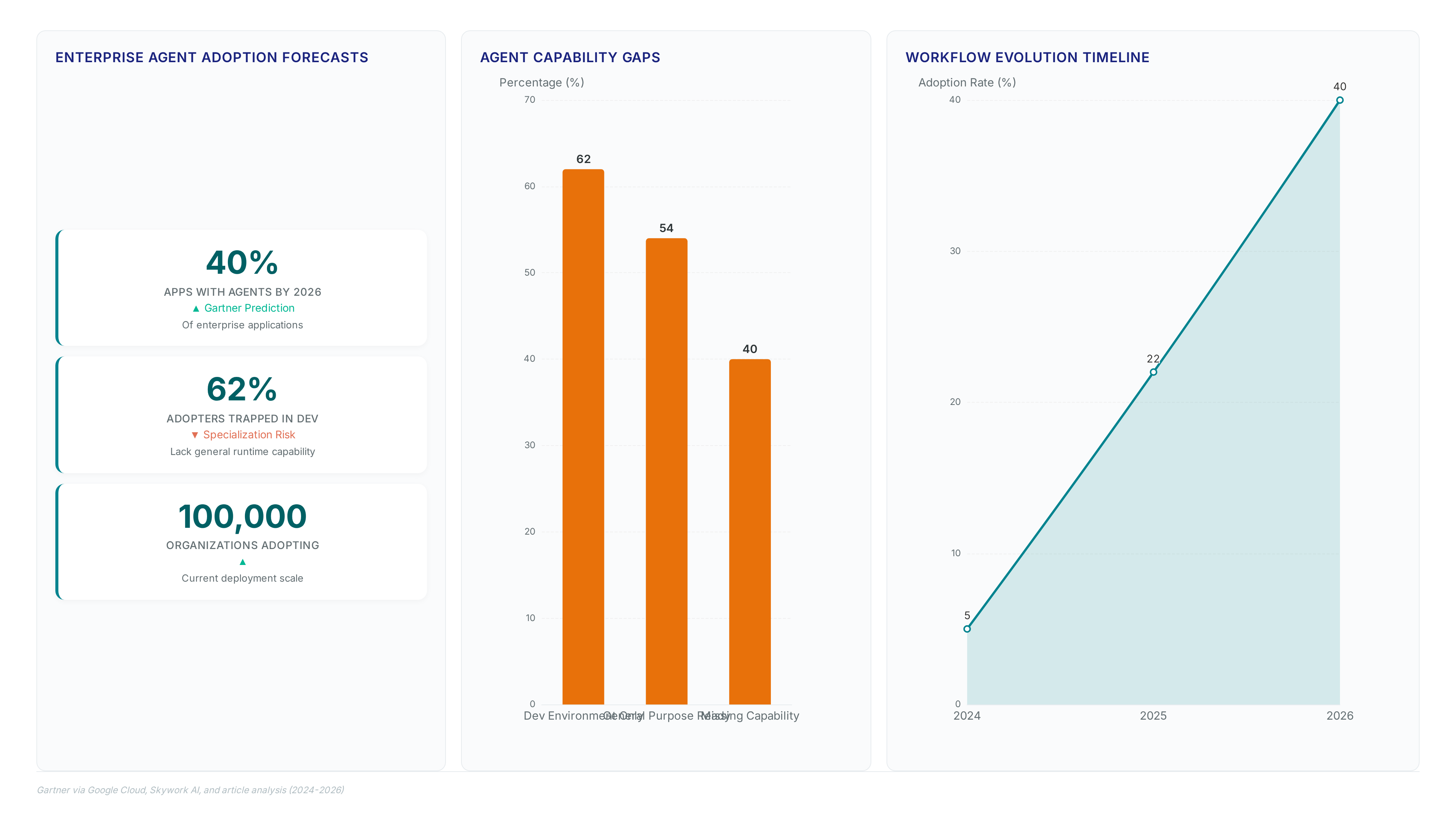
Gartner predicts 40% of apps will embed agents by year-end. We analyze the shift from passive answers to autonomous workflow engines.
Learn how OpenCode's 160,000-star architecture separates Build and Plan agents to prevent rogue code while enabling parallel subagent execution.
Learn how LangGraph replaces linear chains with cyclic graphs, using TypedDict to preserve conversation history across complex node interactions.
Invook Beta v0.0.22 uses Claude Sonnet 4.6 to automate LinkedIn sourcing and CRM hygiene, testing if agents truly replace manual sales ops.
Goodfire's months of deploy show experimenter agents need stateful execution to manage validation debt in interpretability research.
IFLYTEK open-sourced this project on September 20, 2025, enabling adaptive agents to replace rigid scripts for unattended automation tasks.
OpenCode hit 147,000 GitHub stars by April 2026, proving that autonomous coding agents are no longer experimental novelties but essential...
With 51% of pros deploying agents, learn why LLM control flow matters more than chat for complex app logic and safety.
Compare LangGraph's DAGs and CrewAI's roles across a dozen options. Learn how to debug stateful workflows and avoid unstructured autonomy pitfalls.
LangGraph holds 33,900 GitHub stars as engineers shift to stateful workflows. Compare top frameworks for production multiagent systems here.
Durable agent sessions beat containers by 100x. Learn how the Agents SDK runtime manages state without external databases for reliable scaling.
JSON configs yield 95% action success but create visual garbage because agents cannot see layout. Learn why switching to HTML fixes rendering.
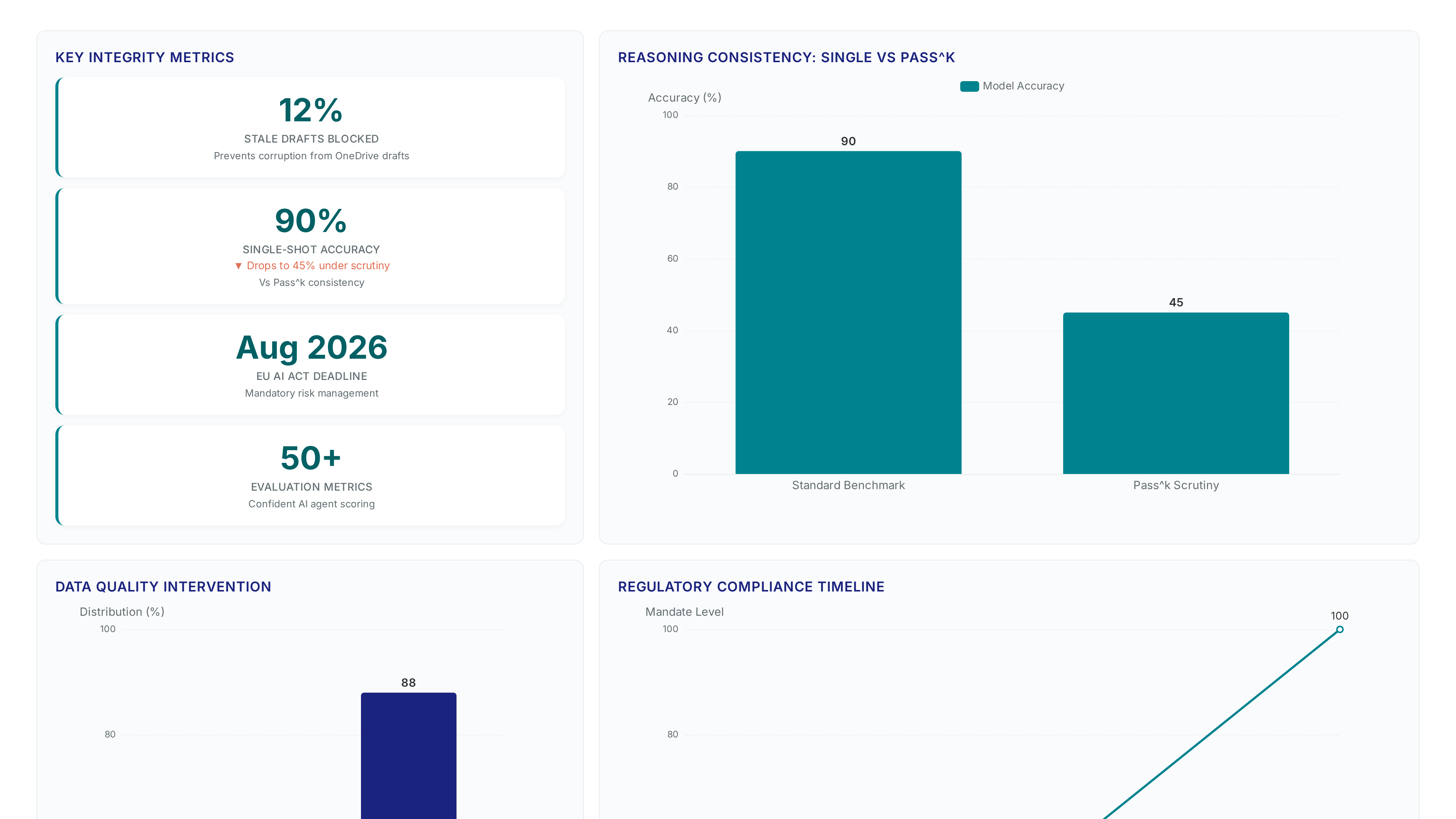
Gartner predicts 1,000 legal claims by 2027. Learn how SourceTrust scores evidence to stop agents from citing stale OneDrive drafts as fact.
OpenHands cloud 1.38.0 uses SandboxRecord to skip runtime API calls, removing network handshakes that slow down 40% of future agent apps.
After an agent deleted a production DB, I review Pydantic AI's 17,895-star approach to enforcing type safety and preventing runtime chaos.
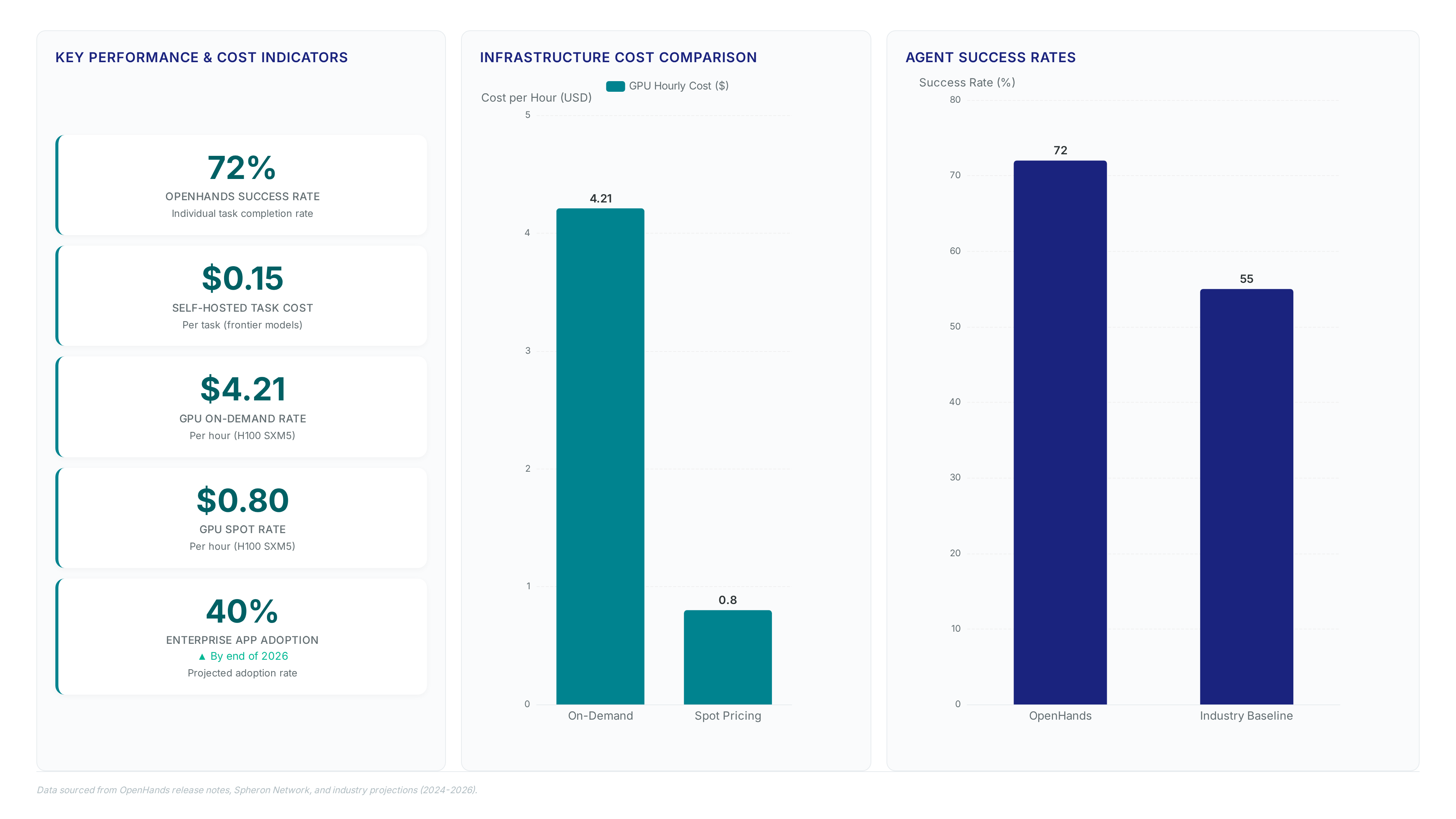
OpenHands release cloud1.32.2 sets MiniMaxM2.7 as default, enabling agents to handle 30-minute workflows without collapsing under token costs.
At $15 per million tokens, guessing code structure is costly. Learn why coding agents need verified graph facts over raw context windows.
One developer lost $4,200 in a weekend. Learn why autonomous loops make 30–50 calls per ticket and how to set killswitches.
Stop rebuilding tools for every agent. Astron's registry cuts the $950 monthly indexing drain and enforces secure skill reuse across teams.
With 2,117 active credentials found in MCP files, Airgap uses mount namespaces to strip secrets before agents ever read them.
After six weeks of regressions, I rebuilt my agent to handle 40% of my work by fixing silent state corruption and flaky tests.
Stop paying the knowledge tax. AI agents now handle dependency resolution, helping 40% of apps embed tasks by 2027 without manual setup.
Frontend teams adopting AI agents could ship features five times quicker by 2027. Learn the architectural shifts needed for secure integration.
The UK AI Security Institute notes a fivefold rise in agent scheming. Learn why ambient authority in GitHub Actions exposes your repo secrets.
Legacy tooling fails at scale; agentnative systems use 60-minute temporary accounts to stop billing spikes and enable real autonomy.
Poor agent use design drives costs to $2.26 per task. Learn why closed-loop feedback prevents silent failures in autonomous systems.