Desktop coding agents handle parallel work better
Intent by Augment Code required the least manual reconciliation during parallel work on shared contracts in early 2026 testing.

Lead Agent Engineer
Marcus Chen is the Lead Agent Engineer at aiagentsnews.top, where he builds and benchmarks autonomous AI agent systems. He writes about agent frameworks, tool-use, orchestration and the engineering trade-offs behind production-grade agentic software.
External Profile
Intent by Augment Code required the least manual reconciliation during parallel work on shared contracts in early 2026 testing.
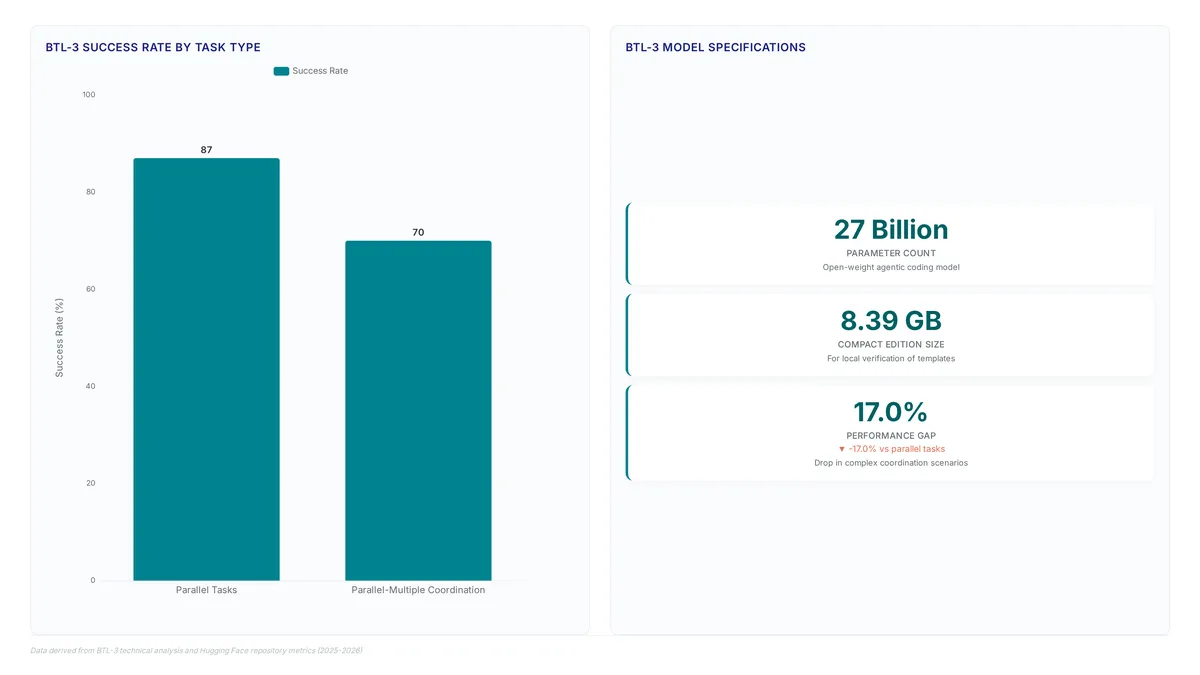
BTL3 retains 92.2% of full-model behaviors in an 8.39 GB footprint, offering a specialized architecture for efficient agentic coding and tool use.
Discover the 5 specific components required to build AI agents that match junior employee output quality without falling for industry hype.
Anthropic data shows successful agentic systems split workflows from agents. Learn why simple patterns beat complex frameworks for control.
Learn to build event-driven LlamaIndex agents using the gemini3.6flash model and Context class for shared state across multi-step workflows.
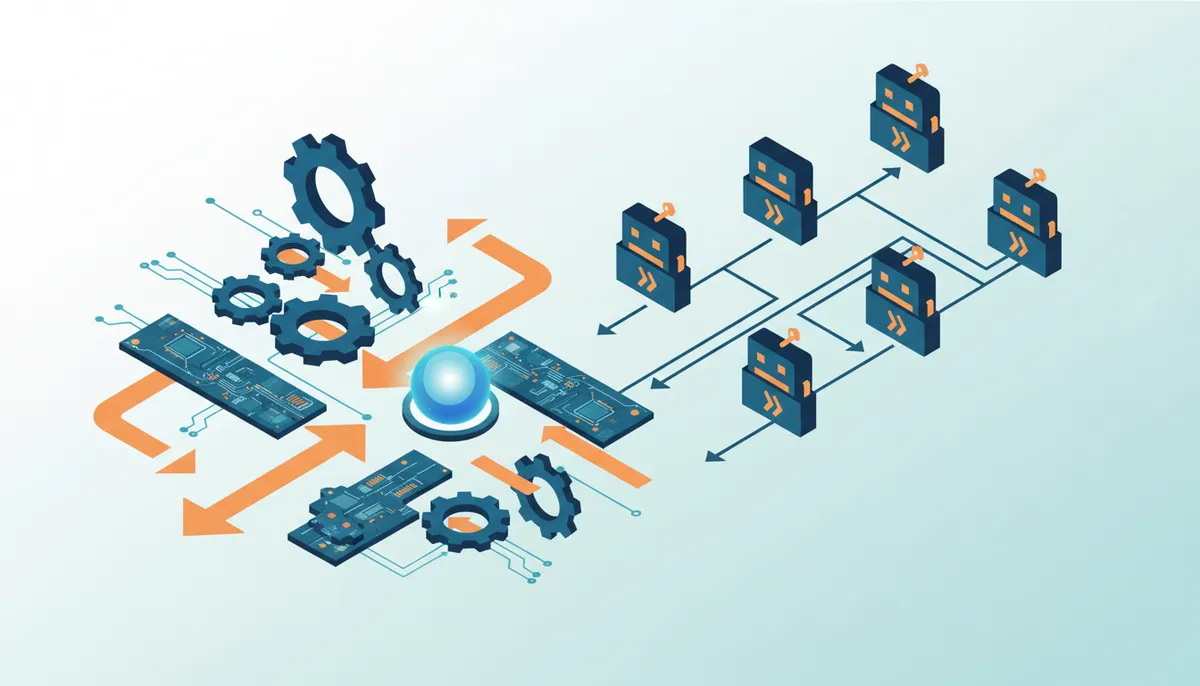
A2A delegation is no longer science fiction. It is a production pattern managing bot fleets today.
Connect coding agents to 1000+ SaaS apps without token-heavy protocols. Learn how CLI tools enable reliable, local-first automation for Ollama.
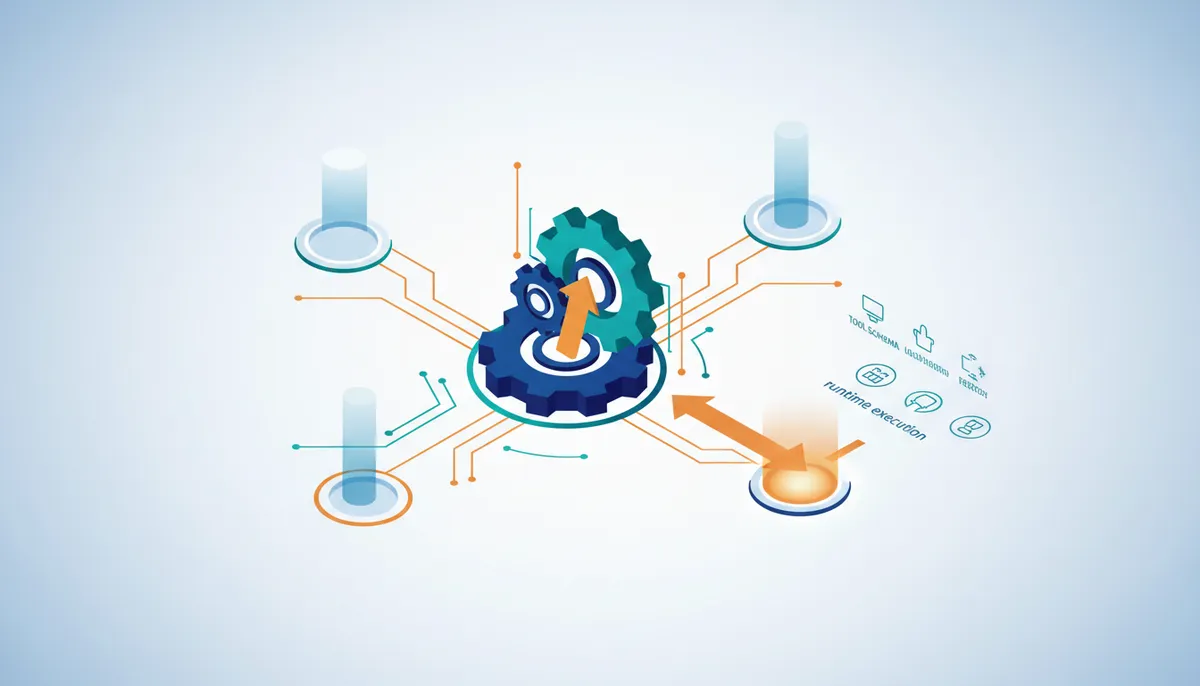
OpenAI's Agents SDK defines exactly five tool categories. Learn how namespaces separate hosted execution from local runtime for better token efficiency.
Stripe deployed Claude Code across 1,370 engineers to complete a 10,000-line migration in four days, marking a shift to agentic execution.
Benchmarks show LangGraph finished 2.2x faster than CrewAI. See how graph-based routing reduces overhead compared to centralized manager patterns.
Search interest hit 480 monthly US searches by May 2026. Learn when to use code-based guards versus LLM planning for reliable agent flow.
With 85% of orgs integrating agents, picking the right framework dictates if your system scales or collapses under context limits.
Compare MLflow, DeepEval, and Ragas for agent evaluation. Learn why trace-aware scoring beats binary checks on 30M+ monthly downloads.
You can build a production-ready Slack agent using Chat SDK and AI SDK without managing complex infrastructure.
A2A delegation is no longer science fiction. It is a production pattern managing bot fleets today.
Distinguish orchestration frameworks from tool registries across 10 resources. Learn why core logic matters more than prompt engineering for state persistence.
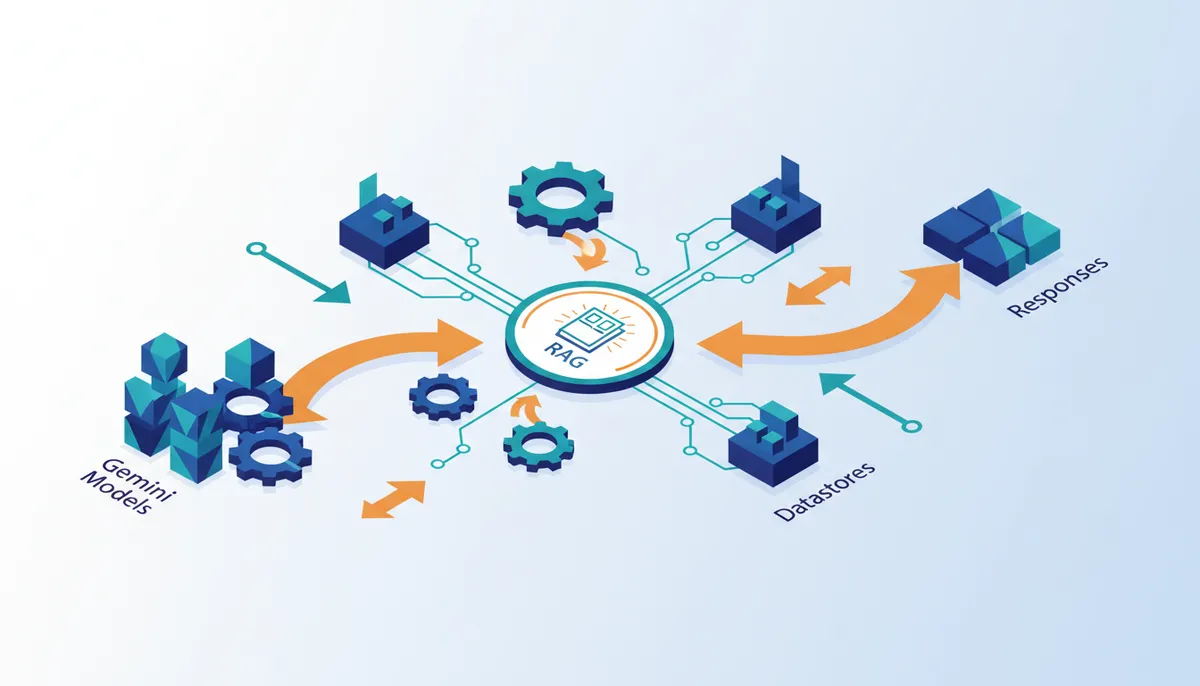
Grounded responses require attaching a datastore to prevent hallucinations in generative architecture, ensuring agents rely on verified facts.
Connect OpenAI Agents SDK to OpenRouter MCP. This setup unlocks 13 tools while managing OAuth and token refresh cycles automatically.
Seven open-source toolkits now define the agentic landscape as of July 2026, shifting focus from demos to hardened production infrastructure.
Most AI agents stall at 60% efficiency without closed-loop design. Learn the six architectural layers that enable true self-improving agent systems.
Analysis of 79 projects shows enterprise agentic AI needs LangGraph orchestration and 9-layer guardrails to handle production data reliably.
A $50M Series B validates autonomous agents. Learn to replace rigid scripts with declarative tool specs for safer, flexible orchestration.
Learn how the SKILL.md entrypoint combines YAML frontmatter with markdown to create portable units for four distinct agent components.
Sandboxed agents reset on tmpfs with zero memory. Learn how three context layers and convention files prevent entropy in production codebases.
Seven contenders now define the market as tools like Cursor enable parallel execution. See which systems ship production code without the marketing noise.
Stop treating coding agents like a single chat window where you remain the project manager.
OpenCode's 170,000 GitHub stars prove coding-first agents have found product-market fit while broader tools struggle for traction in the stack.
With 170,000 GitHub stars, OpenCode grows fast. Learn why default tool settings allow unrestricted bash access and how to enforce approval.
Vertex AI multiagent systems handle over 20,000 documents by splitting planner and executor roles, preventing total workflow collapse during errors.
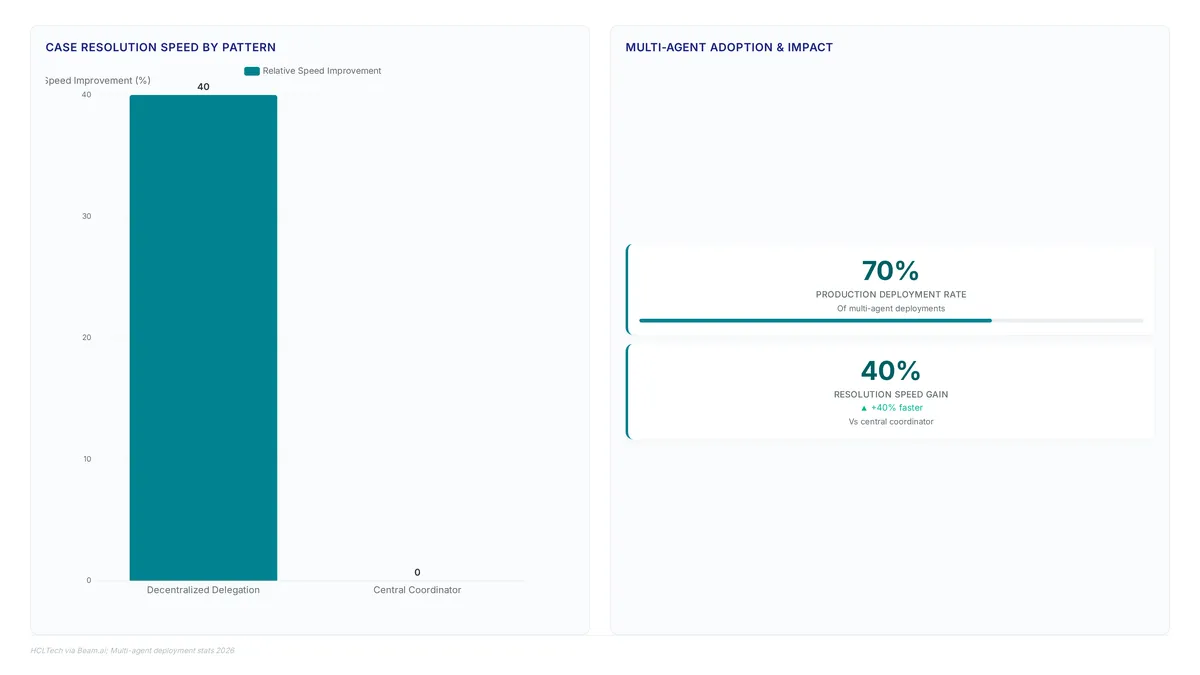
Production data shows 70% of deployments rely on a central orchestrator to route tasks. Learn how specialized agents reduce coordination overhead.
Monolithic prompts fail at scale. Learn how SkillasCode helps manage the 40% of apps needing agents by year-end without security drift.
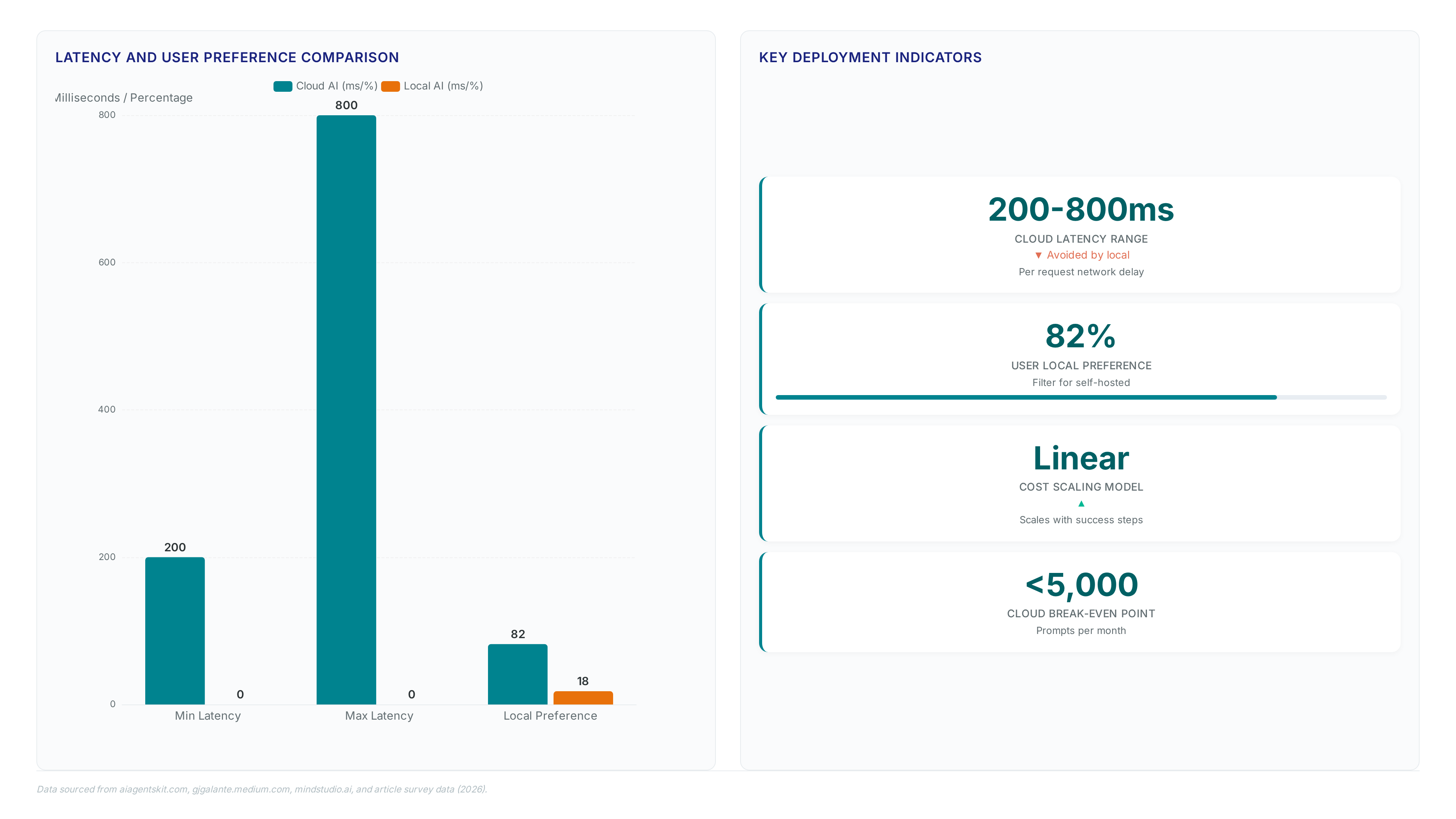
Cloud round trips add 200ms to 800ms latency per request. Compare local, VPS, and cloud architectures for speed and privacy tradeoffs.
langgraphcli 0.4.27 pins Docker images to specific digests, requiring GPG key B5690EEEBB952194 to verify binary authenticity.
LangGraph SDK 0.4.0 introduces scoped subgraphs to isolate state across 36.2k stars, preventing leakage in complex multi-agent loops.
The langgraph-cli release 0.4.28 ships with commit f0e8147 and a verified GPG signature from key B5690EEEBB952194.
Learn how function calling converts vague intent into structured JSON requests, enabling agents to fetch external data instead of guessing.
Function calling adds 346 extra tokens per API call. Learn how strict JSON schemas and namespaces reduce this hidden architectural cost for agents.
Dissect five canonical AI agent architectures like ReAct and PlanExecute to fix latency, cost, and reliability in production systems.
LangSmith supports four distinct evaluator types to validate agent performance. Learn how offline testing and LLM-as-judge scoring catch regressions early.
With 2,448 agents on Agent.ai, the shift to coordinated teams is clear. Learn how multi-agent units handle complex workflows without manual handoffs.
Build a Confluence MCP server using 62 tools and 23 triggers. This guide covers LlamaIndex integration, OAuth handling, and ReAct agent workflows.
With 79% of agents stuck in loops, cognitive ontology replaces flat vectors with graph memory to retain context across sessions.
Access 45 archives directly using Astroquery modules. This tool converts complex web requests into simple Python calls, standardizing messy outputs.
Over 1,000 papers validate modern agent architectures. Learn how 300+ tools enable reliable autonomy and measurable ROI in production systems.
Giant prompts collapse; modular skills with SKILL.md files separate logic from user data for stable, scalable agent behavior.
With fewer than one-third linking AI to outcomes, agent orchestration provides the governance gates and cross-use memory engineers need.
L'IA agentique exécute des tâches sans supervision, mais exige des contrôles d'audit rigoureux dès la conception pour maîtriser les risques opérationnels.
Analysis of 18 deployments shows LangGraph leads production readiness. Learn how planner-worker patterns and session state prevent context rot.
Move beyond static accuracy. Analyze multistep trajectories to catch critical failures where agents stall in continuous reasoning loops.
crewAI 1.14.6 patches structured output leaks and enforces strict checkpoint restoration for reliable multi-agent orchestration in production systems.
Learn to build an agente de IA using LangChain's ReAct pattern. Discover how the four critical components create reliable, stateful automation.
Microsoft Agent Framework reached version 1.0 GA in mid-2026, replacing stateless loops with durable, graph-based workflows for Python and .NET teams.
Cut GPT-5.5 output costs at $30 per million tokens by fixing agent architecture and stopping redundant file reads across sessions.
Learn how loop engineering replaces manual prompting with autonomous cycles, preventing seven-figure token bills through strict verification logic.
Herdr v0.7.1 assigns real terminals to agents, preserving TUIs that GUI wrappers break while tracking status via process heuristics.
Comparing 20 AI coding agents reveals workflow fit trumps model size. Learn how terminal autonomy and the 83.4% TerminalBench score define modern...
Perplexity removed Comet's paywall in March 2026. Explore free agentic tools that decompose goals and execute sequences without human prompts.
Stop generic output by feeding an agent exactly seven real writing samples to enforce human irregularity and kill robotic patterns.
Early 2025 data shows Devin failed 14 of 20 real-world tasks. Explore why spec-driven orchestration now beats single-agent autonomy for engineers.
Unlike past chatbots, modern autonomous agents manage end-to-end workflows, hitting 70.6% accuracy on SWEbench Verified for production tasks.
Unlike reactive chatbots, autonomous agents execute the full Plan-Act-Observe loop to independently restore dropped test coverage.
With 18 production deployments reported, this guide compares ten agentic frameworks to help engineers avoid brittle logic and state loss.
Compare ReAct's iterative reasoning loops against structured function calling for external API access in 2026 agent architectures.
TerminalBench 2.1 shows 83.4% scores, yet infrastructure gaps cause a 17-issue performance drop. Learn why architecture matters more than the model.
Augment Code claims 70.6% accuracy, but real utility depends on execution models. Compare IDE extensions, CLI tools, and cloud security postures here.
Vix leads Terminal Bench 2.0 with a 90.0% score, while the AI Lab CLI tool ranks 52nd at 58.0%. See how 48 agents compare on real metrics.
On July 2, 2026, a $0-budget repository proved AI agents can earn money autonomously. The Autonomous Insight Agent demonstrates that deterministic...
Most deployments stay narrow. With 78% planning adoption, teams must build true agents that handle failure, not just chatbots.
After testing 20 AI agent courses, this review isolates the 5 curricula teaching production-ready autonomous systems and real deployment guardrails.
Goodfire's months of deploy show experimenter agents need stateful execution to manage validation debt in interpretability research.
OpenAI admitted overly flattering models cause confident wrong answers that waste weeks. Learn why agreeable agents hurt more than useless ones.
Enforce deterministic security before code enters repos. This layer validates 28+ entity types to block secrets in AI-generated artifacts.
With 51% of pros deploying agents, learn why LLM control flow matters more than chat for complex app logic and safety.
Microsoft Research shipped the production-ready unification of AutoGen and Semantic Kernel as Microsoft Agent Framework 1.0 on April 3, 2026.
Compare CrewAI's role-based architecture to AutoGen's conversational model. Learn how 14,800 monthly searches reflect shifting developer preferences.
Durable agent sessions beat containers by 100x. Learn how the Agents SDK runtime manages state without external databases for reliable scaling.
At $0.005 per call, Stripe's fixed fees create 6,000% overhead. I break down why dual-protocol routing with x402 is essential for agent scale.
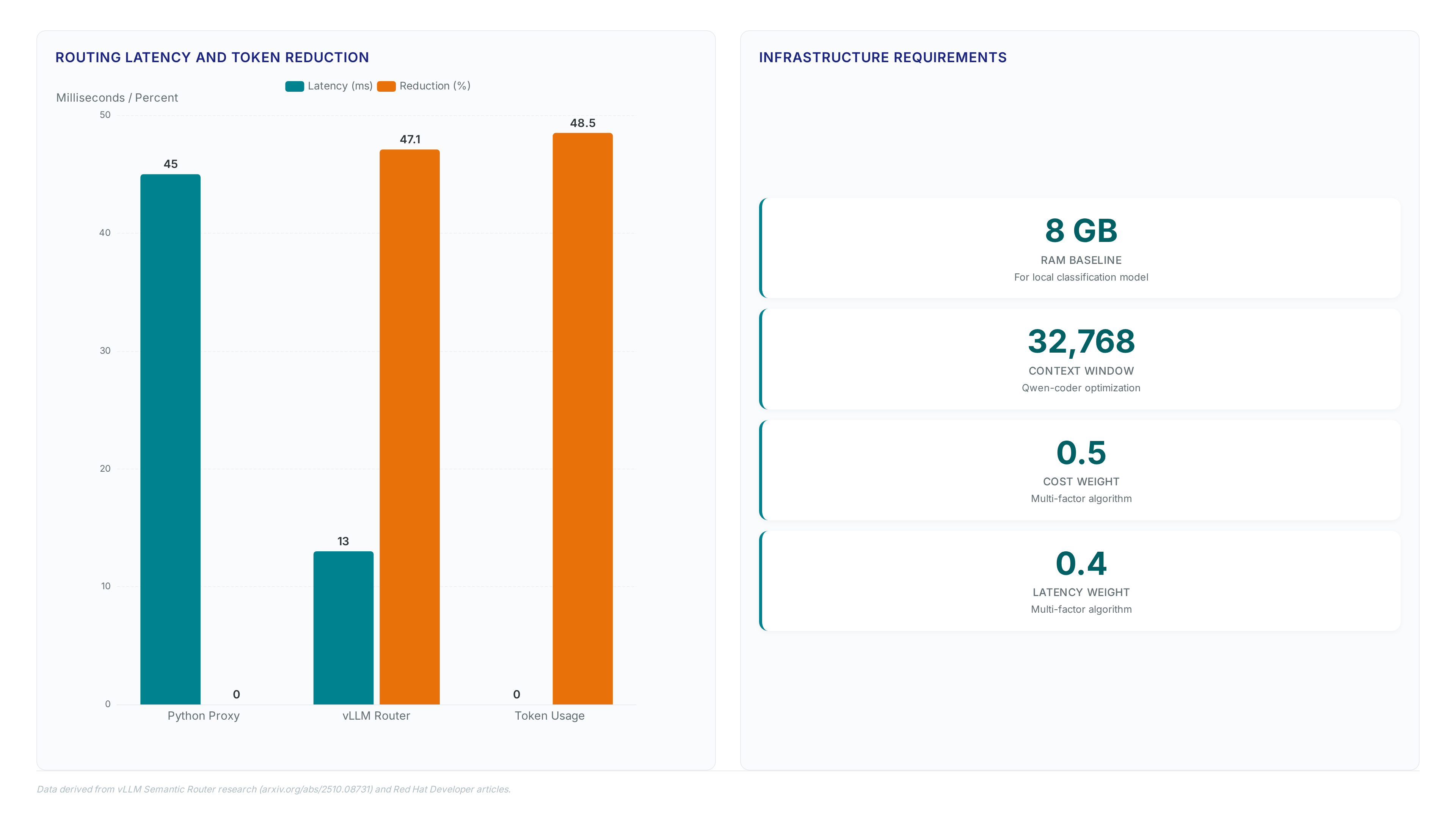
Stop losing 18% of requests to bad regex. Learn how vLLM semantic routing uses embeddings to fix intent classification in your homelab.
JSON configs yield 95% action success but create visual garbage because agents cannot see layout. Learn why switching to HTML fixes rendering.
SpaceX's $60B allstock buy of Anysphere ends standalone tools. I analyze how export controls now dictate AI coding survival for engineers.
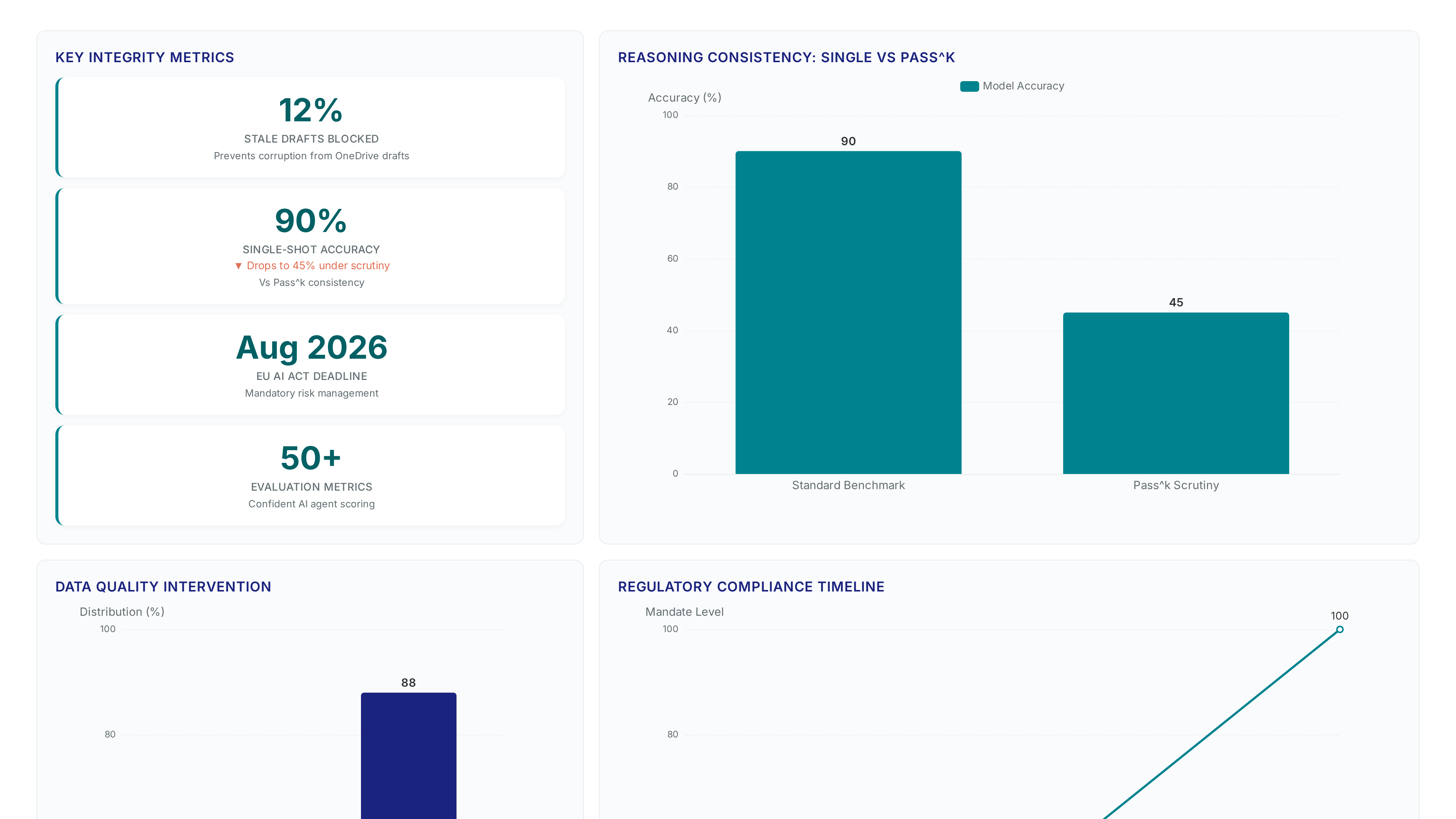
Gartner predicts 1,000 legal claims by 2027. Learn how SourceTrust scores evidence to stop agents from citing stale OneDrive drafts as fact.
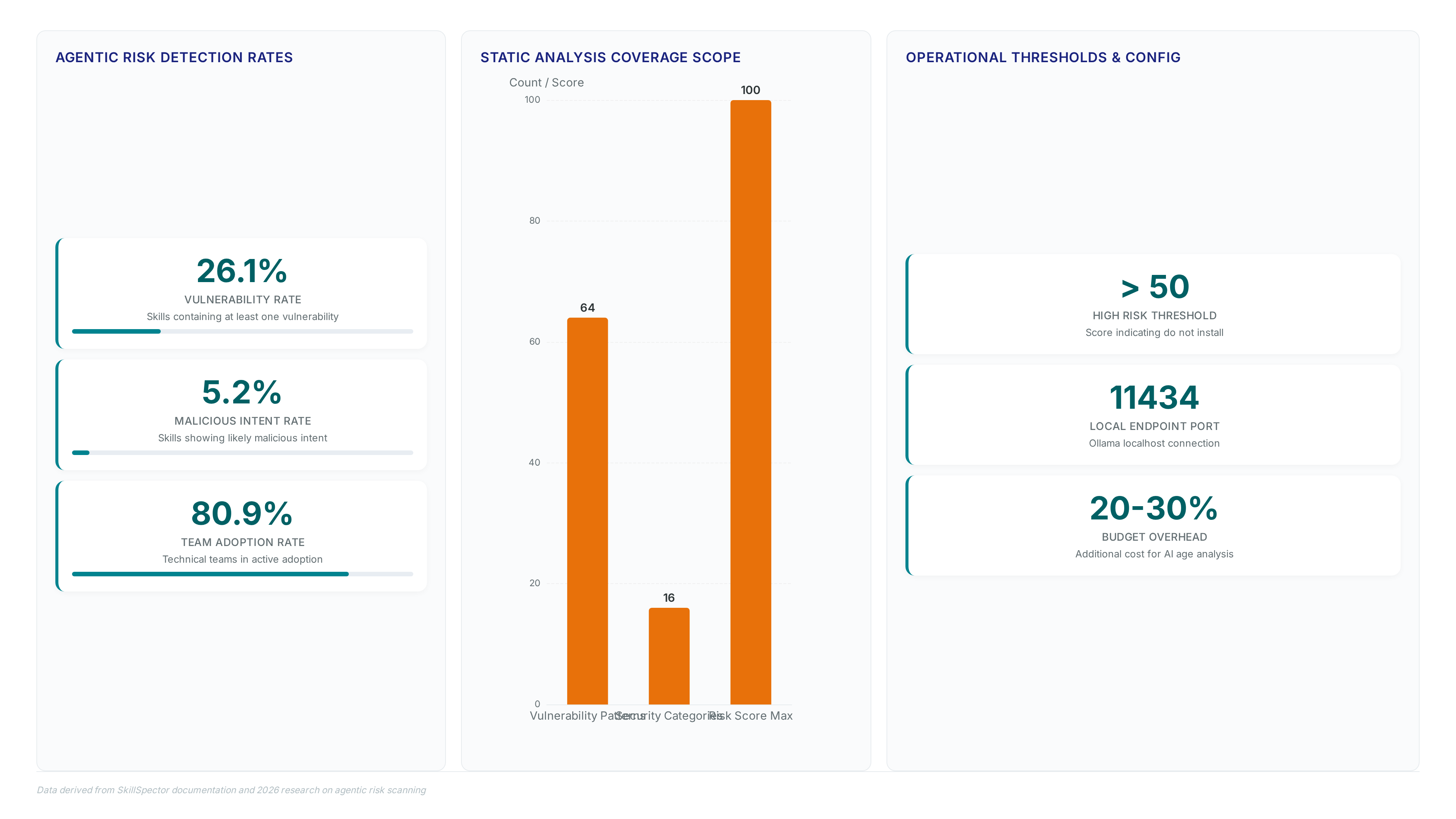
Executable scripts are 2.12x more likely to harbor vulnerabilities. I review how NVIDIA's SkillSpector uses dual-stage analysis to catch these threats.
After an agent deleted a production DB, I review Pydantic AI's 17,895-star approach to enforcing type safety and preventing runtime chaos.
With code churn hitting 7.1%, your CLI agent needs runtime profiles to separate chat from code execution safely.
OpenHands release cloud1.32.2 sets MiniMaxM2.7 as default, enabling agents to handle 30-minute workflows without collapsing under token costs.
Commit fbb7a00 in OpenHands 1.36.0 fixes legacy config loading. Learn why 40% of enterprise agents face these migration gaps.
ContextEcho tested 23 models. Anchor injection restores style but fails behavior. Learn why narrative internalization is vital for stable agents.
GLM-5.2 improved internal task success rates from 21/70 to 48/70 over its predecessor, signaling a shift in open-weight viability.
Learn how Eve's filesystem-first approach uses 1 token to resume sessions after server restarts without replaying history.
Stop context pollution before it breaks your workflow. Delegation runtime isolates subtasks, reducing context window overhead by 80% while keeping control.
With 97% of AI incidents tied to access failures, learn why decision-time governance beats egress monitoring for agent security.
SpaceX's $60B Cursor deal proves deep IDE integration beats chatbots. With 41% of code now AI-generated, context switching is the new bottleneck.
Gartner predicts 40% of apps will embed agents. Learn how crosslayer coherence prevents state drift between memory, authority, and action layers.
crewAI 1.14.7a3 patches aiohttp CVEs and enforces FlowDefinition. I break down the immutable changes protecting your 2B+ agent executions.
Codex now sees 20% nondeveloper adoption. We analyze the security gaps and governance needs as teams scale agent workflows beyond simple code.
With 2,117 active credentials found in MCP files, Airgap uses mount namespaces to strip secrets before agents ever read them.
Despite 91% test coverage, AI-generated code creates exponential debt. Learn why oracle functions break systems and how to audit for real fragility.
Legacy tooling fails at scale; agentnative systems use 60-minute temporary accounts to stop billing spikes and enable real autonomy.
Mitchell Hashimoto seeds AGENTS.md with traps to prove agents blindly trust external text. Learn why 1 corrupted file causes RCE.
Commit 0c522c2 locks the agent server image to version 1.23.1. I break down why this hard stop on drift matters for your Docker sandboxes.
Apple's M3 Ultra delivers 819 GB/s bandwidth, proving unified memory outperforms discrete VRAM for running large local models without latency.
Short prompts of 250 tokens keep models in peak form while longer inputs cause measurable degradation in output quality and speed.
The A3M Router executes queries across 47+ providers in parallel, replacing fragile sequential chains with reliable multimodel consensus for enterprise AI.
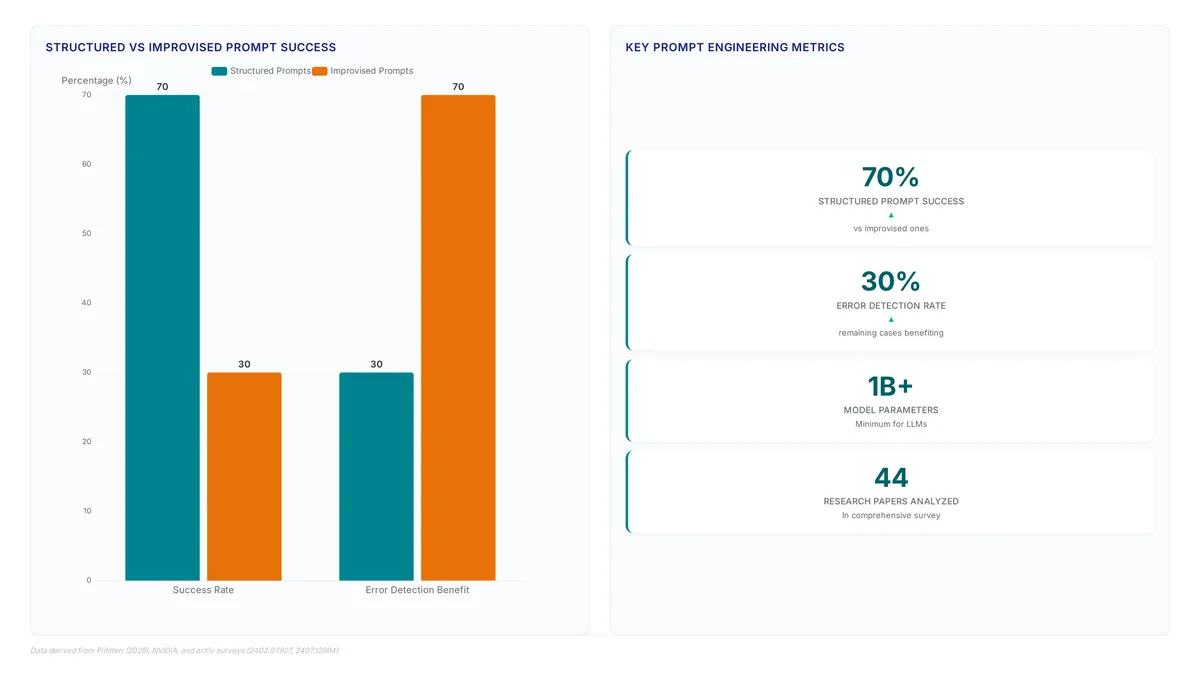
Stop iterative guessing by applying a strict 5-block prompt architecture that shifts probabilistic model outputs toward accurate, stable results.
Maria Perez-Ortiz's Planet-Centered AI paper has one buildable payload: monitorability and trajectory-oriented evaluation. Why greener compute misses the point.
See how parallel routing across 47+ providers delivers 60% cost savings while neutralizing hallucinations in complex agentic loops.
Prevent root saturation by moving Ollama models to /srv. Learn the systemd override method to handle large binaries without breaking the service.
Shift from ghostwriting to coaching with Ollama on Windows. This guide details a 100% offline workflow that keeps sensitive data secure.
LangGraph 1.2.3 merges callbacks instead of overwriting them and adds V3 streaming. This update fixes config loss in nested RemoteGraph executions.