Universal CLI: Modernize Cursor Agents Today
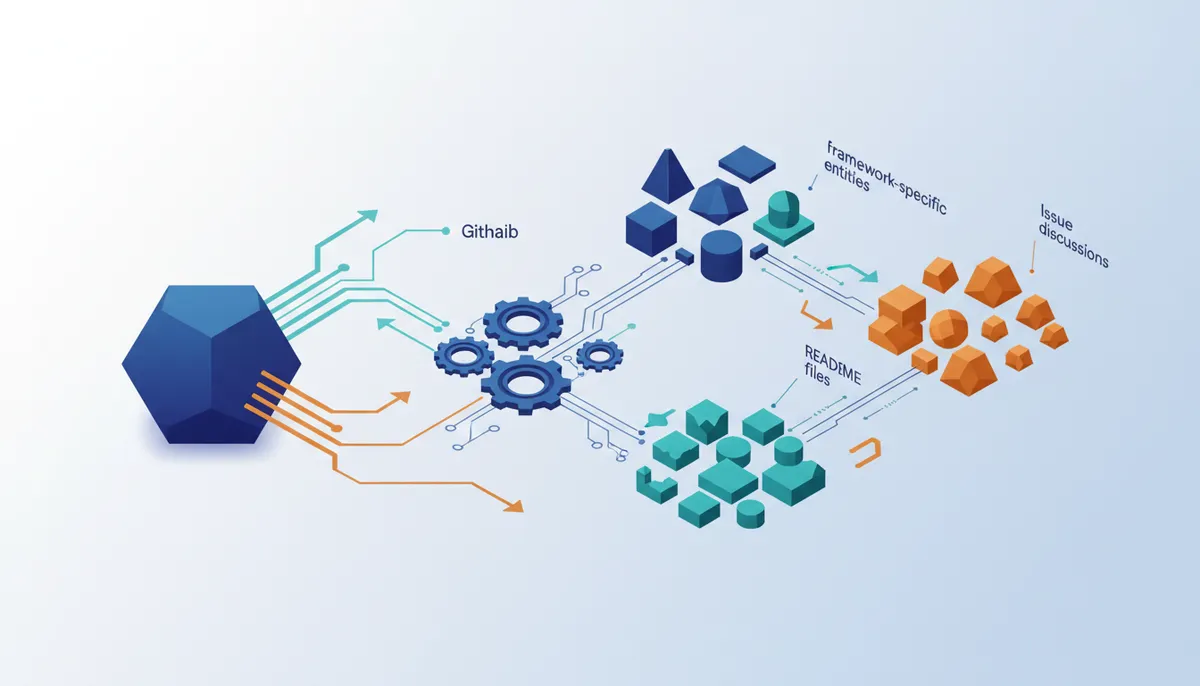
Composio's Universal CLI replaces complex MCP setups, enabling agents to execute over 20,000 tools across 1,000+ SaaS apps via managed OAuth.
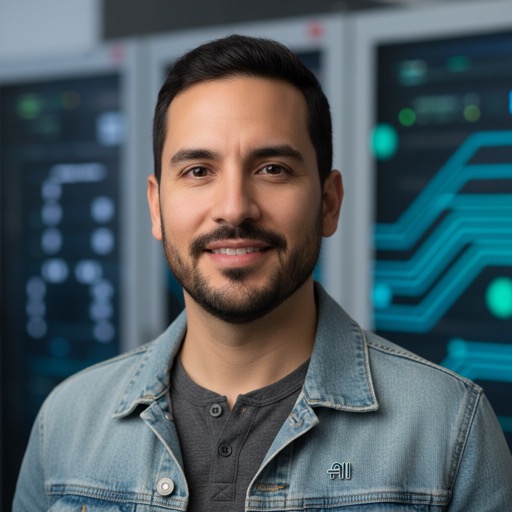
Developer Advocate
Diego Alvarez is a Developer Advocate at aiagentsnews.top focused on the tools developers use to build AI agents. He shares hands-on tutorials, framework deep-dives and practical guidance for shipping reliable agent applications.
External Profile
Composio's Universal CLI replaces complex MCP setups, enabling agents to execute over 20,000 tools across 1,000+ SaaS apps via managed OAuth.
Stop chasing raw volume. Learn why the 12% conversion rate on code intent queries matters more than broad traffic for builders.
Learn how agentic applications combine specialized agents with structured workflows to resolve nondeterministic enterprise intent and prevent sprawl.
Testing dozens of platforms reveals 35% of work can now be automated. Learn how agentic tools adapt when errors occur versus rigid scripts.
GitHub Copilot serves 15 million developers, yet true AI coding agents now plan multi-step tasks without hand-holding.
Hermes 0.6 uses parallel reference models to isolate reasoning from tool use, preventing hallucinated actions while improving decision quality.
Distinguish custom function tools from sandboxed Code Interpreter runtimes to prevent treating external connections as identical black boxes in agents.
Stop capability hallucination by grouping builtin and MCP tools into sets. This control layer ensures agents select only relevant functions before execution.
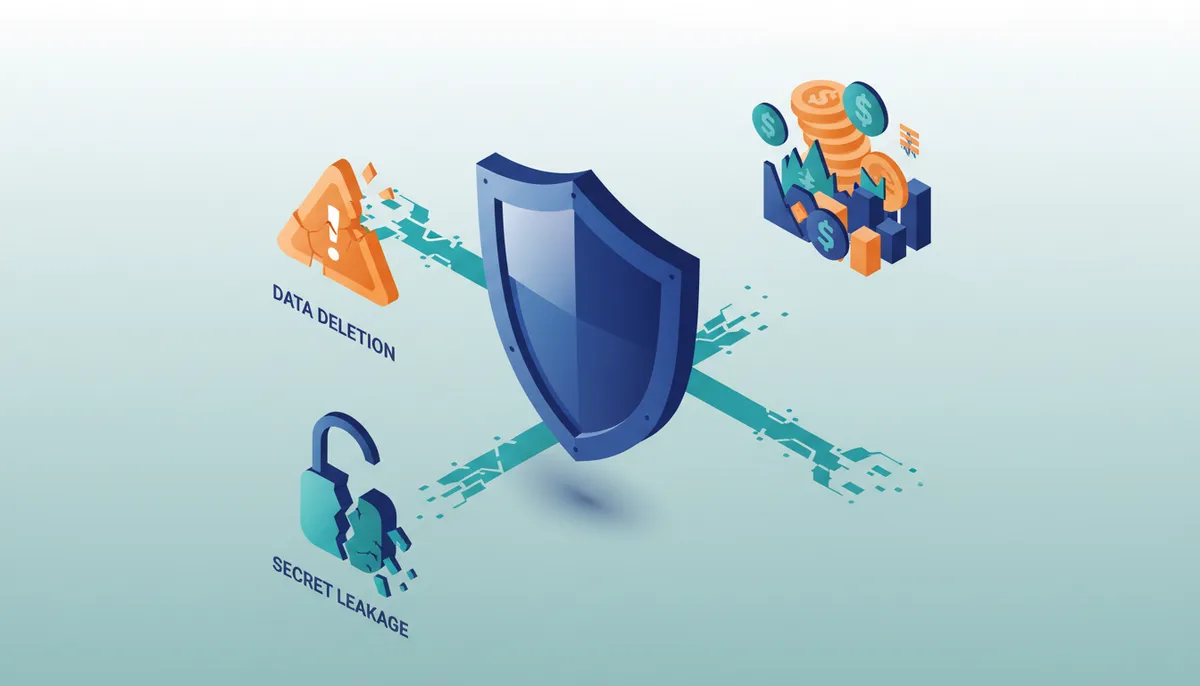
Learn how a runtime policy engine evaluates every proposed action to allow, deny, hold, or modify tool calls before execution.
I built recallsqlite to fix memory accumulation, keeping latency at 80ms while competitors drop to 0.05 accuracy with bloated contexts.
Splitting orchestration from execution can cut inference costs by around 10x. Learn how the orchestrator-worker pattern separates planning from routine tasks.
OpenHands cloud1.34.0 adds event filters to manage 247,000 stars of agent noise. Learn the new sandbox execution limits and config steps.
LangGraph SDK 0.4.1 enforces stateless projections and extracts decoders. Learn how the 36.2k-star repo now handles V3 streaming for RemoteGraph instances.
Learn to build a CircumferenceTool in LangChain. This guide shows how custom tools replace token-based guessing with grounded, repeatable functions.
Replace six identifiers with one grantid to manage agent accounts. This approach handles 40 MB outbound caps and truncated webhooks consistently.
Over 40% of product discovery queries now start in AI tools like ChatGPT and Perplexity, not Google.
Learn how Gemini's 85.9 BrowseComp score drives autonomous research. See how collaborative planning prevents wasted compute on misaligned queries.
Seventy percent of implementations will apply agents with narrow, focused roles by 2027, driven by the need for higher accuracy in specialized tasks...
OSWorld success hit 66%, yet agents still misclick. I explain why grounding errors cause 34% of failures and how data fixes this.
74% of orgs need human checkpoints. I test askahuman.ai, a private pager that alerts your phone when autonomous agents stall on production tasks.
Discover how to configure your container on port 8080 to stream SSE events and separate agent logic from frontend rendering with AGUI.
Autonomous agents stall at 3am because data access still demands human clicks for API keys or email verification.
By 2030, 80% of enterprise software will be multimodal. Learn to validate agent reasoning with component isolation and trajectory analysis.
Eleven firms published the ARD spec to fix agent blindness. Learn how aicatalog.json replaces flooding context windows with static records.
Learn how six distinct agent tool categories range from low-risk search to high-risk desktop control, plus why Model Context Protocol matters.
Merge 4 fragmented rule locations into one portable SKILL.md package. Learn the 5-step migration path to unify your team's AI conventions today.
With 46% of new code AI-generated, you must stop slopsquatting. Learn the 7pillar architecture to secure your agent workflows today.
See how SelfUse jumped TerminalBench scores from 23.8% to 38.1% by mining execution traces instead of tweaking model weights manually.
After 18+ production deployments, this guide compares 7 agent frameworks like LangGraph and CrewAI for reliable multiagent orchestration in 2026.
Learn how thousands of agents built across Amazon since 2025 prove static prompts fail. Discover framework-agnostic workflows to measure real task completion.
One misrouted tenant ID broke production. Learn the five-layer model to stop context bleeding across your AI agent workflows today.
See how distinct agents for research and SEO eliminate errors in one-pass generation, turning a 30-article backlog into a predictable assembly line.
Manage OpenHands, Claude Code, and Codex in one self-hosted interface. Learn how the system handles 16.1K-view workflows without cloud lock-in.
Choosing the right agent framework prevents technical debt that compounds silently until development halts.
With 57% of organizations running agents, static tests miss cascading failures. Learn to validate specific execution paths and tool calls effectively.
TerminalBench v2.1 uses 89 curated tasks to test if AI agents can execute complex system commands rather than just generating static code snippets.
The March 6, 2026 update adds a Planning Agent that forces requirement questions before coding, fixing context loss in autonomous workflows.
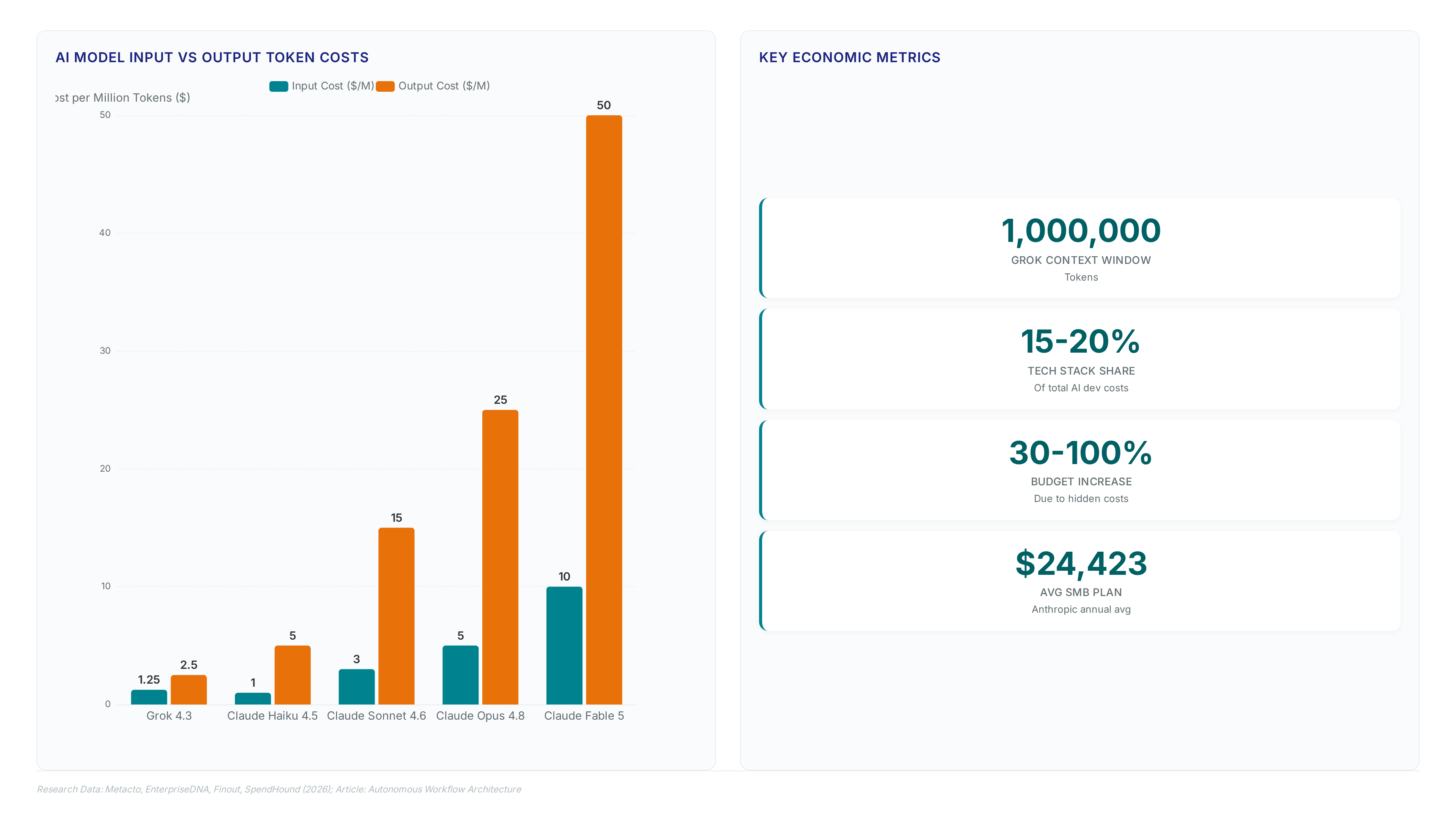
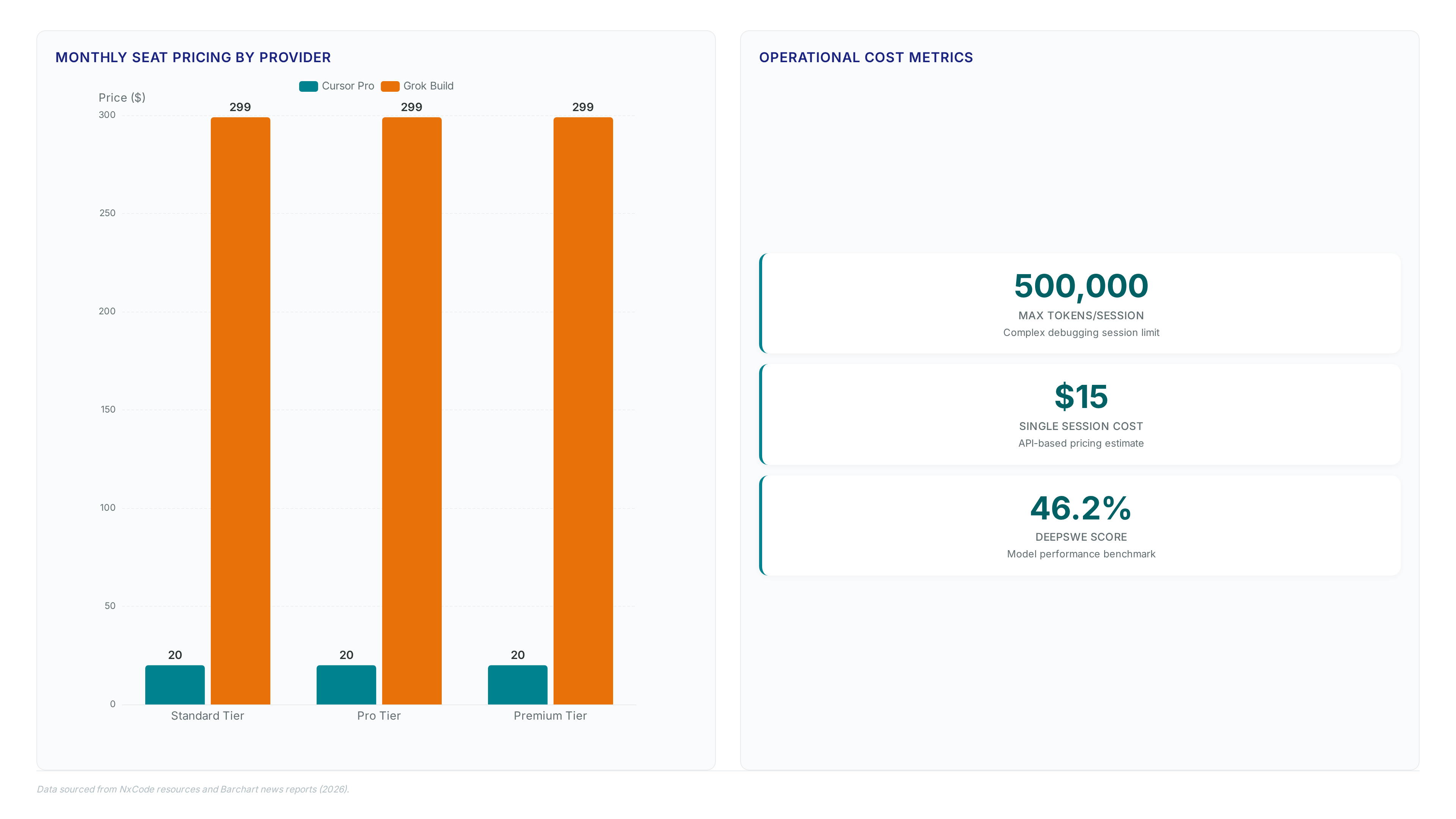
Fable 5 leads Cursor evals but hits high costs, forcing builders to adopt multimodel orchestration for sustainable 2026 agent stacks.
Learn how isolated worktrees prevent file locks when running parallel coding agents, based on a repo with 1,629 commits and strict session rules.
Learn how the tool use pattern lets agents bypass static data limits by executing external code and querying 177,000 tracked tools safely.
Compare Claude Sonnet 4.6 ($3) against DeepSeek V4 ($0.30) for Hermes Agent. Learn which model prevents malformed tool calls in production.
Alice Labs analyzed 18+ deployments showing Eve reduces mental load by swapping chains for a single runtime dependency and file conventions.
Learn to build agents that manage context across multiple turns using specific memory compression strategies and token monitoring.
Late 2025 data shows action-enabling tools are now the majority use case. Learn how nine specific tool categories prevent context window overload.
With 276 commits, this framework uses an LLM evaluator to test agent reasoning via multiturn dialogue instead of static string matching.
Build a local research agent using Gemma 4 and Tavily. This guide configures 32,768 context tokens for deep evidence synthesis on consumer hardware.
Shift from fixed scripts to autonomous models. Learn how the Loadout Pattern curates tool subsets to prevent context flooding in your agents.
Merge five fragmented tools into one agent loop. Learn how Strands Robots records LeRobotDatasets in MuJoCo for direct SO101 hardware transfer.
Skip the $7.60 per task fee. I show how to run Qwen3.6 locally on 32GB RAM for private, zero-cost code generation.
Learn how LangGraph replaces linear chains with cyclic graphs, using TypedDict to preserve conversation history across complex node interactions.
IFLYTEK open-sourced this project on September 20, 2025, enabling adaptive agents to replace rigid scripts for unattended automation tasks.
Ordinary engineering choices made this quarter define the agentic economy. Learn how June 2026 defaults impact machine autonomy and asset exchange rules.
Single agents fail by the third retry. Learn why text-to-SQL needs 3 to 7 specialized roles to prevent context bloat and pipeline crashes.
Stop re-explaining conventions to your agent. This guide uses Hindsight's LongMemEval benchmark results to fix OpenHands context loss.
Learn how LlamaIndex uses over 200 data loaders to connect static LLMs to live enterprise sources and bypass training cutoffs.
Plain language onboarding boosts completion rates from a minority share to a strong majority, proving that conversational interfaces solve the...
OpenHands cloud1.33.0 sets MiniMaxM2.7 as default to hit $0.002 per 1k tokens. I break down the config changes and cost trade-offs.
Stop brittle architectures. Run drills to verify fallback contracts before the 57% of execs who fear rebuilds face a real outage.
Fable 5's 80.3% SWEBench score is now inaccessible due to US export bans. I break down the geopolitical shift and what engineers must do.
SpaceX paid $60 billion for Cursor, ending the open market era. I break down how export controls now dictate which models engineers can access.
After six weeks of regressions, I rebuilt my agent to handle 40% of my work by fixing silent state corruption and flaky tests.
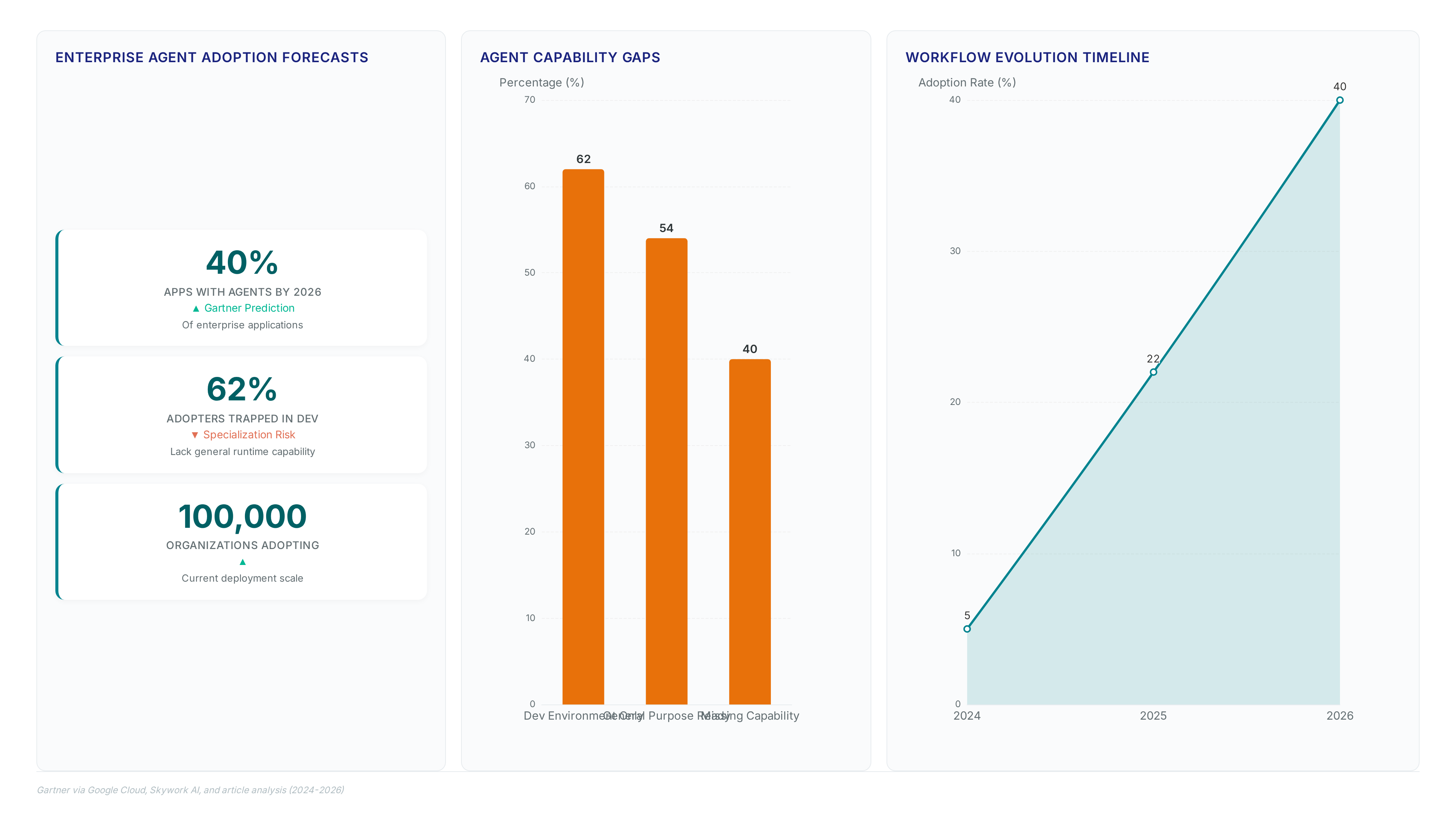
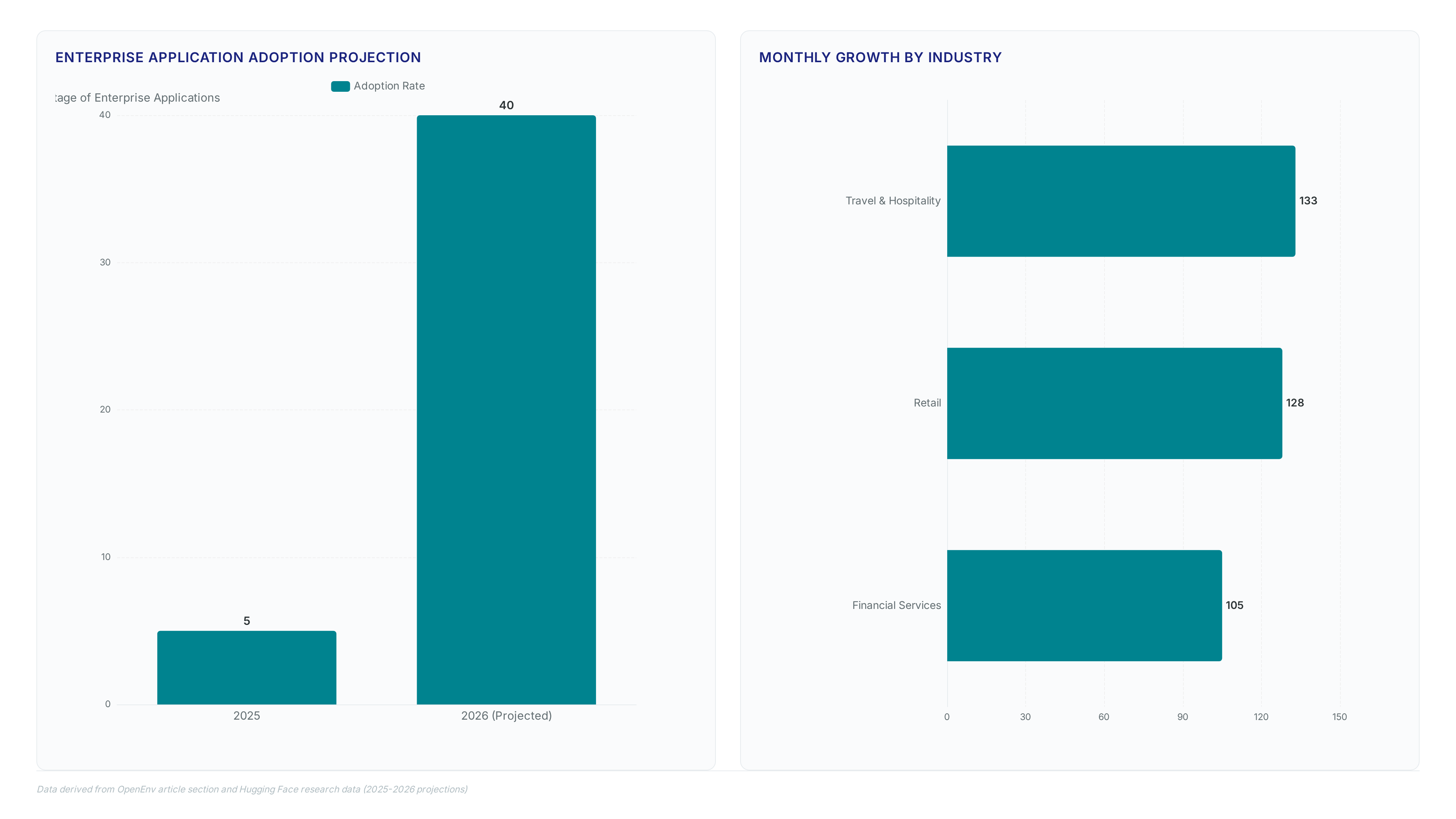
Stop paying the knowledge tax. AI agents now handle dependency resolution, helping 40% of apps embed tasks by 2027 without manual setup.
Most agent projects fail by 2027 due to bad architecture. Learn why static prompts collapse and how an external loop fixes real tasks.
OpenHands cloud1.37.3 fixes eventcallback indexing to stop UI stalls. This patch targets the bottlenecks affecting the platform's 78.9k stars.
OpenEnv went to a 10-org committee and shrank to a pure interop socket, refusing to own rewards. Why that bet is smart, where it can still fail, and what to do
A naive runtime can fire 120 calls for 100 orders. Learn how an idempotency ledger prevents duplicate charges when responses vanish.
Stop runaway LLMs from crashing your host. Set MemoryHigh at 12G and MemoryMax at 14G to throttle processes before the kernel kills them.
Agentic design patterns explained by build: the escalation rule, the four-beat verify loop, multi-agent token costs, and how to pick the minimum structure.