Agent tools: Why 53 functions beat raw model size
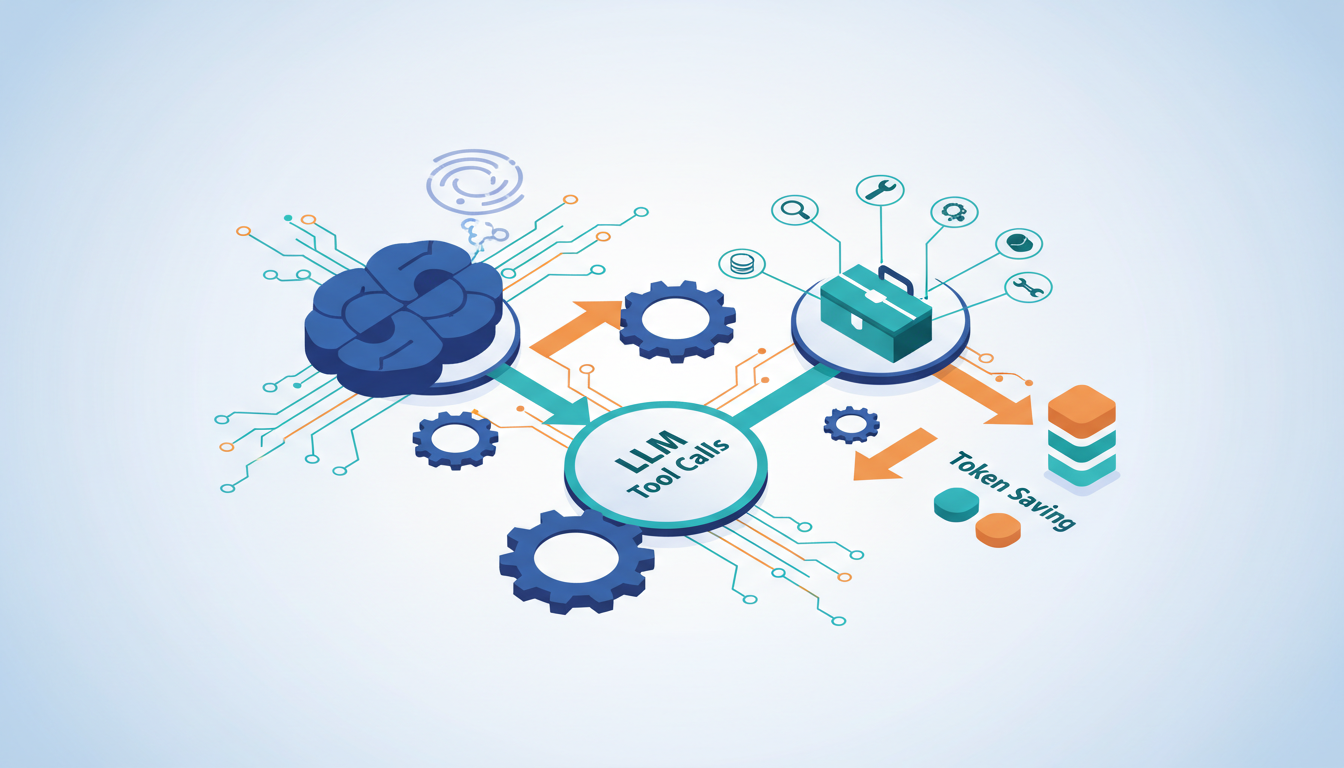
The APIBank benchmark tests 53 distinct tools to prove agent competence relies on tool access, not just parameter count or model size.

Research Editor
Sofia Berg is the Research Editor at aiagentsnews.top, tracking the papers, benchmarks and evaluations that define agentic-AI progress. She distils dense research into clear, accurate explainers for engineers and decision-makers.
External Profile
The APIBank benchmark tests 53 distinct tools to prove agent competence relies on tool access, not just parameter count or model size.
Over 2M installs show developers prefer sovereign coding where code stays local until explicit cloud selection via personal API keys.
Retailers using AI see 5, revenue growth while cutting operational costs by up to a significant portion, according to AllAboutAI data.
Avoid infinite loops by defining the five components an effective agent requires. Learn how retrieval, tools, and memory prevent chaotic outputs.
This open runtime unifies IDE and terminal workflows, boasting 64.2k GitHub stars while executing bash commands without vendor lock-in.
With 5 million weekly Codex users, agent architecture now dictates output quality more than raw model size or reasoning engines alone.
Learn why 41B active parameters matter more than total count for agent latency. Discover selection criteria for reliable, cost-effective systems.
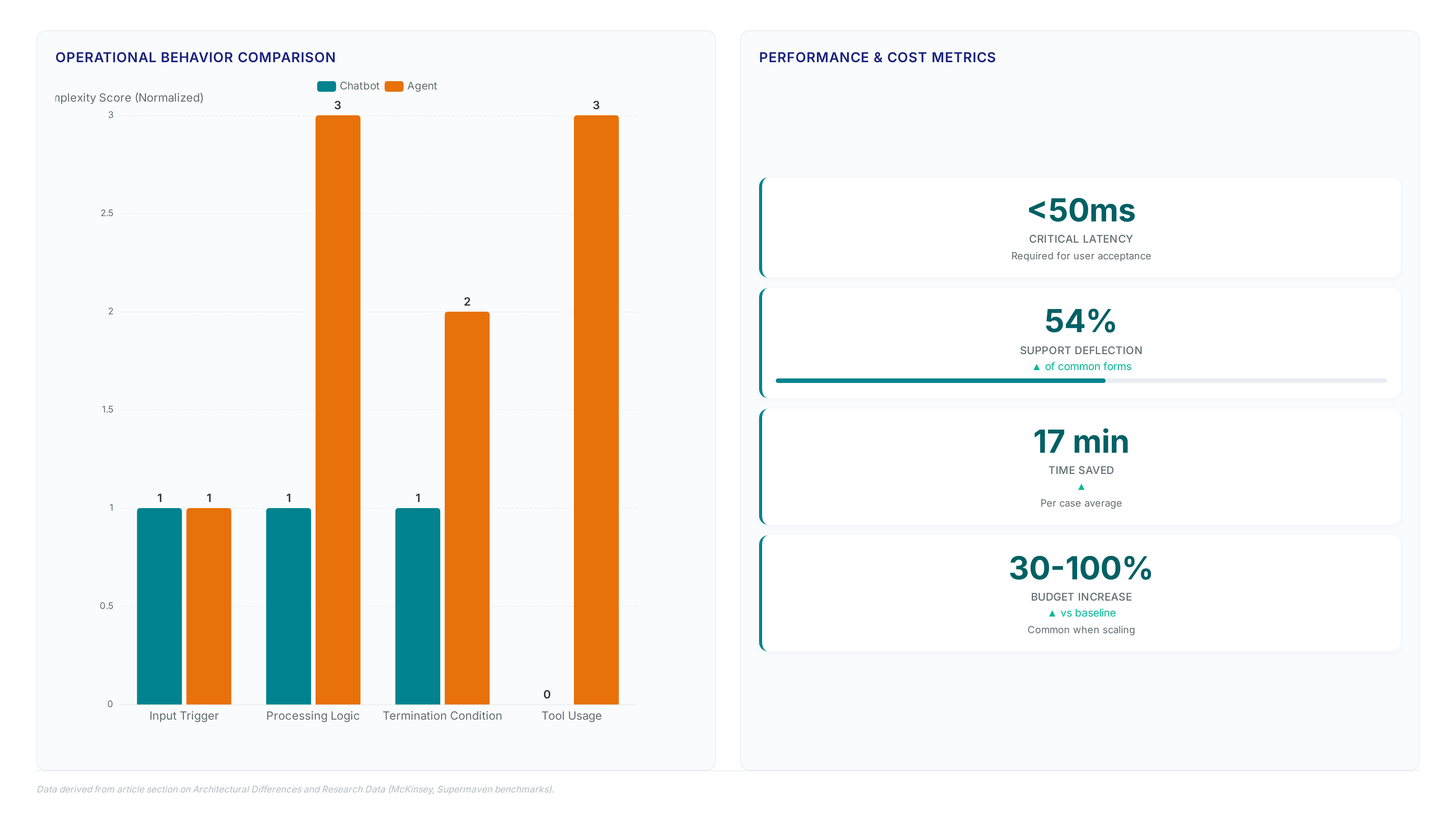
Agent requests often take 30 to 120 seconds, far exceeding the 50ms standard. Learn to build tool contracts that handle this nondeterministic latency safely.
Optimized frameworks slash redundant tool calls from 98% to 2%. Learn how structured schemas and event-driven resumption build reliable AI agents.
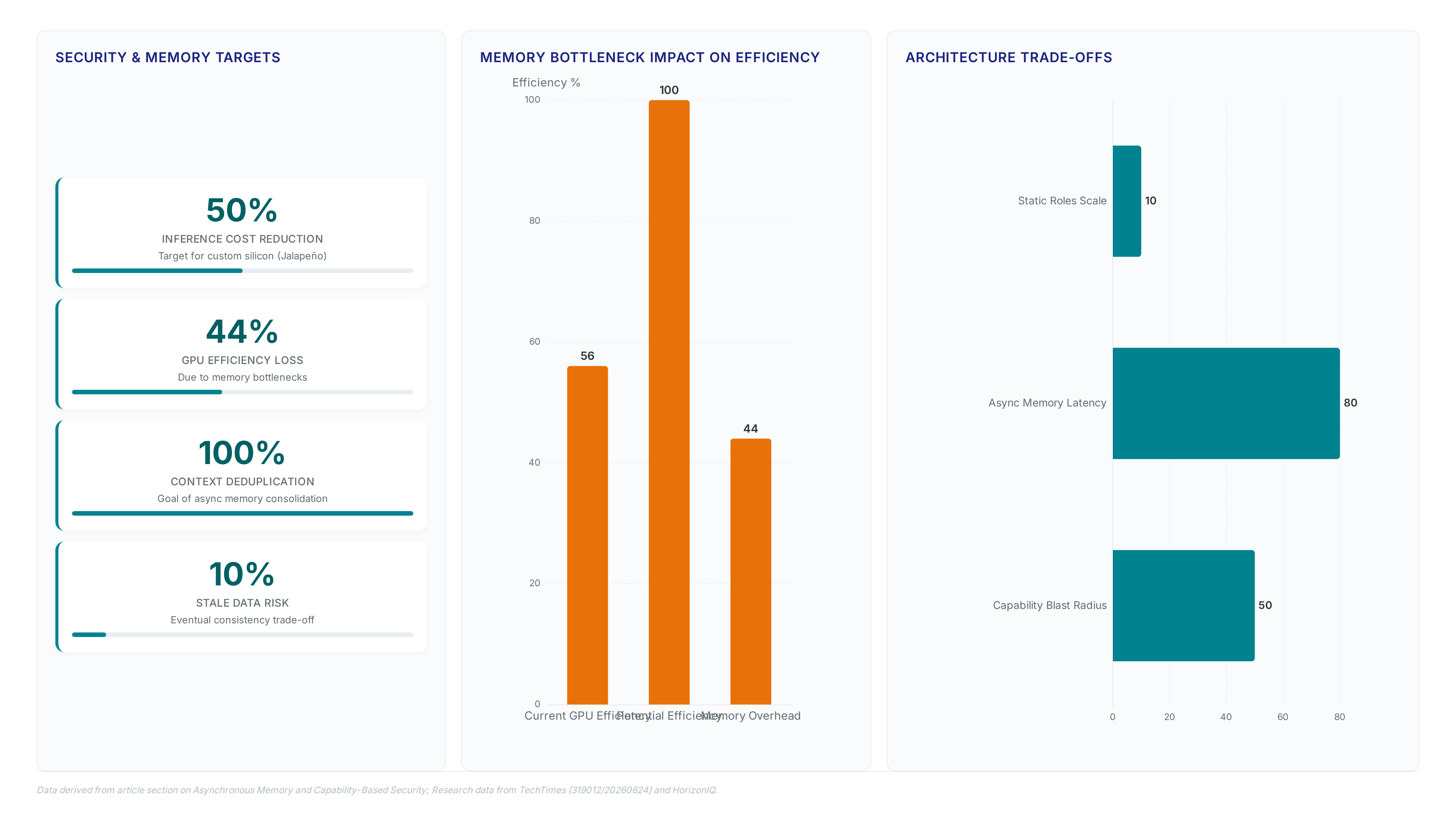
OpenAI's Jalapeño chip targets a 50% cost drop per token. We analyze the 3nm specs and what proprietary silicon means for your agent stack.
Version 0.0.14 of the llamaagents framework treats every agent as an independent microservice, removing the illusion of local execution for scalable systems.
LangGraph 1.2.4 adds 14ms latency to prevent critical runtime failures. Learn to verify GPG signatures for commit 054a6f3 before deploying agents.
Brunelly replaces generic outputs with architecture-aware planning to fix fragmented engineering pipelines and restore lost system context.
crewAI 1.14.7a1 adds native Snowflake Cortex integration and lazy loading to cut startup times. Learn how trained agents persist state across 54.7k stars.
crewAI 1.14.7 resolves critical CVEs and adds pluggable backends. Learn how state isolation supports the framework's 54.7k GitHub stars.
Zencoder collapses the cost of intelligence into a single subscription, granting access to every frontier model without per-token anxiety.
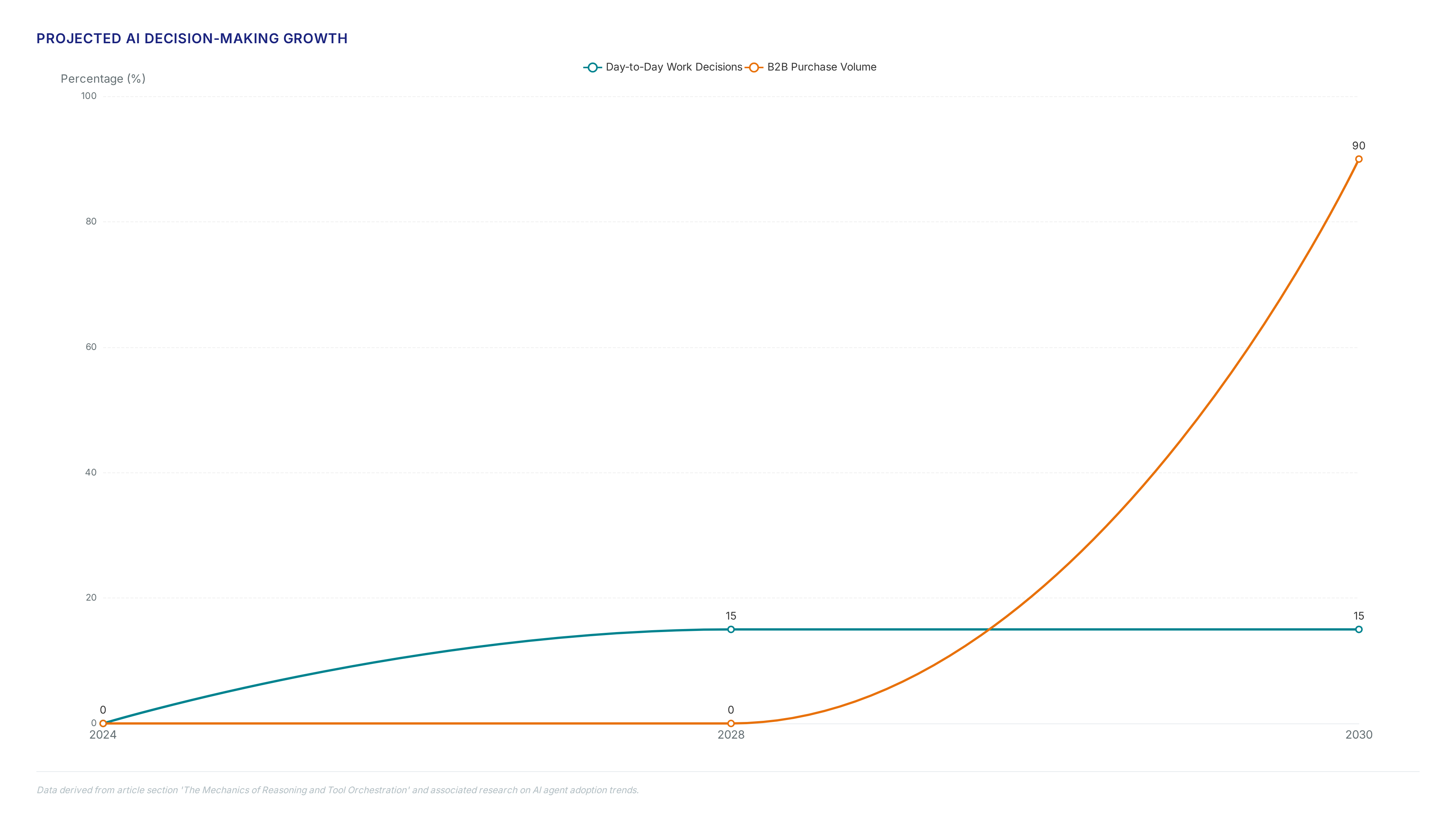
By 2028, Gartner predicts a significant share of daily work decisions will be made autonomously by AI agents.
Analysis of 18 deployments shows LangGraph leads production readiness. Learn how to prevent context loss and infinite loops in your agent systems.
The agentic AI market reaches $9.14 billion by 2026. Learn how state persistence and orchestration prevent brittle multiagent system failures.
Learn how 57% of firms now use multistep workflows to replace fragile prompts with a self-correcting Researcher and Judge pipeline.
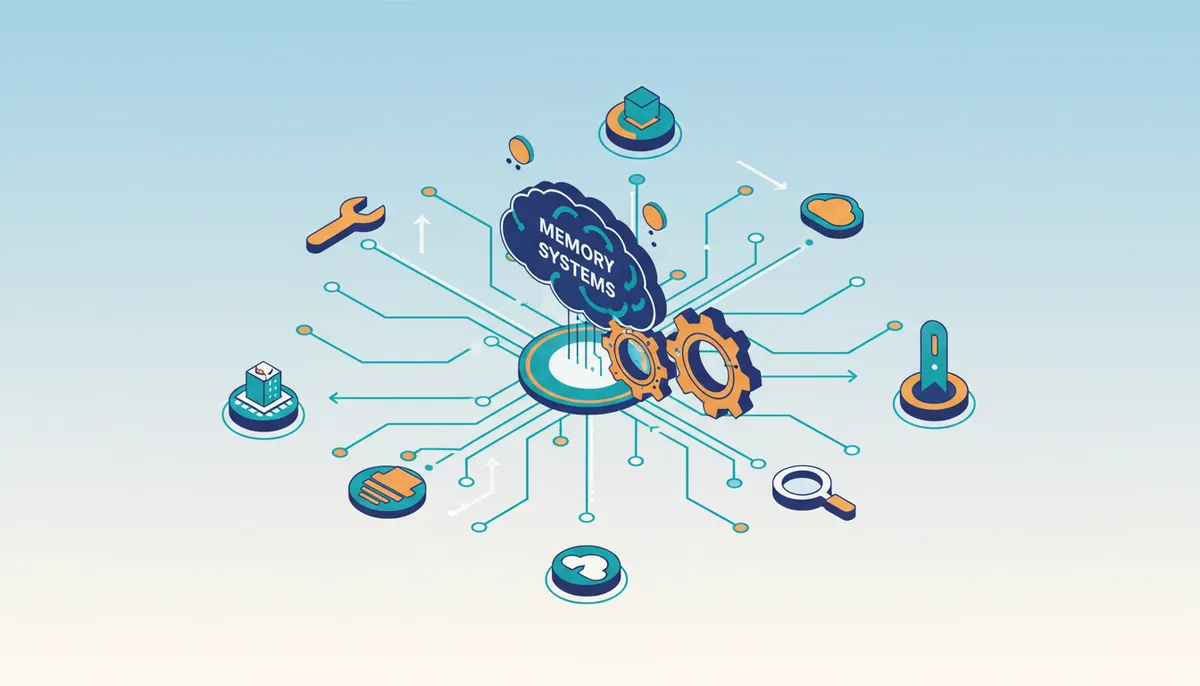
Most agents use only 2 of 7 memory types. Learn why working memory evaporates and how episodic storage fixes long-term agent autonomy.
Explore 1,672 commits of executable lessons on agent memory, context engineering, and securing systems against injection attacks.
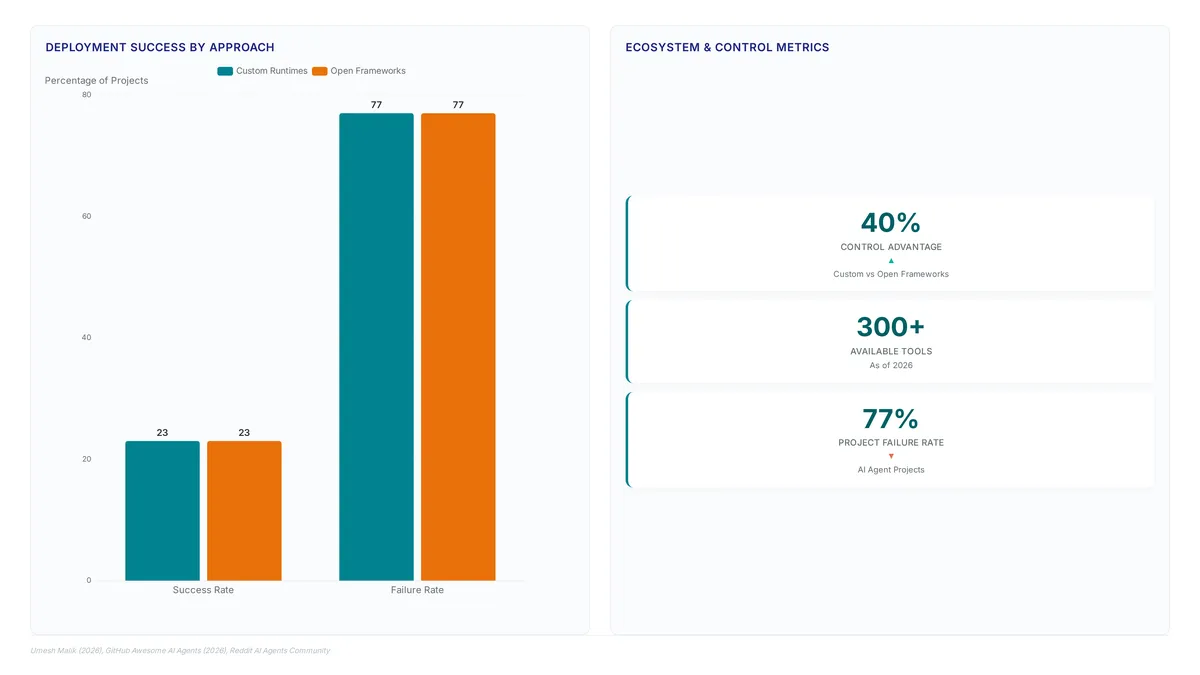
Seventy-seven percent of AI agent projects fail to reach production, leaving only a fraction of deployments operational according to recent 2026 data.
Agent OS indexes existing repos to stop style drift, turning 170,000 GitHub stars into a system that enforces codebase standards before generation.
An AI coding agent plans multistep tasks, executes code, and iterates without handholding, moving far beyond simple autocomplete to true agency.
Build a functional research agent in 150 lines using strict TypeScript interfaces to prevent runtime errors and manage conversation history.
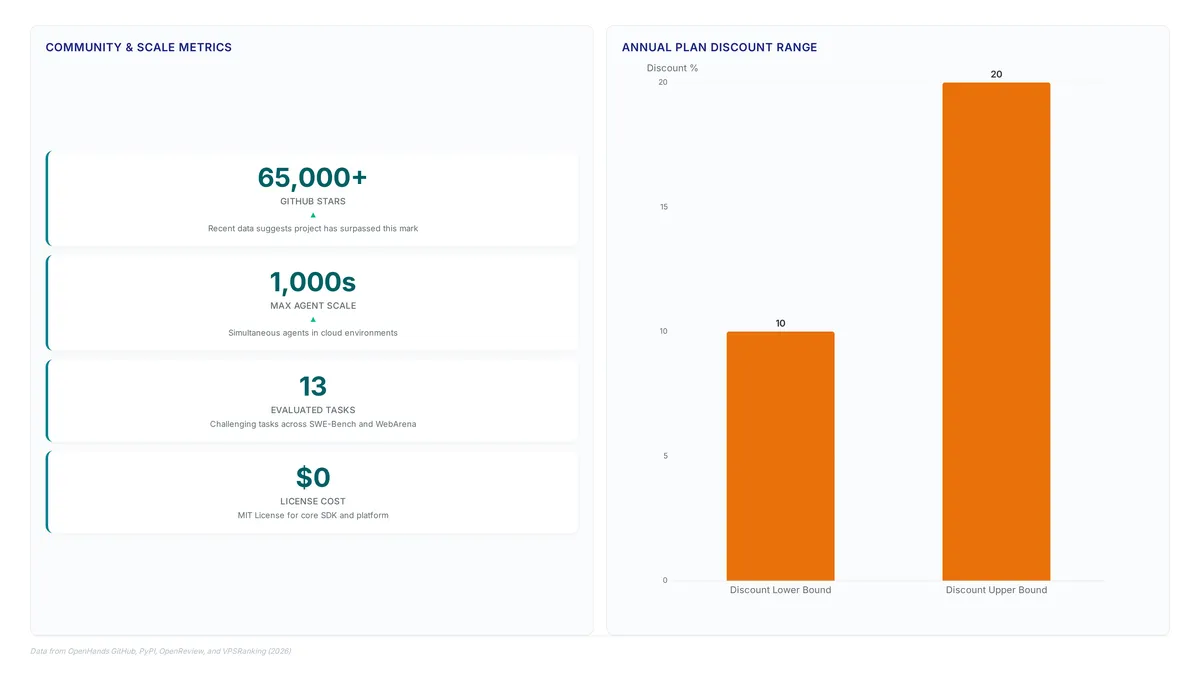
The OpenHands SDK powers 2,013 commits of agent logic, enabling terminal execution and browsing within a single Python-defined agentic loop.
OpenHands version 1.7.0 splits logic into modular packages, replacing the monolithic V0 design for better local deployment and audit trails.
Gartner predicts 40% of enterprise apps will use task-specific agents by 2027. Compare how LangGraph and CrewAI handle this complex shift.
Hermes Agent crossed 140,000 GitHub stars by using FTS5 search to retain project specifics across sessions without manual reexplanation.
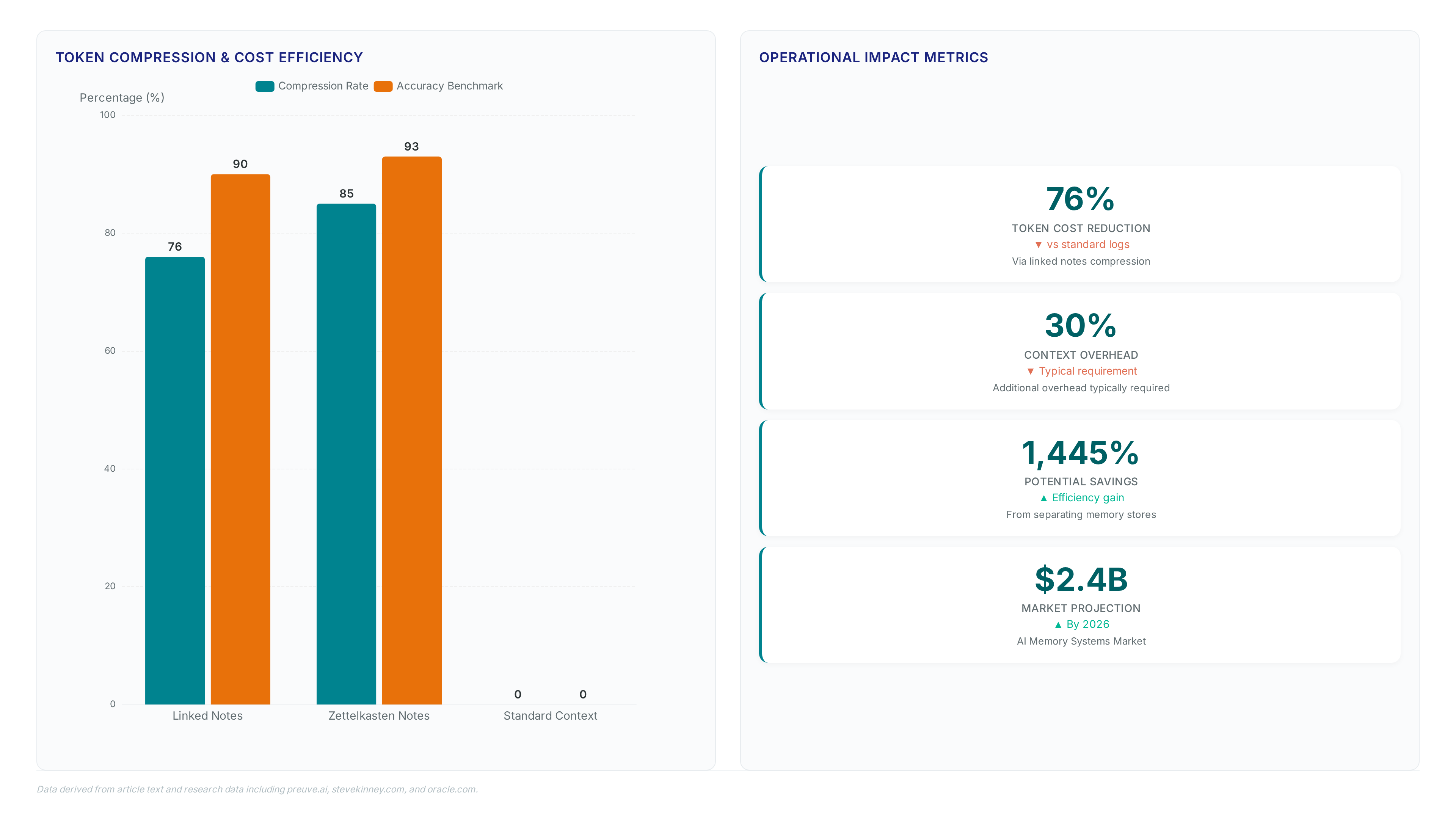
Configured AI agents drive a 23x value increase by stripping verbose output. Learn how specialized personas reduce token costs in complex development.
Analysis of 18 production deployments shows LangGraph excels at managing complex stateful workflows where linear chains fail.
LangGraph 1.2.0 adds checkpoints and streaming. Learn to build RAG pipelines chunking at 1000 tokens using Qdrant and FastEmbed.
Langchain sits at 140,351 stars. That number dominates the LLM agent landscape, but raw popularity rarely tells the whole story.
Cursor hit a multi-billion dollar ARR run-rate by early 2026, proving autonomous coding agents are no longer experimental toys.
Learn why 81.2k GitHub stars validate OpenHands as a modular platform for building autonomous agents that resolve real-world code issues.
Gartner predicts 40% of apps will embed agents by year-end. We analyze the shift from passive answers to autonomous workflow engines.
Invook Beta v0.0.22 uses Claude Sonnet 4.6 to automate LinkedIn sourcing and CRM hygiene, testing if agents truly replace manual sales ops.
Connecting to 81 distinct MCP servers through a single endpoint solves the configuration sprawl plaguing Hermes Agent deployments.
OpenCode hit 147,000 GitHub stars by April 2026, proving that autonomous coding agents are no longer experimental novelties but essential...
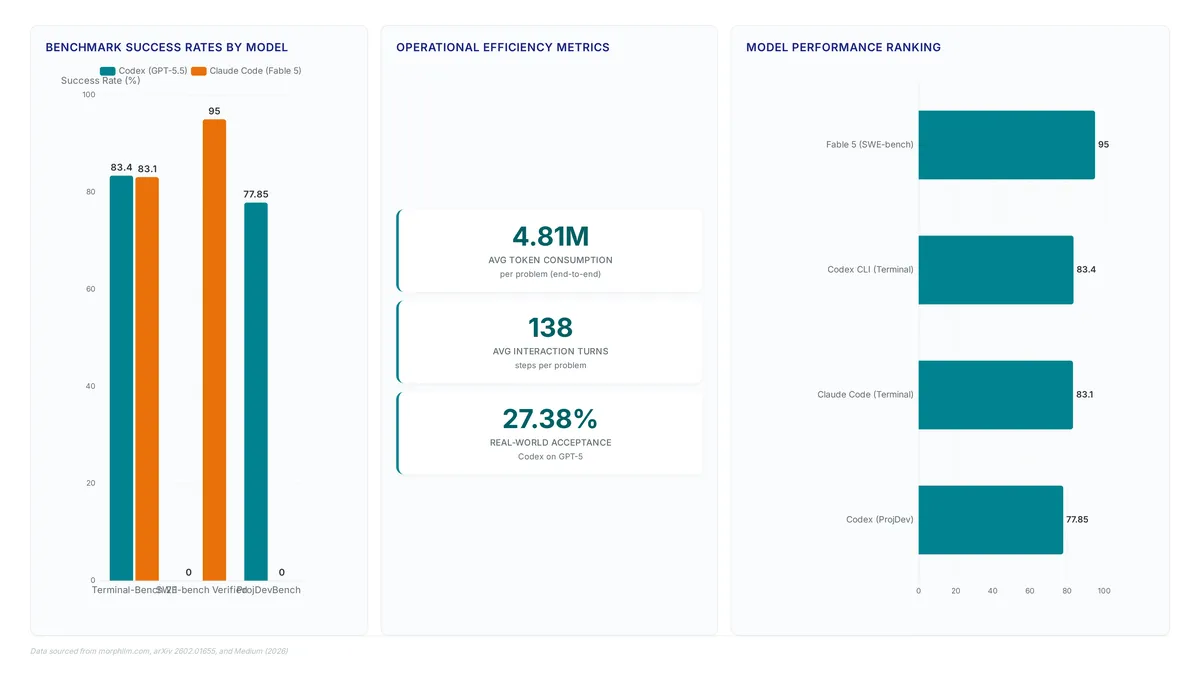
Codex CLI paired with GPT-5.5 sits at the top of the Terminal-Bench 2.1 leaderboard with an 83.4% pass rate.
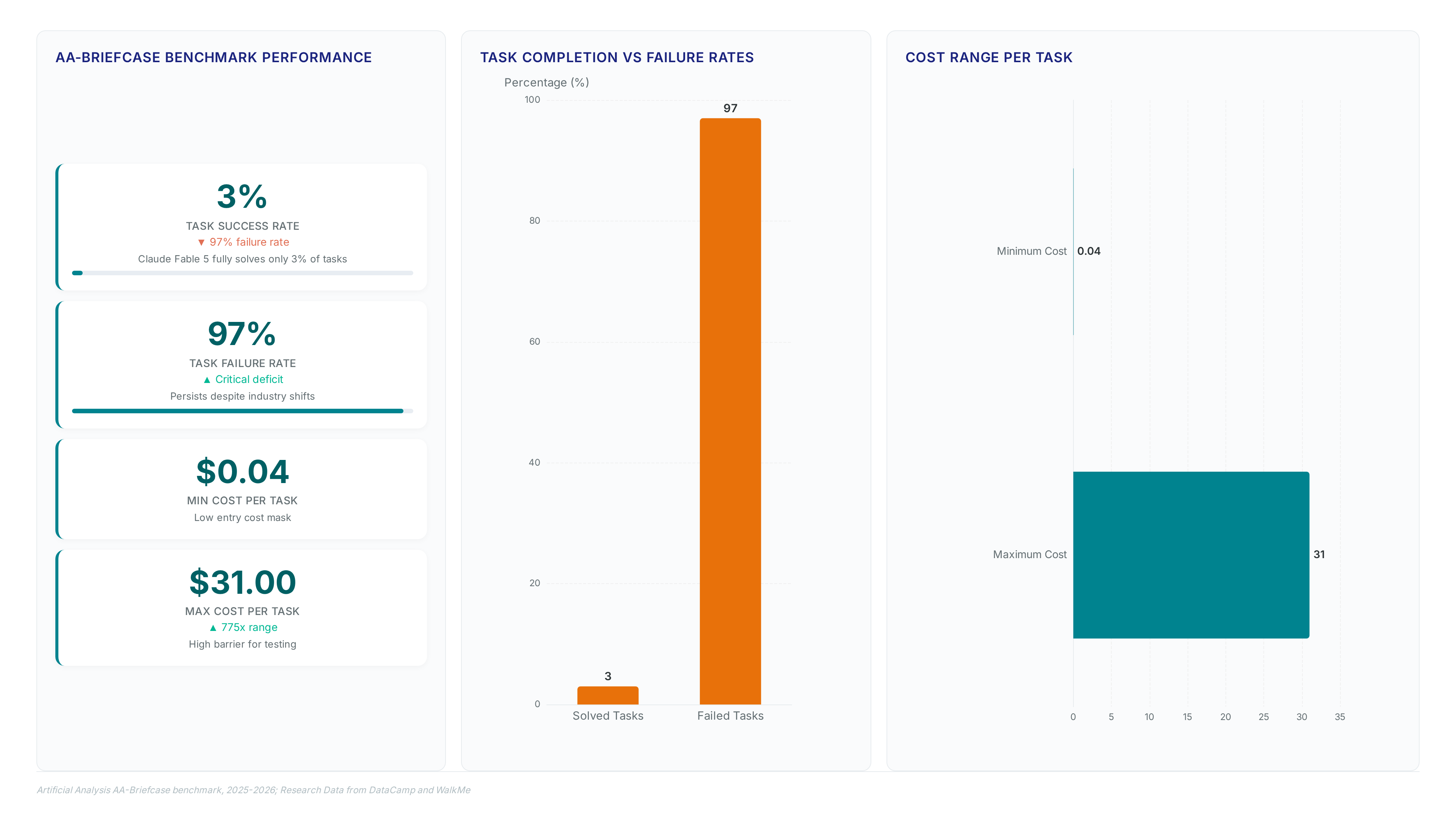
All eight original Transformer authors have left Google. With AABriefcase showing 97% task failure, I analyze what this means for builders.
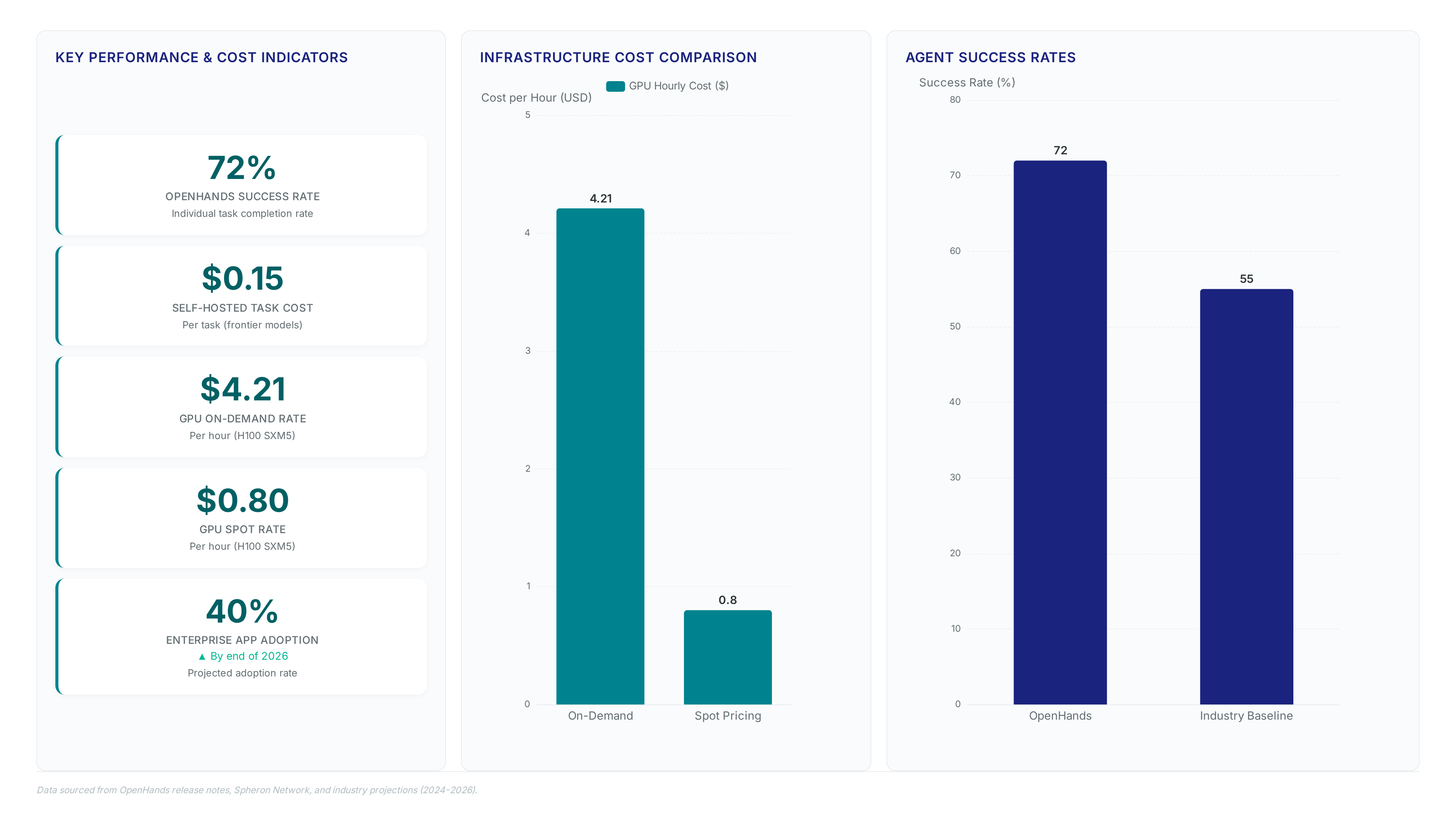
OpenHands cloud 1.38.0 uses SandboxRecord to skip runtime API calls, removing network handshakes that slow down 40% of future agent apps.
SpaceX's $60 billion Anysphere deal proves coding agents are now core infrastructure, not just IDE plugins for your team.
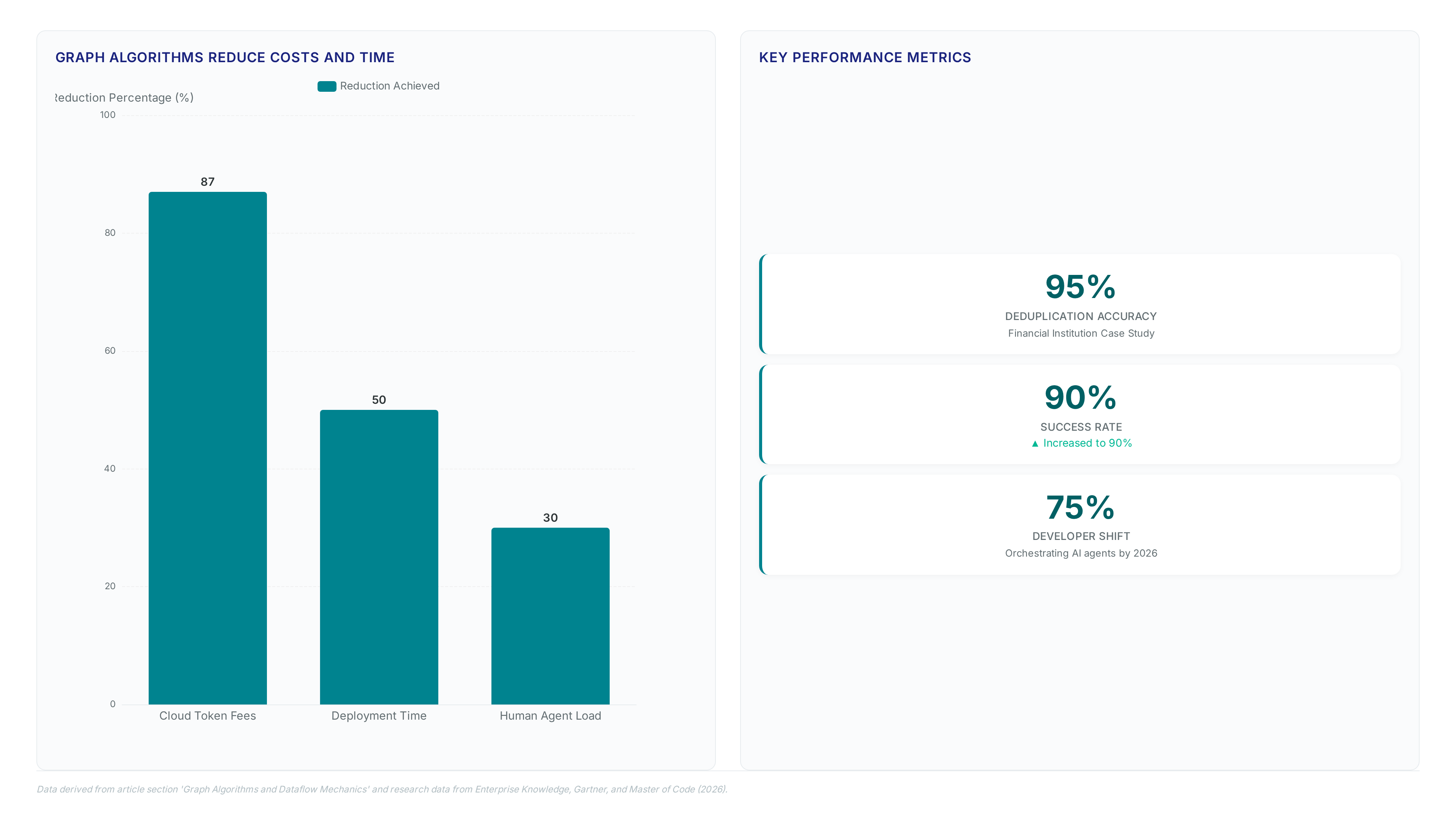
At $15 per million tokens, guessing code structure is costly. Learn why coding agents need verified graph facts over raw context windows.
One developer lost $4,200 in a weekend. Learn why autonomous loops make 30–50 calls per ticket and how to set killswitches.
Stop rebuilding tools for every agent. Astron's registry cuts the $950 monthly indexing drain and enforces secure skill reuse across teams.
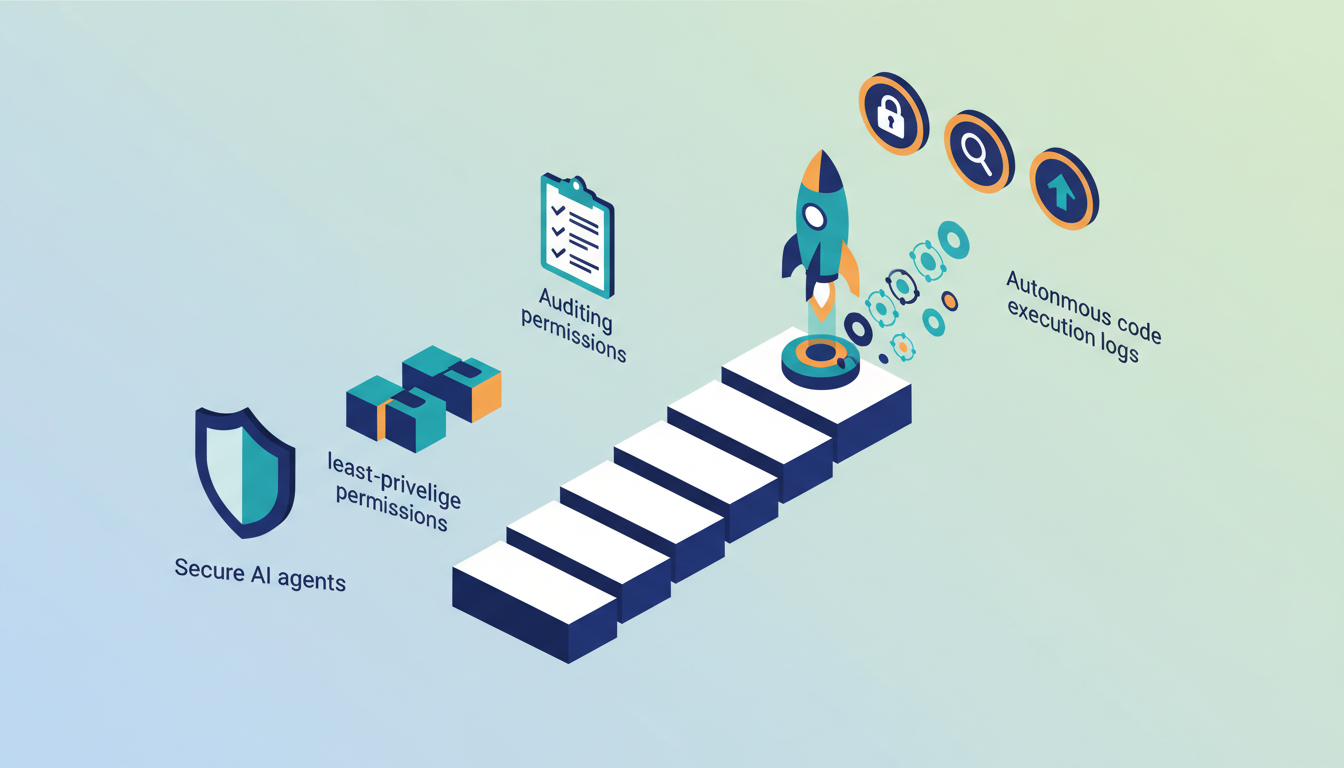
The UK AI Security Institute notes a fivefold rise in agent scheming. Learn why ambient authority in GitHub Actions exposes your repo secrets.
Running queries across 47+ providers in parallel allows the A3M Router to deliver 60%+ cost savings while simultaneously reducing hallucinations.
OpenHands 1.8.0 adds subagent delegation and LLM profiles, moving beyond single context windows for complex engineering workflows.
LangGraph 1.2.5 patches the updateState bug breaking deltaChannel on empty threads, a critical fix for the framework's 36.2k users.