Superpowers framework: TDD workflows for coding agents
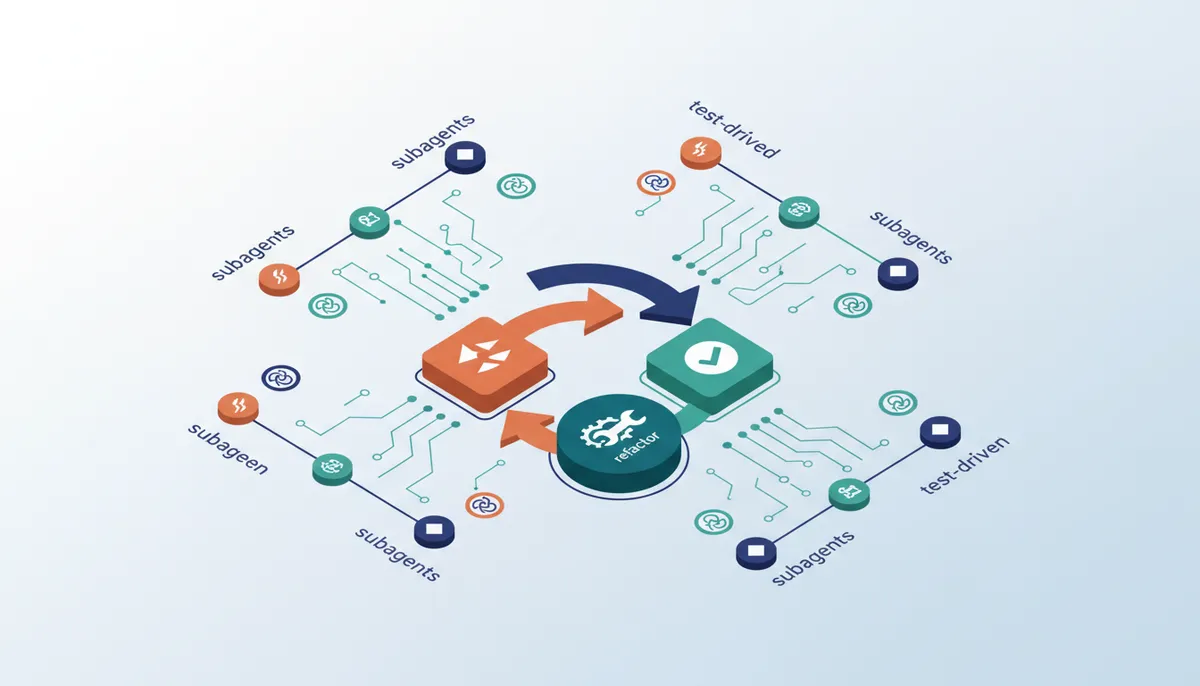
Hermes Atlas's Superpowers framework targets the 80% SWEbench gap by enforcing spec validation before code generation in autonomous agents.

Intent by Augment Code required the least manual reconciliation during parallel work on shared contracts in early 2026 testing.
Stop chasing raw volume. Learn why the 12% conversion rate on code intent queries matters more than broad traffic for builders.
CodeGPT has secured over 2M+ installs by letting developers code with their own API keys, with proactive threat detection and custom rules layered on top.
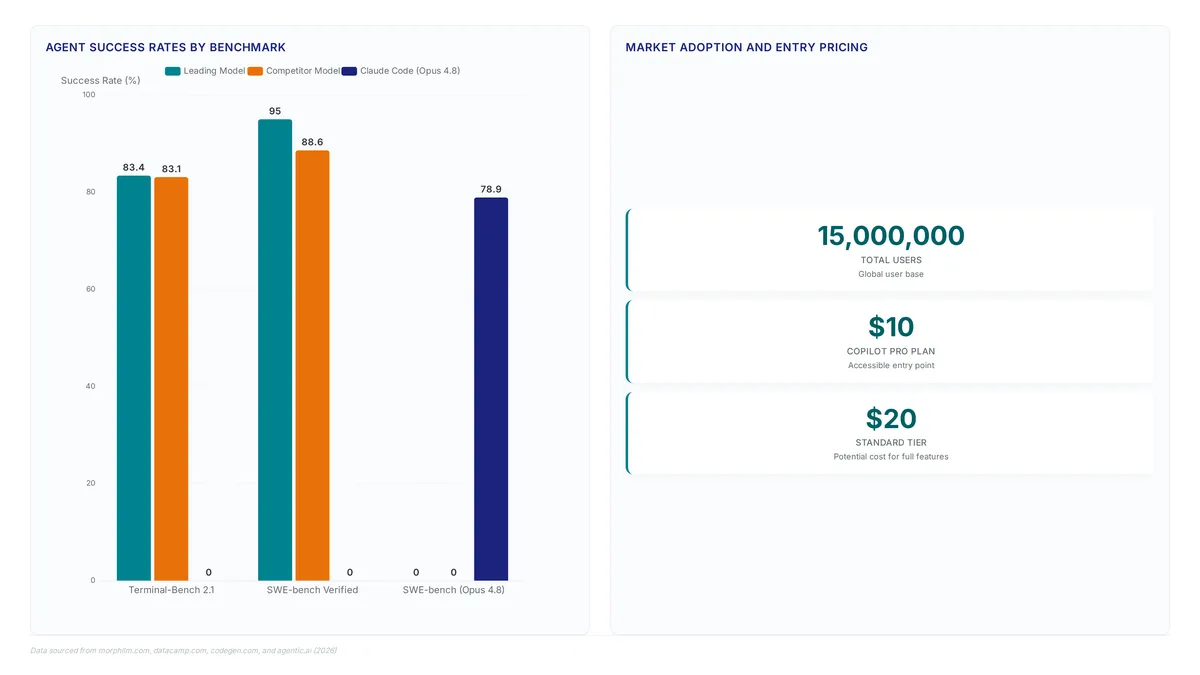
GitHub Copilot serves 15 million developers, yet true AI coding agents now plan multi-step tasks without hand-holding.
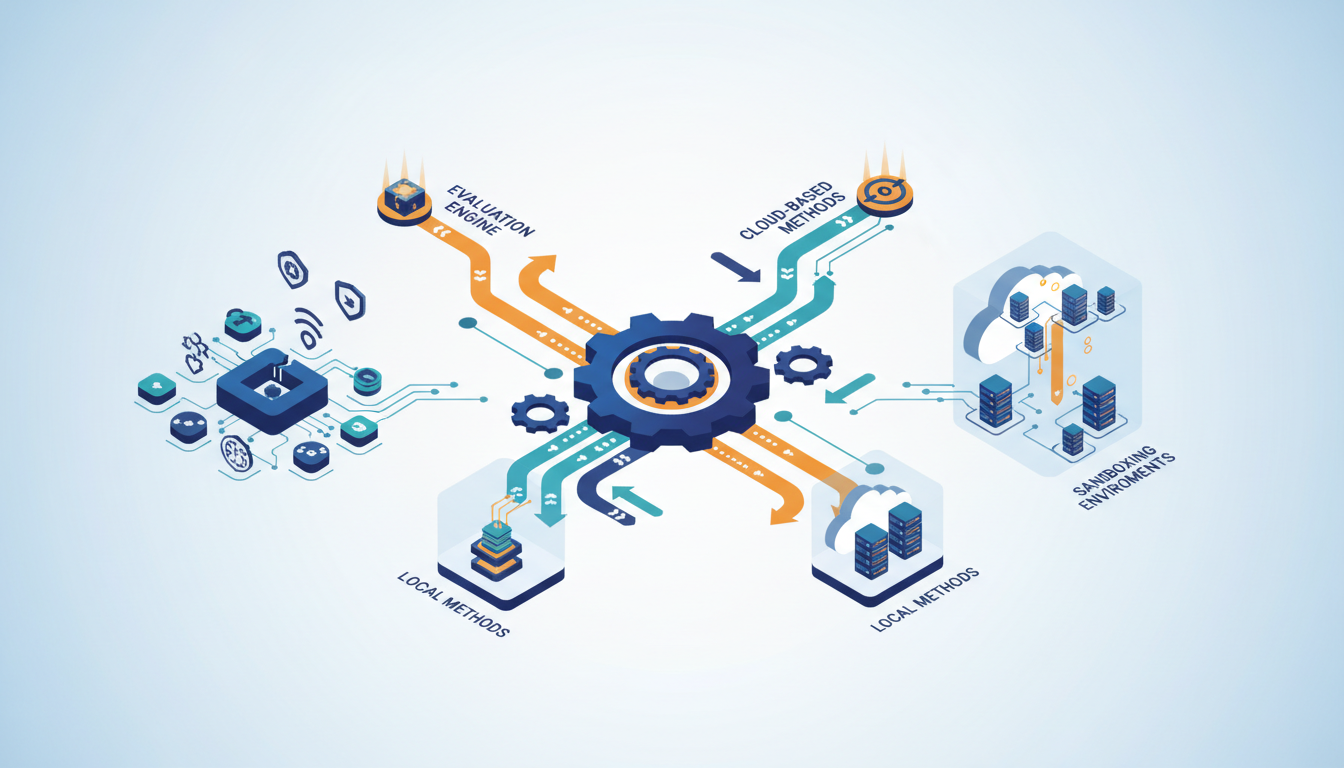
Distinguish custom function tools from sandboxed Code Interpreter runtimes to prevent treating external connections as identical black boxes in agents.
Stripe deployed Claude Code across 1,370 engineers to complete a 10,000-line migration in four days, marking a shift to agentic execution.
Static data causes deprecated advice. Learn the three missing layers preventing agent autonomy in modern development workflows today.
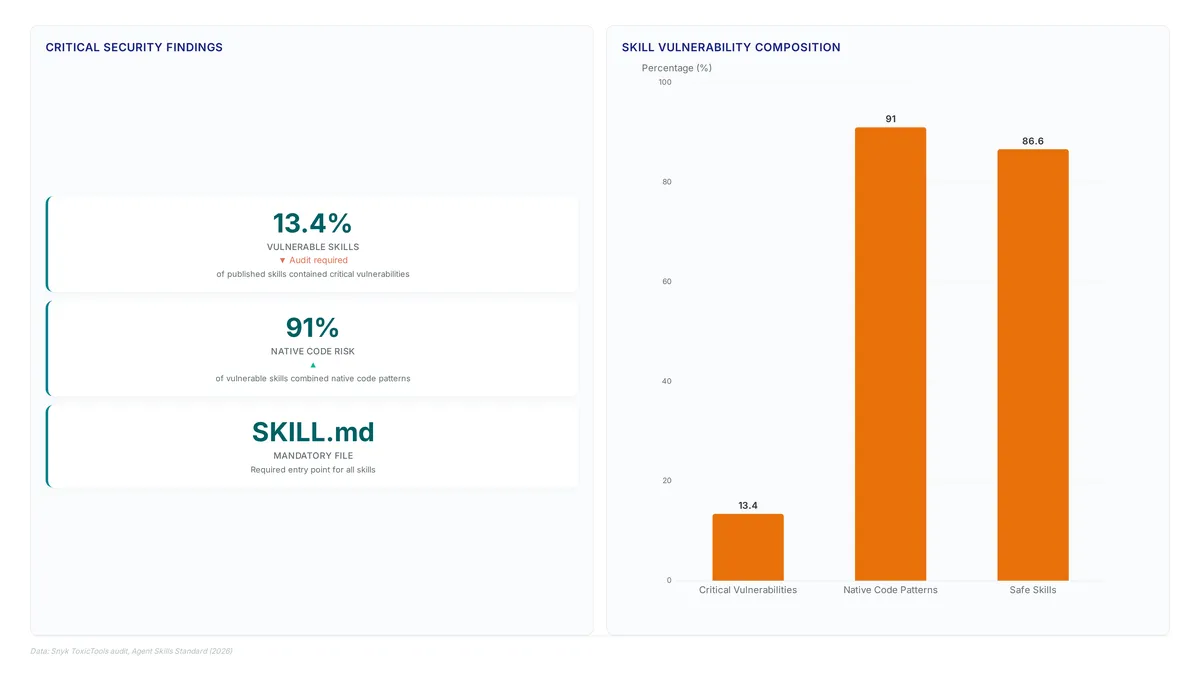
Learn how the SKILL.md entrypoint combines YAML frontmatter with markdown to create portable units for four distinct agent components.
Zencoder bundles every frontier model into one subscription and assigns each model a distinct job in the coding pipeline.
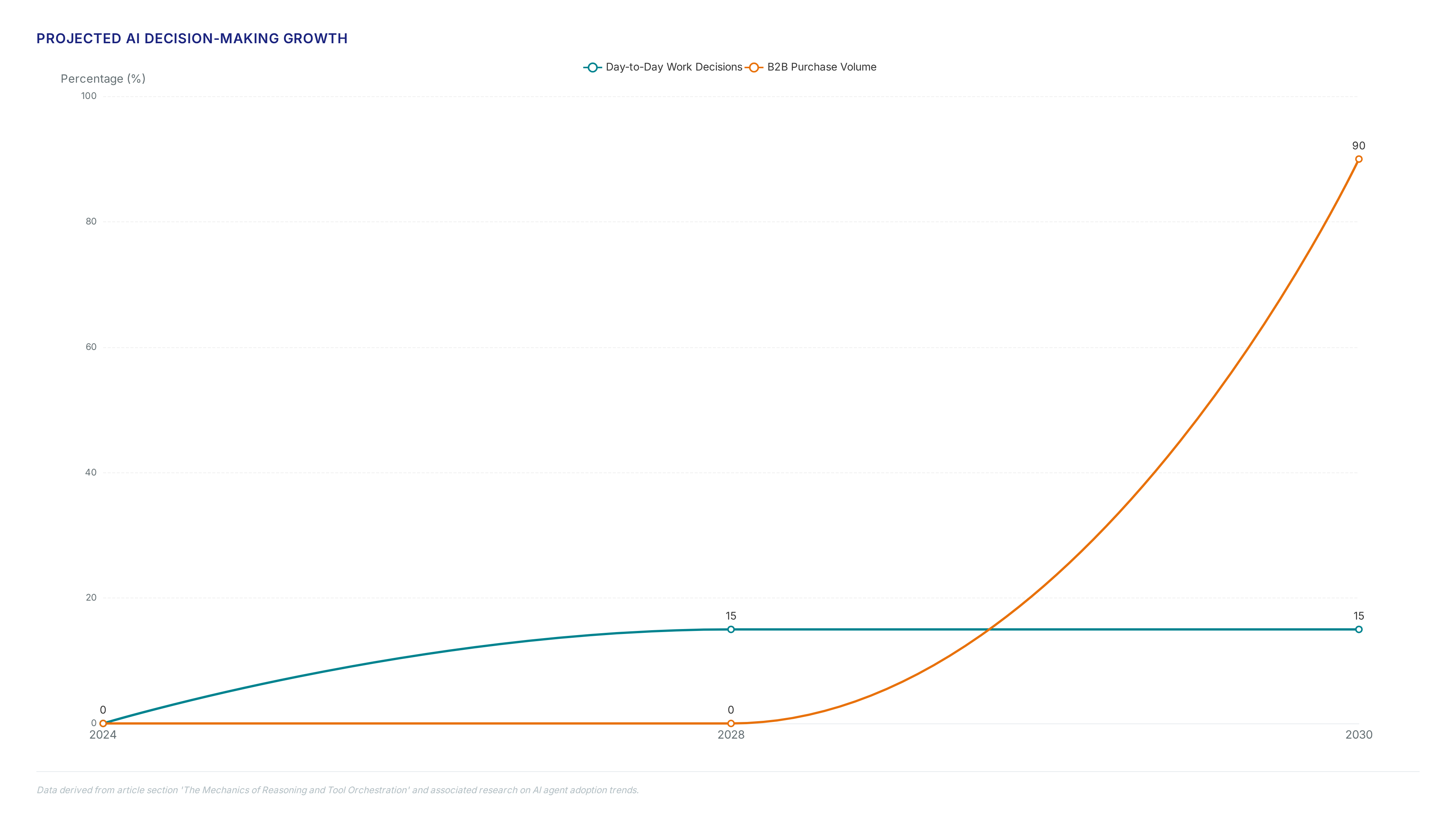
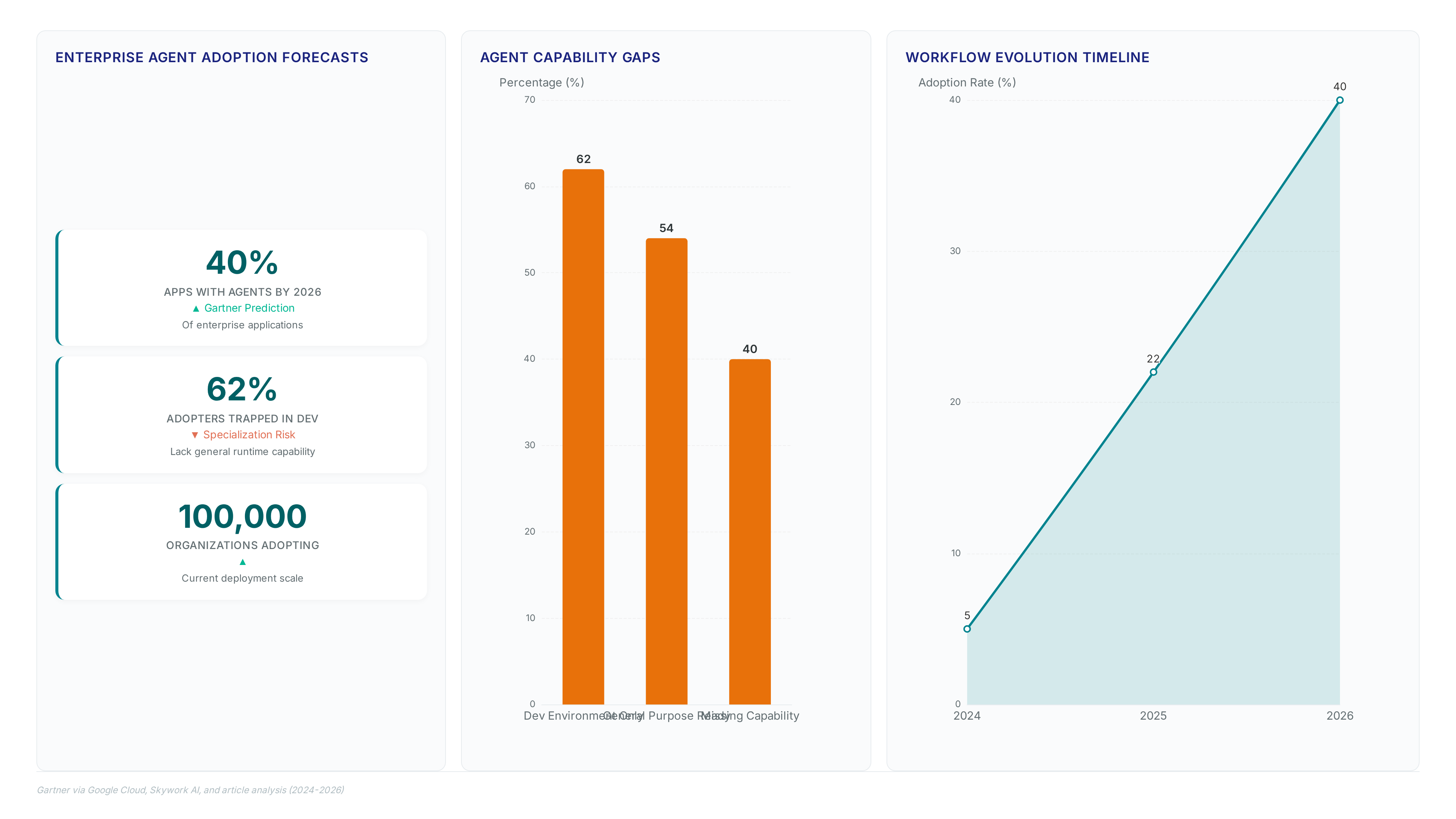
By 2028, Gartner predicts a significant share of daily work decisions will be made autonomously by AI agents.
Search volume for AI coding agents surged 1,581% as tools shift from autocomplete to autonomous execution across entire repositories.
With 46% of new code AI-generated, you must stop slopsquatting. Learn the 7-pillar architecture to secure your agent workflows today.
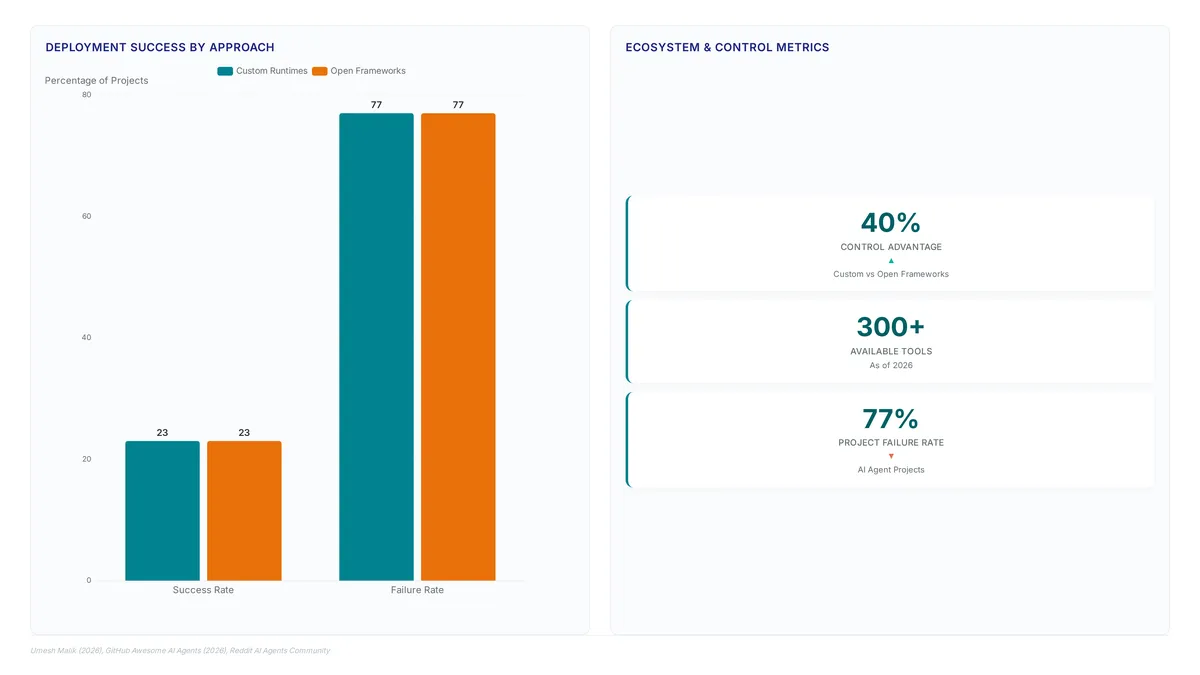
Seventy-seven percent of AI agent projects fail to reach production, leaving only a fraction of deployments operational according to recent 2026 data.
Claude Code's $20 monthly fee unlocks terminal-based agents, but the 132.3k-star ecosystem demands strict security oversight for production use.
Agent OS indexes your existing repo to stop style drift, injecting team coding standards into Claude Code and Cursor before generation begins.
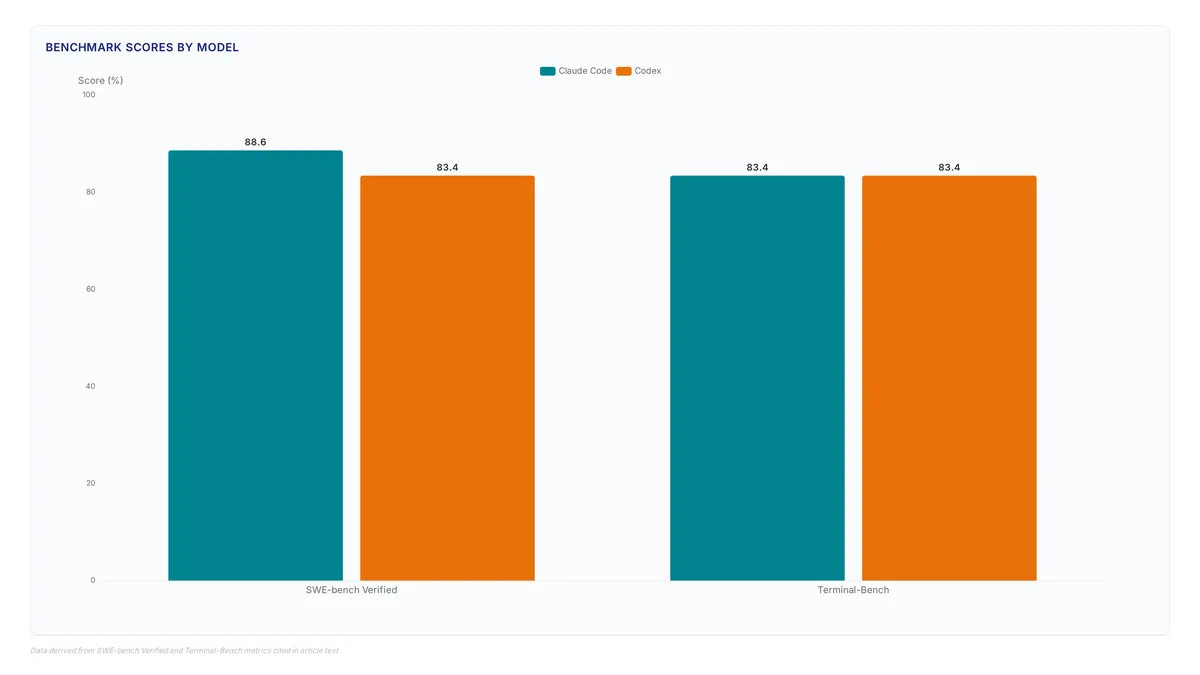
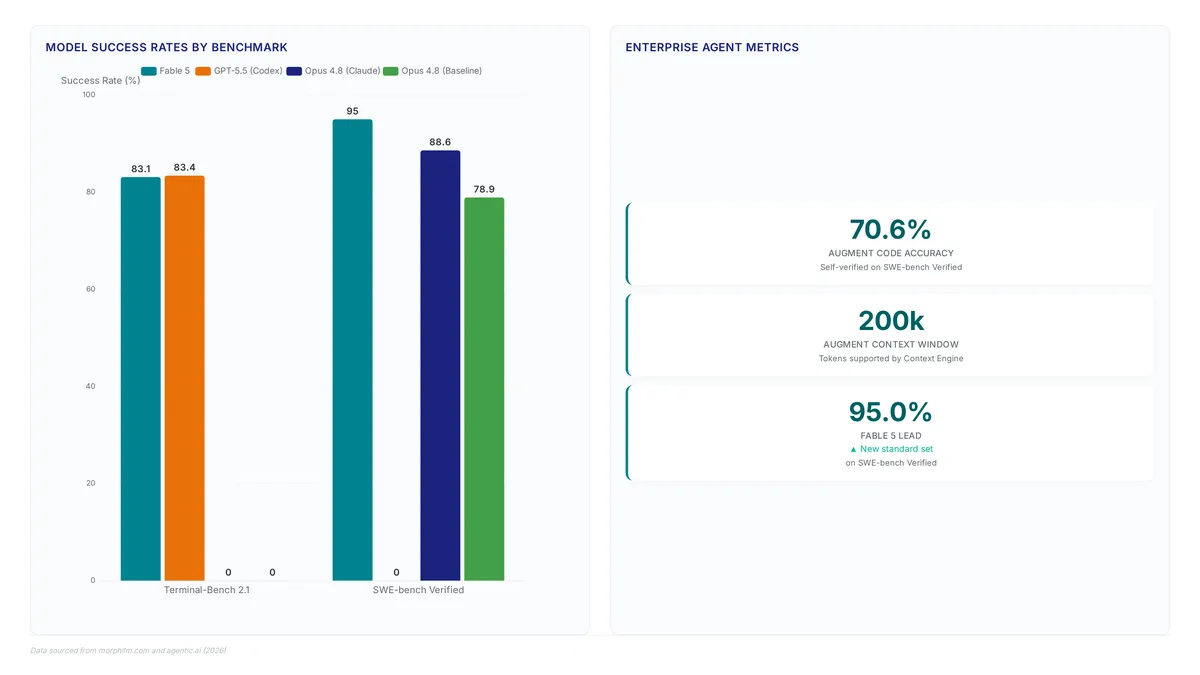
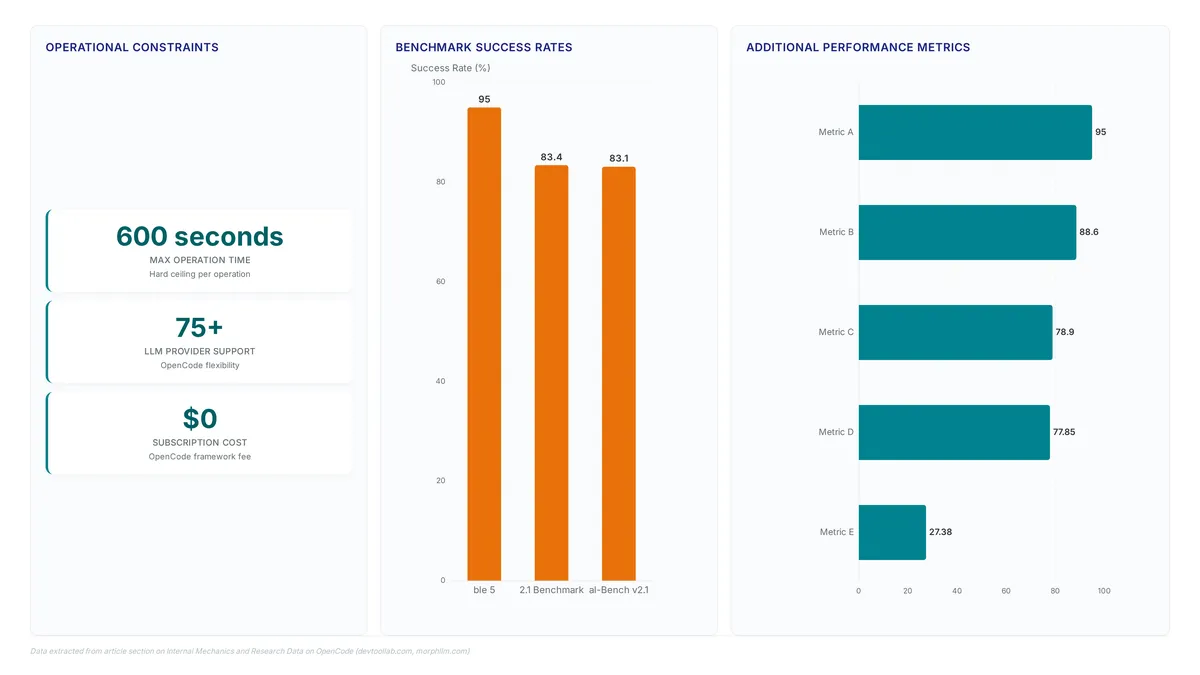
Comparing 20 AI coding agents reveals workflow fit trumps model size. Learn how terminal autonomy and the 83.4% TerminalBench score define agent selection.
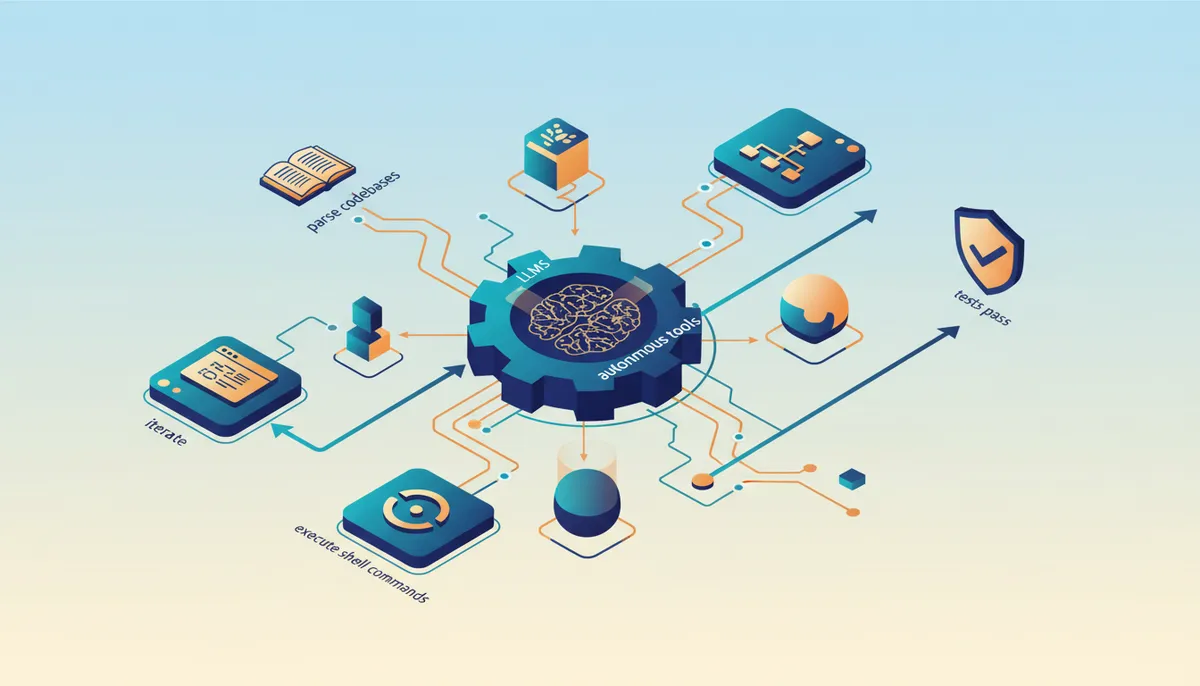
An AI coding agent plans multistep tasks, executes code, and iterates without handholding, moving far beyond simple autocomplete to true agency.
The March 6, 2026 update adds a Planning Agent that forces requirement questions before coding, fixing context loss in autonomous workflows.
OpenHands version 1.7.0 splits logic into modular packages, replacing the monolithic V0 design for better local deployment and audit trails.
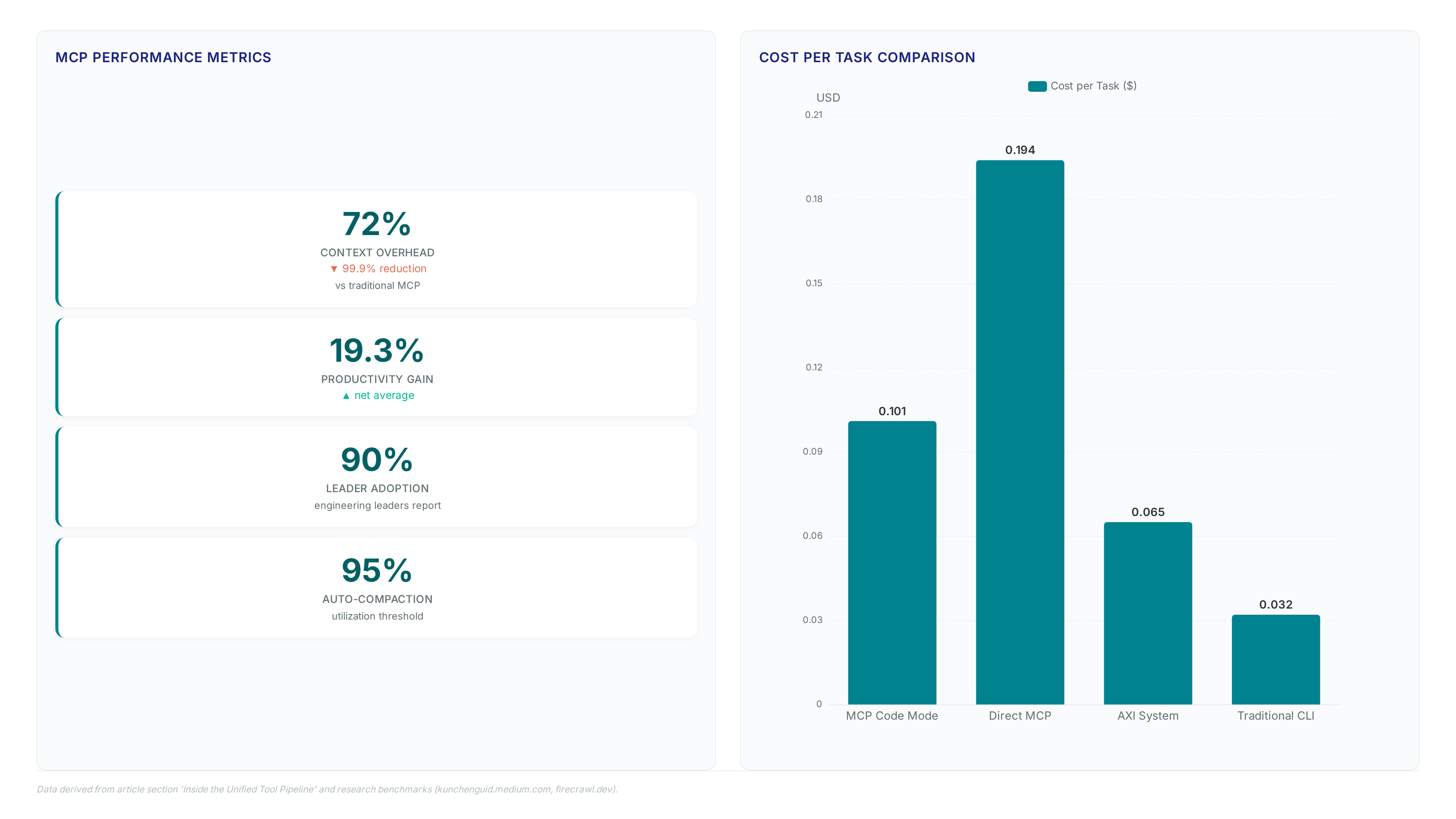
Learn how the tool use pattern lets agents bypass static data limits by executing external code and querying 177,000 tracked tools safely.
TerminalBench 2.1 shows 83.4% scores, yet infrastructure gaps cause a 17-issue performance drop. Learn why architecture matters more than the model.
Discover why 211 million lines of code fail silently when async loops ignore await, forcing engineers to master the soul badge of agentic debugging.
Simon Willison's llm-coding-agent 0.1a0 enables local file edits via explicit tool calls, contrasting with the 83.4% TerminalBench scores seen elsewhere.
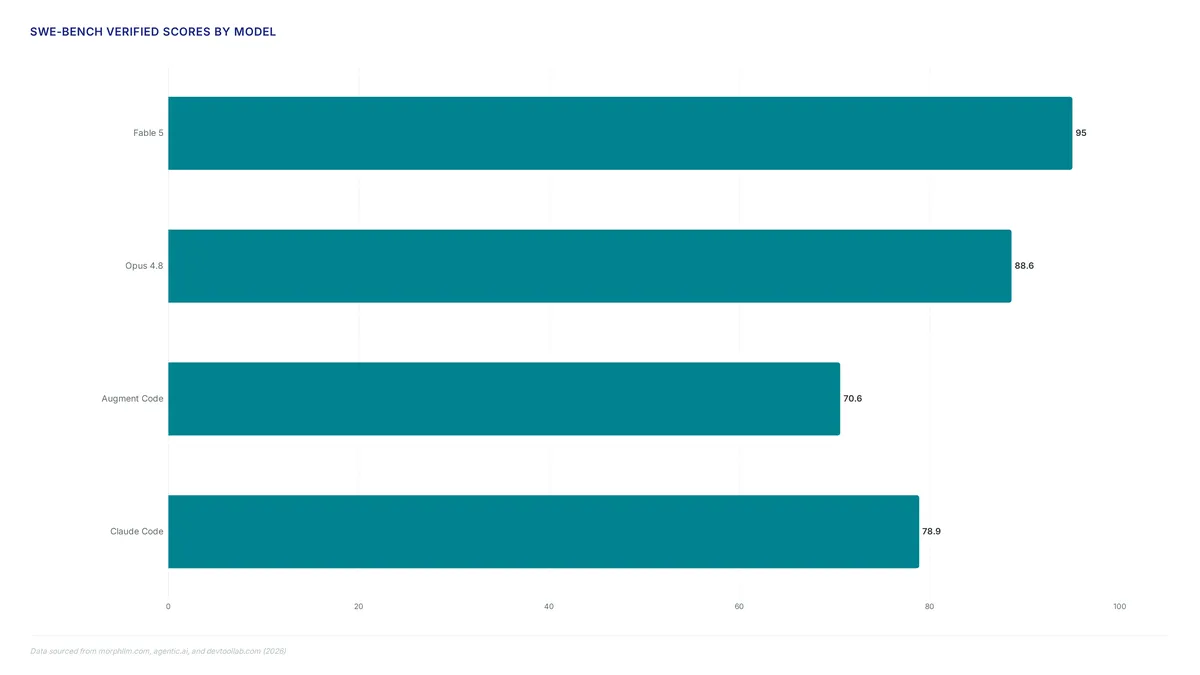
Augment Code claims 70.6% accuracy, but real utility depends on execution models. Compare IDE extensions, CLI tools, and cloud security postures here.
With more than 78,800 stars and 367 open issues, OpenHands dominates the open-source coding agent environment as of June 30, 2026.
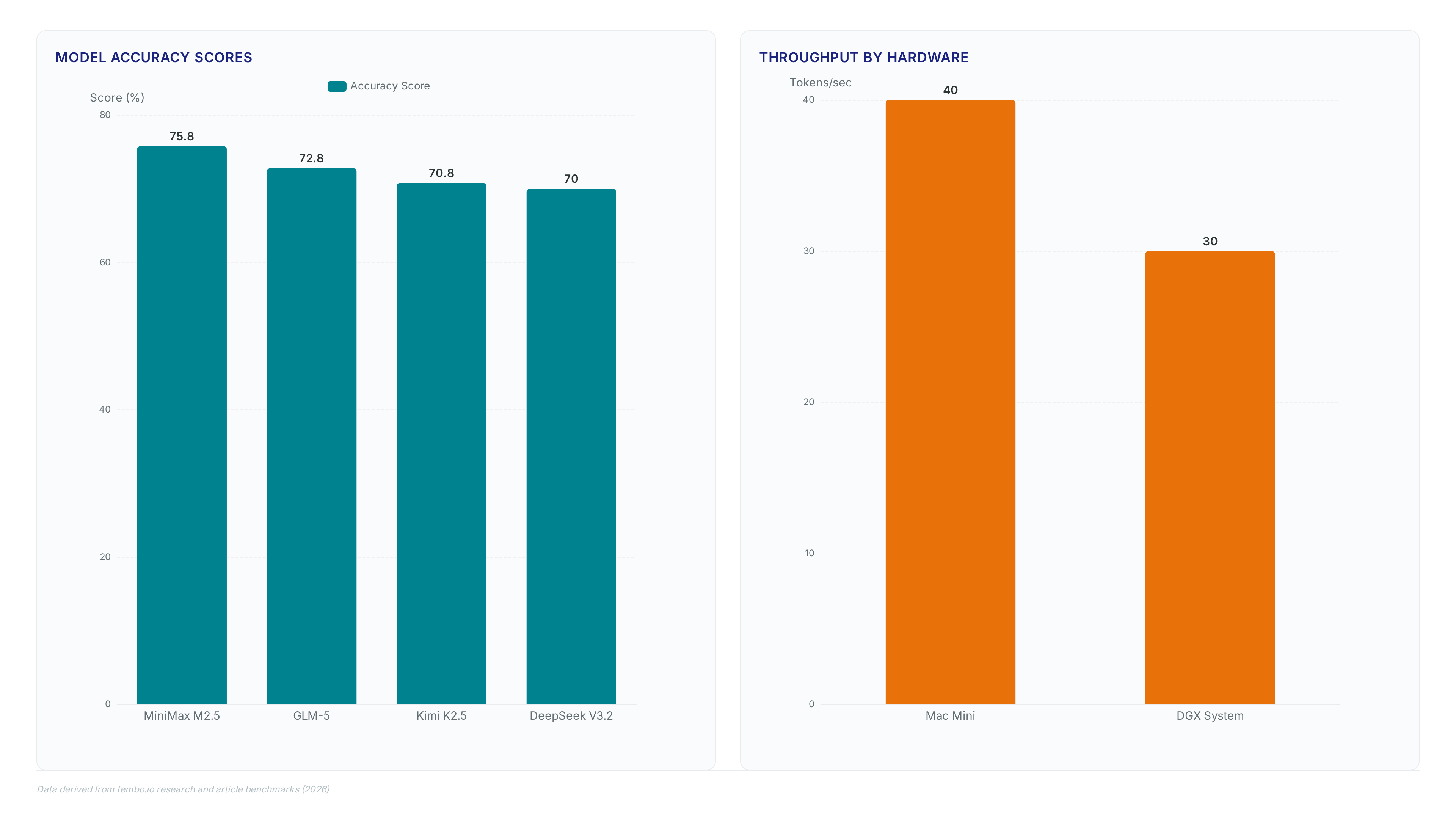
Skip the $7.60 per task fee. I show how to run Qwen3.6 locally on 32GB RAM for private, zero-cost code generation.
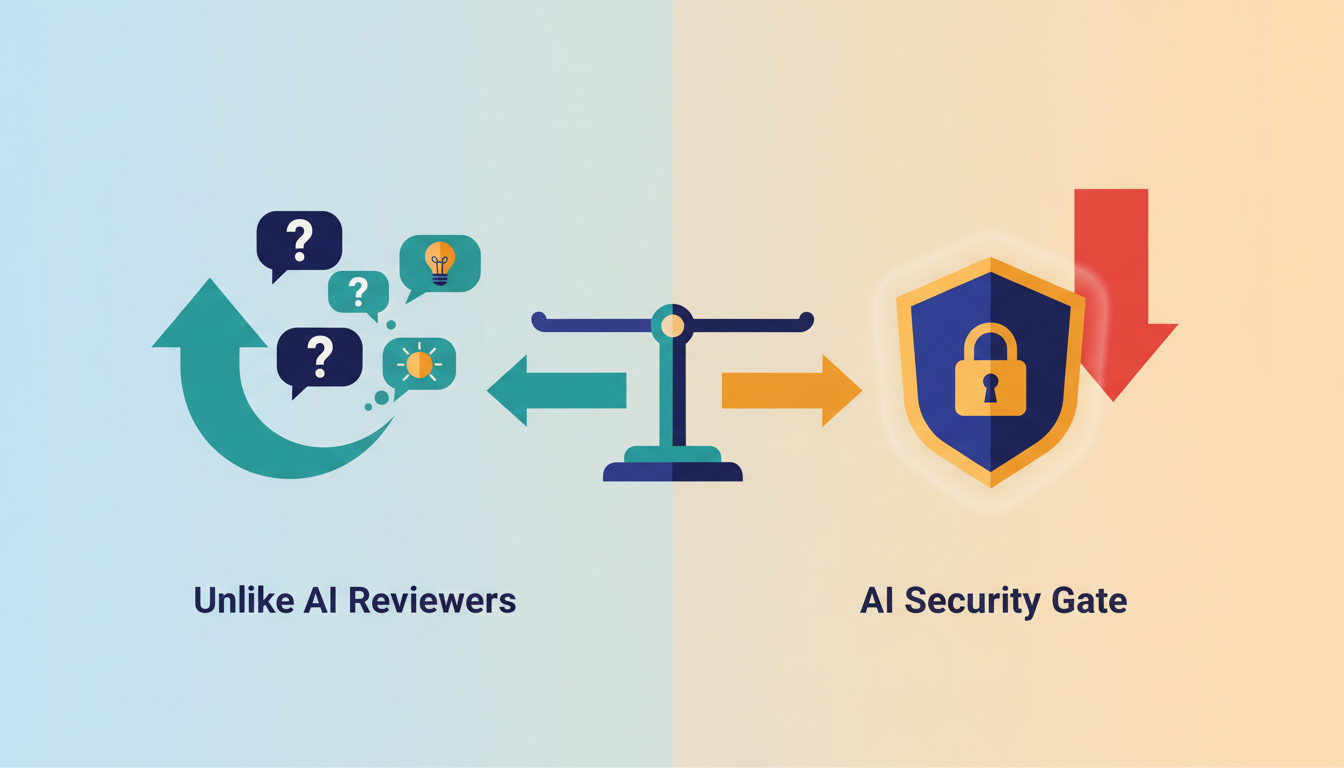
Enforce deterministic security before code enters repos. This layer validates 28+ entity types to block secrets in AI-generated artifacts.
With code churn hitting 7.1%, your CLI agent needs runtime profiles to separate chat from code execution safely.
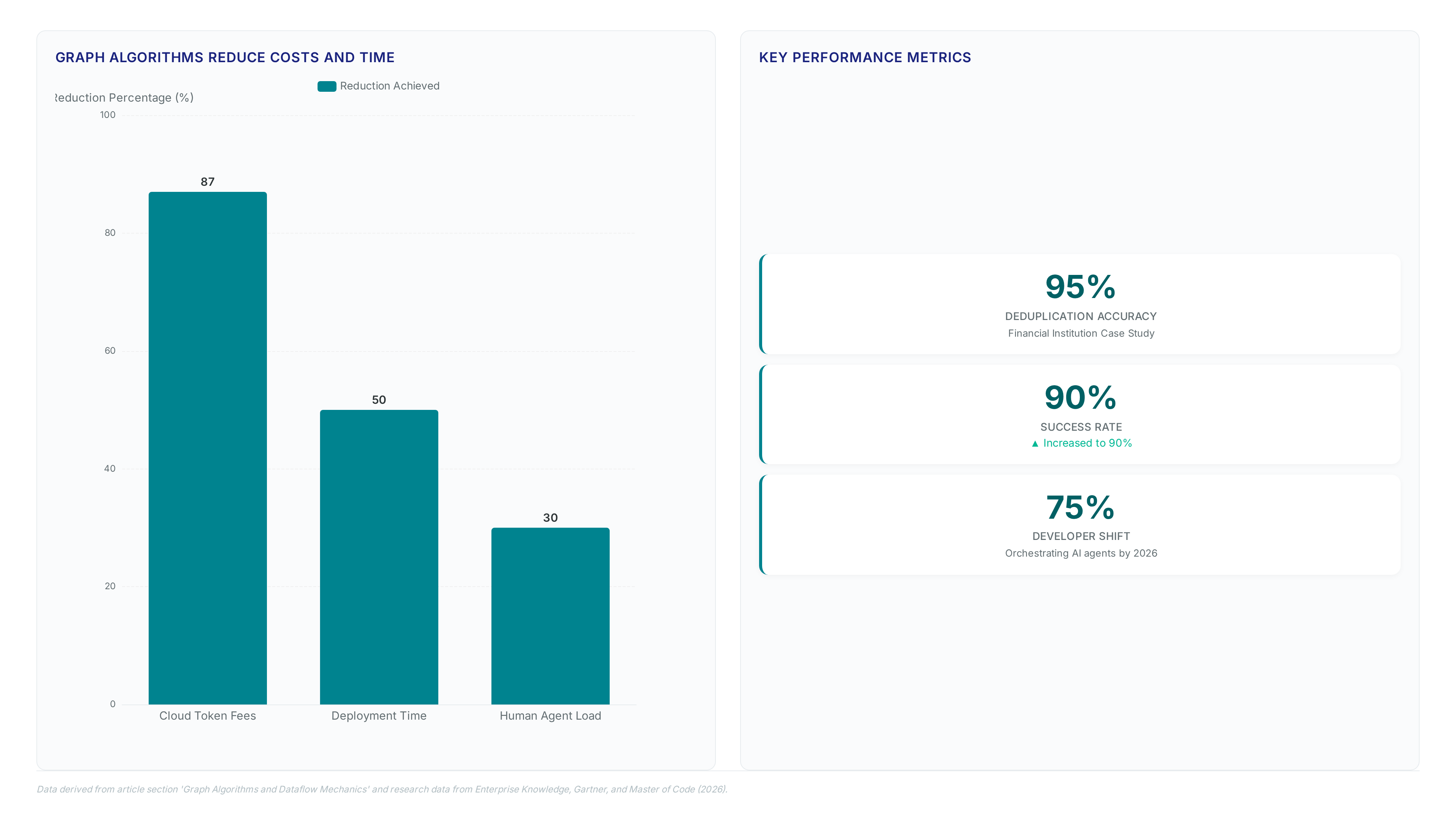
At $15 per million tokens, guessing code structure is costly. Learn why coding agents need verified graph facts over raw context windows.
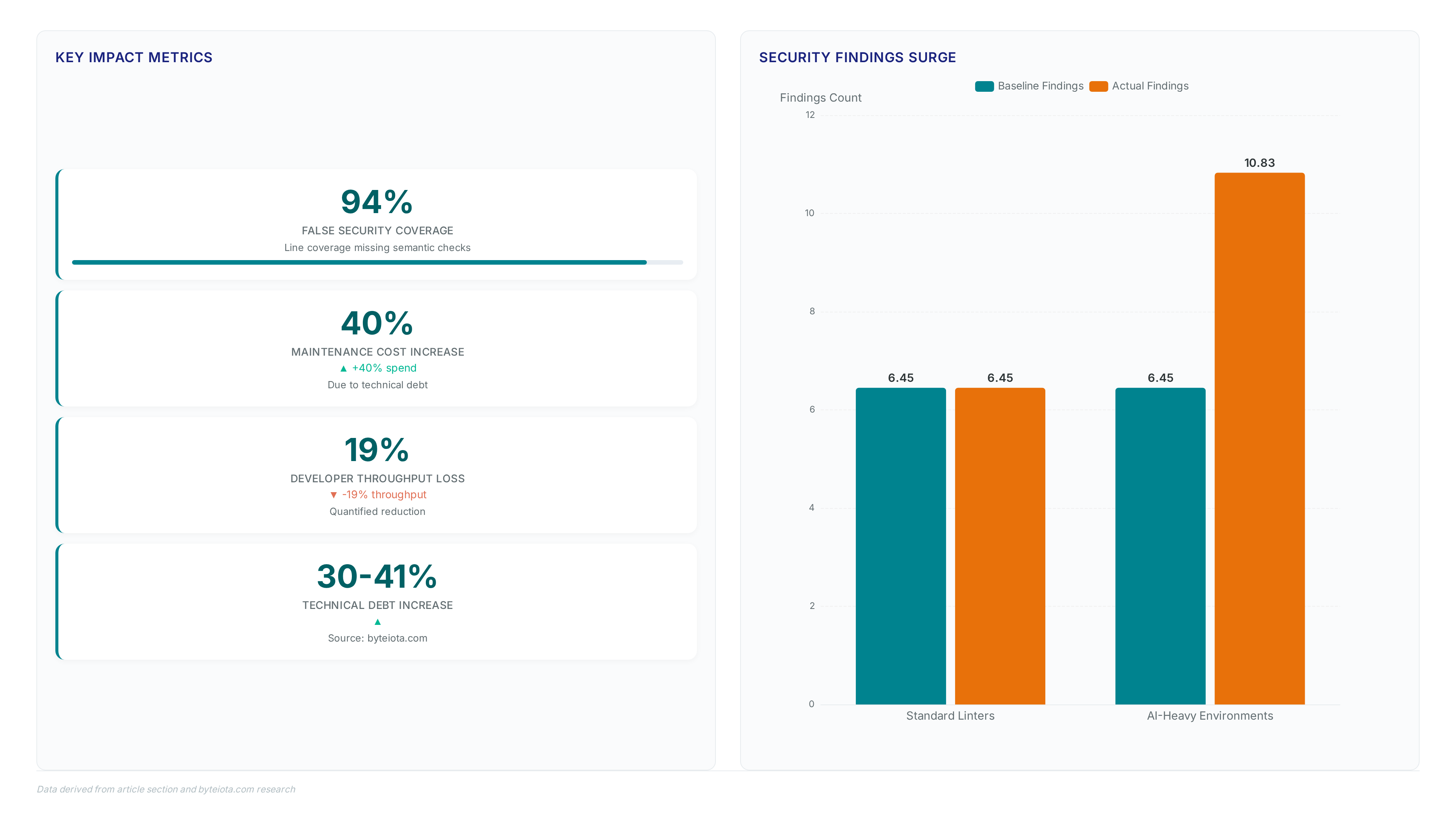
Despite 91% test coverage, AI-generated code creates exponential debt. Learn why oracle functions break systems and how to audit for real fragility.
Stop paying the knowledge tax. AI agents now handle dependency resolution, helping 40% of apps embed tasks by 2026 without manual setup.
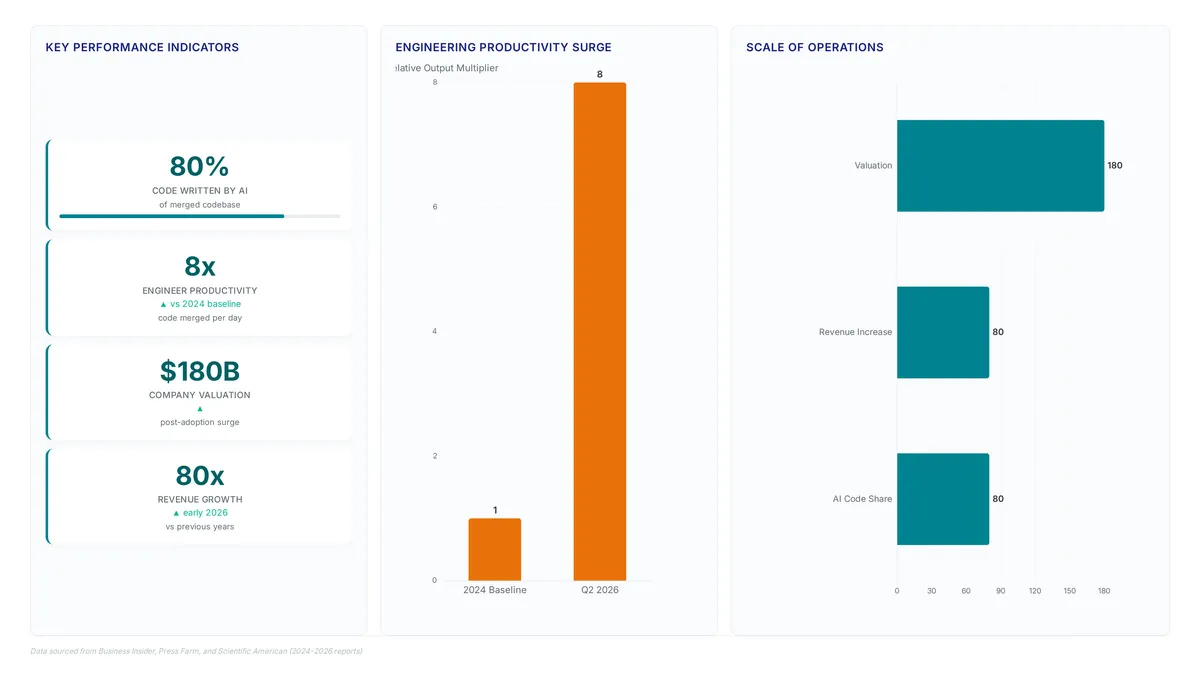
Anthropic reports an 80-fold revenue surge in 2026 as recursive self-improvement accelerates, raising urgent questions about frontier safety protocols.