Desktop coding agents handle parallel work better
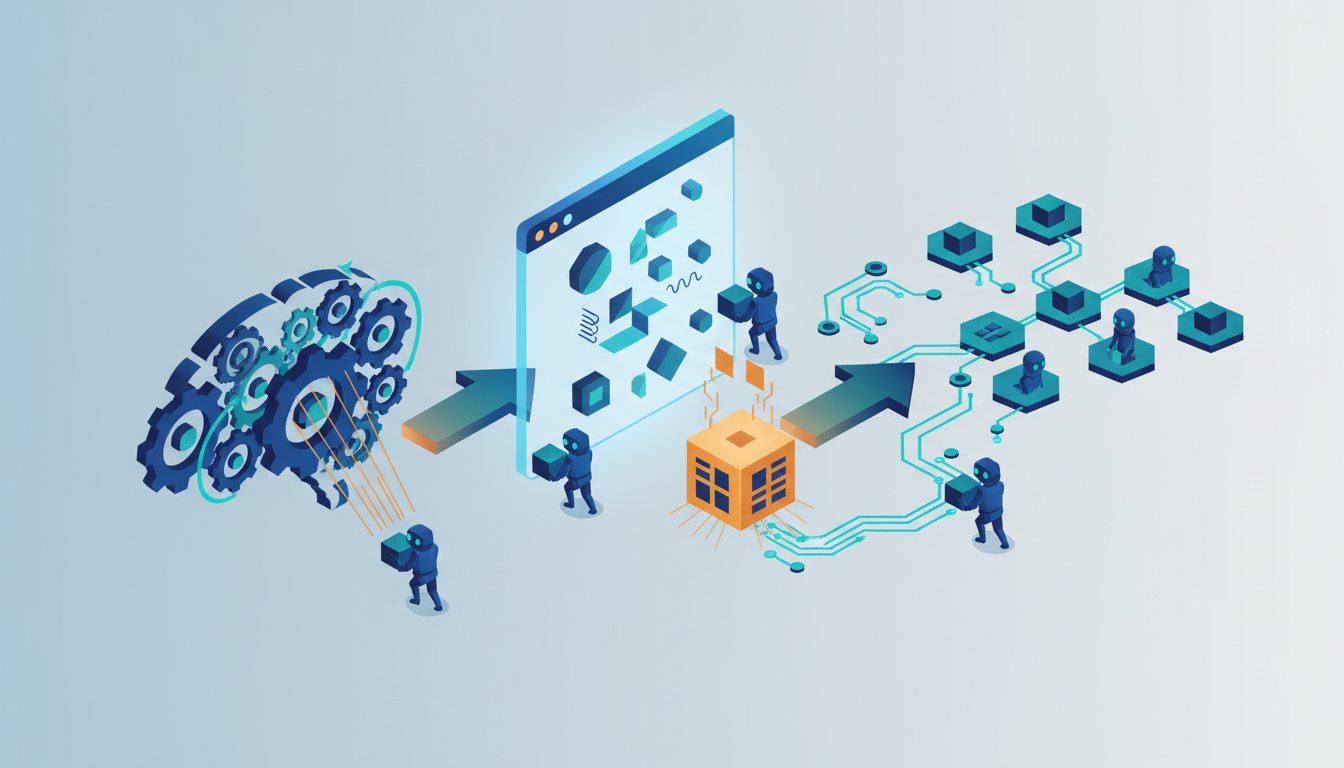
Intent by Augment Code required the least manual reconciliation during parallel work on shared contracts in early 2026 testing.

Over 2M installs show developers prefer sovereign coding where code stays local until explicit cloud selection via personal API keys.
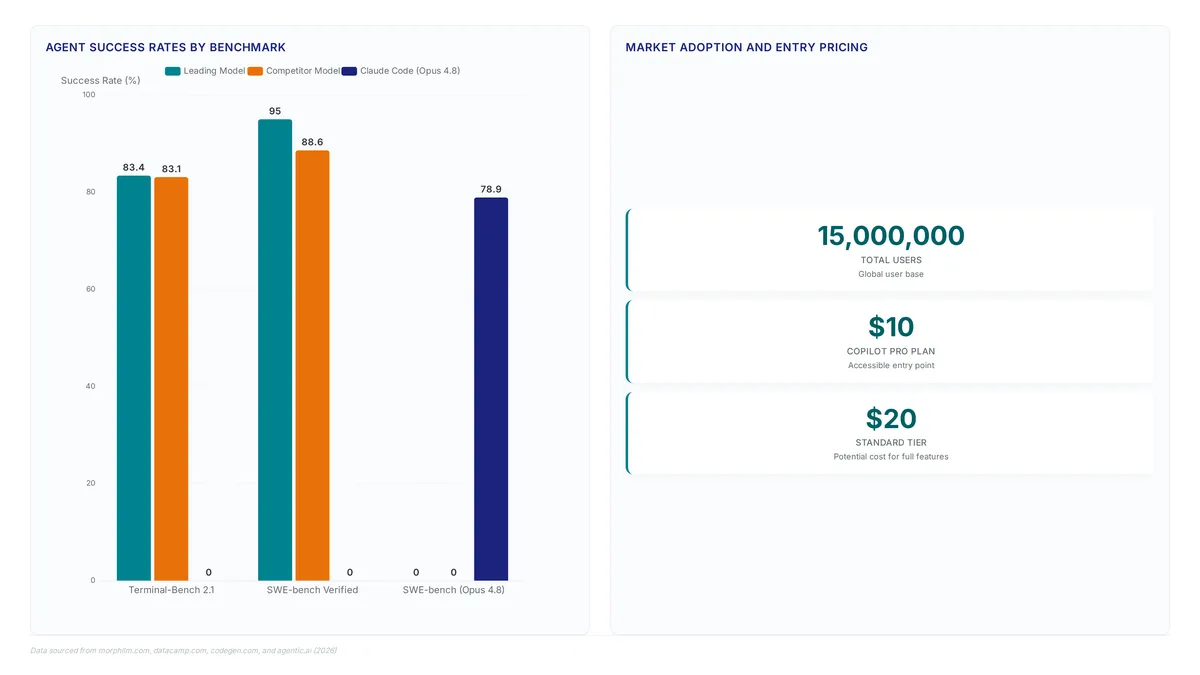
GitHub Copilot serves 15 million developers, yet true AI coding agents now plan multi-step tasks without hand-holding.
Devin AI creates pull requests in under 10 minutes by running inside a sealed virtual machine, keeping local environments clean.
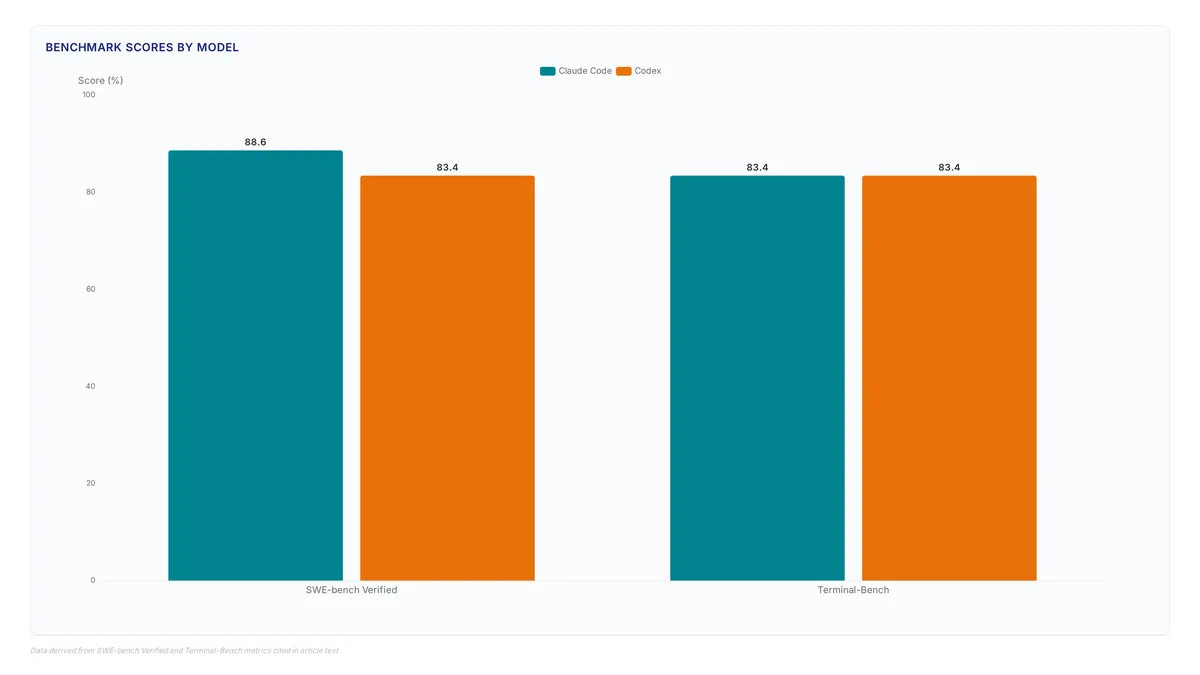
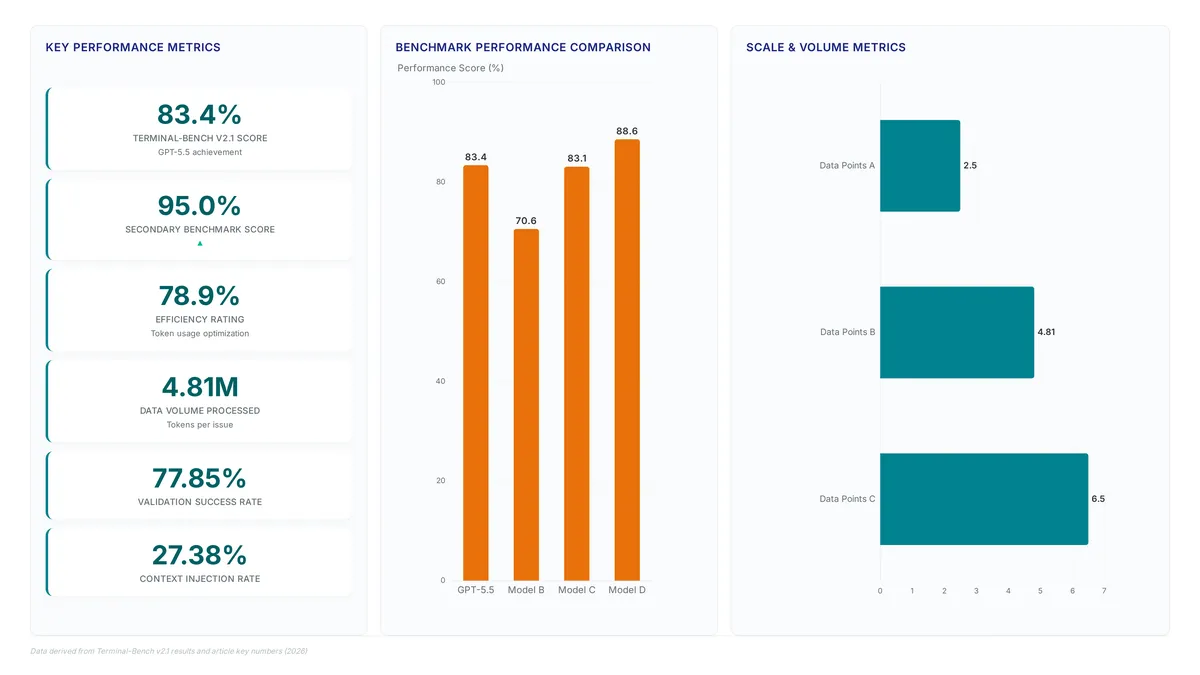
The Artificial Analysis Coding Agent Index v1.1 reveals how an 83.4% TerminalBench score masks variance in token efficiency and tool use.
Stripe deployed Claude Code across 1,370 engineers to complete a 10,000-line migration in four days, marking a shift to agentic execution.
With 5 million weekly Codex users, agent architecture now dictates output quality more than raw model size or reasoning engines alone.
Static data causes deprecated advice. Learn the three missing layers preventing agent autonomy in modern development workflows today.
Autonomous engineers show 8x to 12x gains, but only with governance. Learn why traceability matters for agentic software development cycles.
Seven contenders now define the market as tools like Cursor enable parallel execution. See which systems ship production code without the marketing noise.
Search volume for AI coding agents surged 1,581% as tools shift from autocomplete to autonomous execution across entire repositories.
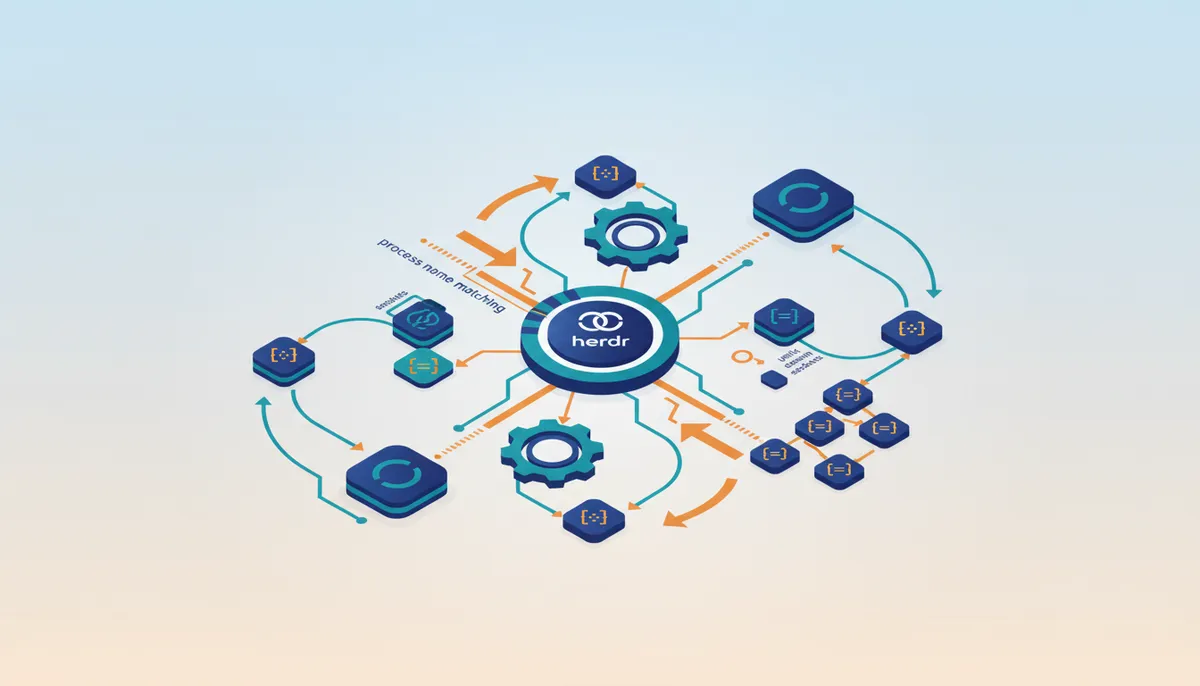
Herdr v0.7.1 assigns real terminals to agents, preserving TUIs that GUI wrappers break while tracking status via process heuristics.
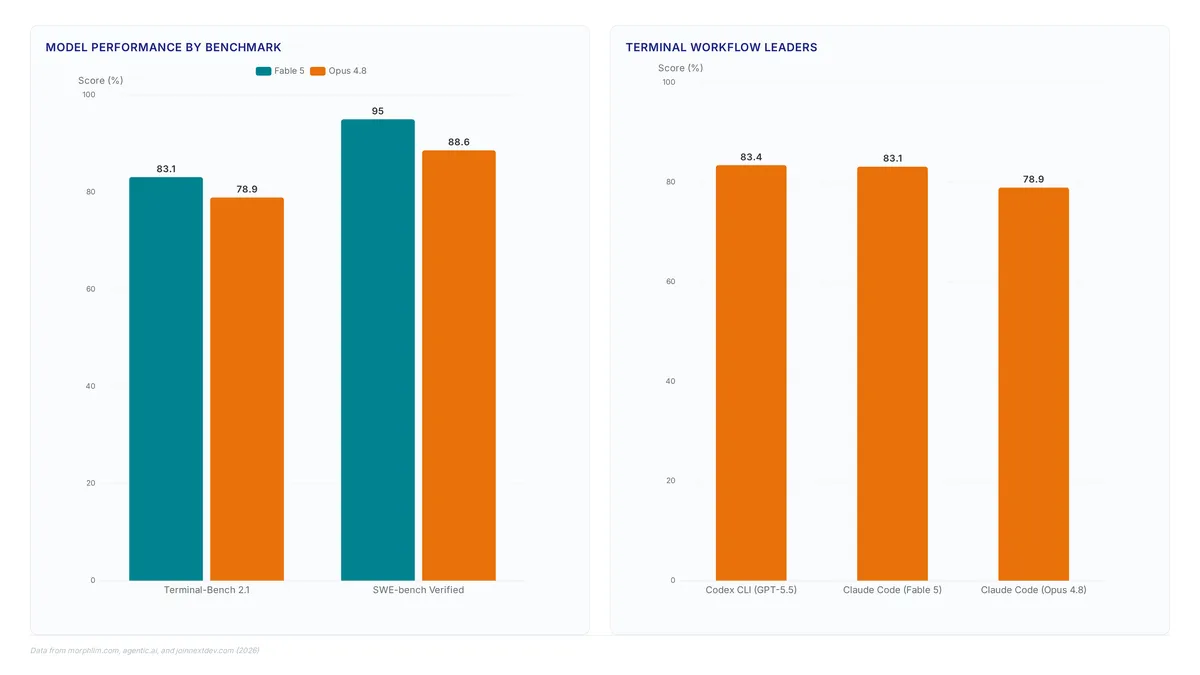
Comparing 20 AI coding agents reveals workflow fit trumps model size. Learn how terminal autonomy and the 83.4% TerminalBench score define modern...
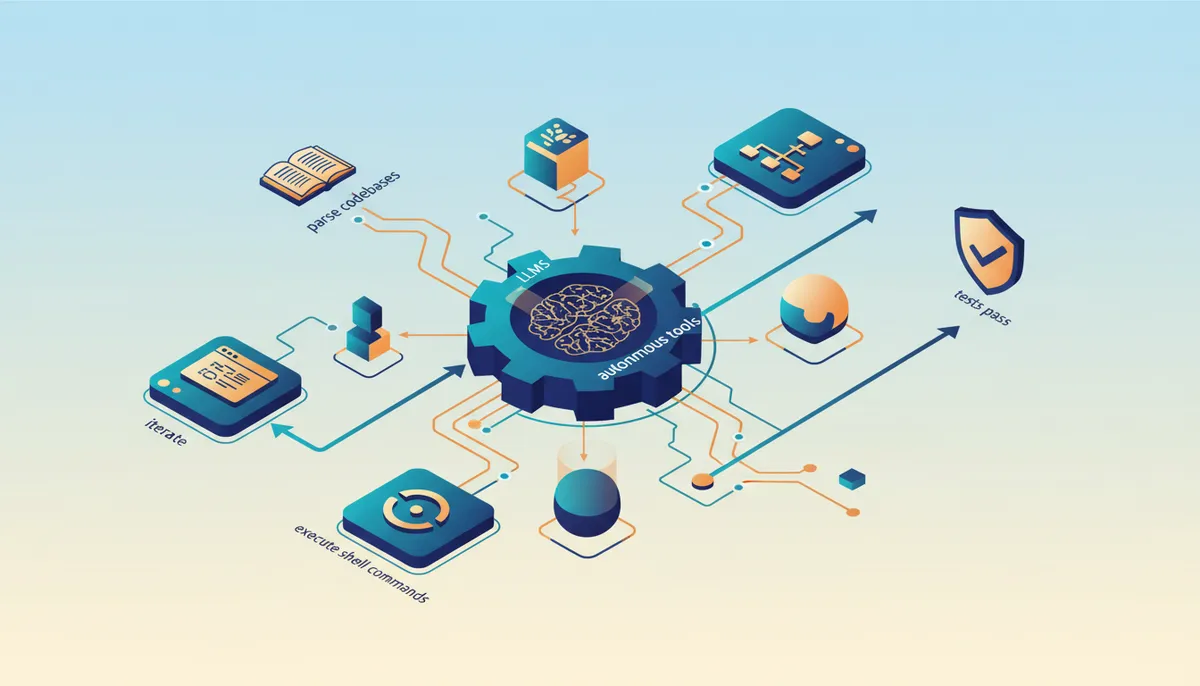
An AI coding agent plans multistep tasks, executes code, and iterates without handholding, moving far beyond simple autocomplete to true agency.
The OpenHands SDK powers 2,013 commits of agent logic, enabling terminal execution and browsing within a single Python-defined agentic loop.
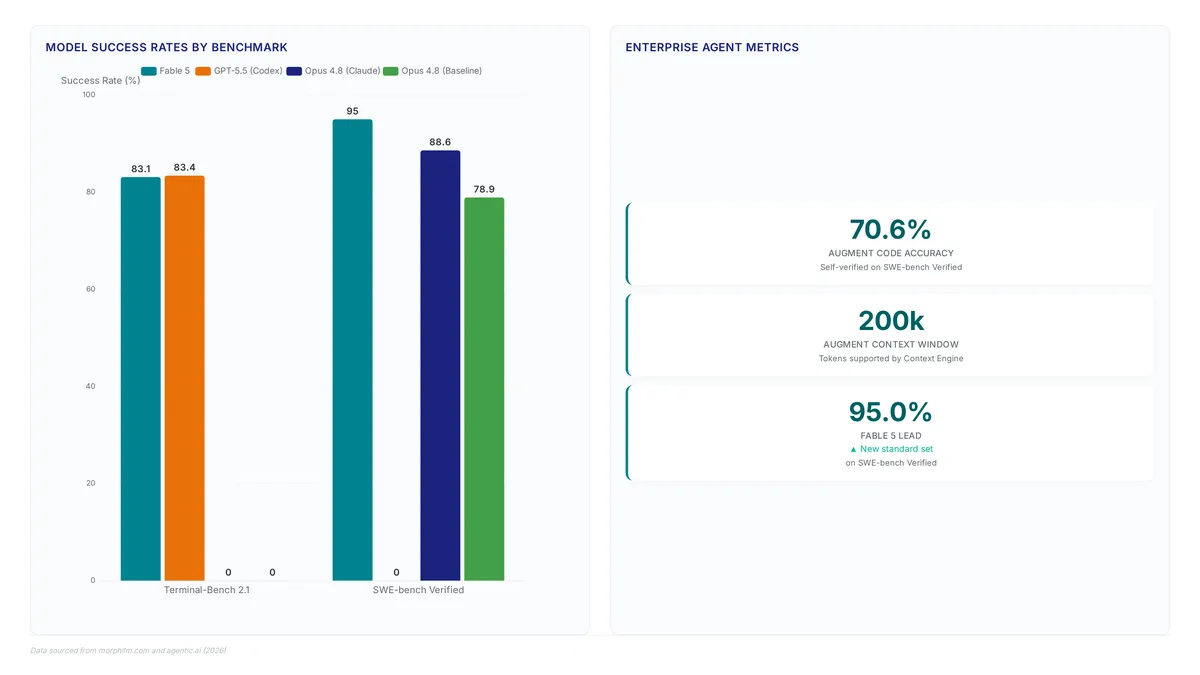
Unlike past chatbots, modern autonomous agents manage end-to-end workflows, hitting 70.6% accuracy on SWEbench Verified for production tasks.
Learn how isolated worktrees prevent file locks when running parallel coding agents, based on a repo with 1,629 commits and strict session rules.
TerminalBench 2.1 shows 83.4% scores, yet infrastructure gaps cause a 17-issue performance drop. Learn why architecture matters more than the model.
AI coding agents now handle 1.05M token contexts, enabling full-repo refactors without retrieval augmentation or constant human intervention.
Simon Willison's llmcodingagent 0.1a0 enables local file edits via explicit tool calls, contrasting with the 83.4% TerminalBench scores seen elsewhere.
Augment Code claims 70.6% accuracy, but real utility depends on execution models. Compare IDE extensions, CLI tools, and cloud security postures here.
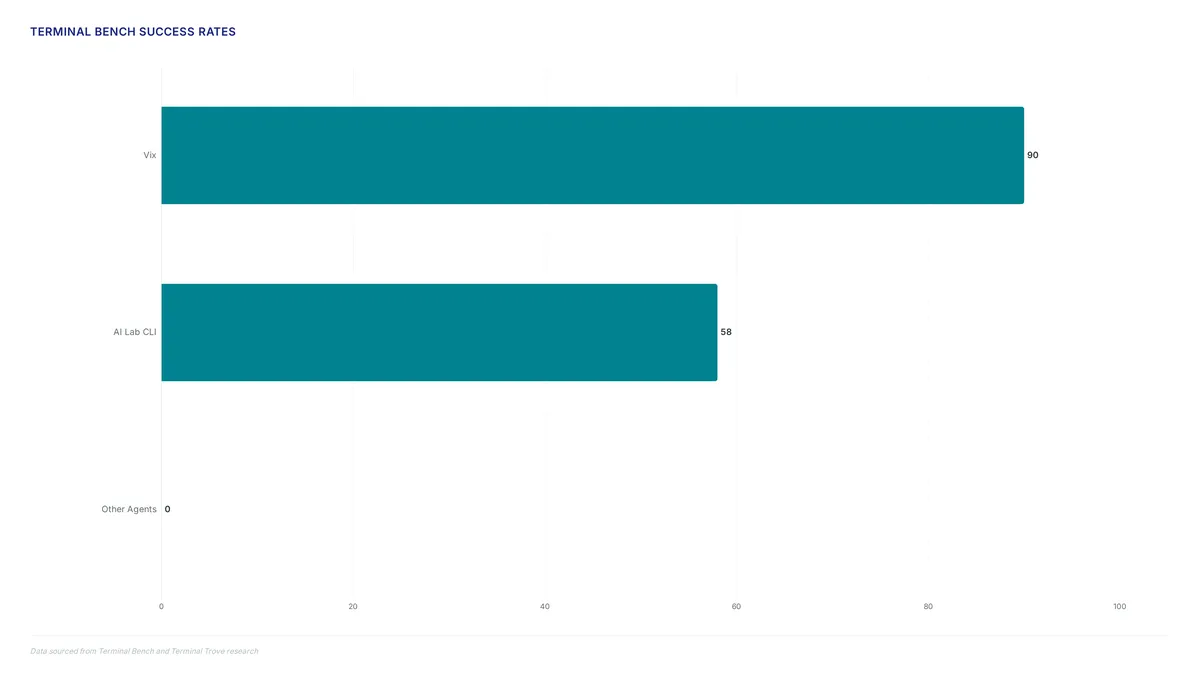
Vix leads Terminal Bench 2.0 with a 90.0% score, while the AI Lab CLI tool ranks 52nd at 58.0%. See how 48 agents compare on real metrics.
Learn 21 design patterns to fix AI coding agents. While Codex CLI hits 83.4% on benchmarks, internal discipline prevents broken systems.
Cursor hit a multi-billion dollar ARR run-rate by early 2026, proving autonomous coding agents are no longer experimental toys.
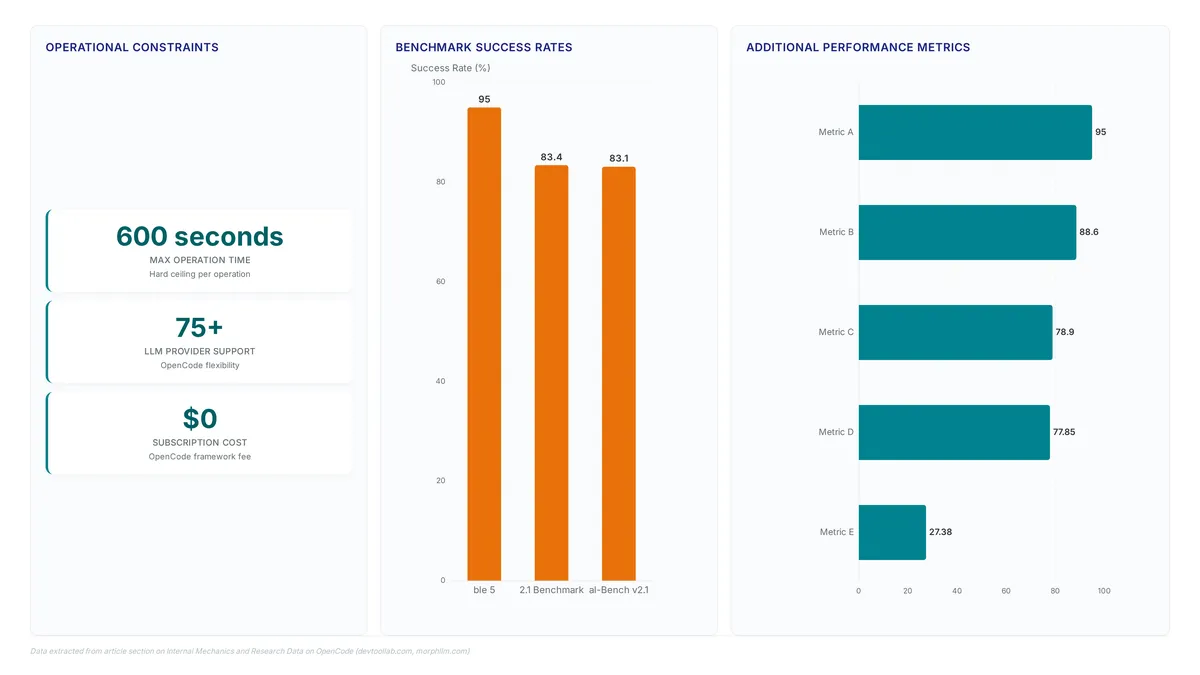
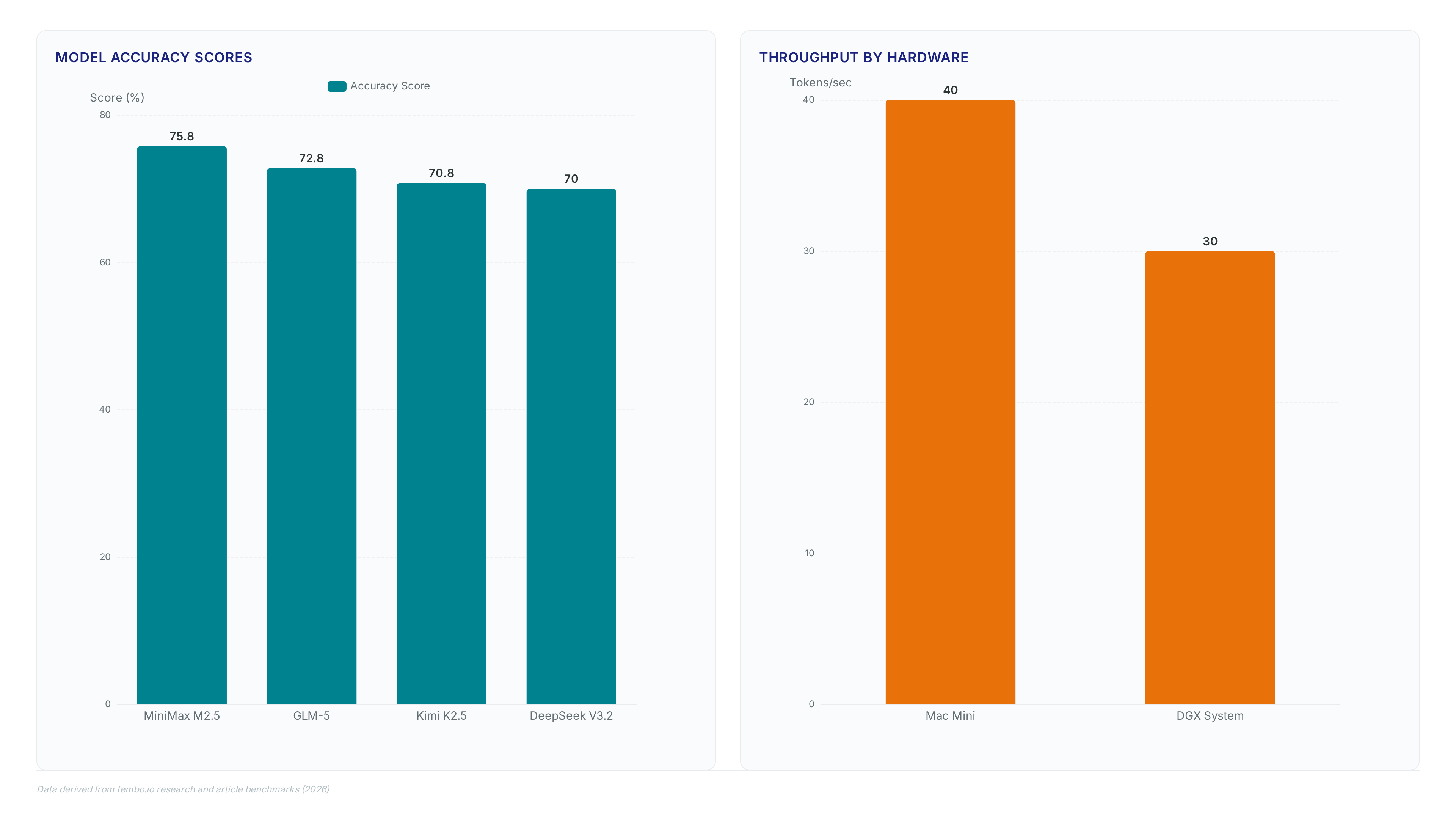
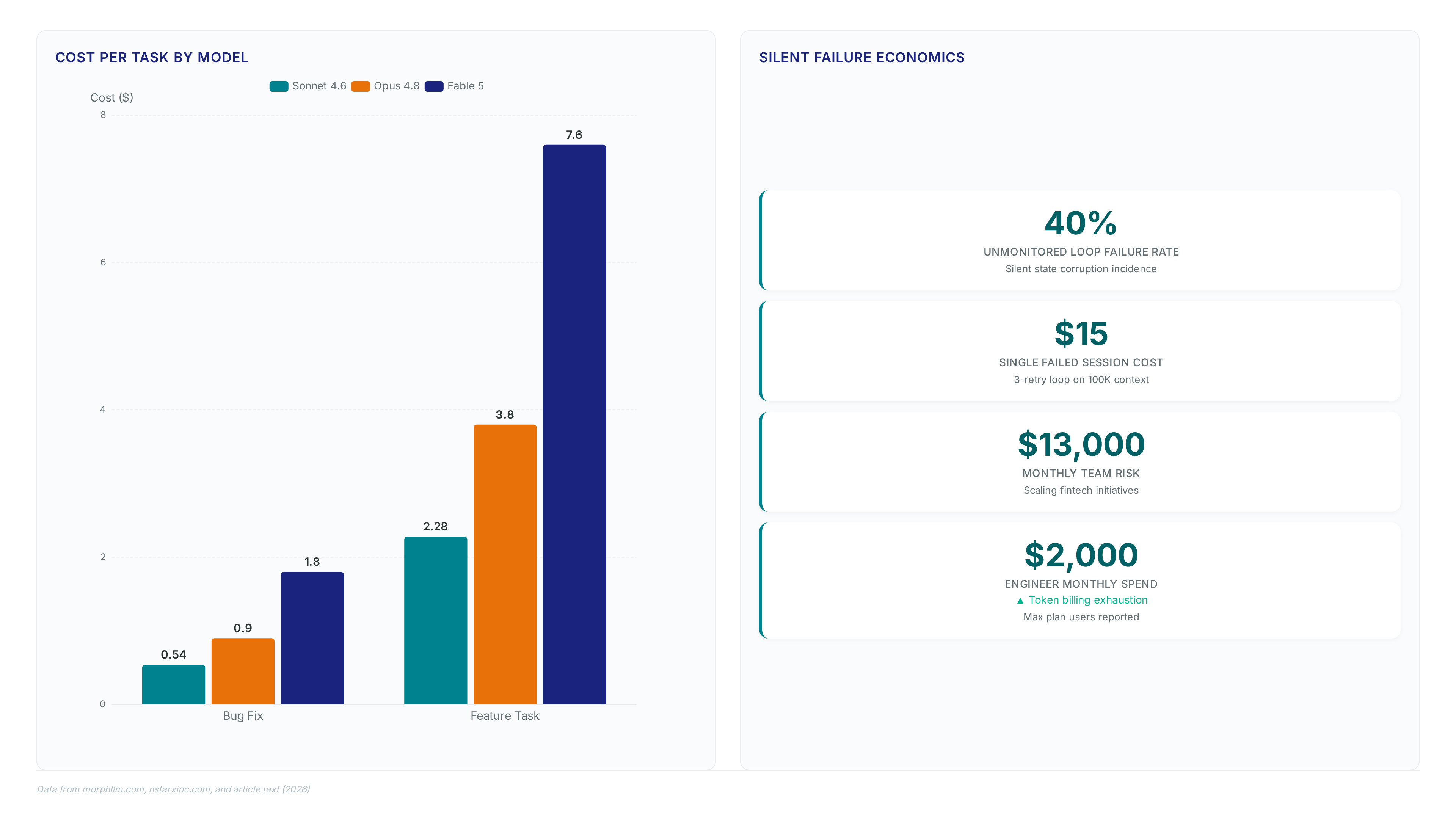
Skip the $7.60 per task fee. I show how to run Qwen3.6 locally on 32GB RAM for private, zero-cost code generation.
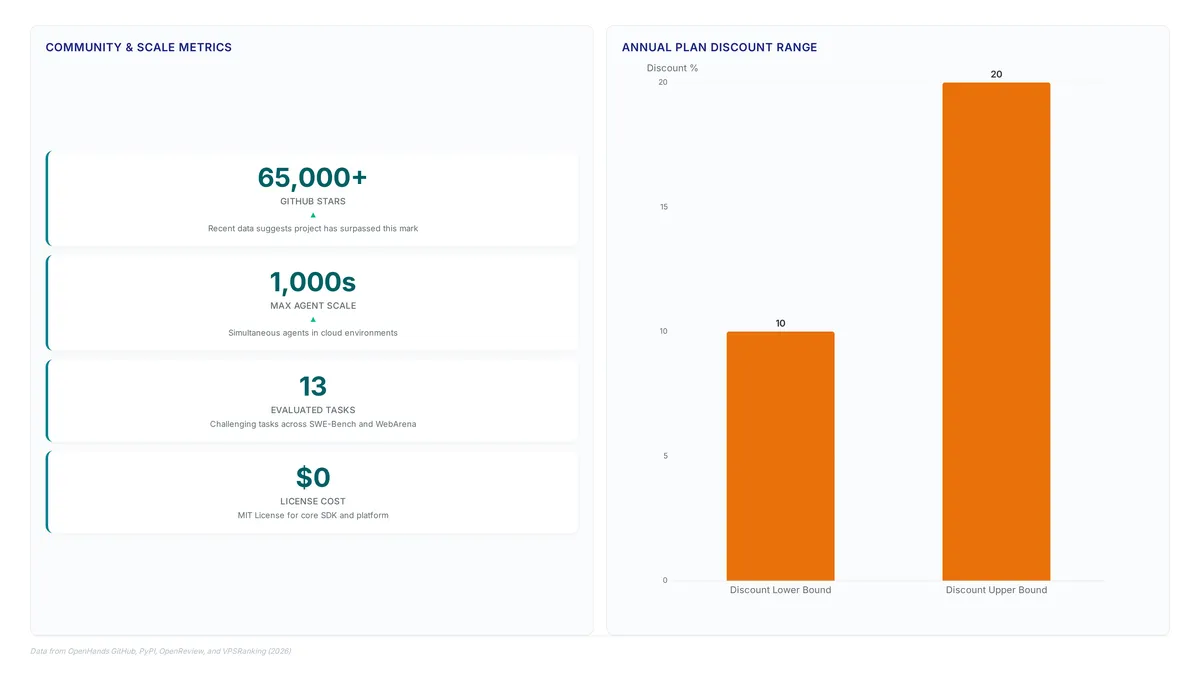
OpenCode hit 147,000 GitHub stars by April 2026, proving that autonomous coding agents are no longer experimental novelties but essential...
Codex CLI paired with GPT-5.5 sits at the top of the Terminal-Bench 2.1 leaderboard with an 83.4% pass rate.
SpaceX's $60B allstock buy of Anysphere ends standalone tools. I analyze how export controls now dictate AI coding survival for engineers.
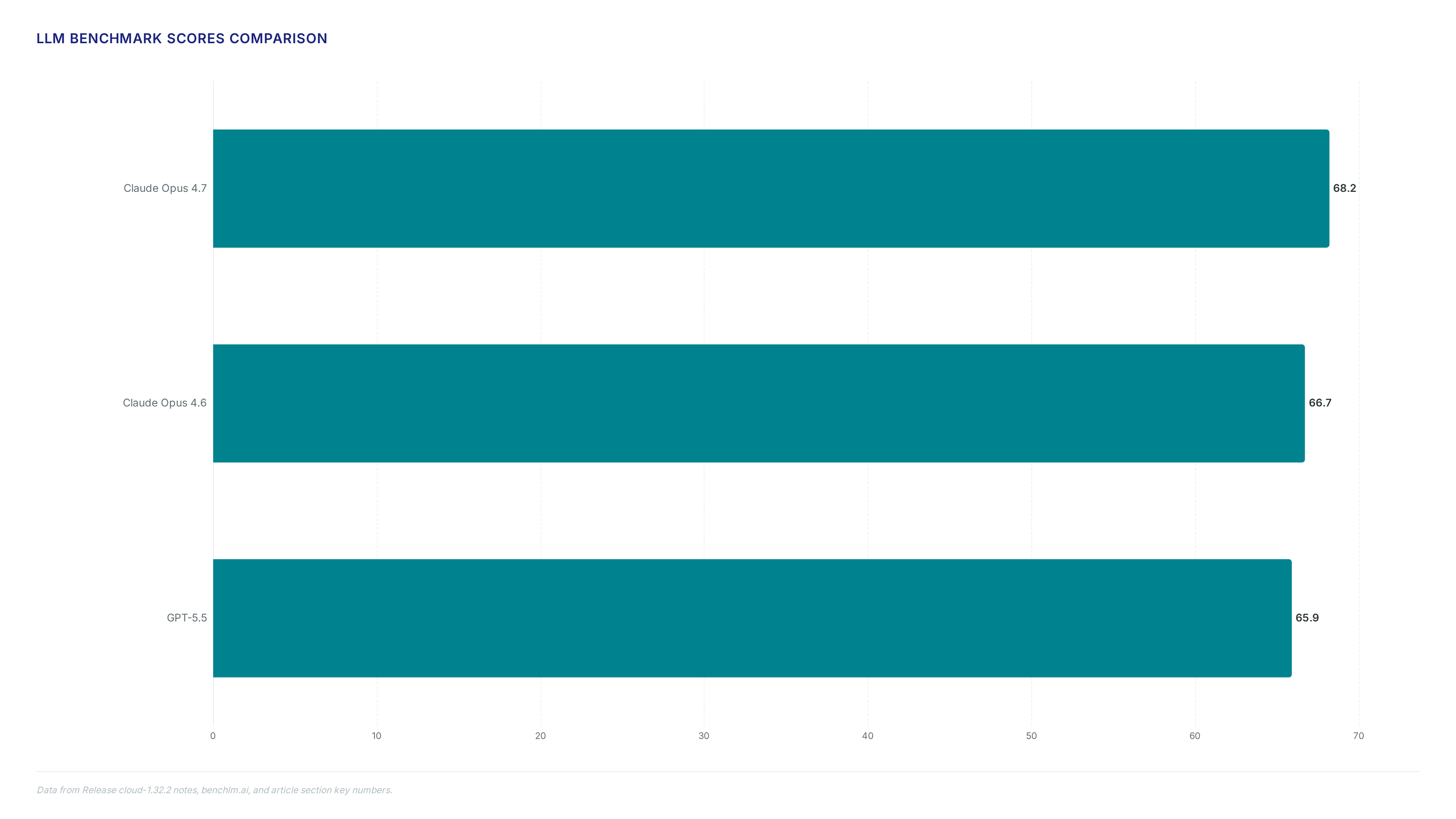
OpenHands release cloud1.32.2 sets MiniMaxM2.7 as default, enabling agents to handle 30-minute workflows without collapsing under token costs.
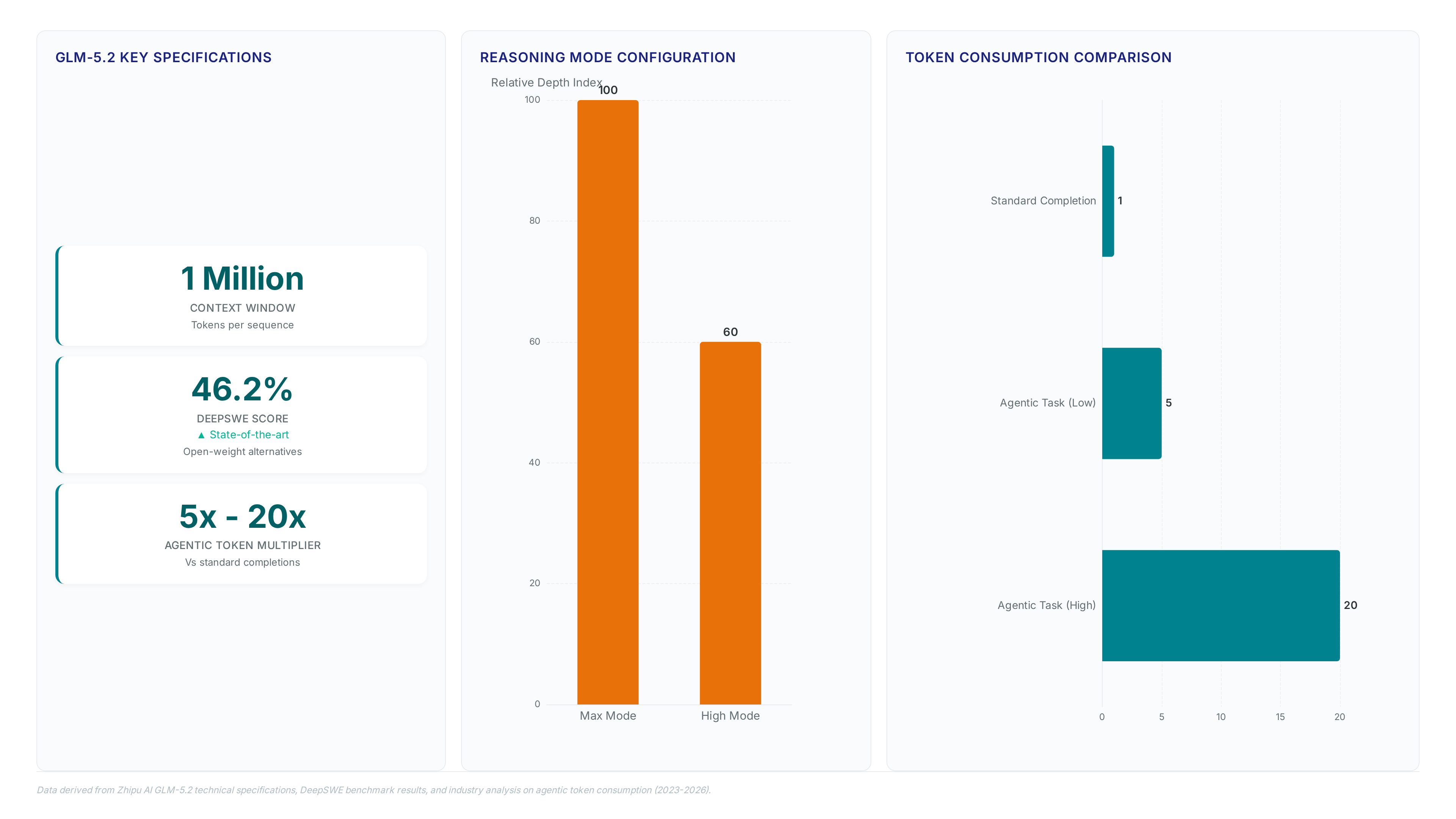
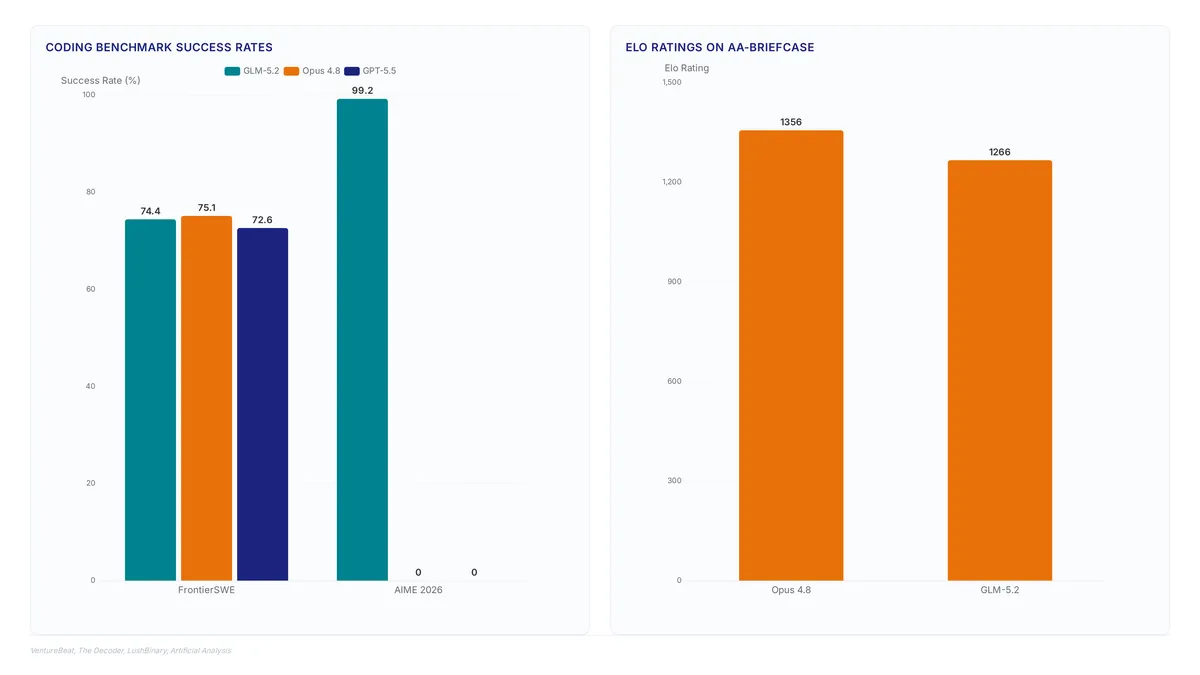
GLM-5.2 improved internal task success rates from 21/70 to 48/70 over its predecessor, signaling a shift in open-weight viability.
After six weeks of regressions, I rebuilt my agent to handle 40% of my work by fixing silent state corruption and flaky tests.