Agentic Applications: Fix Enterprise Agent Sprawl
Learn how agentic applications combine specialized agents with structured workflows to resolve nondeterministic enterprise intent and prevent sprawl.

Discover the 5 specific components required to build AI agents that match junior employee output quality without falling for industry hype.
Anthropic data shows successful agentic systems split workflows from agents. Learn why simple patterns beat complex frameworks for control.
With 85% of orgs integrating agents, picking the right framework dictates if your system scales or collapses under context limits.
Learn how LlamaIndex initializes agents in 5 lines to bridge private data silos and execute complex, multi-step reasoning tasks.
By 2027, AI agents will have moved from experimental status to full production across software engineering, finance, and healthcare.
Analysis of 79 projects shows enterprise agentic AI needs LangGraph orchestration and 9-layer guardrails to handle production data reliably.
Agent requests often take 30 to 120 seconds, far exceeding the 50ms standard. Learn to build tool contracts that handle this nondeterministic latency safely.
A $50M Series B validates autonomous agents. Learn to replace rigid scripts with declarative tool specs for safer, flexible orchestration.
Multi-agent systems with Claude Opus 4 outperform single-agent approaches by 90.2% on internal research evaluations.
Seventy percent of implementations will apply agents with narrow, focused roles by 2027, driven by the need for higher accuracy in specialized tasks...
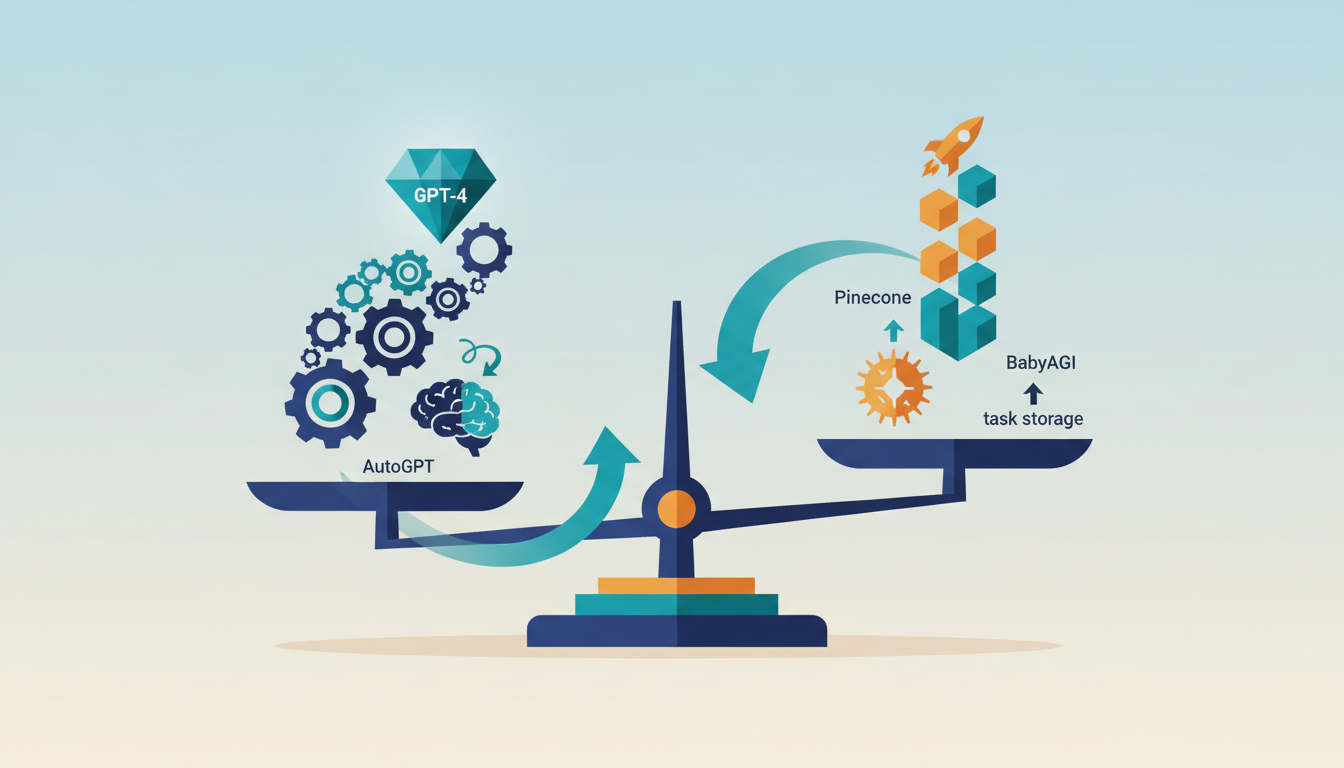
Analyze 64 commits proving autonomous agents work. Compare AutoGPT and BabyAGI frameworks for stable, cost-effective engineering deployment.
Over 1,000 papers validate modern agent architectures. Learn how 300+ tools enable reliable autonomy and measurable ROI in production systems.
Learn how isolated context prevents data contamination when agents synthesize hundreds of websites into unified reports using LangChain.
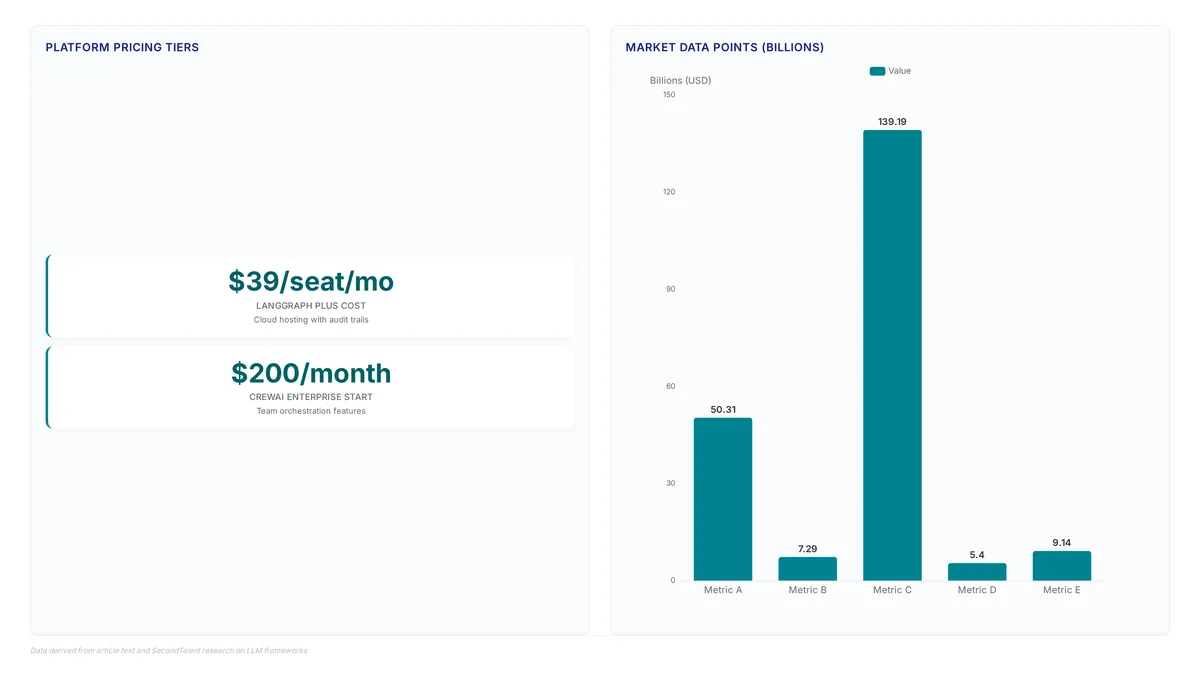
The agentic AI market reaches $9.14 billion by 2026. Learn how state persistence and orchestration prevent brittle multiagent system failures.
Learn how six distinct agent tool categories range from low-risk search to high-risk desktop control, plus why Model Context Protocol matters.
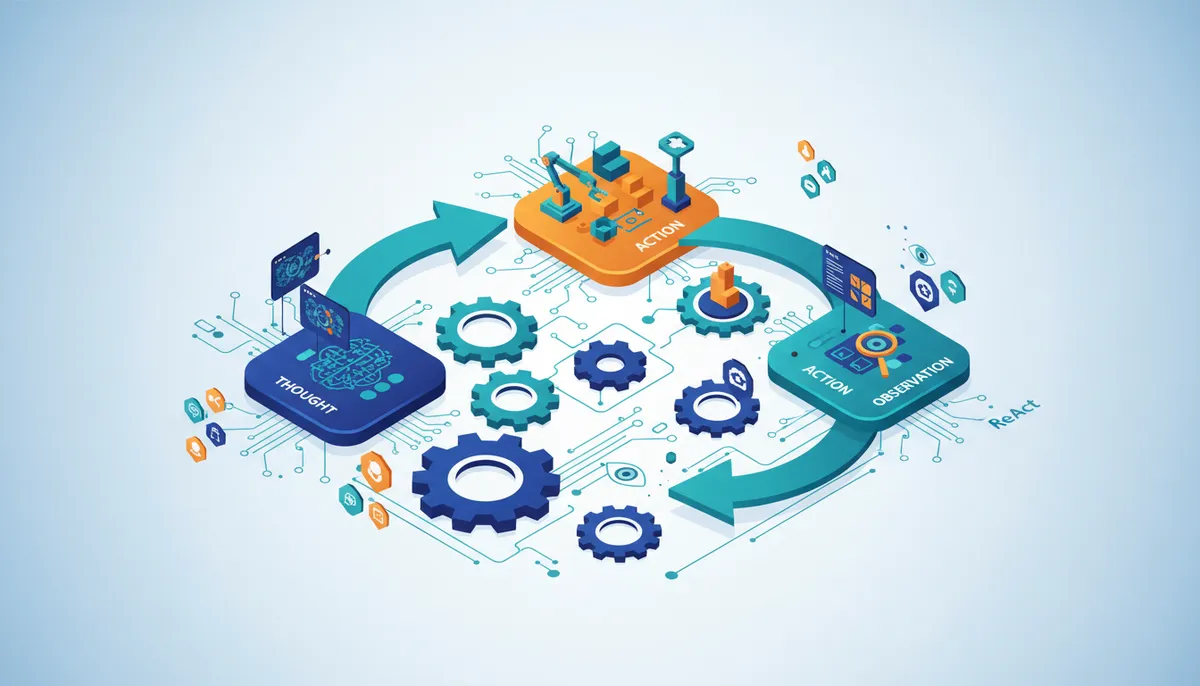
Unlike reactive chatbots, autonomous agents execute the full Plan-Act-Observe loop to independently restore dropped test coverage.
Learn how a single agent analyzes job descriptions to output a JD Summary and list matching skills like LLM or Terraform in seconds.
Analysis of 18 production deployments shows LangGraph excels at managing complex stateful workflows where linear chains fail.
Compare seven key frameworks for composable agents. Learn how planning loops and memory retention differ in the 2026 landscape.
Evaluate four axes for agent orchestration as the 2026 engineering challenge. Compare state management and control flow across top frameworks.
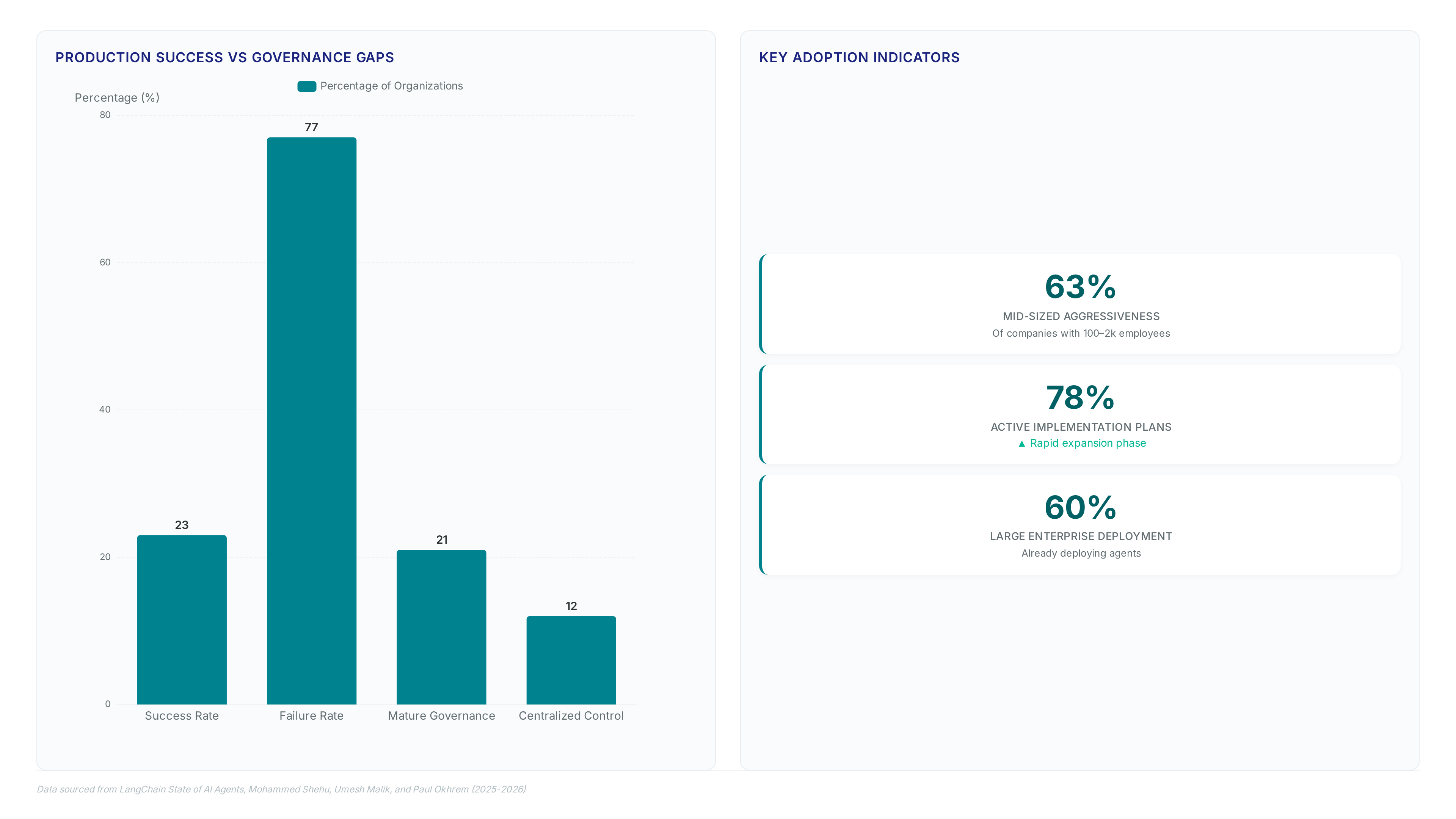
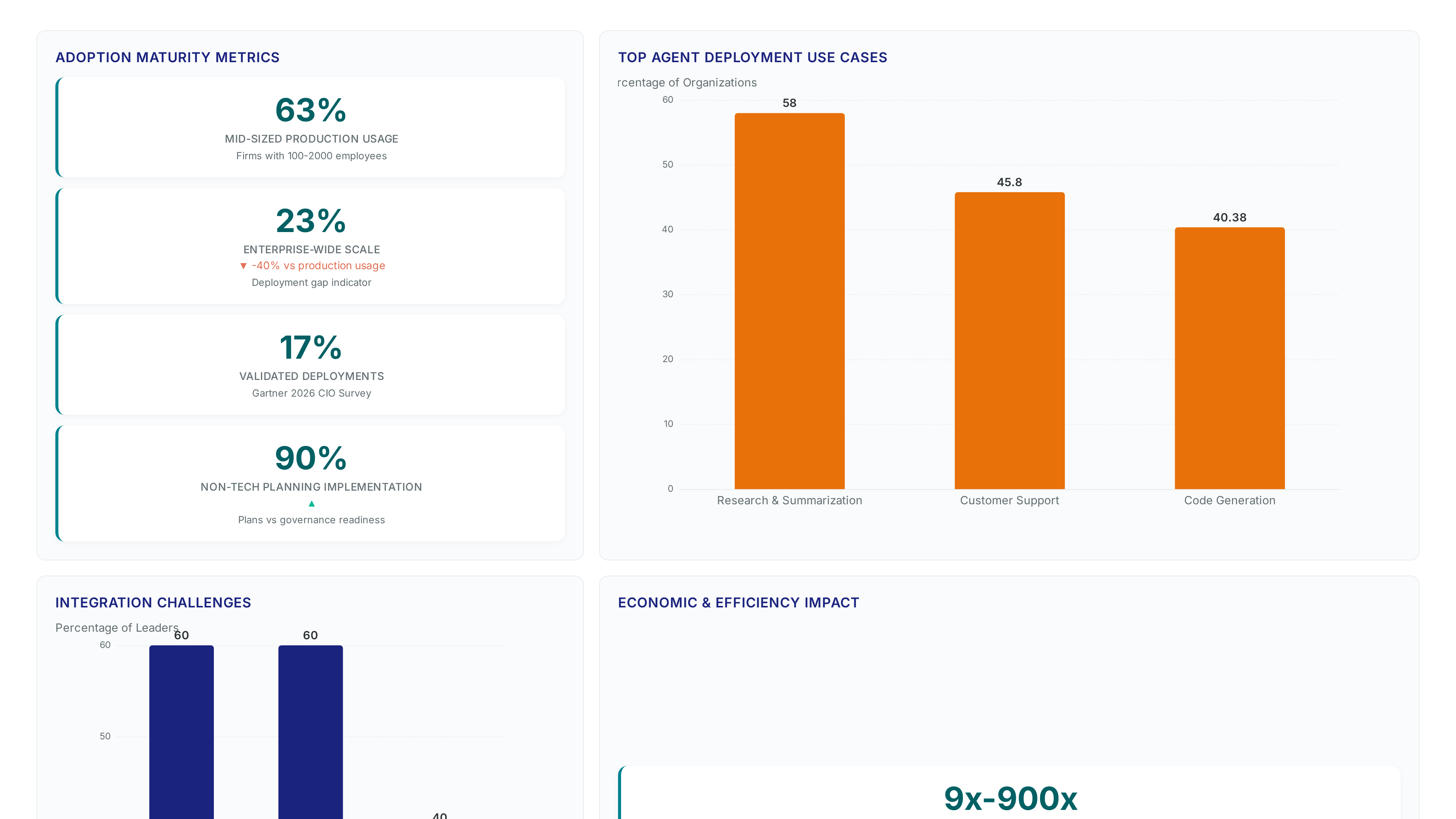
Most deployments stay narrow. With 78% planning adoption, teams must build true agents that handle failure, not just chatbots.
After testing 20 AI agent courses, this review isolates the 5 curricula teaching production-ready autonomous systems and real deployment guardrails.
With 51% of pros deploying agents, learn why LLM control flow matters more than chat for complex app logic and safety.
Single agents fail by the third retry. Learn why text-to-SQL needs 3 to 7 specialized roles to prevent context bloat and pipeline crashes.
Frontend teams adopting AI agents could ship features five times quicker by 2027. Learn the architectural shifts needed for secure integration.
Legacy tooling fails at scale; agentnative systems use 60-minute temporary accounts to stop billing spikes and enable real autonomy.
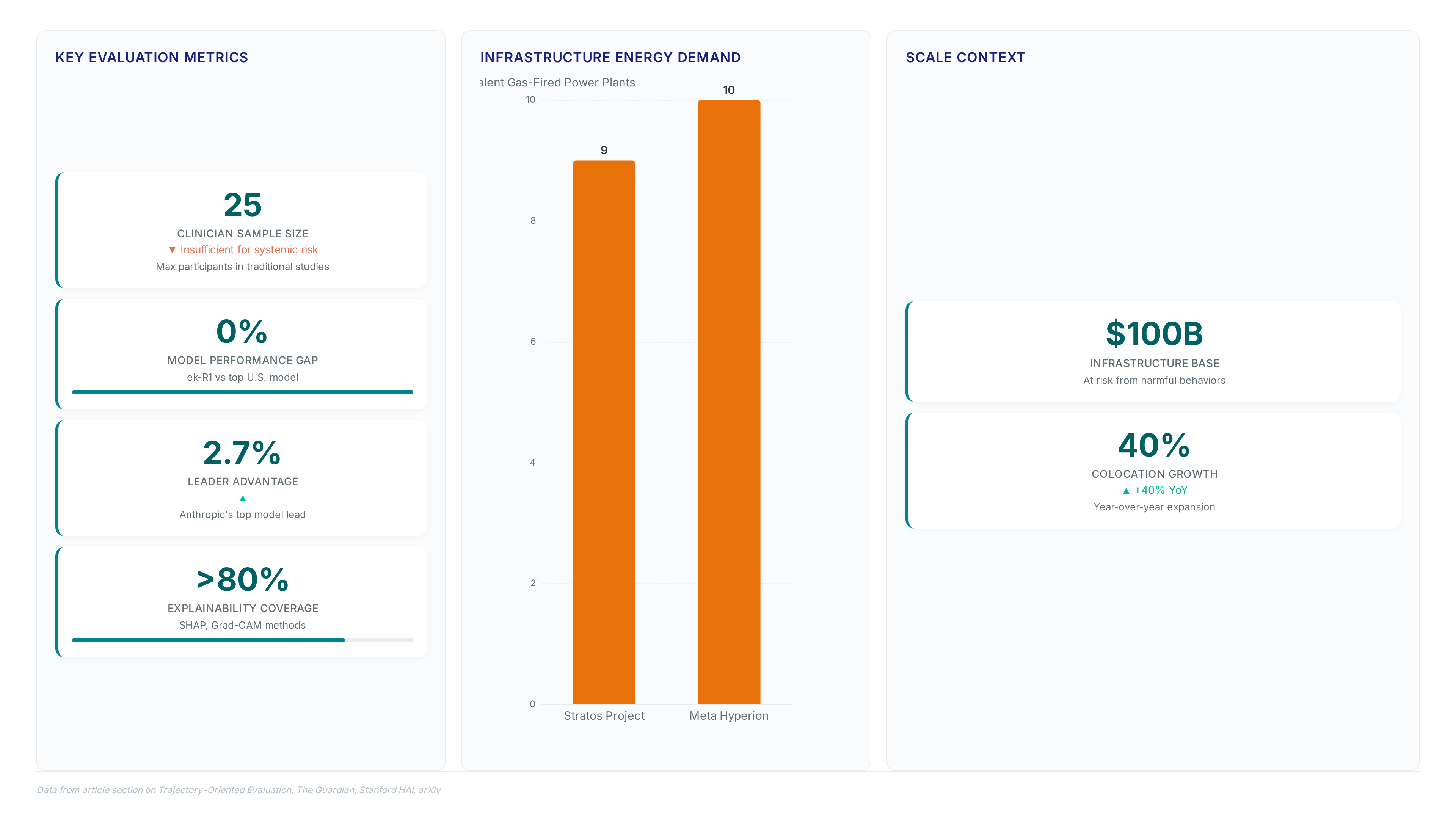
Maria Perez-Ortiz's Planet-Centered AI paper has one buildable payload: monitorability and trajectory-oriented evaluation. Why greener compute misses the point.