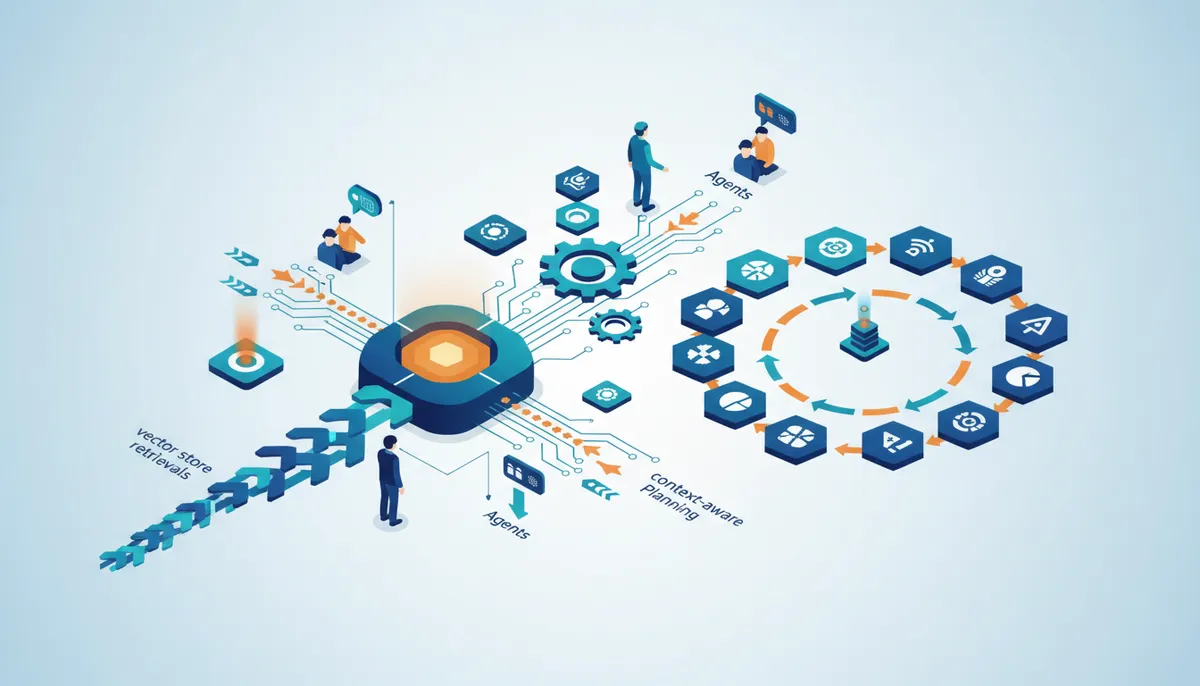
Agent architecture: five components before scaling
Avoid infinite loops by defining the five components an effective agent requires. Learn how retrieval, tools, and memory prevent chaotic outputs.

Static data causes deprecated advice. Learn the three missing layers preventing agent autonomy in modern development workflows today.
Seven open-source toolkits now define the agentic landscape as of July 2026, shifting focus from demos to hardened production infrastructure.
Most AI agents stall at 60% efficiency without closed-loop design. Learn the six architectural layers that enable true self-improving agent systems.
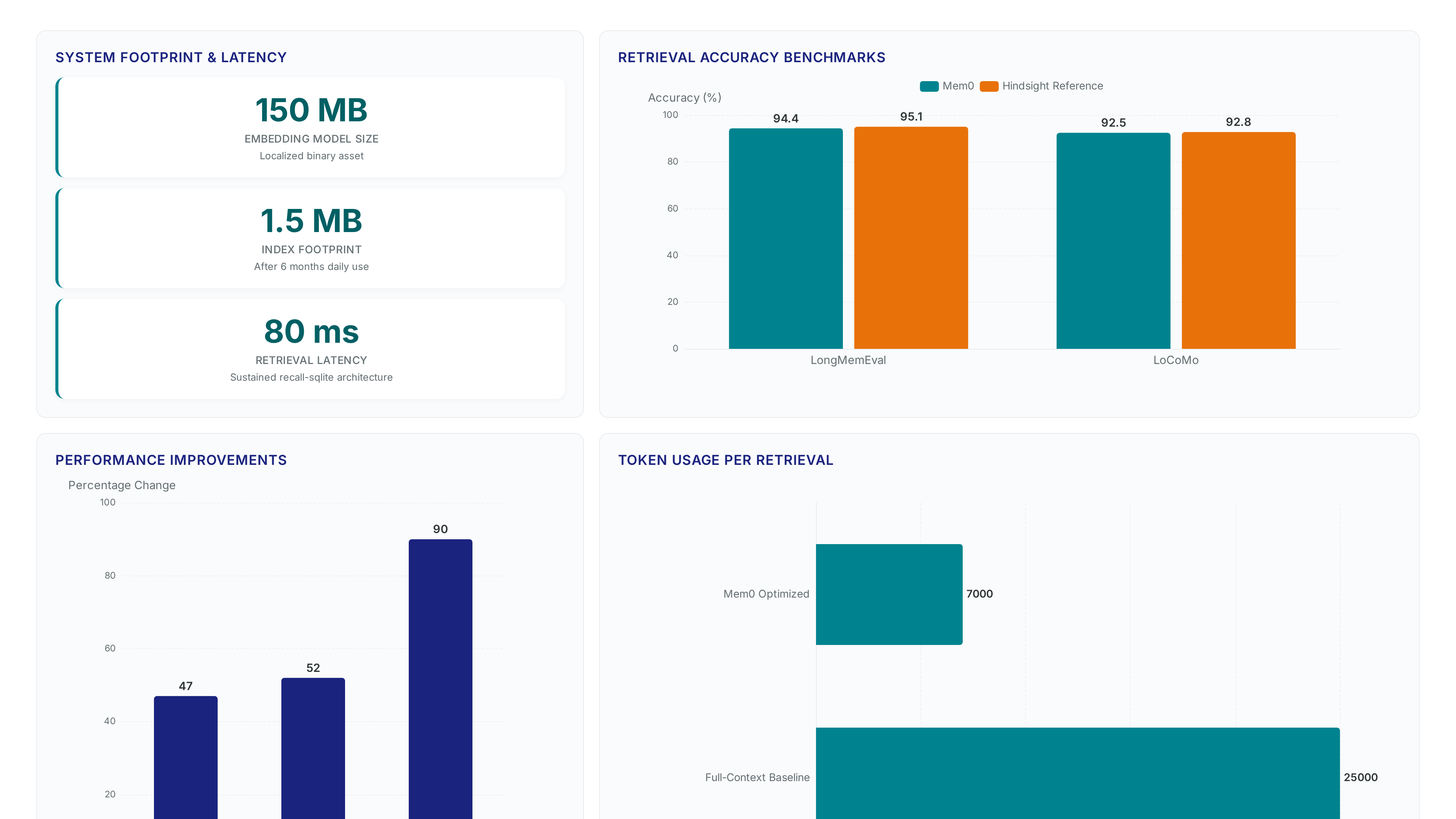
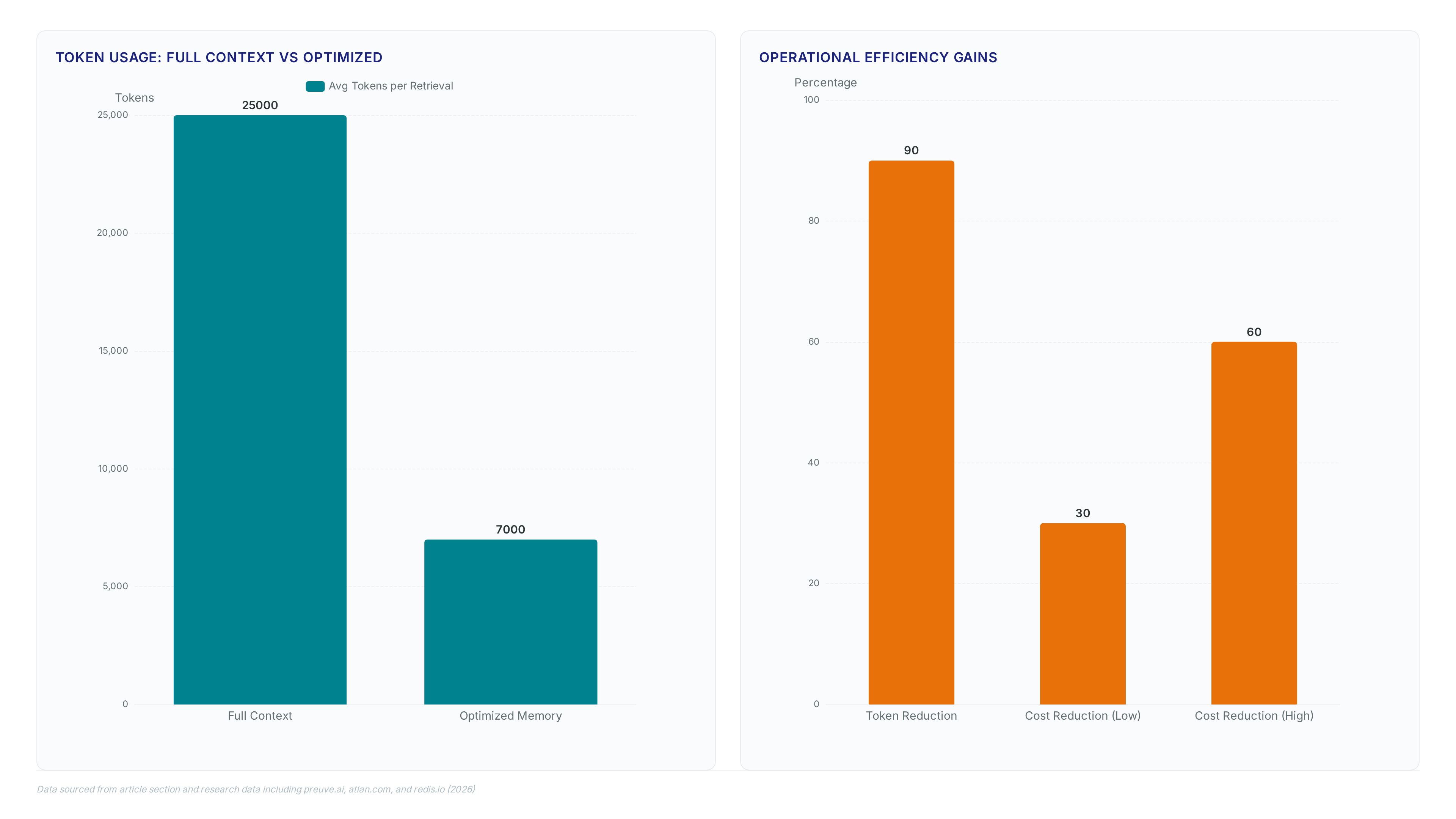
I built recallsqlite to fix memory accumulation, keeping latency at 80ms while competitors drop to 0.05 accuracy with bloated contexts.
Dissect five leading multiagent platforms, comparing how they manage state and tool execution for complex, sequential automation tasks.
With 79% of agents stuck in loops, cognitive ontology replaces flat vectors with graph memory to retain context across sessions.
With fewer than one-third linking AI to outcomes, agent orchestration provides the governance gates and cross-use memory engineers need.
Most agents use only 2 of 7 memory types. Learn why working memory evaporates and how episodic storage fixes long-term agent autonomy.
Data shows single agents falter near 20,000 documents. Learn the ReAct pattern and memory thresholds for robust multi-agent architecture.
Learn how the four mandatory modules transform raw models into systems that manage state and execute logical flows without constant human intervention.
Choosing the right agent framework prevents technical debt that compounds silently until development halts.
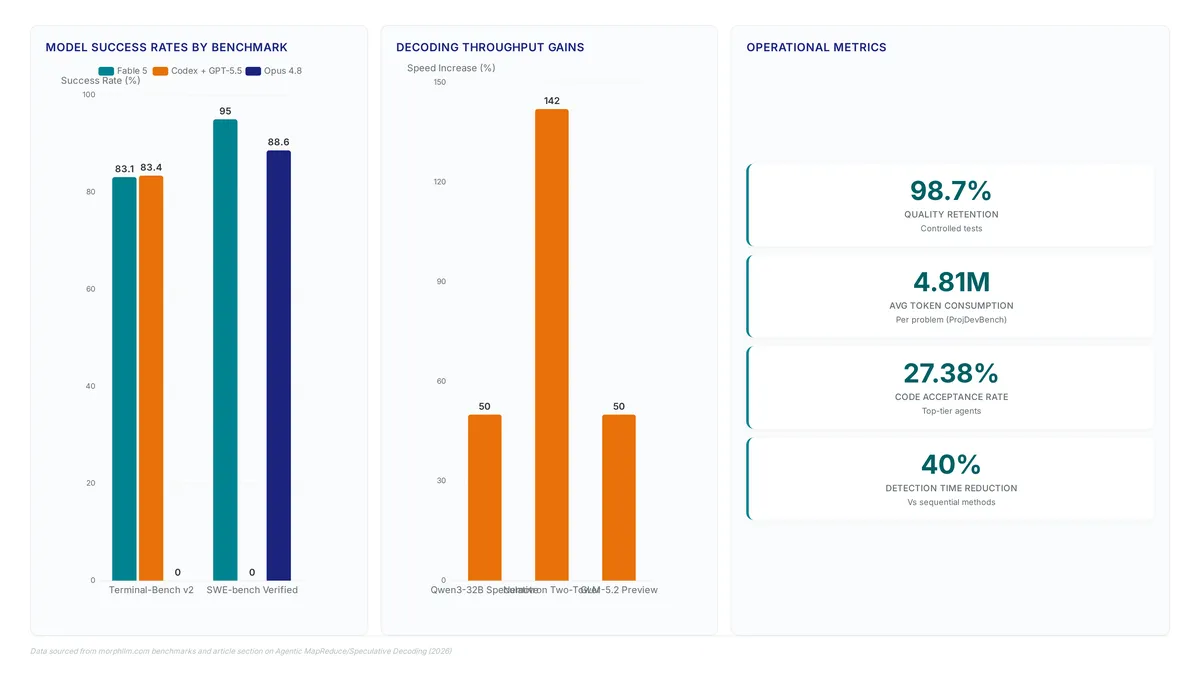
Fable 5 leads Cursor evals but hits high costs, forcing builders to adopt multimodel orchestration for sustainable 2026 agent stacks.
Eleven frameworks now define the production environment for building autonomous systems. Forcing developers to choose between heavy orchestration...
Learn to build agents that manage context across multiple turns using specific memory compression strategies and token monitoring.
Compare seven key frameworks for composable agents. Learn how planning loops and memory retention differ in the 2026 landscape.
Stop re-explaining conventions to your agent. This guide uses Hindsight's LongMemEval benchmark results to fix OpenHands context loss.
After six months of false confidence, I found native memory replaced my custom build. Use this one-minute test to verify true agent retrieval.
Gartner predicts 40% of apps will embed agents. Learn how crosslayer coherence prevents state drift between memory, authority, and action layers.
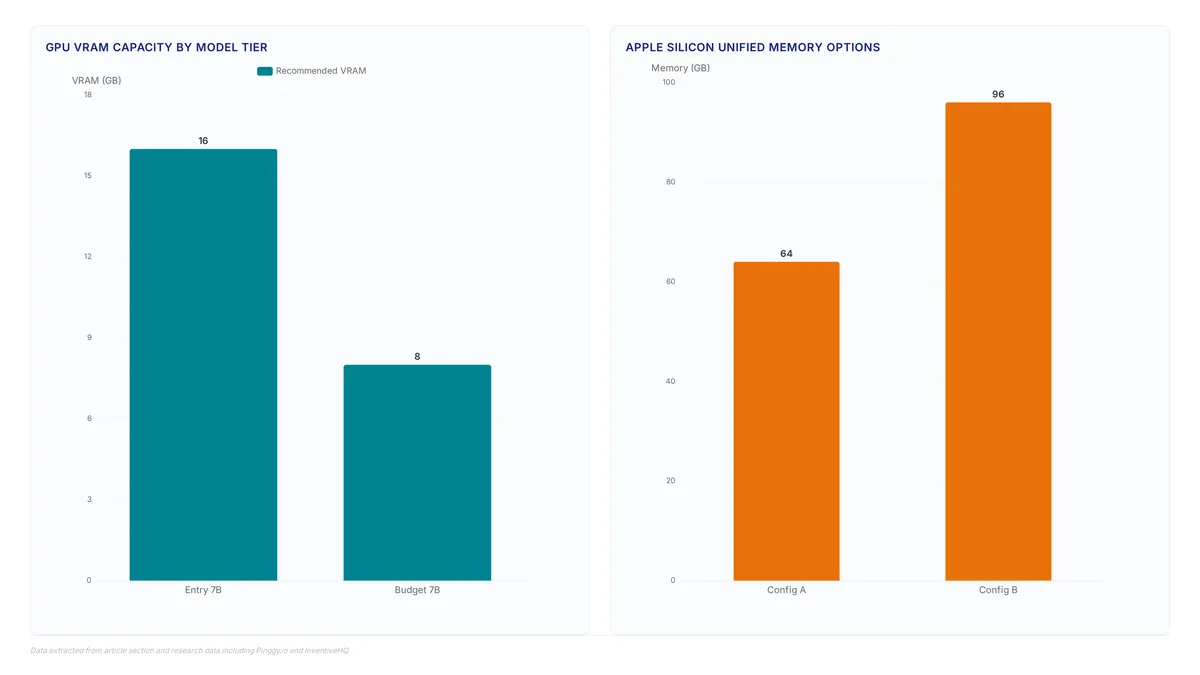
Apple's M3 Ultra delivers 819 GB/s bandwidth, proving unified memory outperforms discrete VRAM for running large local models without latency.
Testing five models on an Intel i5 reveals 36 tokens per second is the ceiling for small LLMs due to 20 GB/s memory bandwidth limits.
Stop runaway LLMs from crashing your host. Set MemoryHigh at 12G and MemoryMax at 14G to throttle processes before the kernel kills them.