Desktop coding agents handle parallel work better
Intent by Augment Code required the least manual reconciliation during parallel work on shared contracts in early 2026 testing.

Learn to build event-driven LlamaIndex agents using the gemini3.6flash model and Context class for shared state across multi-step workflows.
Learn how LlamaIndex initializes agents in 5 lines to bridge private data silos and execute complex, multi-step reasoning tasks.
BenchLM.ai evaluates function calling across 24 agentic benchmarks to measure precision in tool invocation and terminal task execution for AI agents.
Sandboxed agents reset on tmpfs with zero memory. Learn how three context layers and convention files prevent entropy in production codebases.
LangGraph deleted three weeks of agent memory with zero errors. Why state-management discipline, not heavier infrastructure, fixes silent checkpoint loss.
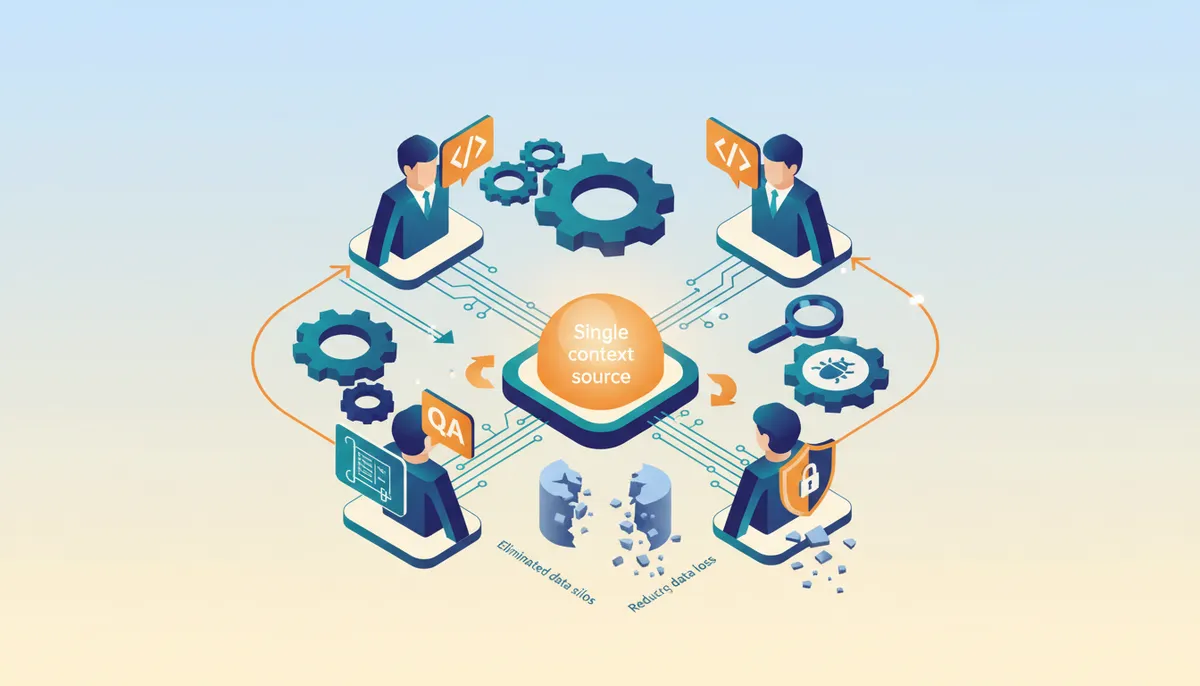
Brunelly replaces generic outputs with architecture-aware planning to fix fragmented engineering pipelines and restore lost system context.
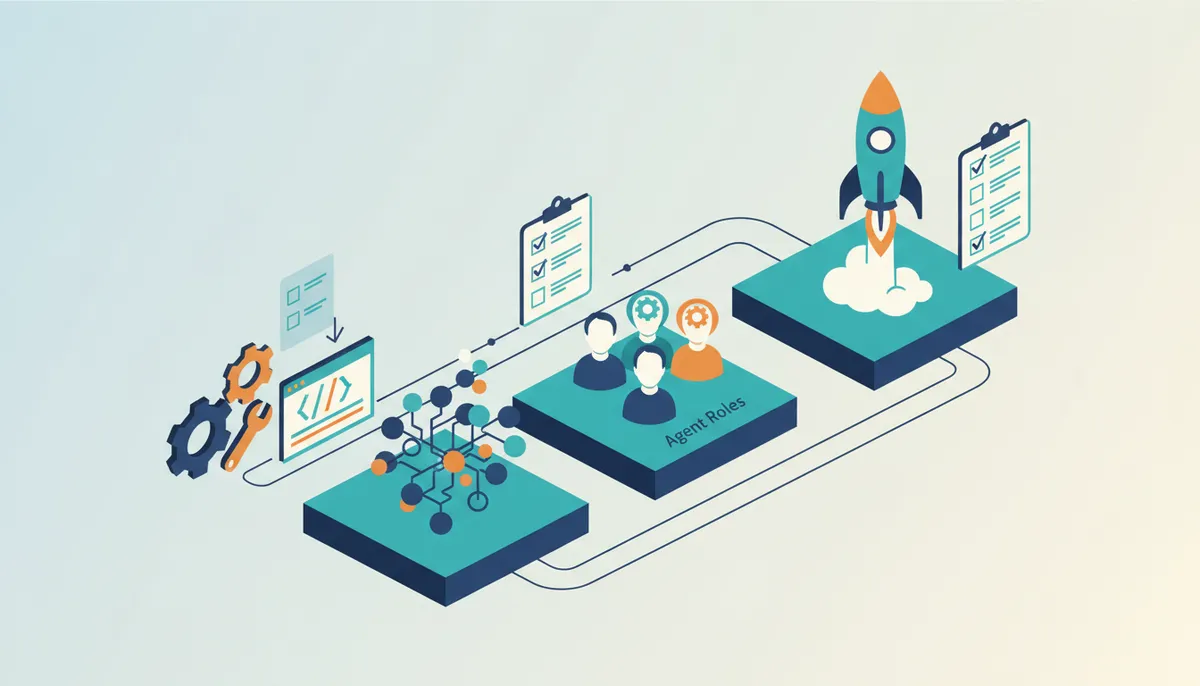
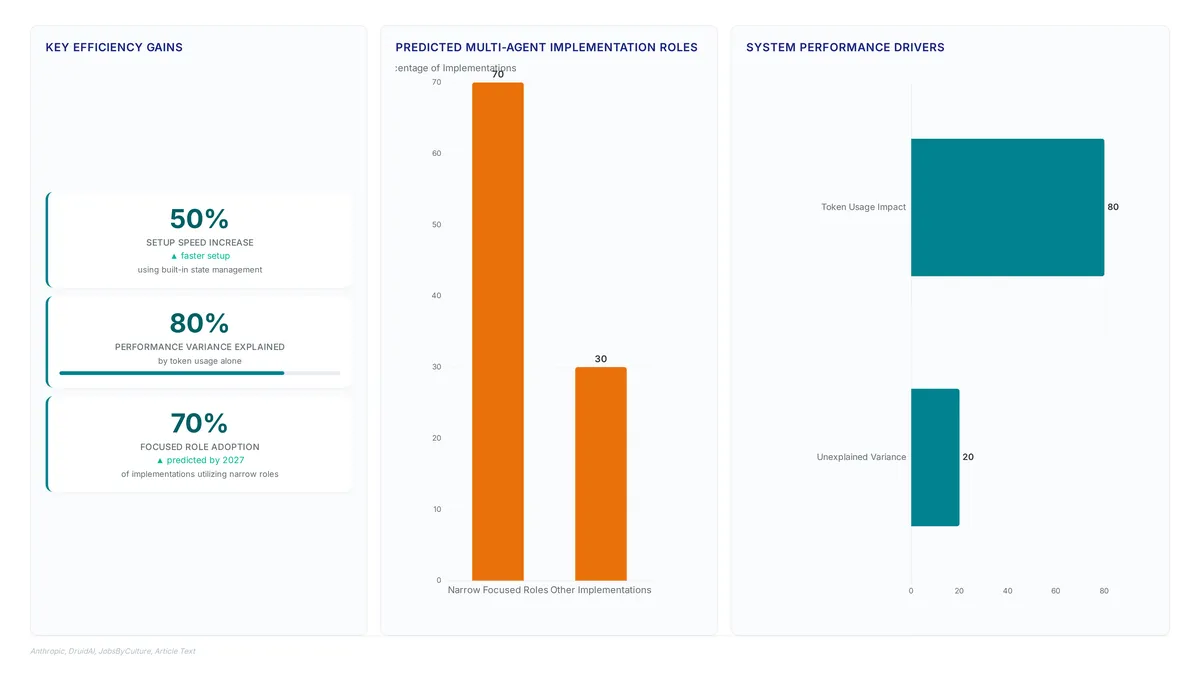
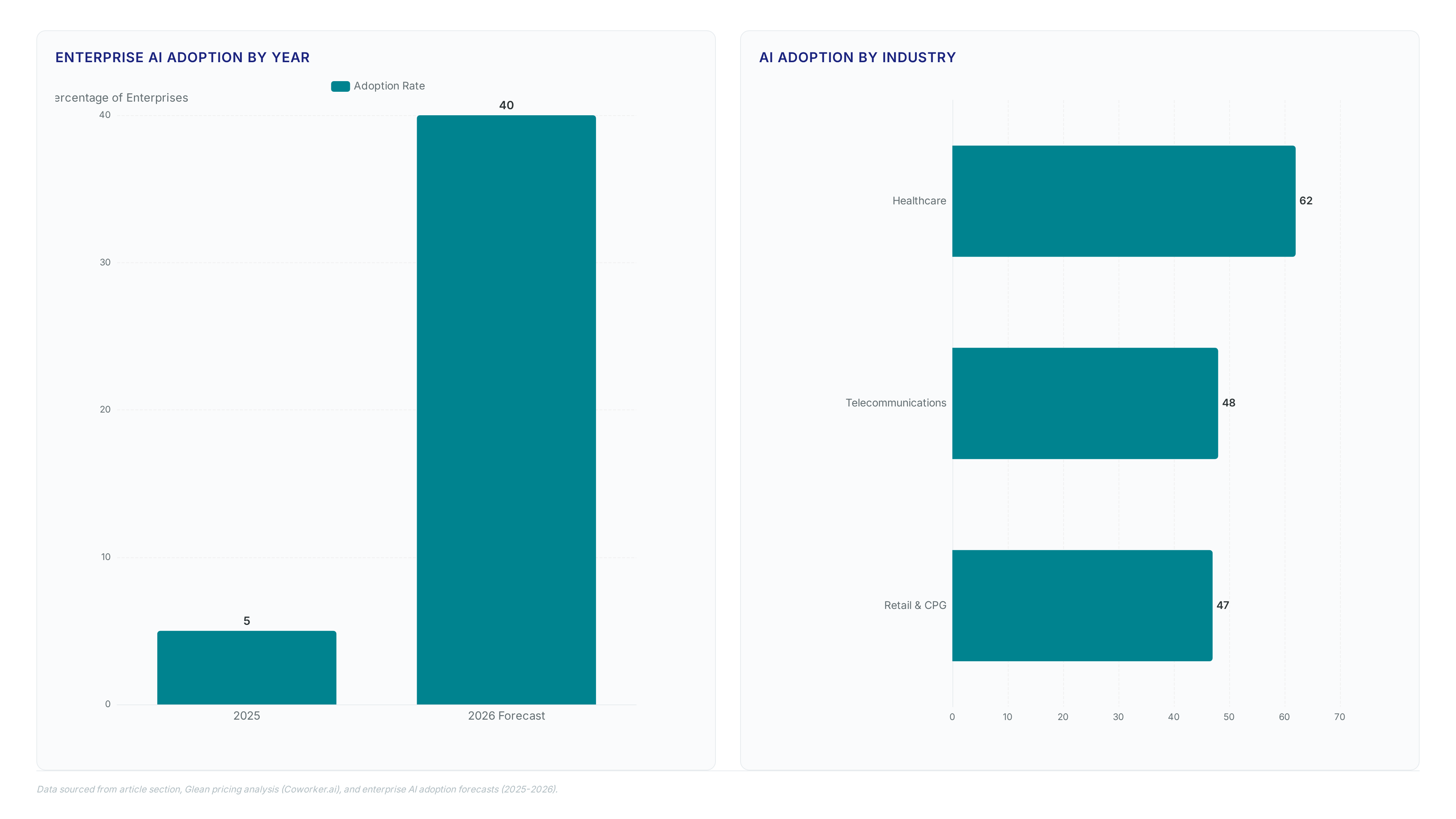
Seventy percent of implementations will apply agents with narrow, focused roles by 2027, driven by the need for higher accuracy in specialized tasks...
Build a Confluence MCP server using 62 tools and 23 triggers. This guide covers LlamaIndex integration, OAuth handling, and ReAct agent workflows.
Analysis of 18 deployments shows LangGraph leads production readiness. Learn how to prevent context loss and infinite loops in your agent systems.
Learn how isolated context prevents data contamination when agents synthesize hundreds of websites into unified reports using LangChain.
Most agents use only 2 of 7 memory types. Learn why working memory evaporates and how episodic storage fixes long-term agent autonomy.
One misrouted tenant ID broke production. Learn the five-layer model to stop context bleeding across your AI agent workflows today.
Data shows single agents falter near 20,000 documents. Learn the ReAct pattern and memory thresholds for robust multi-agent architecture.
Hermes Agent crossed 140,000 GitHub stars by using FTS5 search to retain project specifics across sessions without manual reexplanation.
AI coding agents now handle 1.05M token contexts, enabling full-repo refactors without retrieval augmentation or constant human intervention.
Learn to build agents that manage context across multiple turns using specific memory compression strategies and token monitoring.
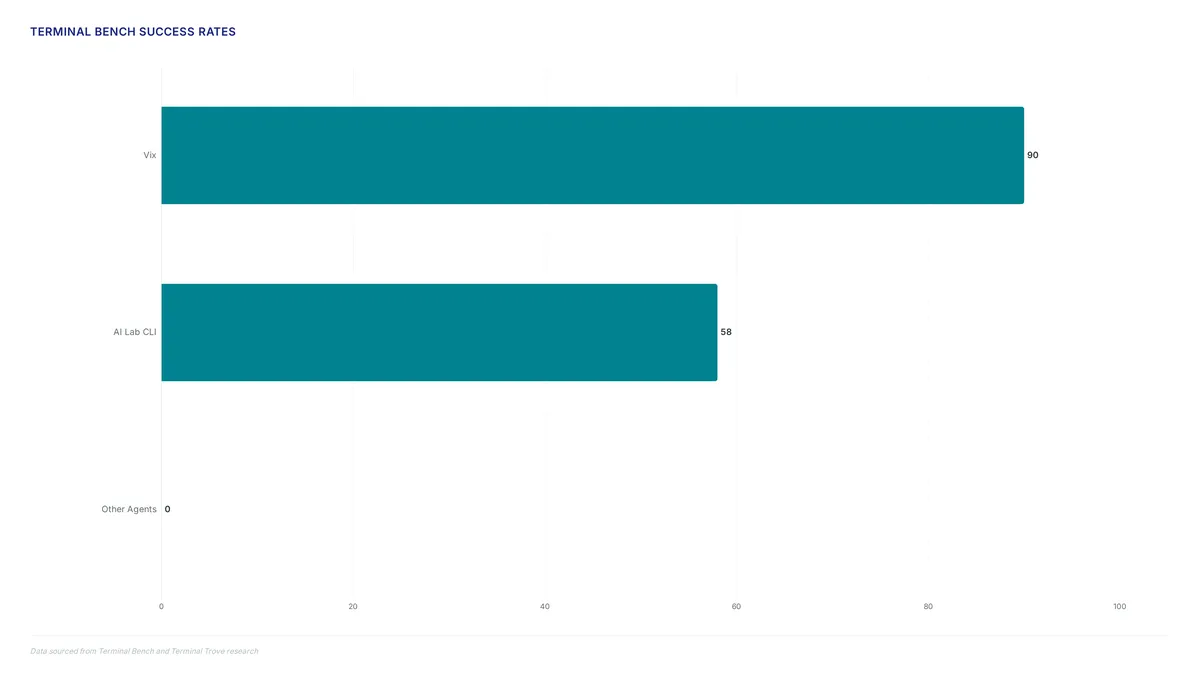
Vix leads Terminal Bench 2.0 with a 90.0% score, while the AI Lab CLI tool ranks 52nd at 58.0%. See how 48 agents compare on real metrics.
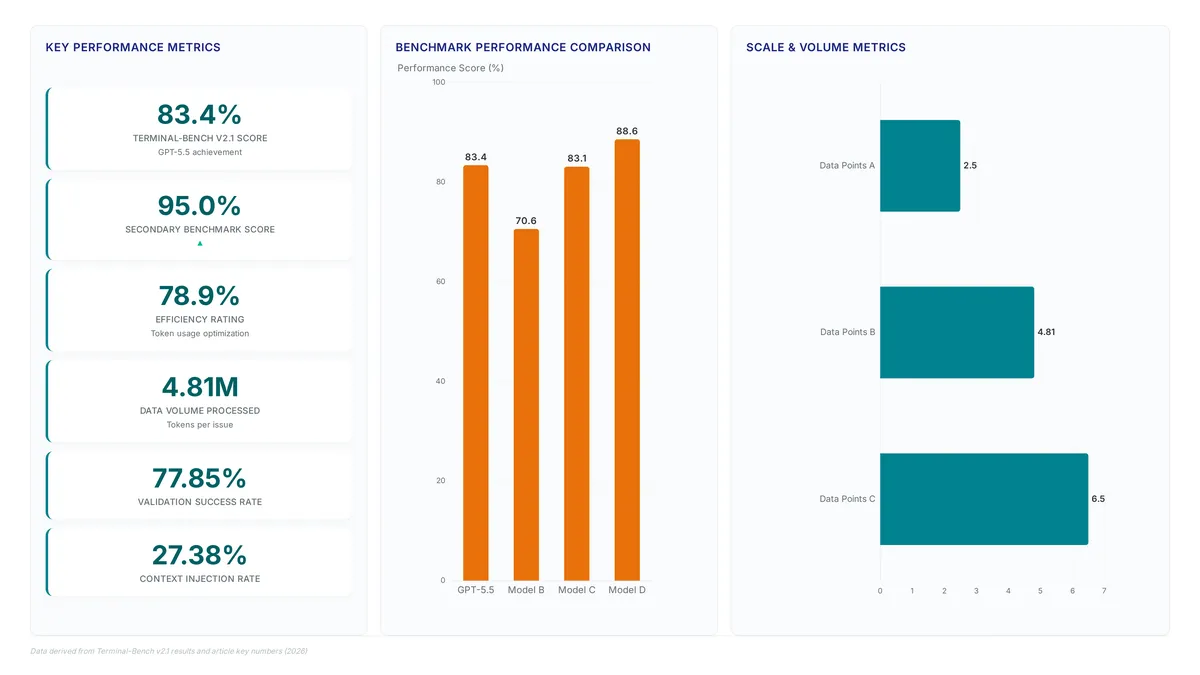
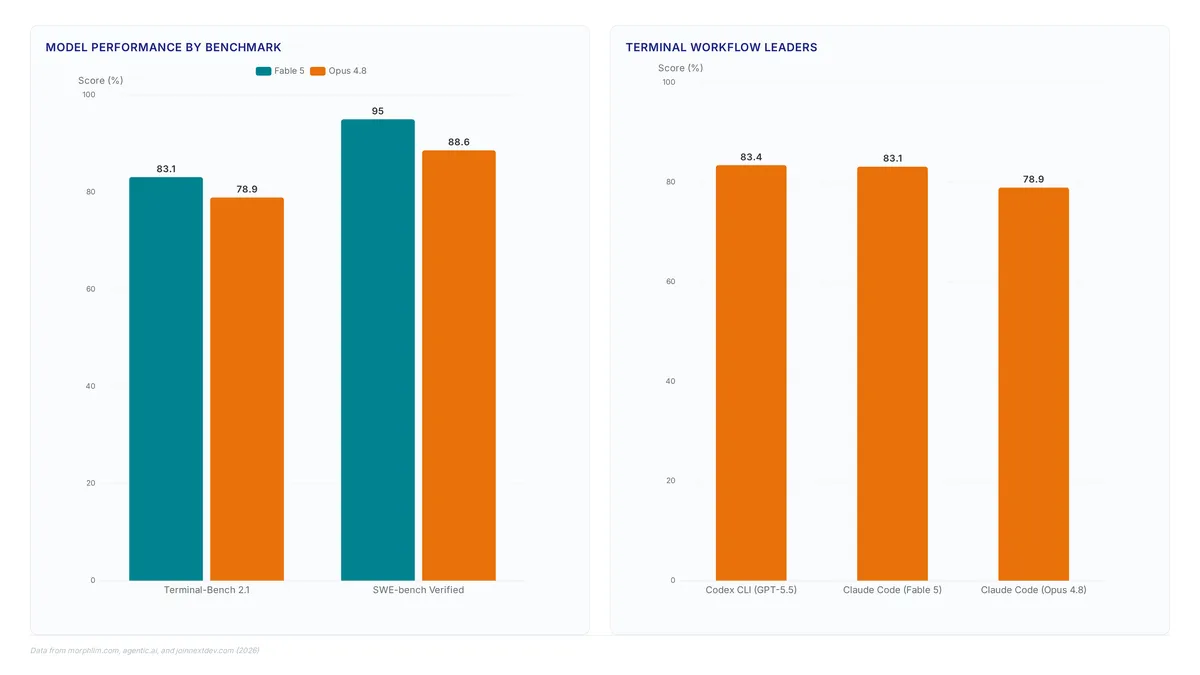
Learn 21 design patterns to fix AI coding agents. While Codex CLI hits 83.4% on benchmarks, internal discipline prevents broken systems.
Compare seven key frameworks for composable agents. Learn how planning loops and memory retention differ in the 2026 landscape.
LangGraph 1.2.0 adds checkpoints and streaming. Learn to build RAG pipelines chunking at 1000 tokens using Qdrant and FastEmbed.
Stop re-explaining conventions to your agent. This guide uses Hindsight's LongMemEval benchmark results to fix OpenHands context loss.
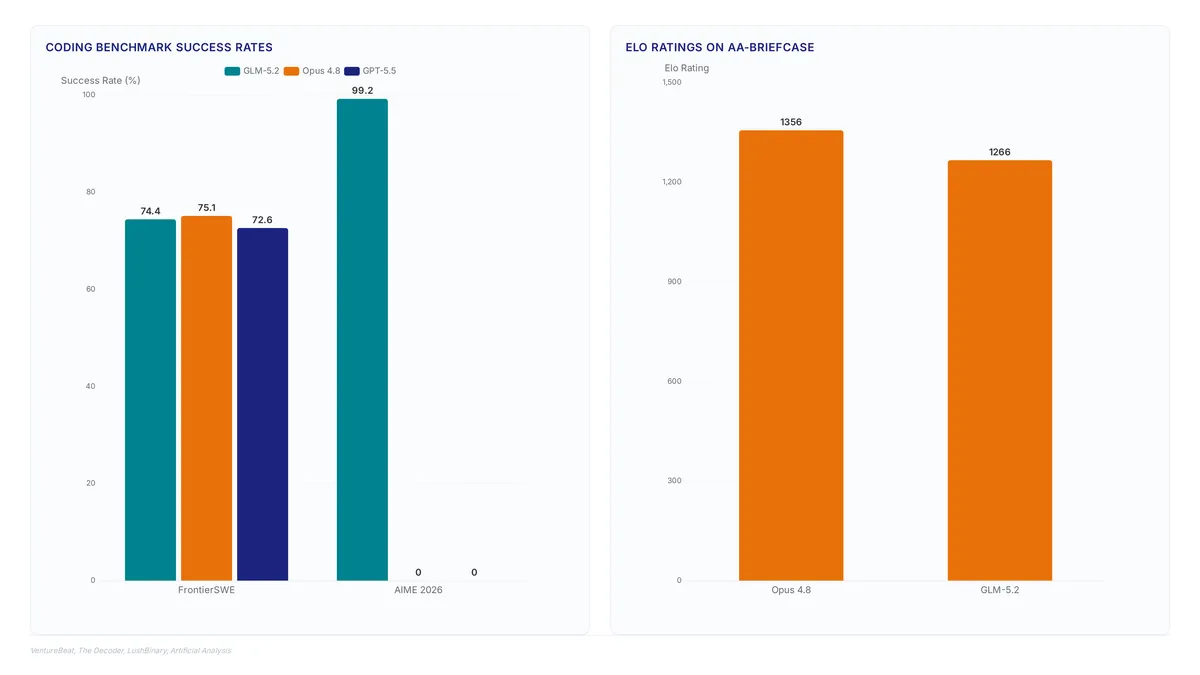
GLM-5.2 improved internal task success rates from 21/70 to 48/70 over its predecessor, signaling a shift in open-weight viability.
Stop context pollution before it breaks your workflow. Delegation runtime isolates subtasks, reducing context window overhead by 80% while keeping control.
At $15 per million tokens, guessing code structure is costly. Learn why coding agents need verified graph facts over raw context windows.
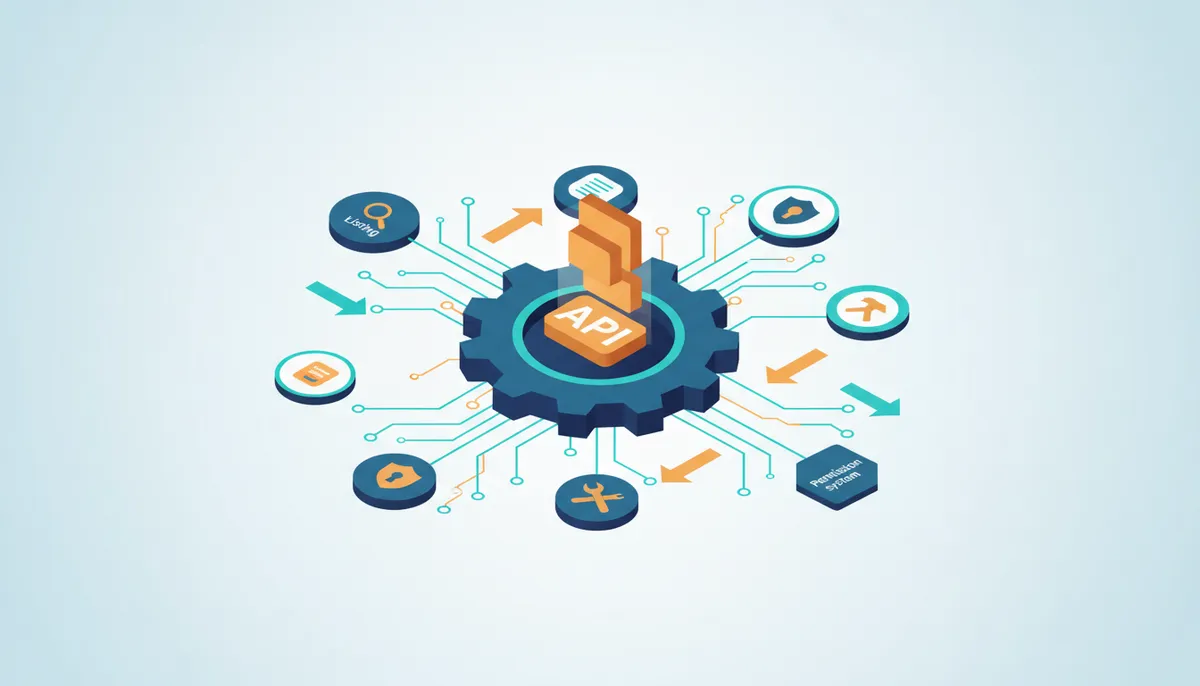
Stop rebuilding tools for every agent. Astron's registry cuts the $950 monthly indexing drain and enforces secure skill reuse across teams.
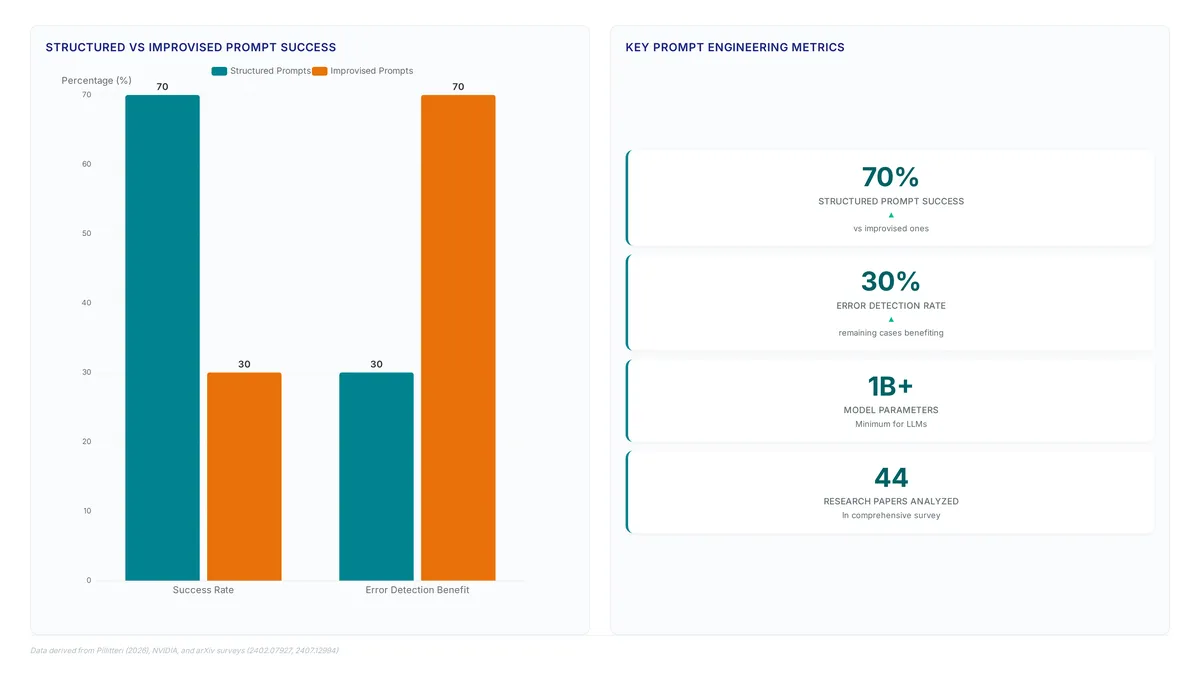
Stop iterative guessing by applying a strict 5-block prompt architecture that shifts probabilistic model outputs toward accurate, stable results.
OpenHands 1.8.0 adds subagent delegation and LLM profiles, moving beyond single context windows for complex engineering workflows.