OpenCode tools: stop blind trust with permission checks
With 170,000 GitHub stars, OpenCode grows fast. Learn why default tool settings allow unrestricted bash access and how to enforce approval.
Framework reviews, autonomous coders and multi-agent systems — tracked and explained by the AI Agents News desk.
With 170,000 GitHub stars, OpenCode grows fast. Learn why default tool settings allow unrestricted bash access and how to enforce approval.
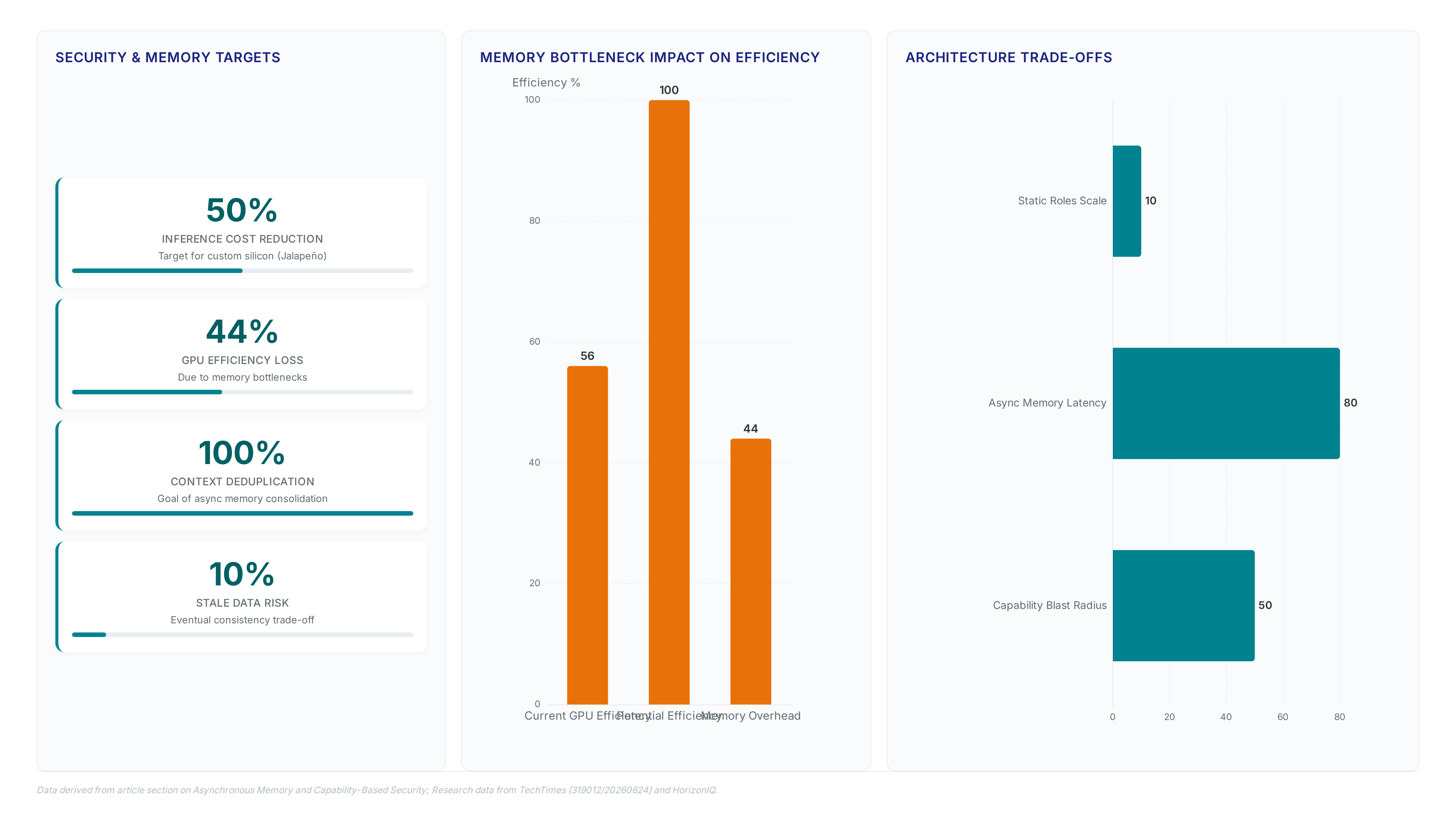
OpenAI's Jalapeño chip targets a 50% cost drop per token. We analyze the 3nm specs and what proprietary silicon means for your agent stack.
Thinking Machines' native interaction models hit 0.40s latency, outpacing GPT-realtime2's 1.18s for concurrent audio and text streams.
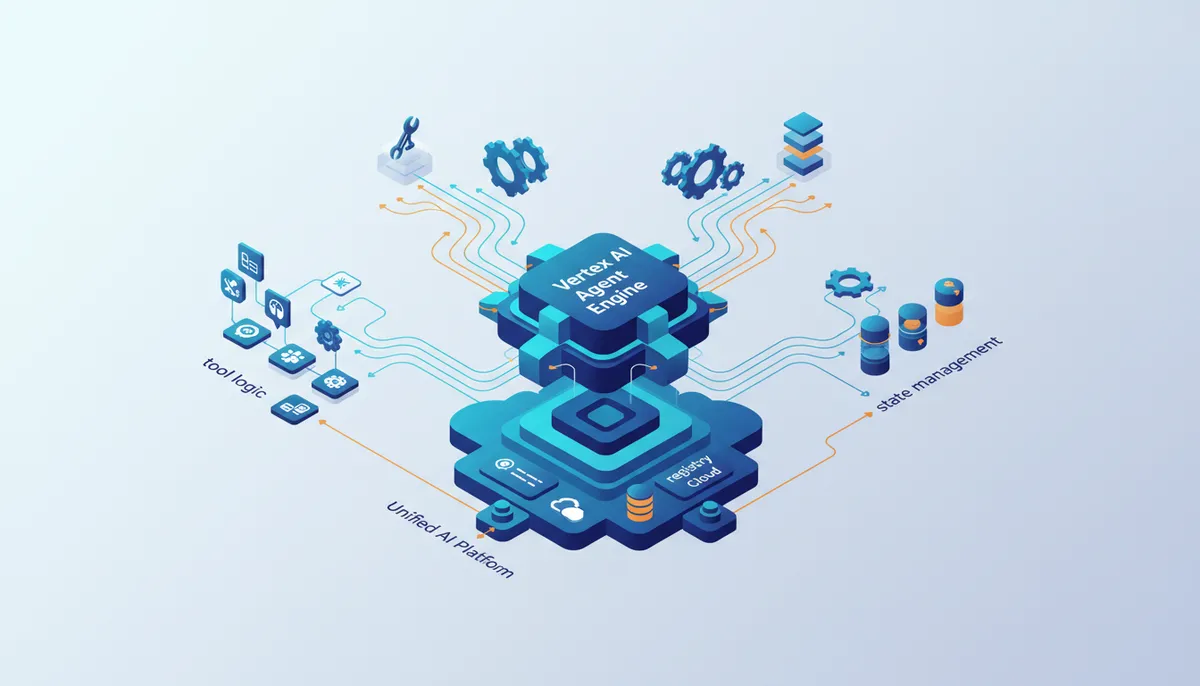
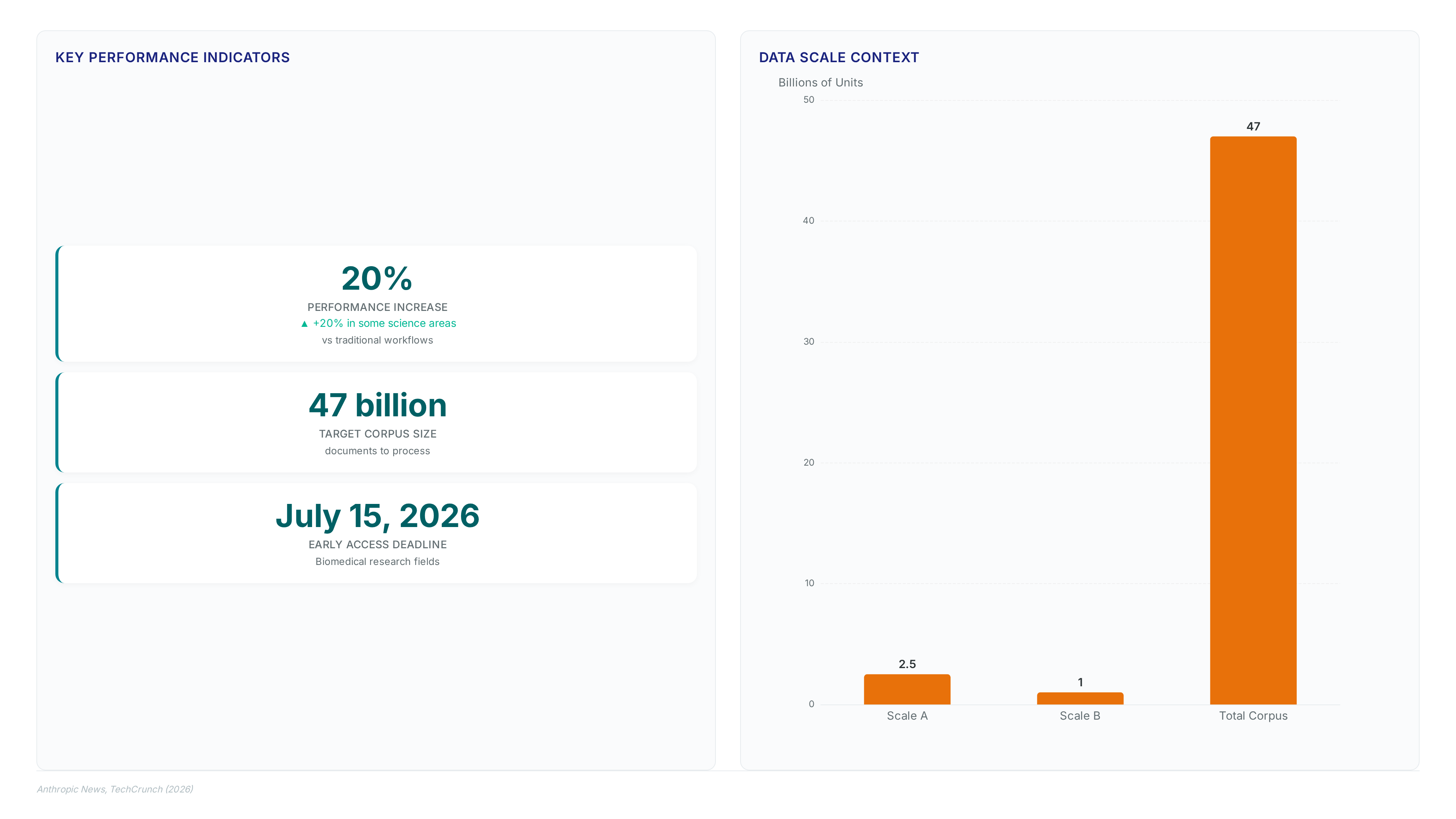
Vertex AI multiagent systems handle over 20,000 documents by splitting planner and executor roles, preventing total workflow collapse during errors.
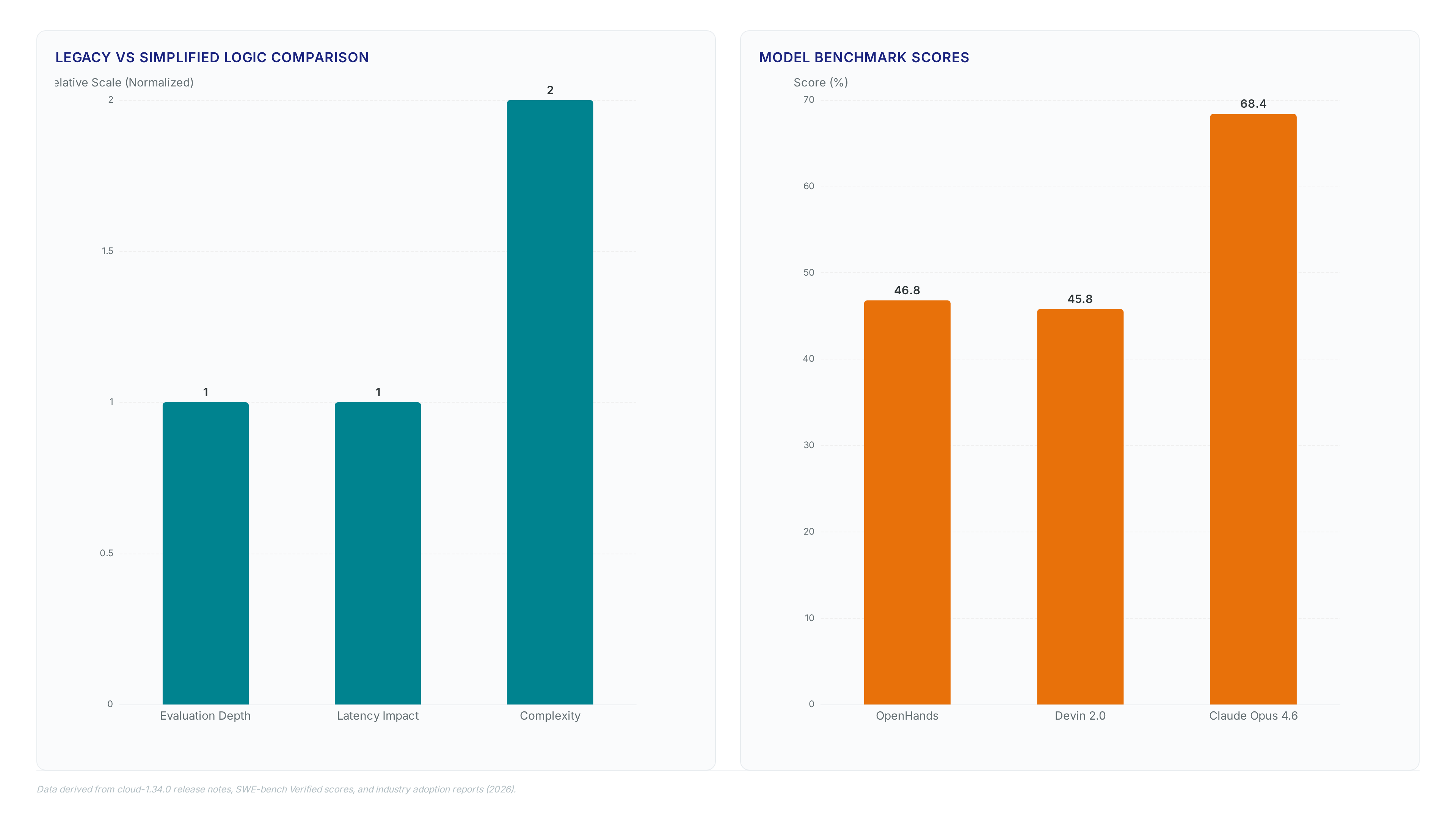
Multi-agent systems with Claude Opus 4 outperform single-agent approaches by 90.2% on internal research evaluations.
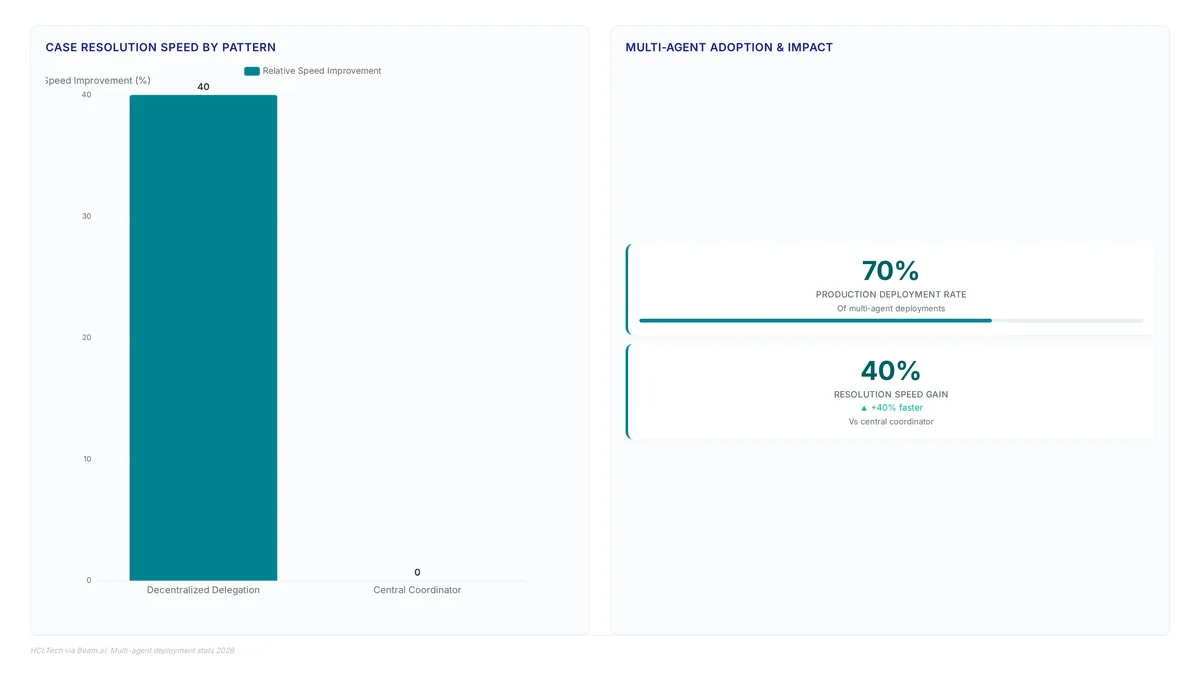
Production data shows 70% of deployments rely on a central orchestrator to route tasks. Learn how specialized agents reduce coordination overhead.
Dissect five leading multiagent platforms, comparing how they manage state and tool execution for complex, sequential automation tasks.
Monolithic prompts fail at scale. Learn how SkillasCode helps manage the 40% of apps needing agents by year-end without security drift.
Cloud round trips add 200ms to 800ms latency per request. Compare local, VPS, and cloud architectures for speed and privacy tradeoffs.
Version 0.0.14 of the llamaagents framework treats every agent as an independent microservice, removing the illusion of local execution for scalable systems.
langgraphcli 0.4.27 pins Docker images to specific digests, requiring GPG key B5690EEEBB952194 to verify binary authenticity.
LangGraph SDK 0.4.1 enforces stateless projections and extracts decoders. Learn how the 36.2k-star repo now handles V3 streaming for RemoteGraph instances.