Inference latency: Why 41B active beats 975B
Learn why 41B active parameters matter more than total count for agent latency. Discover selection criteria for reliable, cost-effective systems.
Framework reviews, autonomous coders and multi-agent systems — tracked and explained by the AI Agents News desk.
Learn why 41B active parameters matter more than total count for agent latency. Discover selection criteria for reliable, cost-effective systems.
Connect OpenAI Agents SDK to OpenRouter MCP. This setup unlocks 13 tools while managing OAuth and token refresh cycles automatically.
Seven open-source toolkits now define the agentic landscape as of July 2026, shifting focus from demos to hardened production infrastructure.
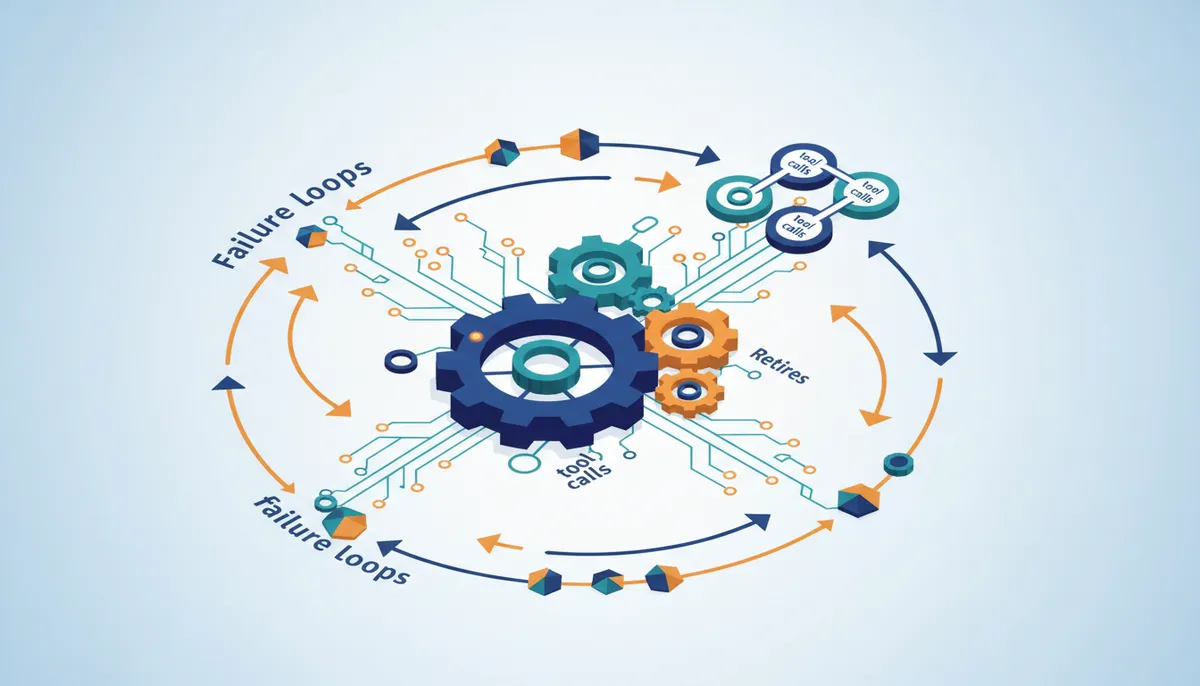
Unchecked retries turn minor glitches into seven-figure liabilities. Learn why parallel agentic loops drain budgets faster than expected.
Most AI agents stall at 60% efficiency without closed-loop design. Learn the six architectural layers that enable true self-improving agent systems.
Ninety live runs prove 2024 data fails. See how an 11% token variance across nine frameworks impacts your 2026 production latency and costs.
Analysis of 79 projects shows enterprise agentic AI needs LangGraph orchestration and 9-layer guardrails to handle production data reliably.
Autonomous engineers show 8x to 12x gains, but only with governance. Learn why traceability matters for agentic software development cycles.
Agent requests often take 30 to 120 seconds, far exceeding the 50ms standard. Learn to build tool contracts that handle this nondeterministic latency safely.
Stop capability hallucination by grouping builtin and MCP tools into sets. This control layer ensures agents select only relevant functions before execution.
A $50M Series B validates autonomous agents. Learn to replace rigid scripts with declarative tool specs for safer, flexible orchestration.
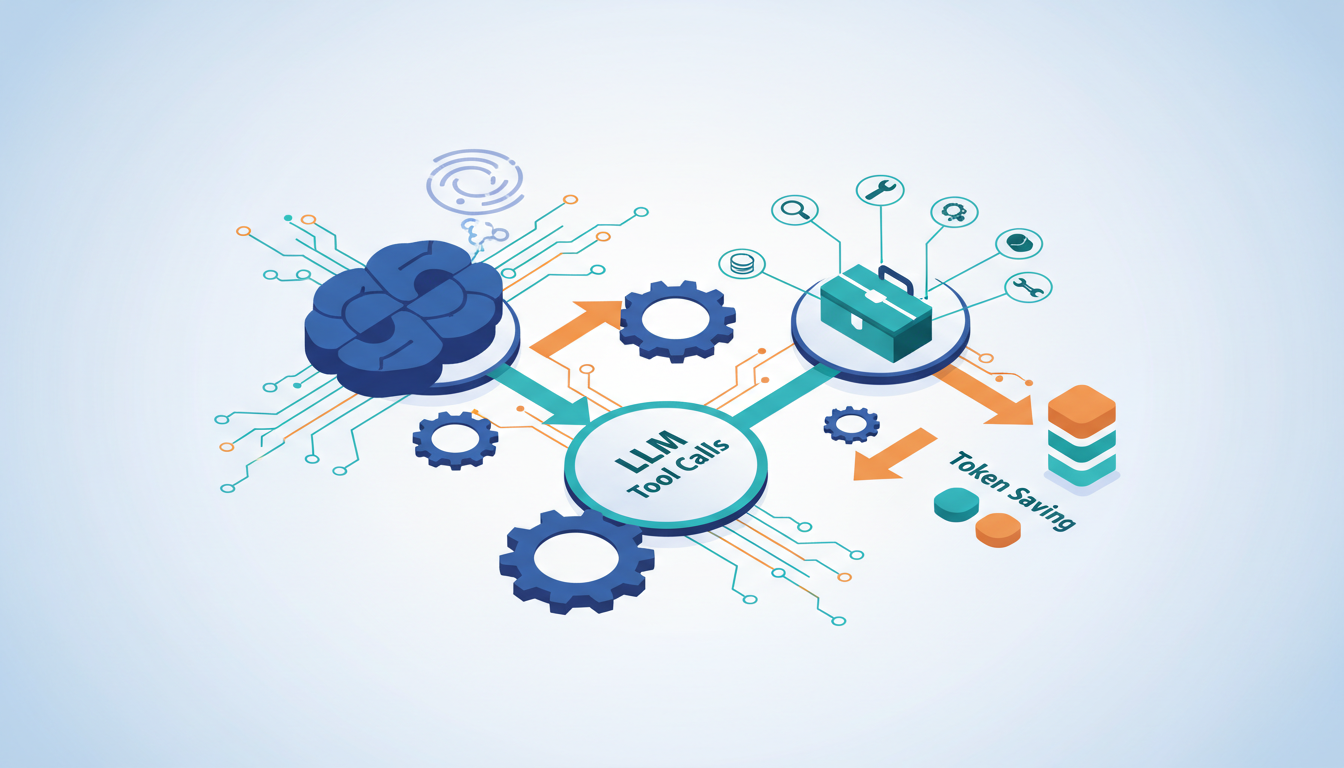
Optimized frameworks slash redundant tool calls from 98% to 2%. Learn how structured schemas and event-driven resumption build reliable AI agents.