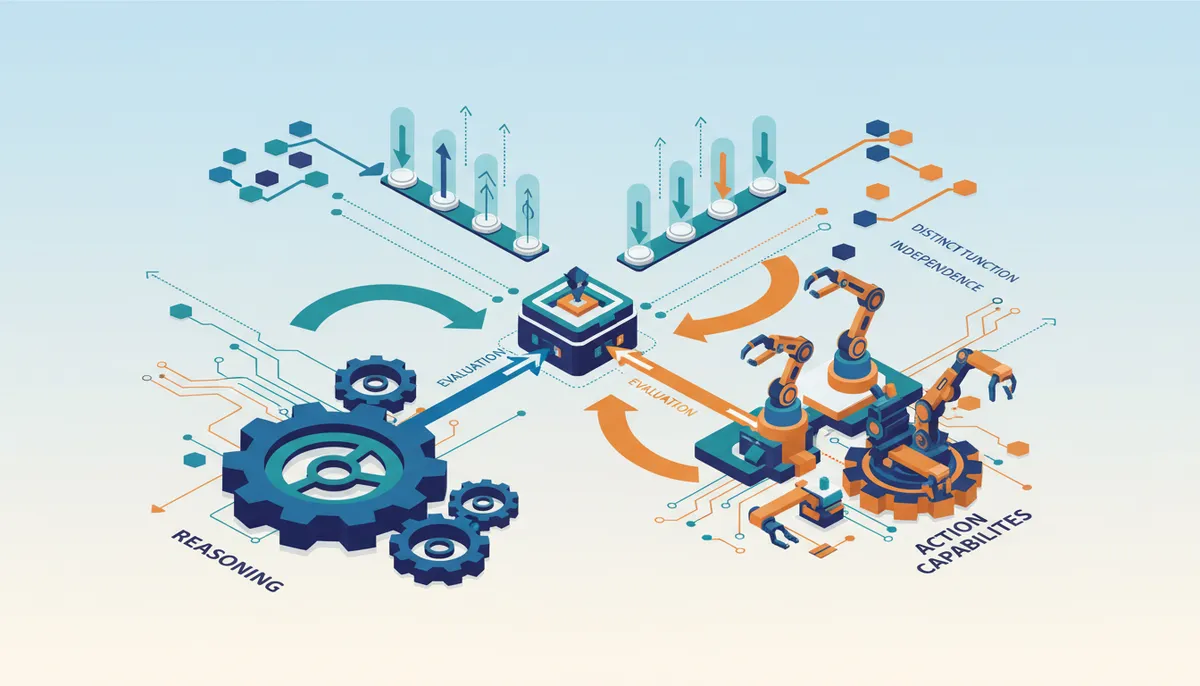
Agent testing needs an LLM evaluator, not static scripts
With 276 commits, this framework uses an LLM evaluator to test agent reasoning via multiturn dialogue instead of static string matching.

Framework reviews, autonomous coders and multi-agent systems — tracked and explained by the AI Agents News desk.
With 276 commits, this framework uses an LLM evaluator to test agent reasoning via multiturn dialogue instead of static string matching.
Aggregating 18,142 skills from 307 repositories, this project defines 357 canonical standards to solve AI agent fragmentation.
Compare seven key frameworks for composable agents. Learn how planning loops and memory retention differ in the 2026 landscape.
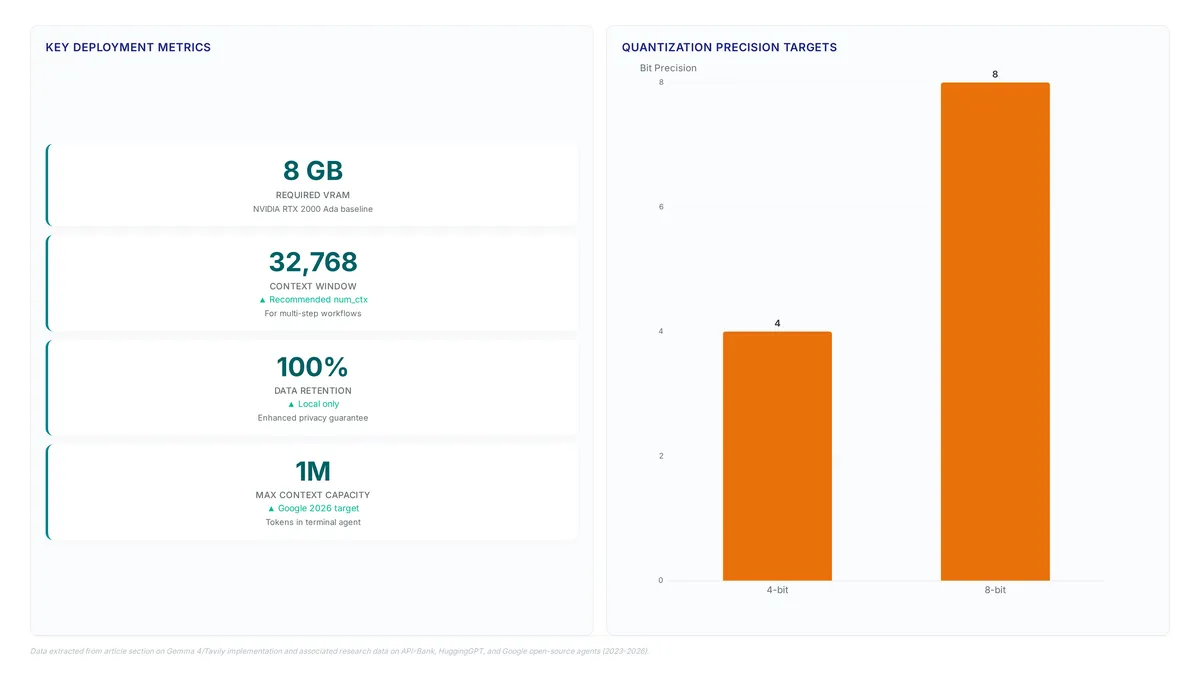
Build a local research agent using Gemma 4 and Tavily. This guide configures 32,768 context tokens for deep evidence synthesis on consumer hardware.
Shift from fixed scripts to autonomous models. Learn how the Loadout Pattern curates tool subsets to prevent context flooding in your agents.
LangGraph 1.2.0 adds checkpoints and streaming. Learn to build RAG pipelines chunking at 1000 tokens using Qdrant and FastEmbed.
Evaluate four axes for agent orchestration as the 2026 engineering challenge. Compare state management and control flow across top frameworks.
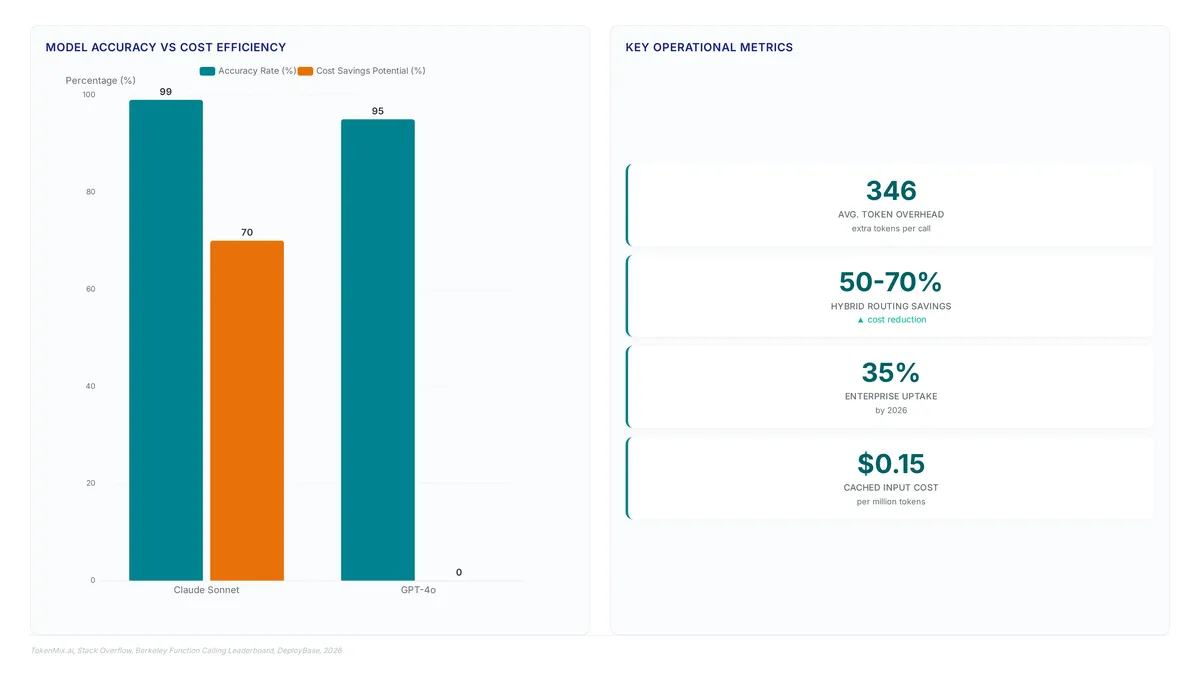
Function calling adds 346 tokens per call, inflating costs for high-volume agents. Learn how OpenAPI schemas and Gemini 3.5 Flash manage this overhead.
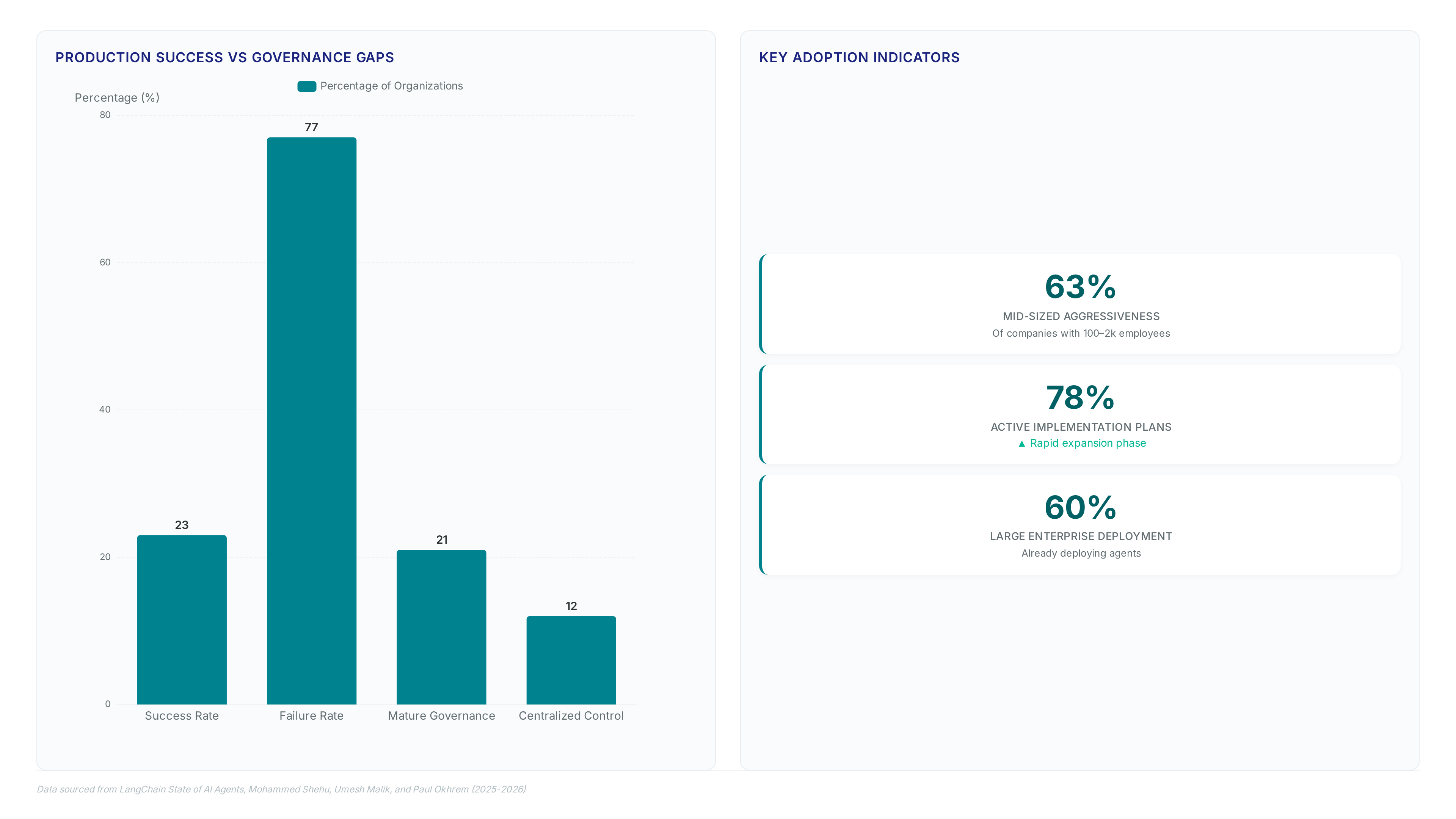
Most deployments stay narrow. With 78% planning adoption, teams must build true agents that handle failure, not just chatbots.
LangChain sits at 140,351 stars. That number dominates the LLM agent landscape, but raw popularity rarely tells the whole story.
CrewAI version 1.15.1 separates autonomous crews from event-driven flows, offering engineers precise low-level control without LangChain dependencies.
Cursor hit a multi-billion dollar ARR run-rate by early 2026, proving autonomous coding agents are no longer experimental toys.