Coding agents shift to production with 1M context
AI coding agents now handle 1.05M token contexts, enabling full-repo refactors without retrieval augmentation or constant human intervention.

Framework reviews, autonomous coders and multi-agent systems — tracked and explained by the AI Agents News desk.
AI coding agents now handle 1.05M token contexts, enabling full-repo refactors without retrieval augmentation or constant human intervention.
Discover why 211 million lines of code fail silently when async loops ignore await, forcing engineers to master the soul badge of agentic debugging.
Configured AI agents drive a 2-3x value increase by stripping verbose output. Learn how specialized personas reduce token costs in complex development.
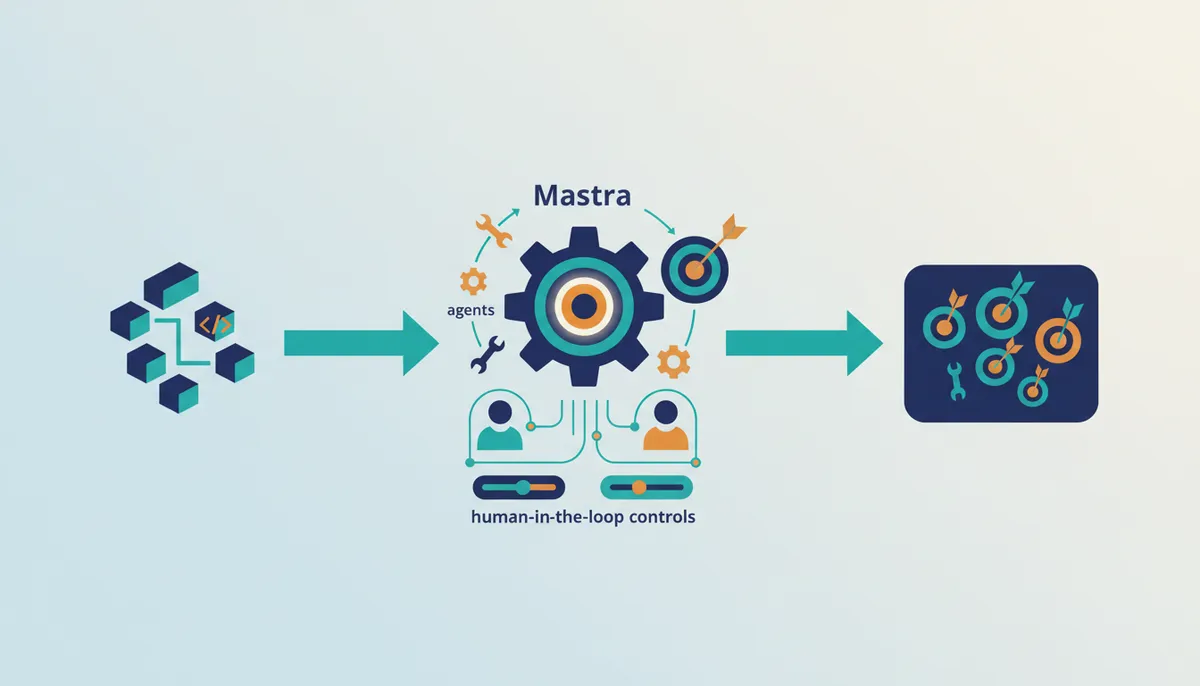
Eleven frameworks now define the production environment for building autonomous systems. Compare Vellum, Mastra and LangChain before you wire the plumbing.
Learn to build agents that manage context across multiple turns using specific memory compression strategies and token monitoring.
Analysis of 18 production deployments shows LangGraph excels at managing complex stateful workflows where linear chains fail.
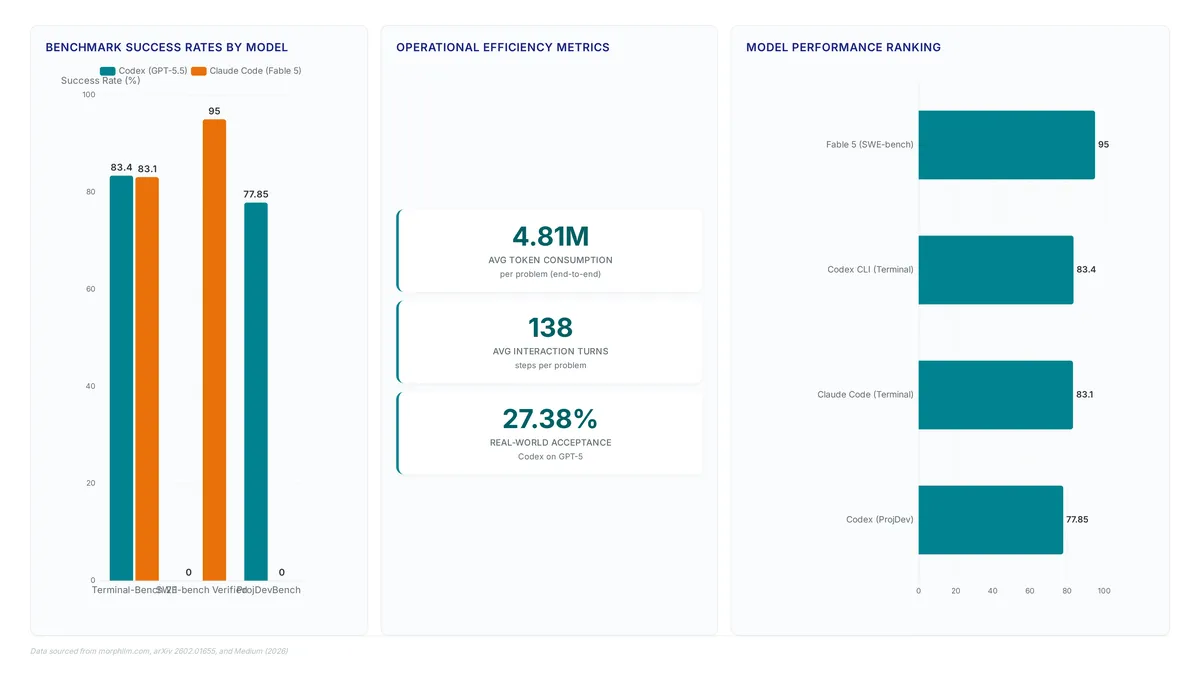
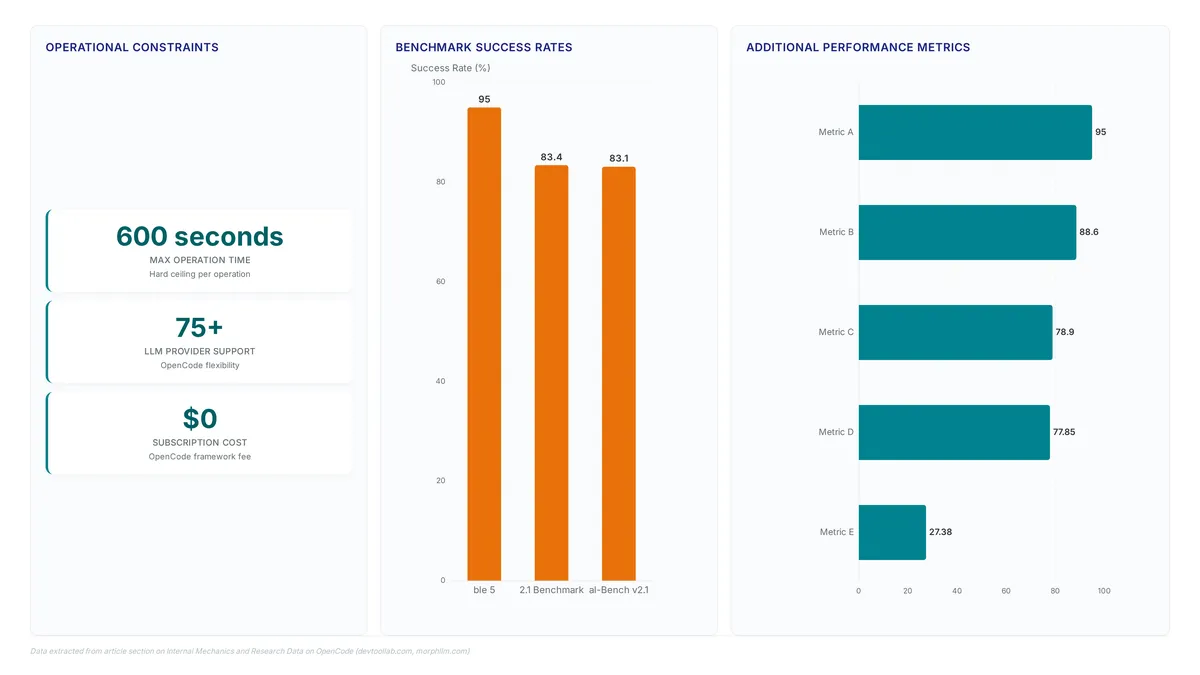
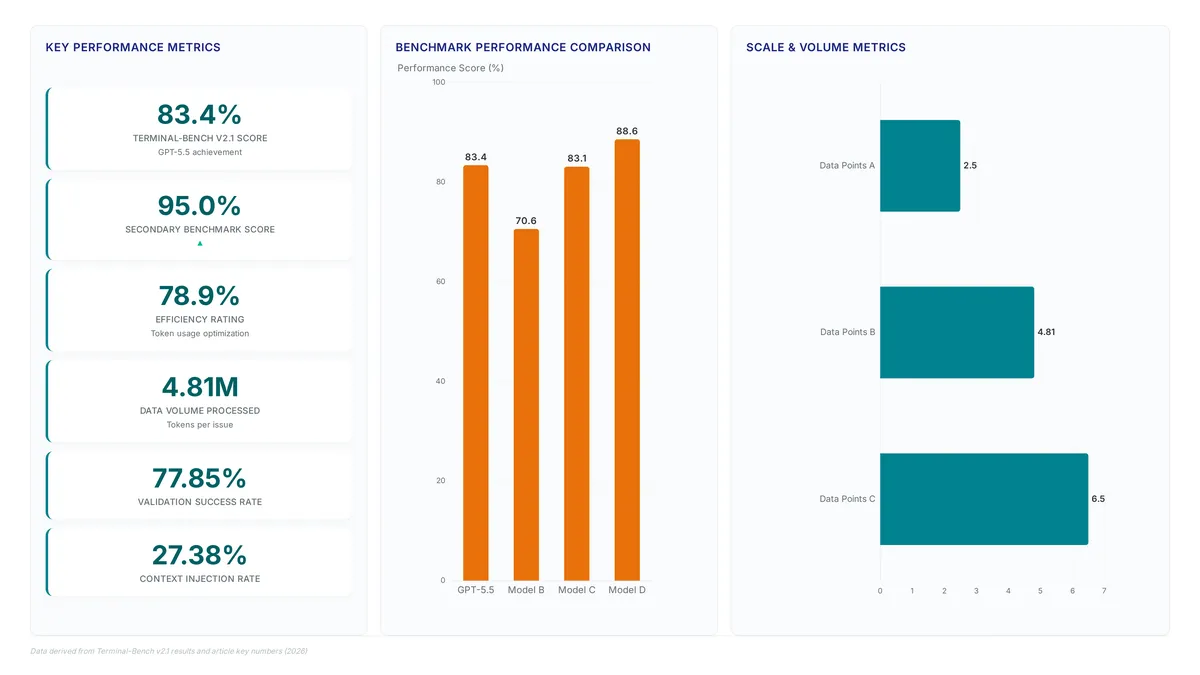
Simon Willison's llm-coding-agent 0.1a0 enables local file edits via explicit tool calls, contrasting with the 83.4% TerminalBench scores seen elsewhere.
Augment Code claims 70.6% accuracy, but real utility depends on execution models. Compare IDE extensions, CLI tools, and cloud security postures here.
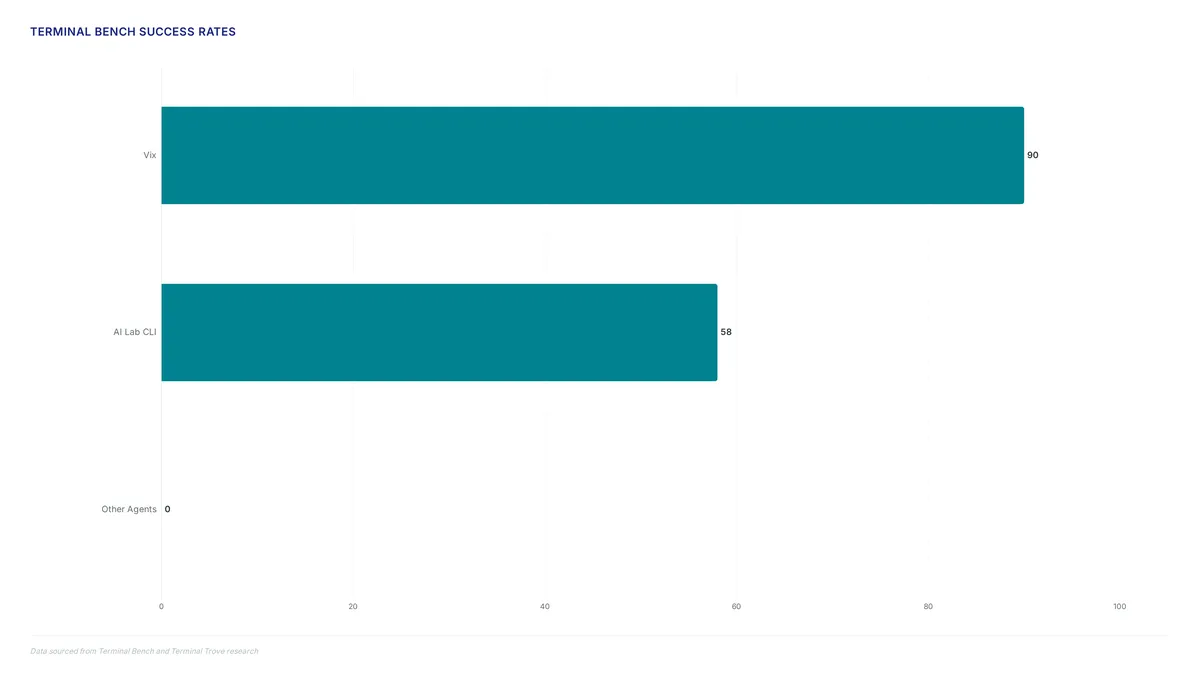
Vix leads Terminal Bench 2.0 with a 90.0% score, while the AI Lab CLI tool scores 58.0%. See how 48 agents compare on real metrics.
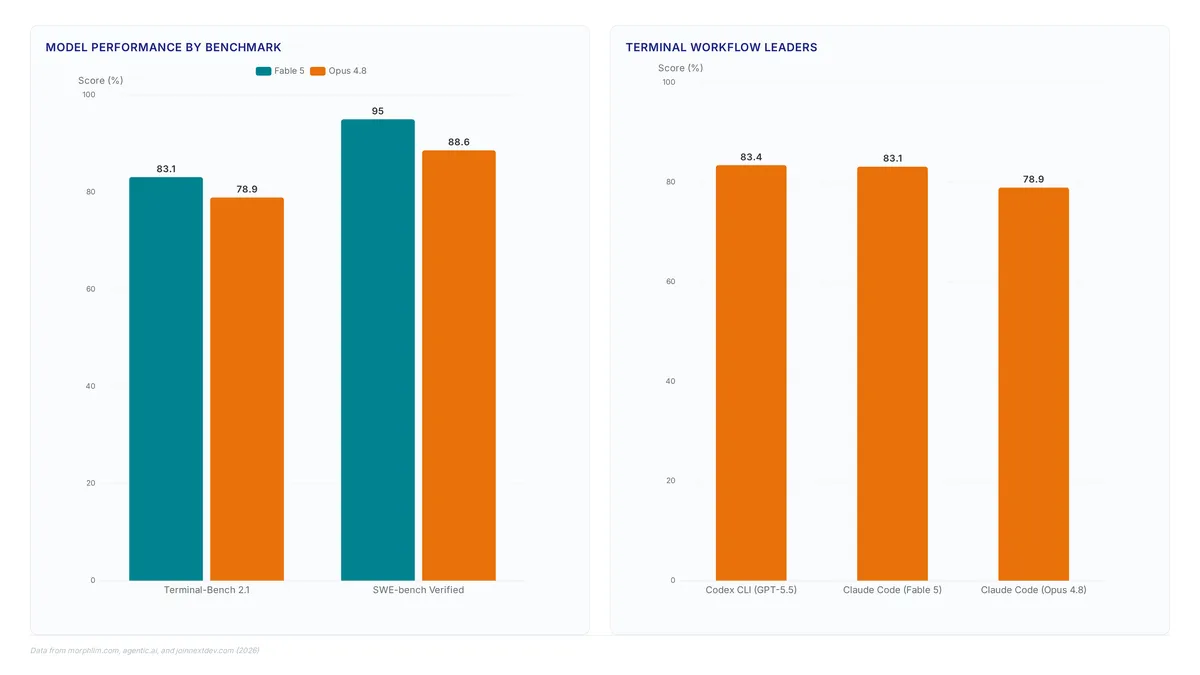
Learn 21 design patterns to fix AI coding agents. While Codex CLI hits 83.4% on benchmarks, internal discipline prevents broken systems.
On July 2, 2026, a $0-budget repository proved AI agents can earn money autonomously. Deterministic scoring and x402 payments let it fund its own compute.
Late 2025 data shows action-enabling tools are now the majority use case. Learn how specialized tool categories prevent context window overload.