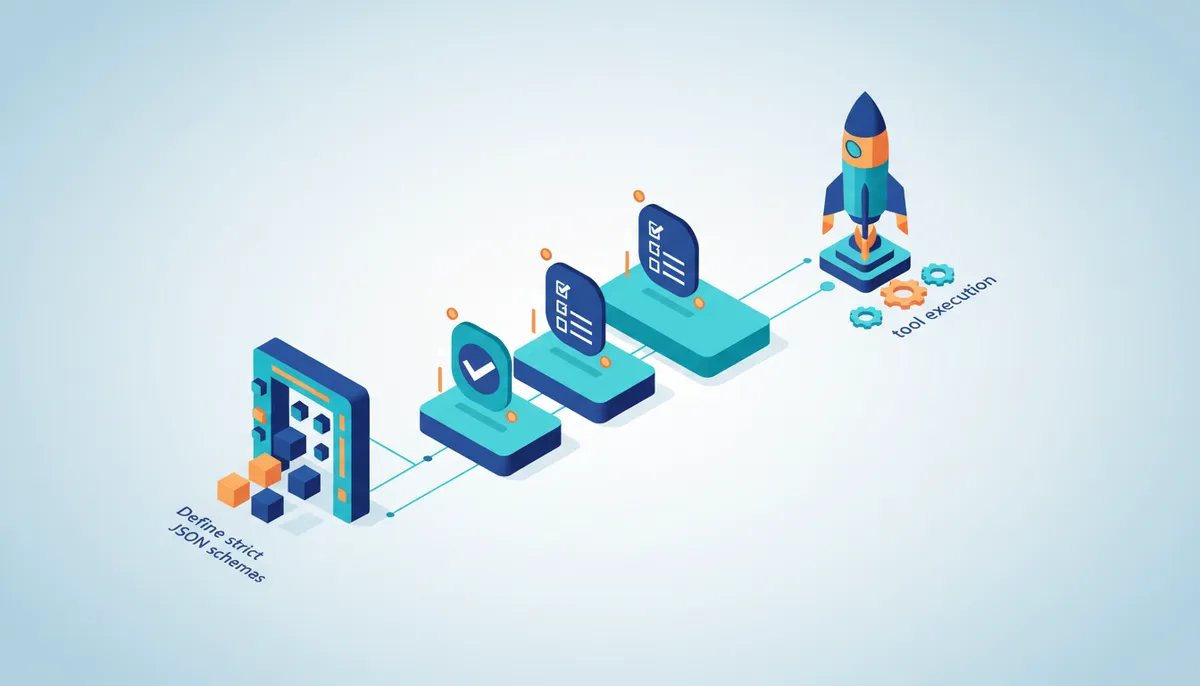
Function calling: turning static AI into action
Learn how function calling converts natural language into structured JSON for 3 specific use cases: actions, knowledge, and capabilities.

Framework reviews, autonomous coders and multi-agent systems — tracked and explained by the AI Agents News desk.
Learn how function calling converts natural language into structured JSON for 3 specific use cases: actions, knowledge, and capabilities.
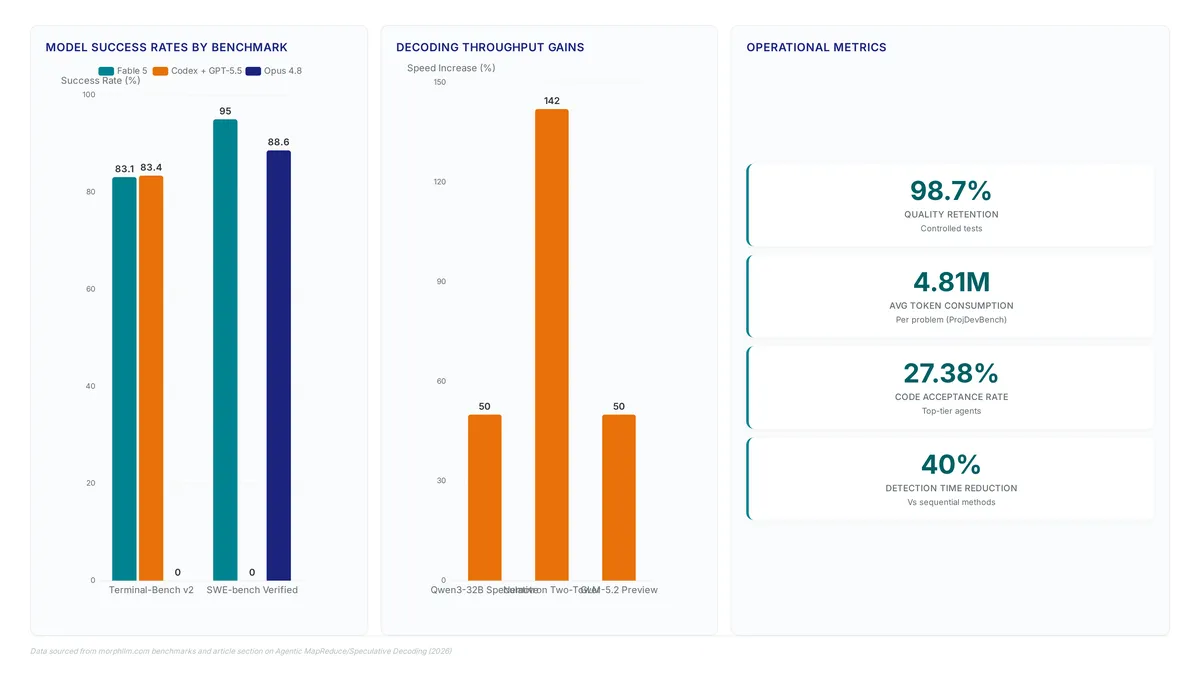
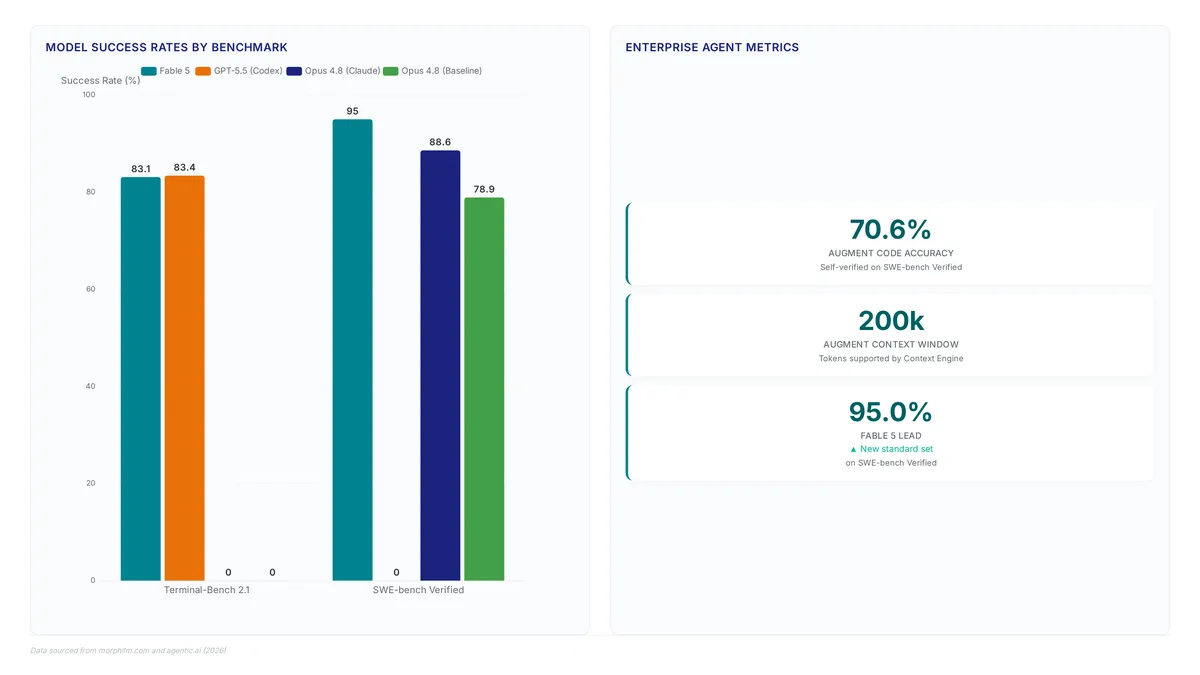
Fable 5 leads Cursor evals but hits high costs, forcing builders to adopt multimodel orchestration for sustainable 2026 agent stacks.
This guide compares ten agentic frameworks to help engineers avoid brittle logic and state loss.
Learn how isolated worktrees prevent file locks when running parallel coding agents, based on a repo with 1,629 commits and strict session rules.
Gartner predicts 40% of enterprise apps will use task-specific agents by 2026. Compare how LangGraph and CrewAI handle this complex shift.
Learn how the tool use pattern lets agents bypass static data limits by executing external code and querying 177,000 tracked tools safely.
Learn how a single agent analyzes job descriptions to output a JD Summary and list matching skills like LLM or Terraform in seconds.
Compare ReAct's iterative reasoning loops against structured function calling for external API access in 2026 agent architectures.
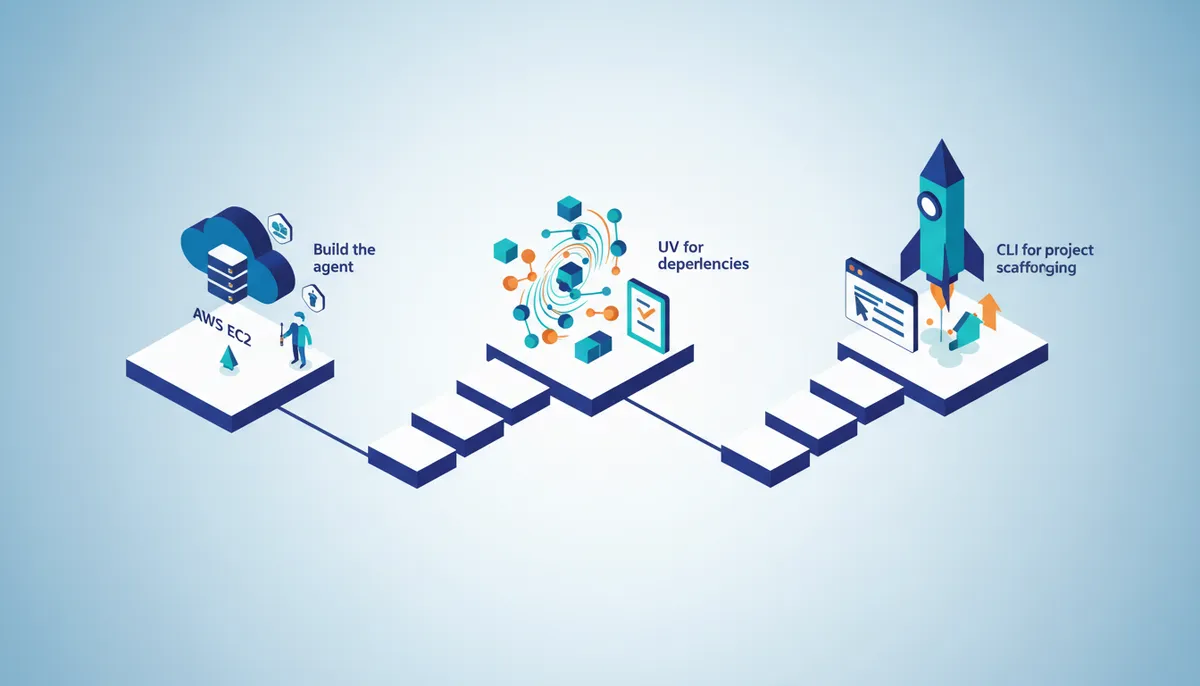
Hermes Agent crossed 140,000 GitHub stars by using FTS5 search to retain project specifics across sessions without manual reexplanation.
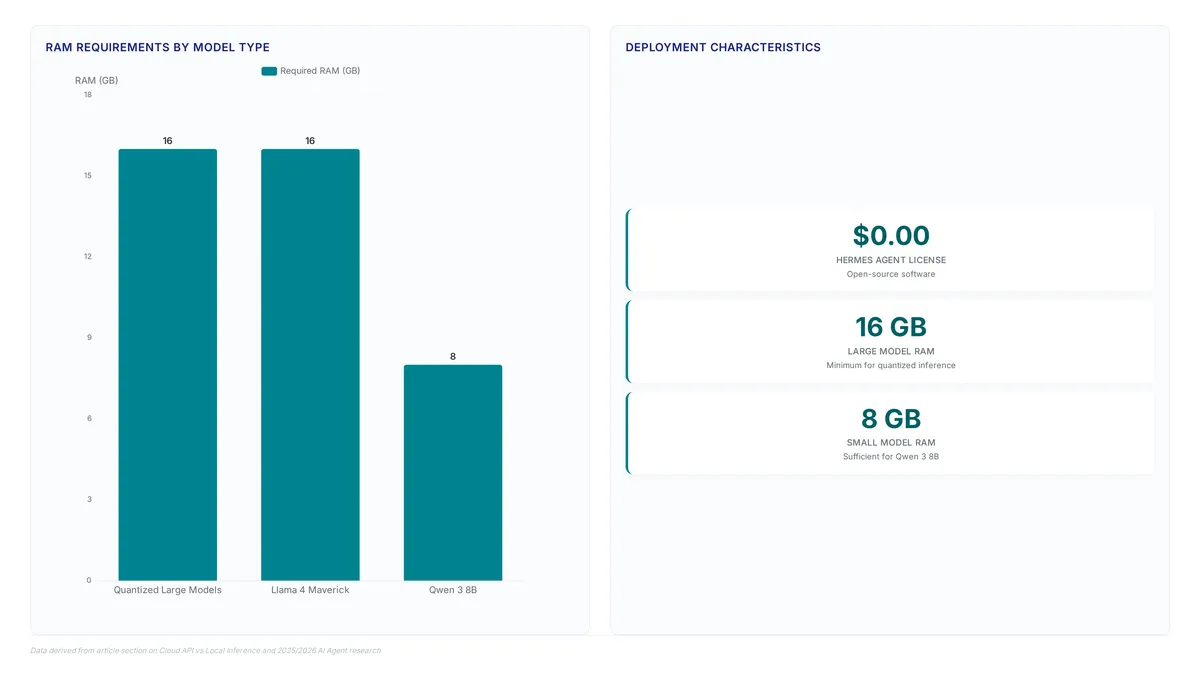
Compare Claude Sonnet 4.6 ($3) against DeepSeek V4 ($0.30) for Hermes Agent. Learn which model prevents malformed tool calls in production.
Vercel's Eve framework reduces mental load by swapping chains for a single runtime dependency and file conventions.
TerminalBench 2.1 shows 83.4% scores, yet infrastructure gaps cause a 17-issue performance drop. Learn why architecture matters more than the model.