Voice profile: Stop generic AI with 7 samples
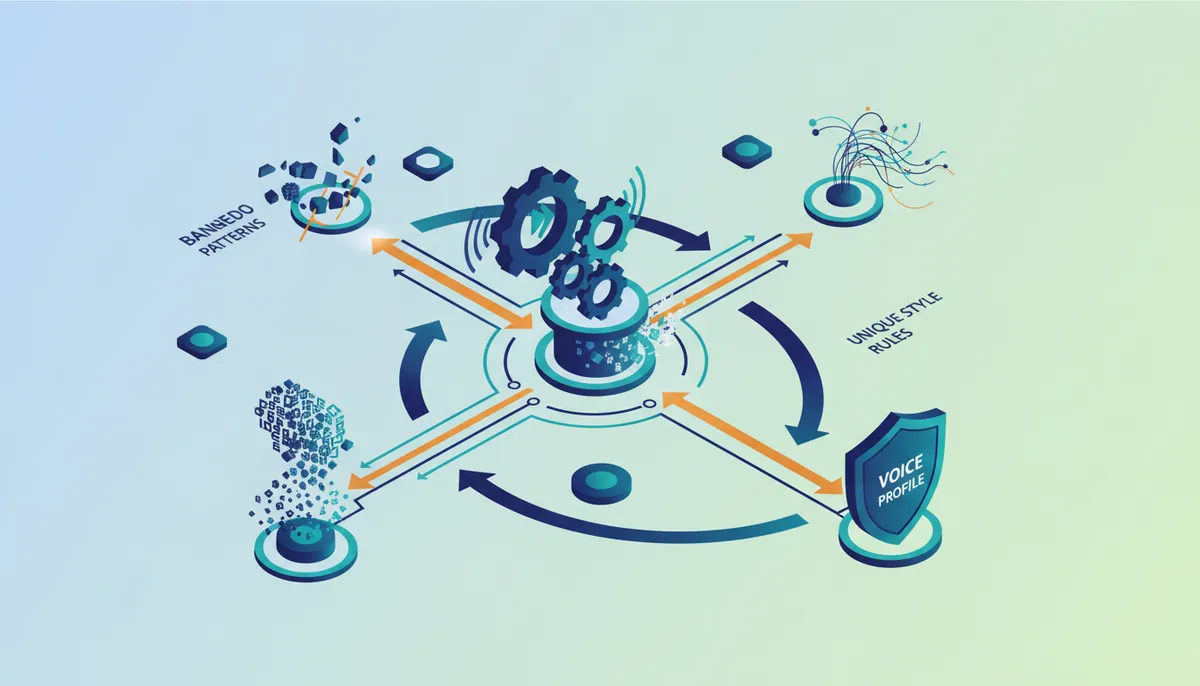
Stop generic output by feeding an agent exactly seven real writing samples to enforce human irregularity and kill robotic patterns.
Framework reviews, autonomous coders and multi-agent systems — tracked and explained by the AI Agents News desk.
Stop generic output by feeding an agent exactly seven real writing samples to enforce human irregularity and kill robotic patterns.
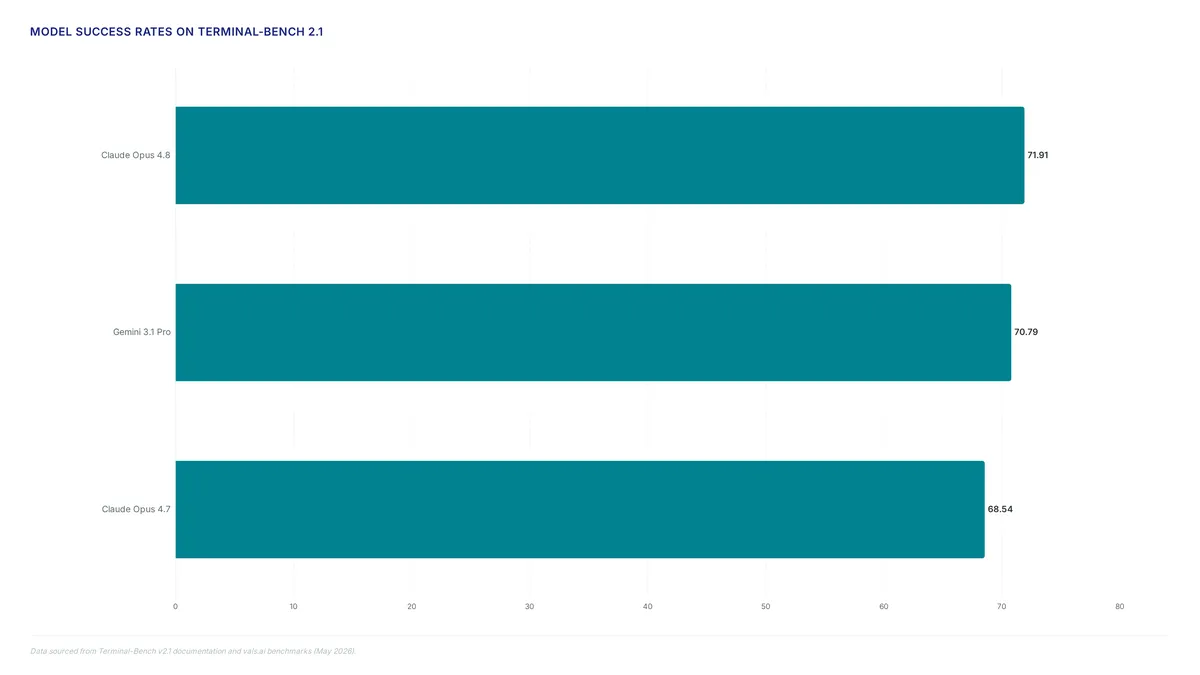
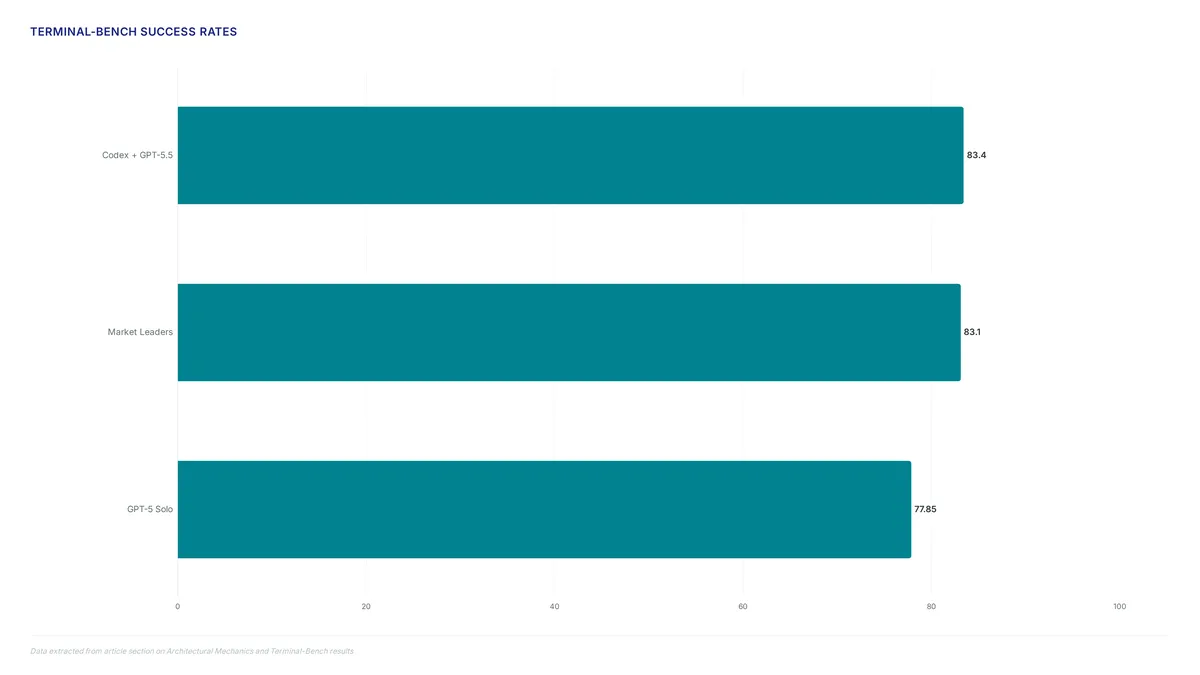
TerminalBench v2.1 uses 89 curated tasks to test if AI agents can execute complex system commands rather than just generating static code snippets.
The March 6, 2026 update adds a Planning Agent that forces requirement questions before coding, fixing context loss in autonomous workflows.
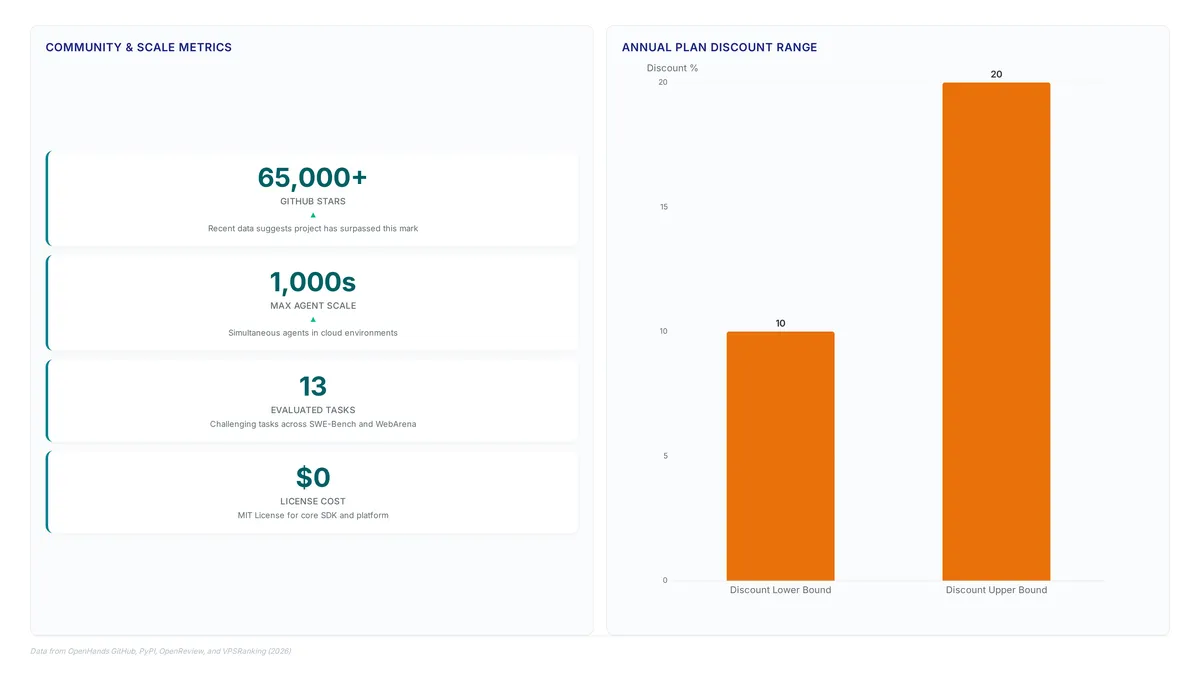
The OpenHands SDK powers 2,013 commits of agent logic, enabling terminal execution and browsing within a single Python-defined agentic loop.
Gartner predicts 50% of GenAI deployments will need observability by 2028. Learn why structured metrics beat simple scores for RAG pipelines.
Early 2025 data shows Devin failed 14 of 20 real-world tasks. Explore why spec-driven orchestration now beats single-agent autonomy for engineers.
Unlike past chatbots, modern autonomous agents manage end-to-end workflows, hitting 70.6% accuracy on SWEbench Verified for production tasks.
Unlike reactive chatbots, autonomous agents execute the full Plan-Act-Observe loop to independently restore dropped test coverage.
OpenHands version 1.7.0 splits logic into modular packages, replacing the monolithic V0 design for better local deployment and audit trails.
Learn how function calling converts natural language into structured JSON for 3 specific use cases: actions, knowledge, and capabilities.
Fable 5 leads Cursor evals but hits high costs, forcing builders to adopt multimodel orchestration for sustainable 2026 agent stacks.
With 18 production deployments reported, this guide compares ten agentic frameworks to help engineers avoid brittle logic and state loss.