Agent OS stops style drift in AI code
Agent OS indexes your existing repo to stop style drift, injecting team coding standards into Claude Code and Cursor before generation begins.

Framework reviews, autonomous coders and multi-agent systems — tracked and explained by the AI Agents News desk.
Agent OS indexes your existing repo to stop style drift, injecting team coding standards into Claude Code and Cursor before generation begins.
Cut GPT-5.5 output costs at $30 per million tokens by fixing agent architecture and stopping redundant file reads across sessions.
Learn how loop engineering replaces manual prompting with autonomous cycles, preventing seven-figure token bills through strict verification logic.
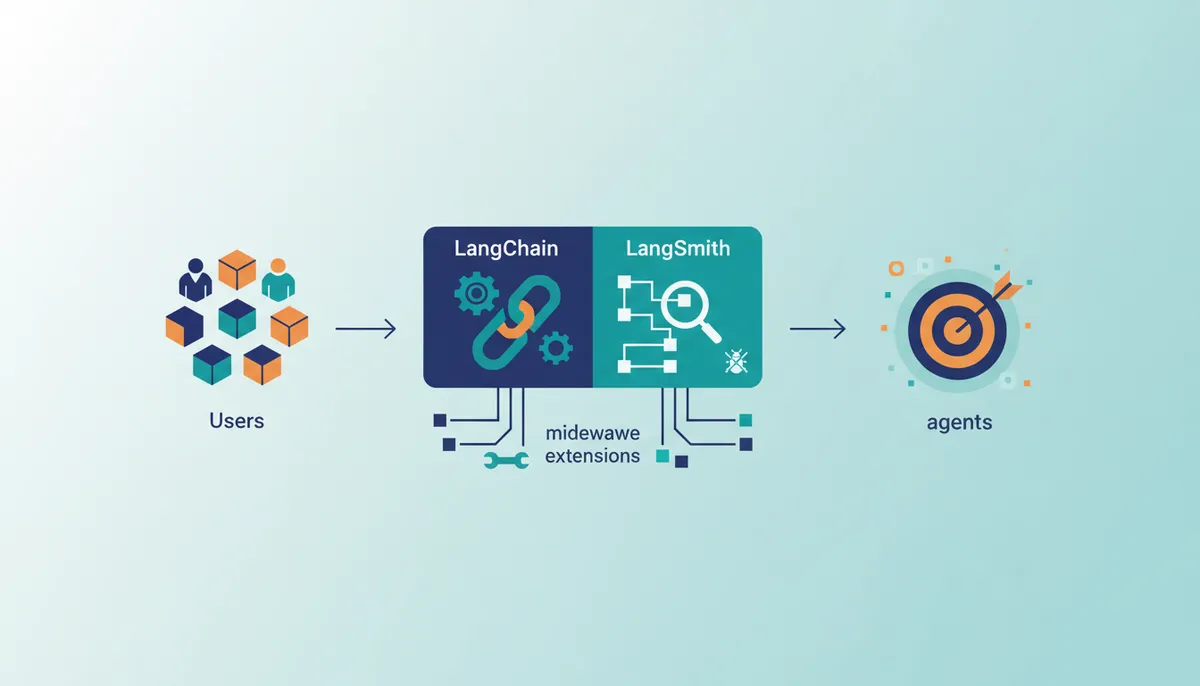
LangChain offers 1000+ integrations to swap models without rewriting code. Its durable runtime ensures persistence and checkpointing for production agents.
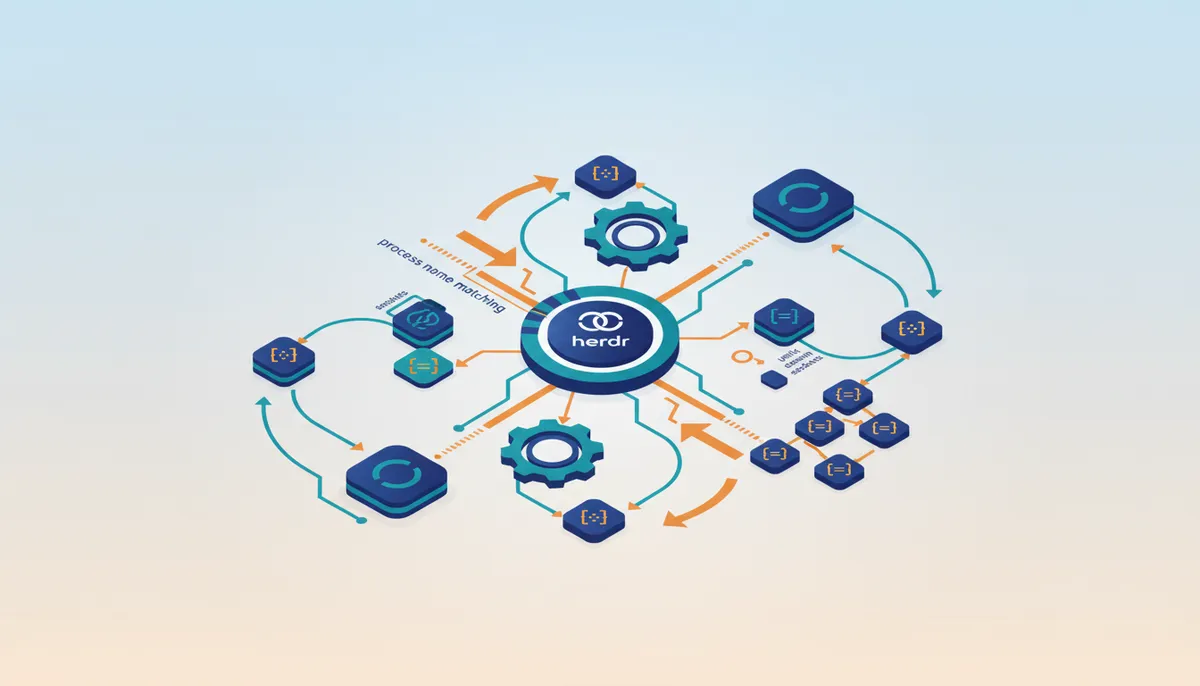
Herdr v0.7.1 assigns real terminals to agents, preserving TUIs that GUI wrappers break while tracking status via process heuristics.
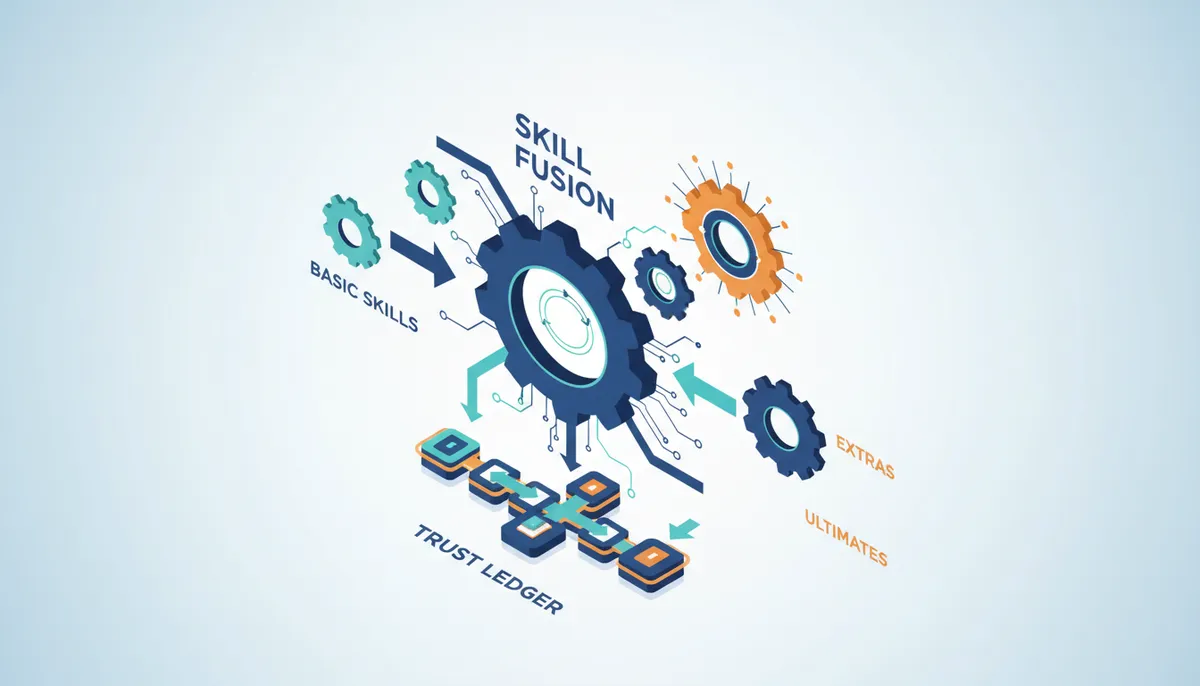
Gaia's registry verifies 235 total skills through code execution runs. Learn how the G7 Trust Taxonomy grades capabilities from S to ungraded.
Explore the 10 progressive layers of AI skill construction, moving from basic prompts to reliable, resource-augmented business execution systems.
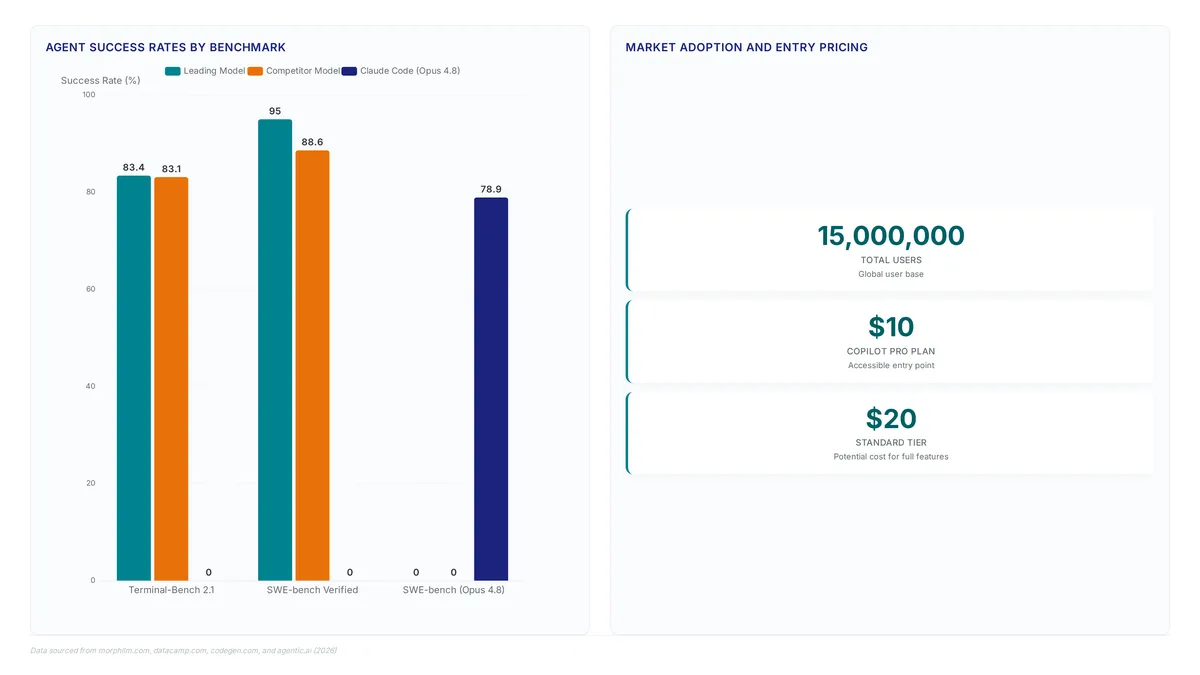
Comparing 20 AI coding agents reveals workflow fit trumps model size. Learn how terminal autonomy and the 83.4% TerminalBench score define agent selection.
An AI coding agent plans multistep tasks, executes code, and iterates without handholding, moving far beyond simple autocomplete to true agency.
Learn how the four mandatory modules transform raw models into systems that manage state and execute logical flows without constant human intervention.
Choosing the right agent framework prevents technical debt that compounds silently until development halts.
Build a functional research agent in 150 lines using strict TypeScript interfaces to prevent runtime errors and manage conversation history.