Agent security needs a 7-pillar fix for slopsquatting
With 46% of new code AI-generated, you must stop slopsquatting. Learn the 7-pillar architecture to secure your agent workflows today.

Framework reviews, autonomous coders and multi-agent systems — tracked and explained by the AI Agents News desk.
With 46% of new code AI-generated, you must stop slopsquatting. Learn the 7-pillar architecture to secure your agent workflows today.
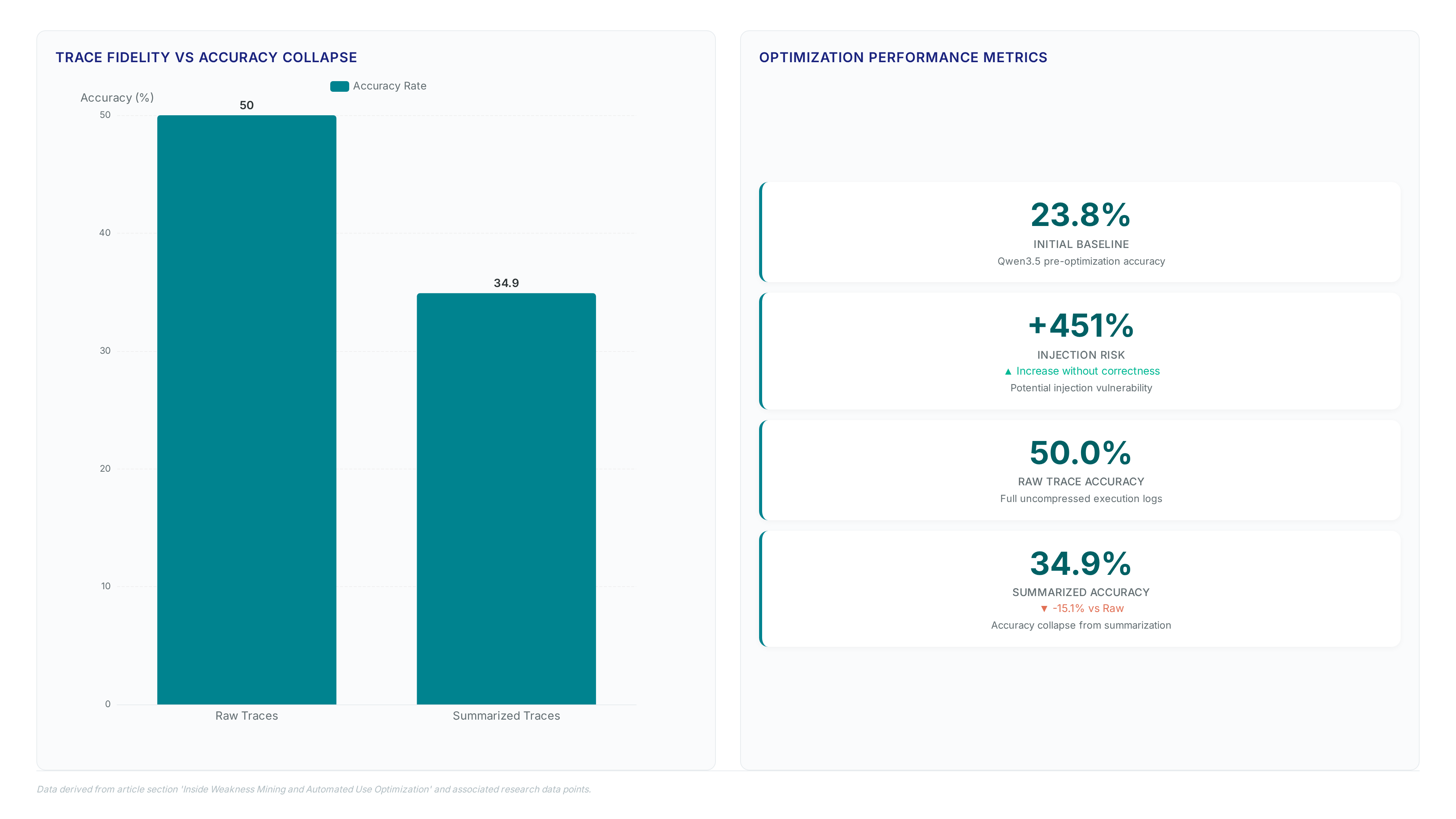
See how Self-Harness jumped TerminalBench scores from 23.8% to 38.1% by mining execution traces instead of tweaking model weights manually.
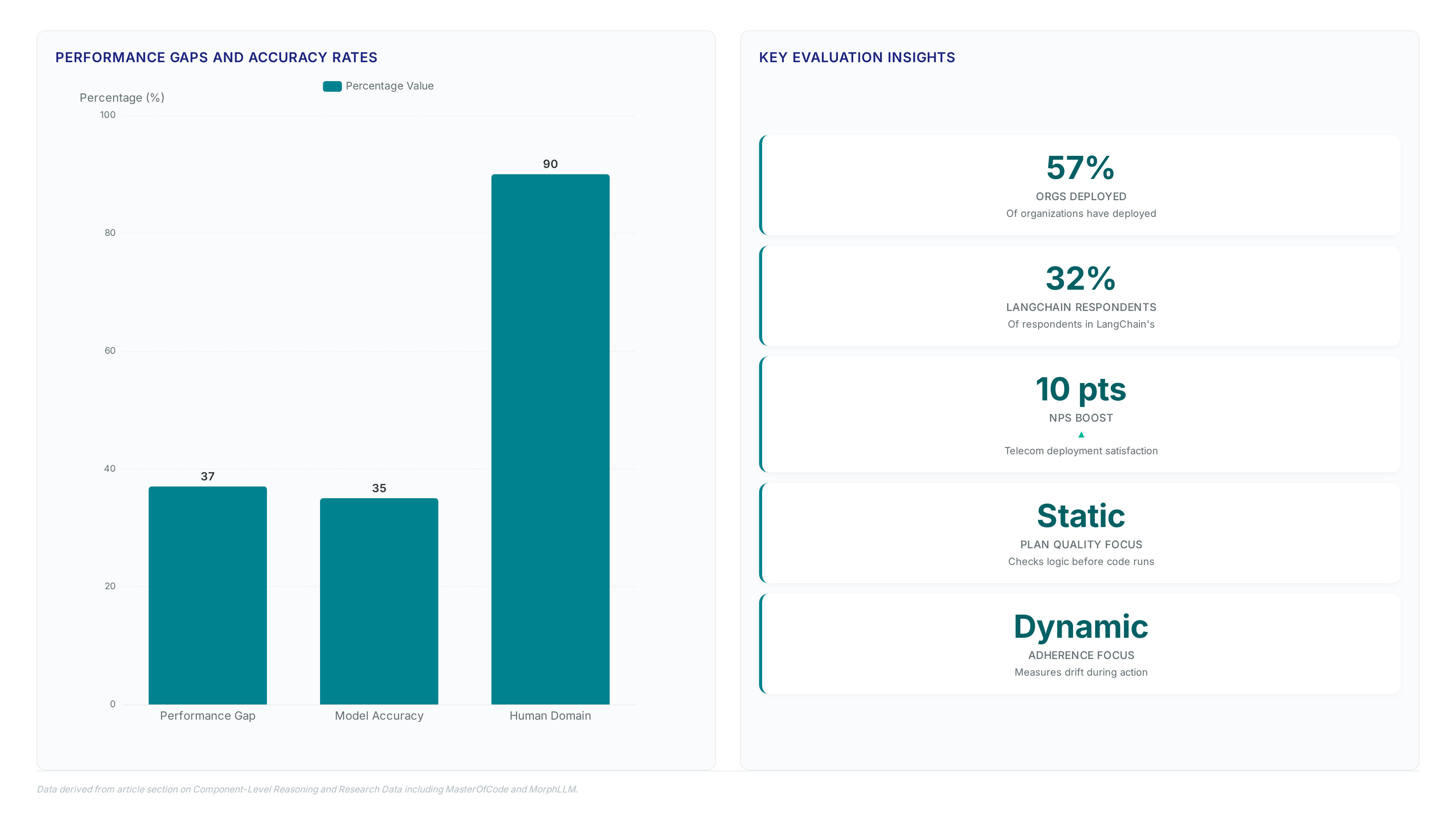
LangChain's 2026 report cites quality as the top barrier. Separate reasoning from action layers to fix specific agent pipeline failures.
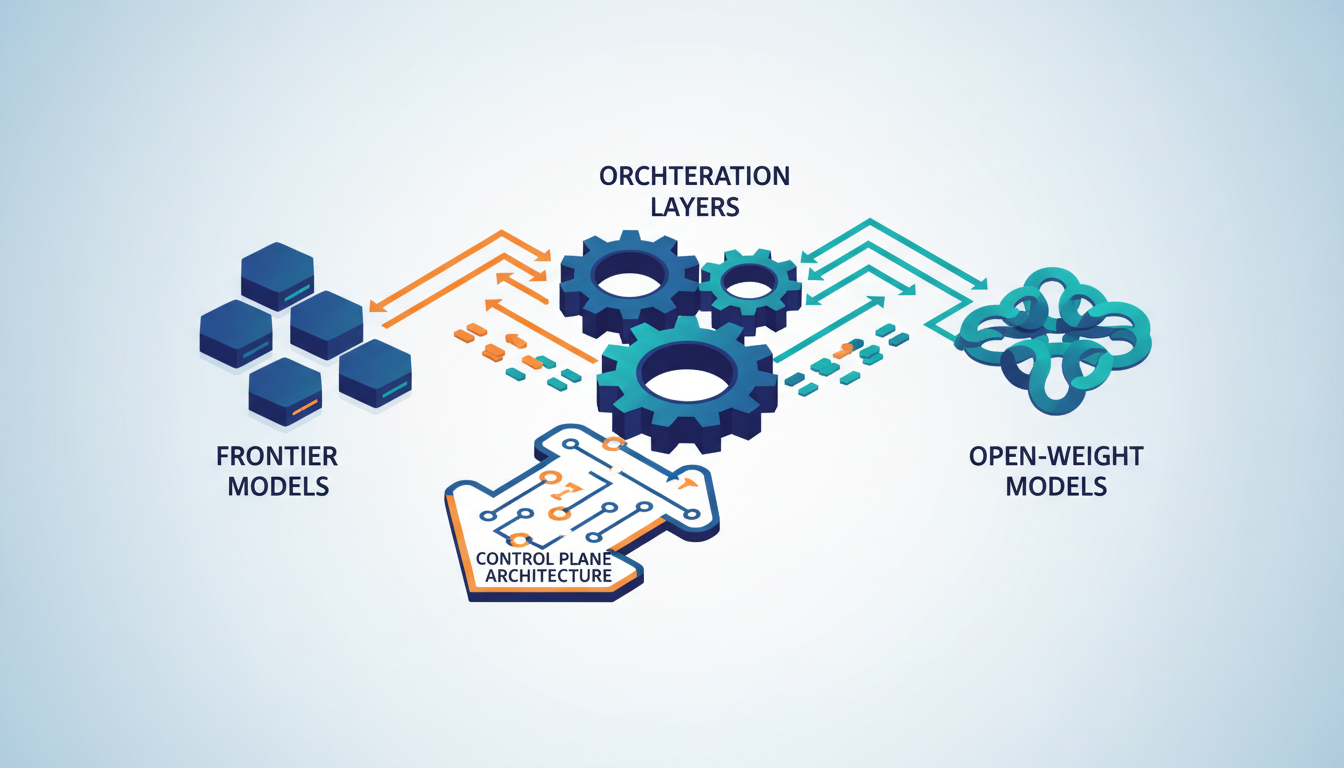
With fewer than one-third linking AI to outcomes, agent orchestration provides the governance gates and cross-harness memory engineers need.
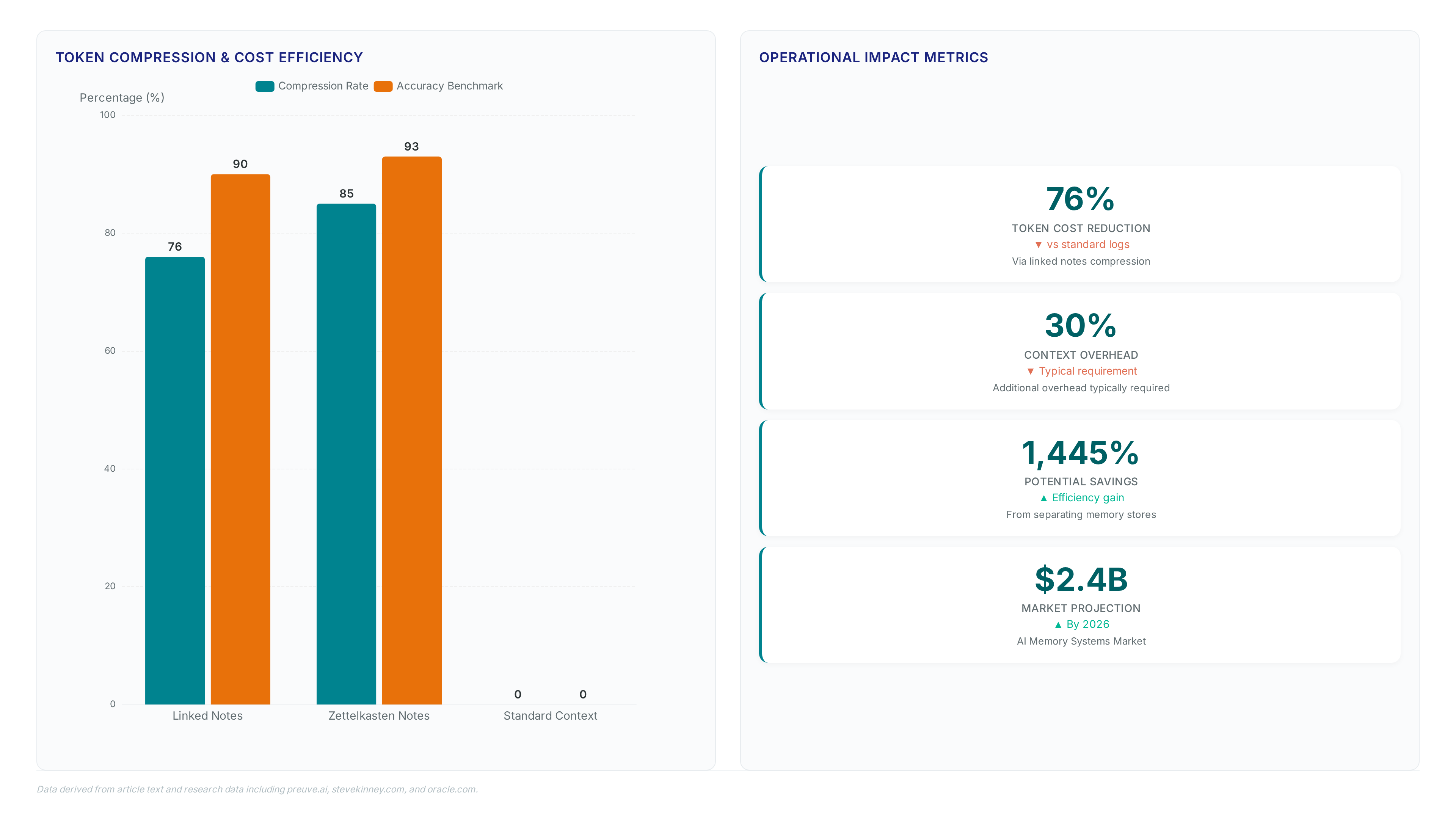
Most agents use only 2 of 7 memory types. Learn why working memory evaporates and how episodic storage fixes long-term agent autonomy.
After 18+ production deployments, this guide compares 7 agent frameworks like LangGraph and CrewAI for reliable multiagent orchestration in 2026.
Analysis of 18 deployments shows LangGraph leads production readiness. Learn how planner-worker patterns and session state prevent context rot.
Standard benchmarks miss critical failures. This framework uses an internal LLM evaluator to audit multiturn conversations against safety policies and accuracy.
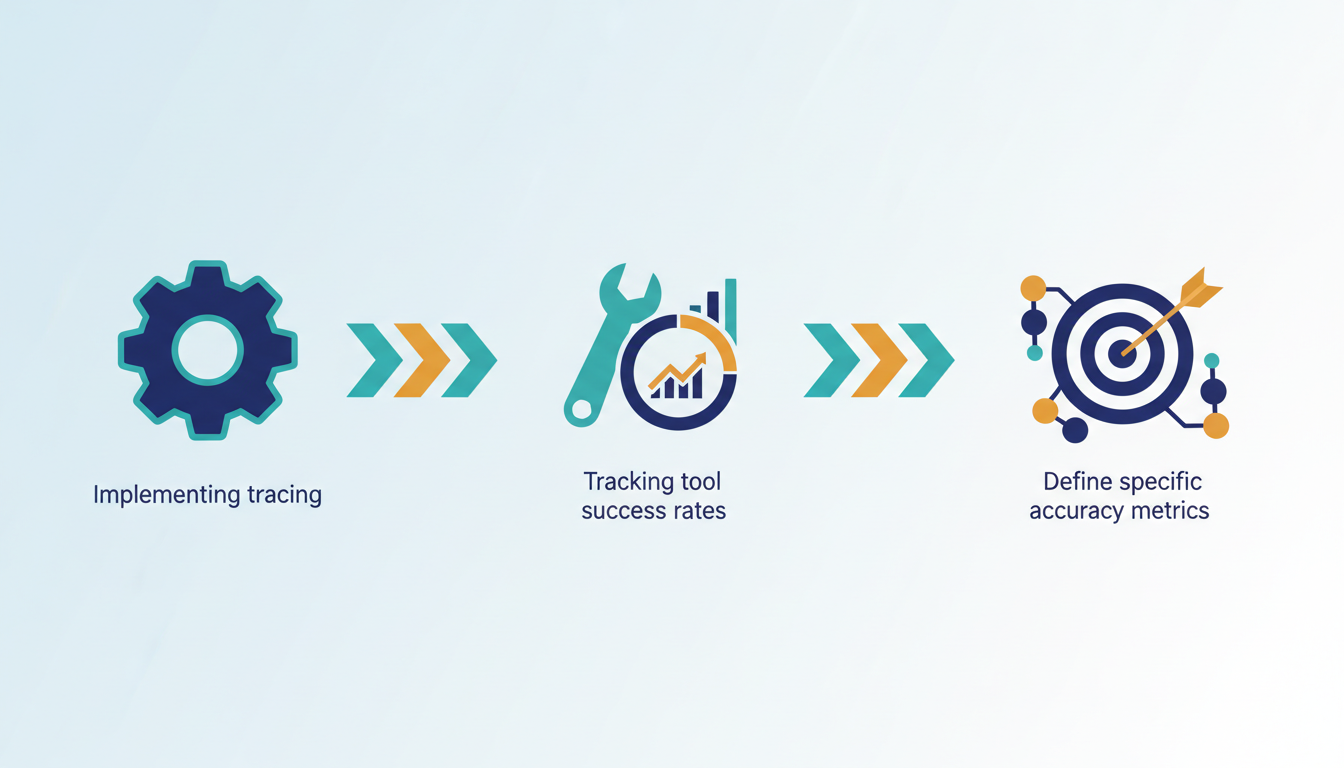
Output-only checks miss brittle logic. Use over 50 research-backed metrics to score discrete execution steps and catch planning failures early.
Learn how thousands of agents built across Amazon since 2025 prove static prompts fail. Discover framework-agnostic workflows to measure real task completion.
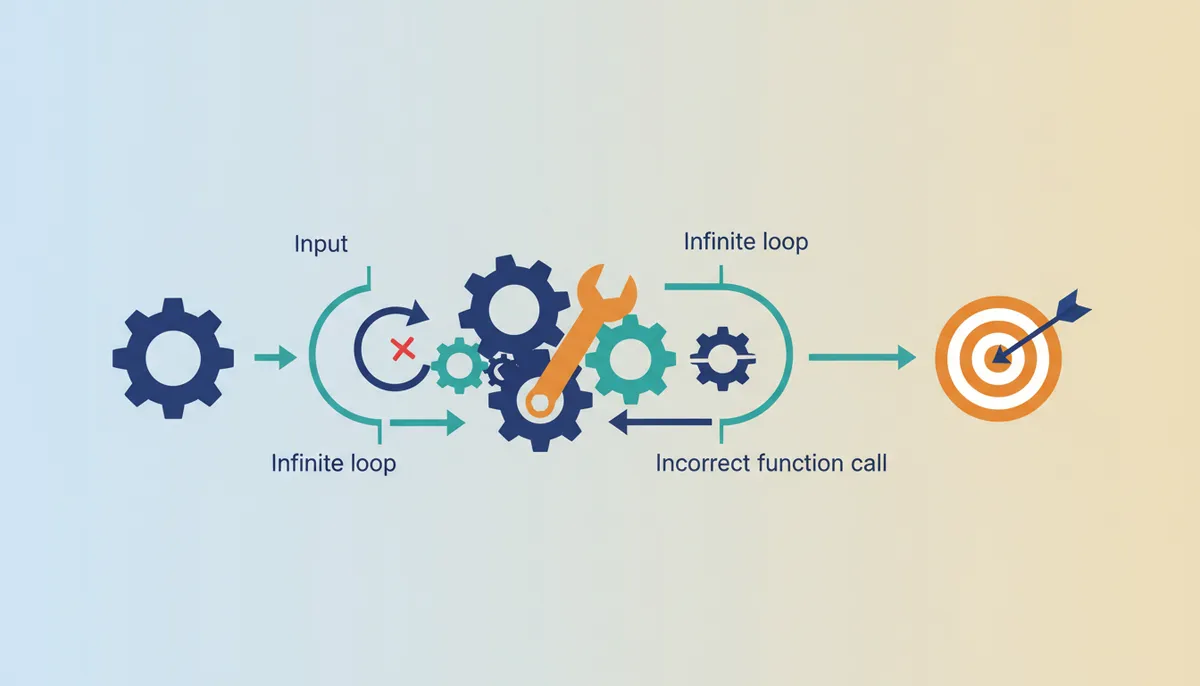
Move beyond static accuracy. Analyze multistep trajectories to catch critical failures where agents stall in continuous reasoning loops.
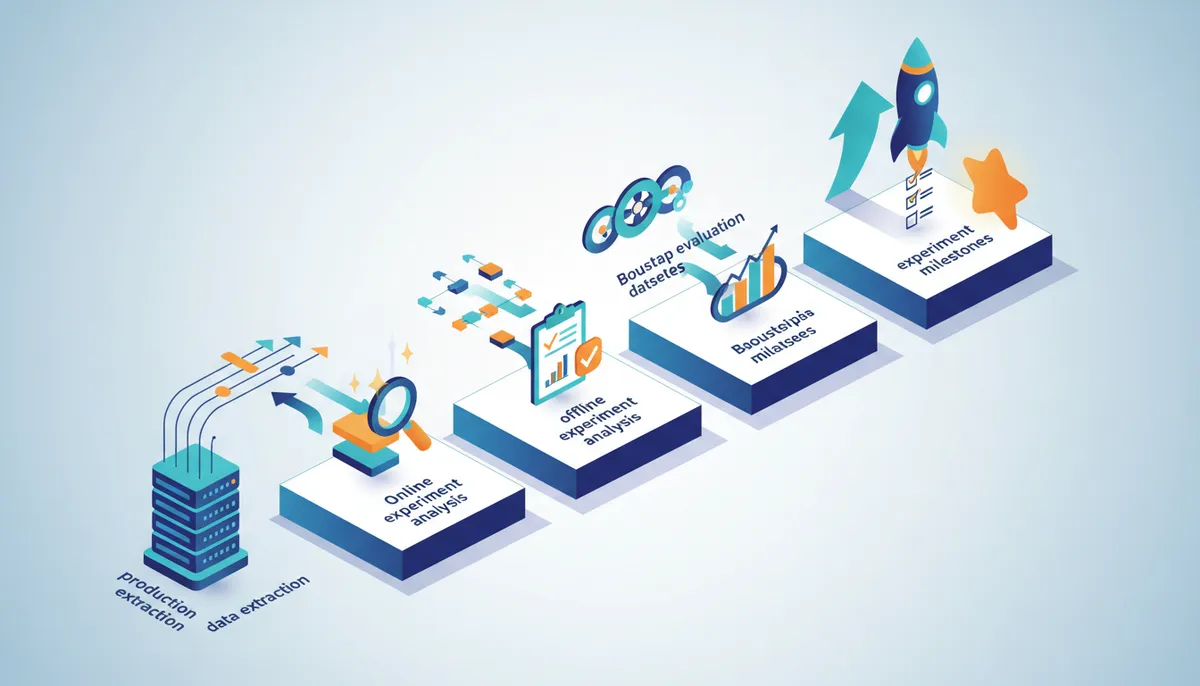
Teams burn up to 80% of cycles on error analysis. Datadog's new tools trace every prompt to turn production data into eval sets without context switching.