Inventory solutions: Blue Yonder vs o9 for retail planning
Only 7% of retailers run AI inventory at full scale; the blocker is data readiness, not the planning platform.

Framework reviews, autonomous coders and multi-agent systems — tracked and explained by the AI Agents News desk.
Only 7% of retailers run AI inventory at full scale; the blocker is data readiness, not the planning platform.
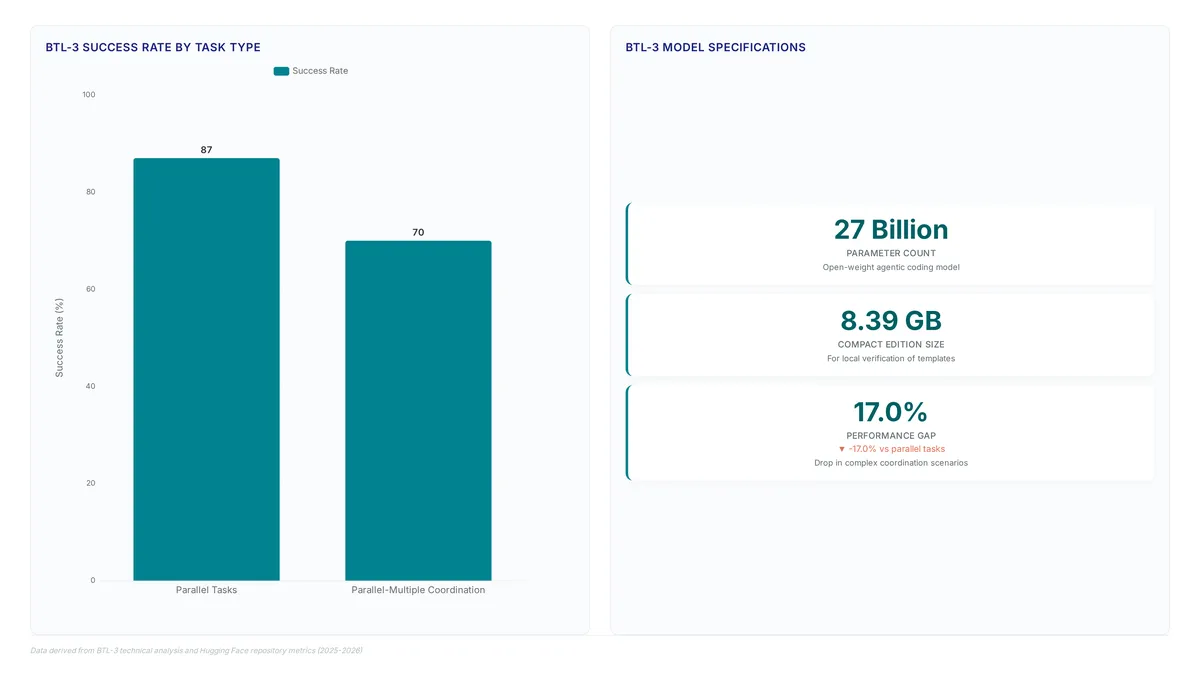
BTL-3 retains 92.2% of full-model behaviors in an 8.39 GB footprint, offering a specialized architecture for efficient agentic coding and tool use.
Discover the 5 specific components required to build AI agents that match junior employee output quality without falling for industry hype.
Agentic tools adapt when errors occur, while rigid scripts fail. Compare no-code, developer-first and enterprise platforms, plus per-step vs per-run pricing.
Anthropic data shows successful agentic systems split workflows from agents. Learn why simple patterns beat complex frameworks for control.
Learn to build event-driven LlamaIndex agents using the gemini-3.6-flash model and Context class for shared state across multi-step workflows.
GPT-5.6 returns tool names, not code. Learn why the client-owned function loop and strict schemas are non-negotiable for autonomous systems.
Explore six distinct orchestration patterns where agents hire specialists, replacing linear workflows with flexible crypto-contract delegation.
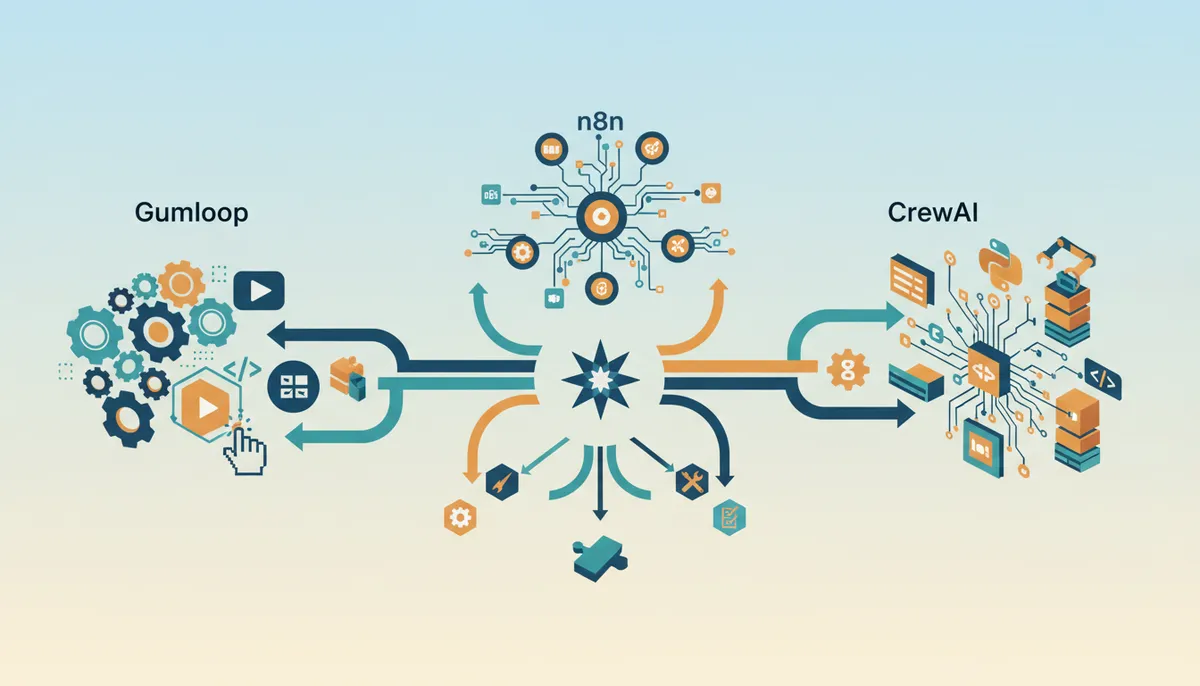
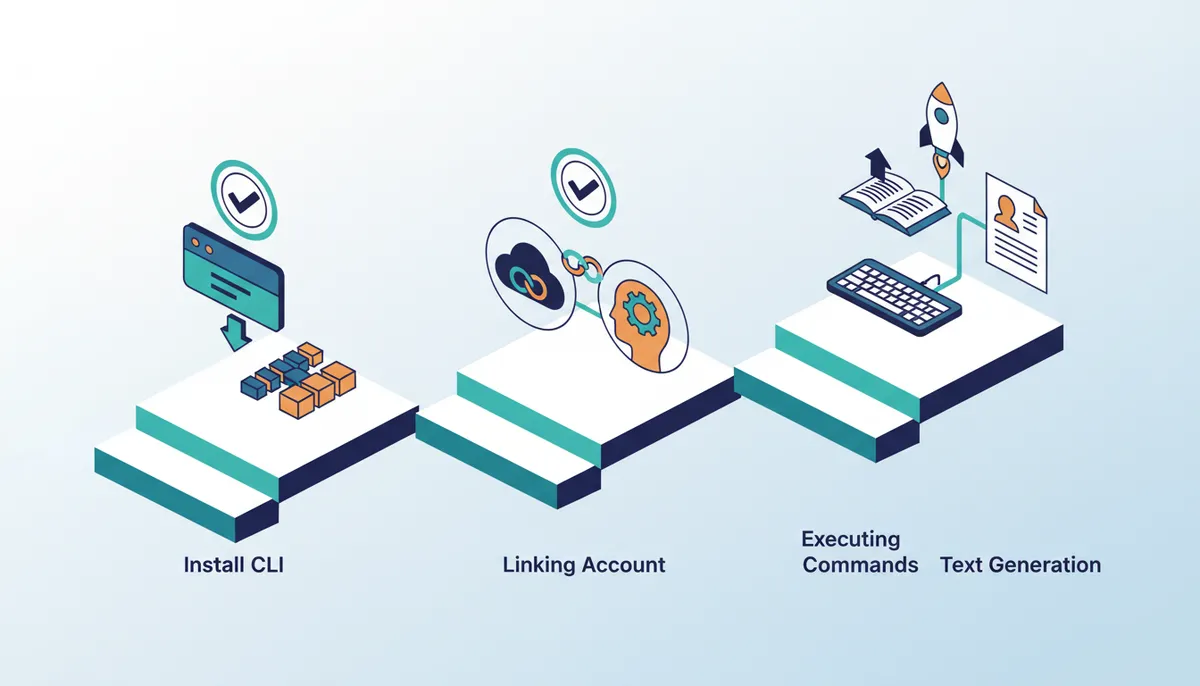
Connect coding agents to 1000+ SaaS apps without token-heavy protocols. Learn how CLI tools enable reliable, local-first automation for Ollama.
GitHub Copilot serves 15 million developers, yet true AI coding agents now plan multi-step tasks without hand-holding.
Learn how agent skills use a mandatory SKILL.md file to load procedural knowledge on demand, preventing context bloat in complex systems.
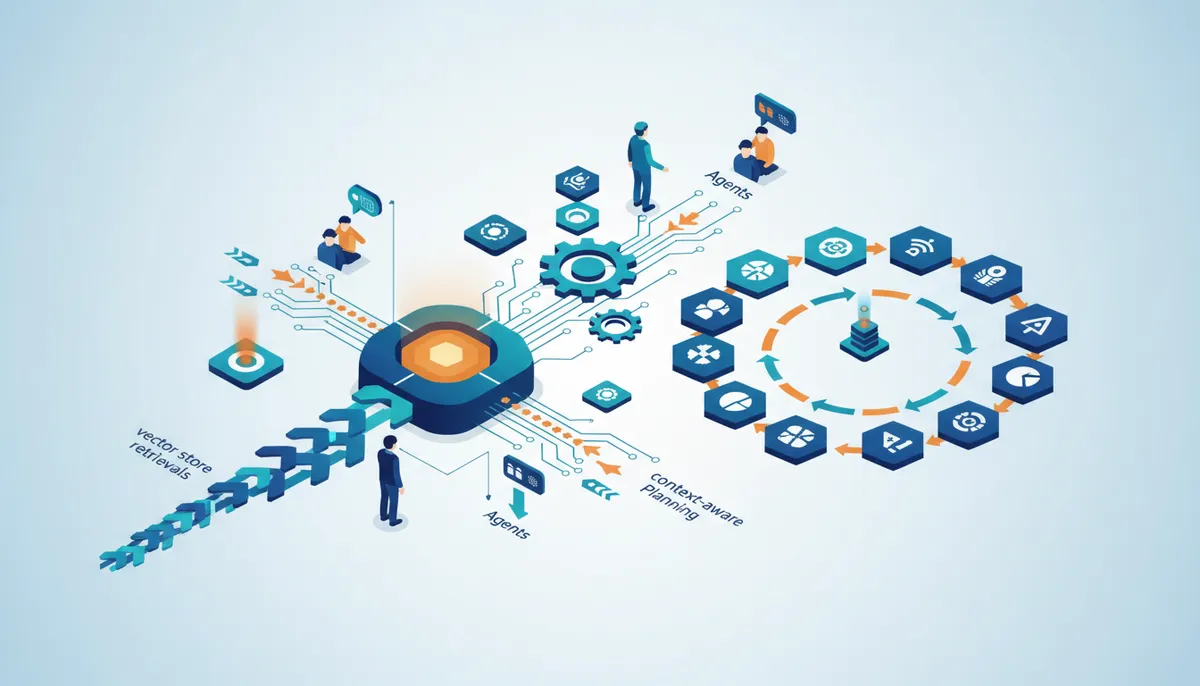
Avoid infinite loops by defining the five components an effective agent requires. Learn how retrieval, tools, and memory prevent chaotic outputs.