Mixture of Agents: Why Hermes 0.6 Beats Single Models
Hermes 0.6 uses parallel reference models to isolate reasoning from tool use, preventing hallucinated actions while improving decision quality.
Framework reviews, autonomous coders and multi-agent systems — tracked and explained by the AI Agents News desk.
Hermes 0.6 uses parallel reference models to isolate reasoning from tool use, preventing hallucinated actions while improving decision quality.
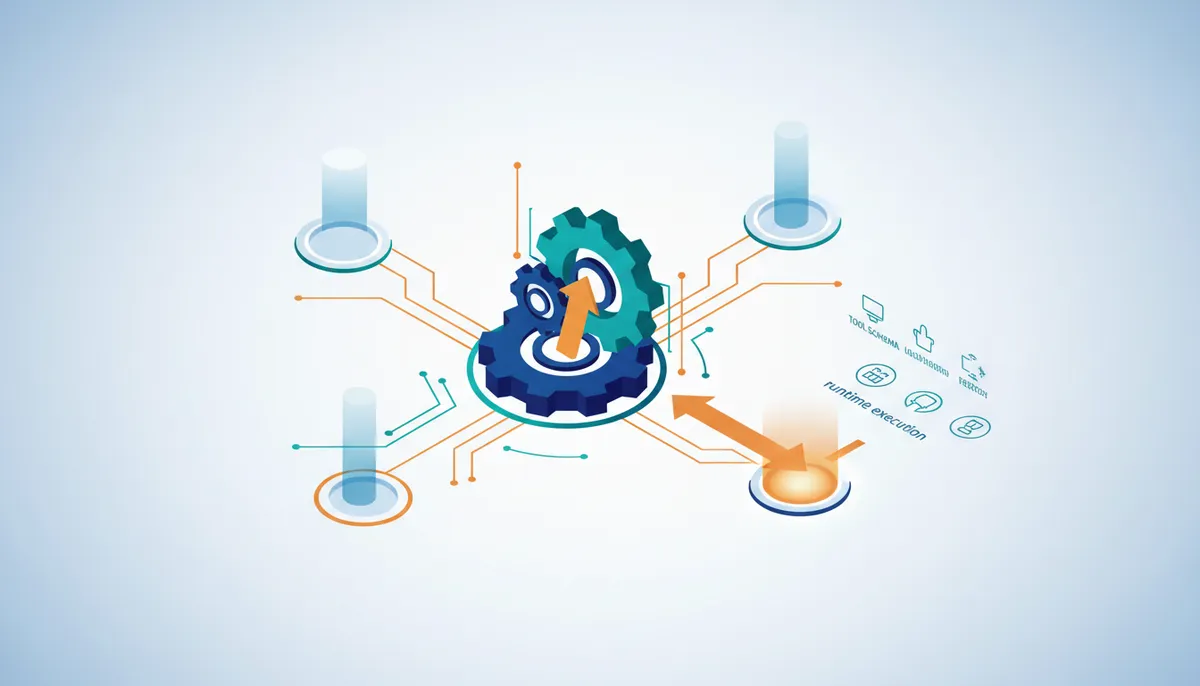
Distinguish custom function tools from sandboxed Code Interpreter runtimes to prevent treating external connections as identical black boxes in agents.
Devin AI creates pull requests in under 10 minutes by running inside a sealed virtual machine, keeping local environments clean.
The Artificial Analysis Coding Agent Index v1.1 reveals how an 83.4% TerminalBench score masks variance in token efficiency and tool use.
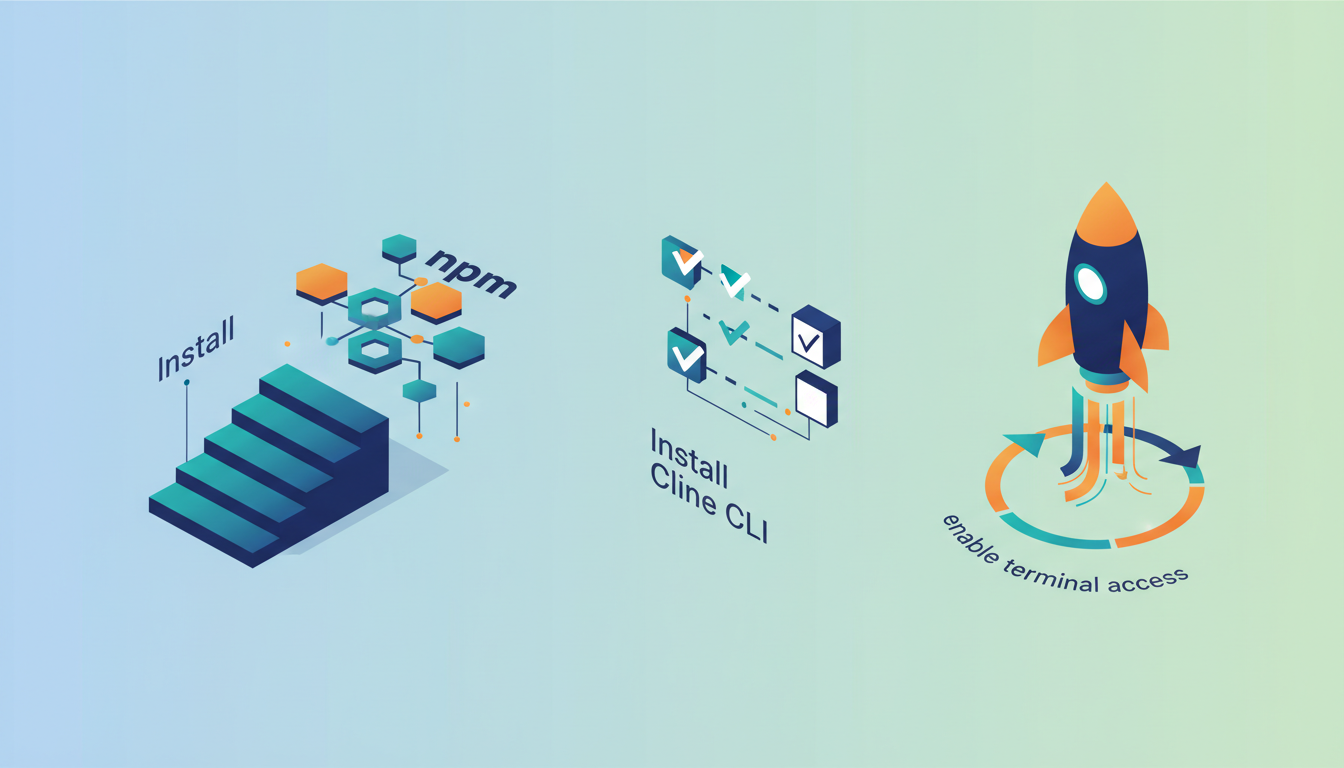
This open runtime unifies IDE and terminal workflows, boasting 64.2k GitHub stars while executing bash commands without vendor lock-in.
Stripe deployed Claude Code across 1,370 engineers to complete a 10,000-line migration in four days, marking a shift to agentic execution.
Benchmarks show LangGraph finished 2.2x faster than CrewAI. See how graph-based routing reduces overhead compared to centralized manager patterns.
With over 1,000 distinct agent skills now available, the shift to modular JSON Schema packages ends ad-hoc prompting for engineers.
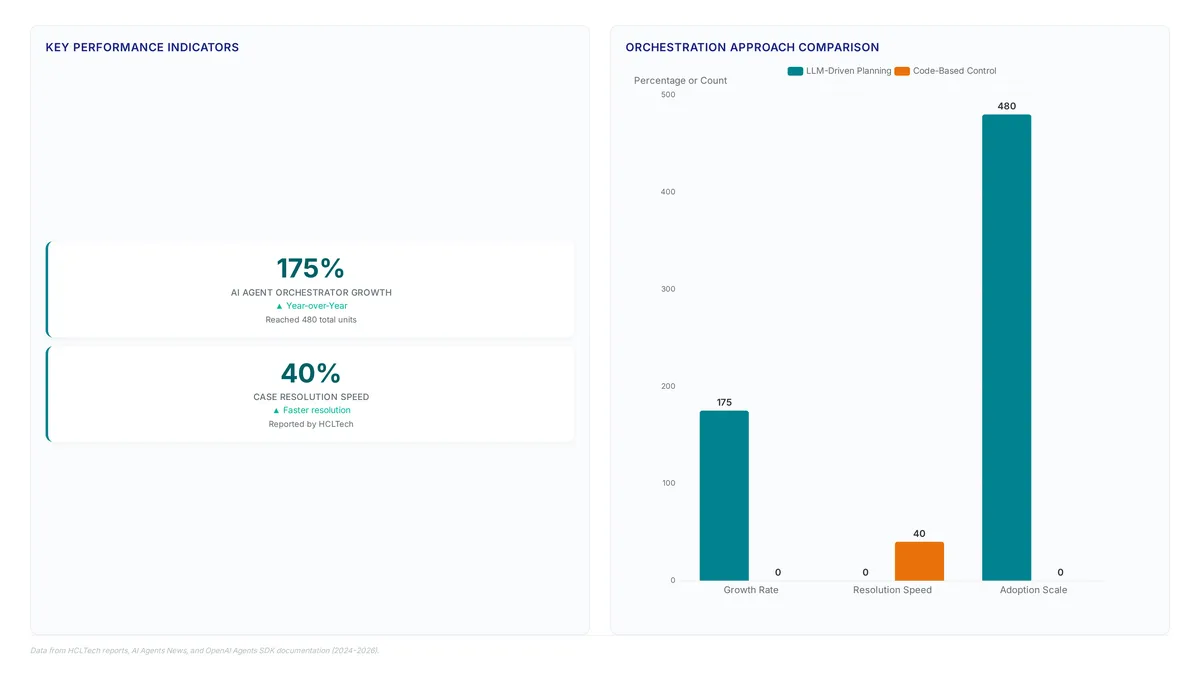
Search interest hit 480 monthly US searches by May 2026. Learn when to use code-based guards versus LLM planning for reliable agent flow.
With 85% of orgs integrating agents, picking the right framework dictates if your system scales or collapses under context limits.
After 45 benchmarks, quality spread across five top agent frameworks was only 0.56 points, proving architectural fit drives real ROI.
Compare MLflow, DeepEval, and Ragas for agent evaluation. Learn why trace-aware scoring beats binary checks on 30M+ monthly downloads.