Mixture of Agents: Why Hermes 0.6 Beats Single Models
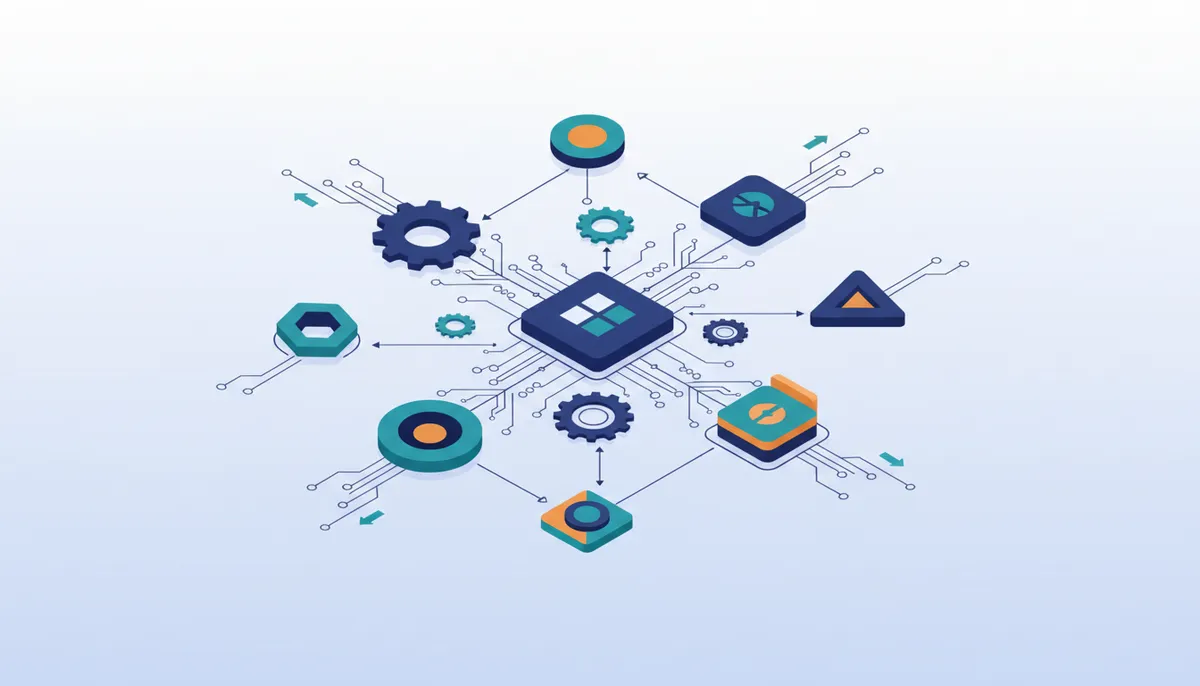
Hermes 0.6 uses parallel reference models to isolate reasoning from tool use, preventing hallucinated actions while improving decision quality.
Learn why 41B active parameters matter more than total count for agent latency. Discover selection criteria for reliable, cost-effective systems.
Splitting orchestration from execution can cut inference costs by around 10x. Learn how the orchestrator-worker pattern separates planning from routine tasks.
Thinking Machines' native interaction models hit 0.40s latency, outpacing GPT-realtime2's 1.18s for concurrent audio and text streams.
Learn to build a CircumferenceTool in LangChain. This guide shows how custom tools replace token-based guessing with grounded, repeatable functions.
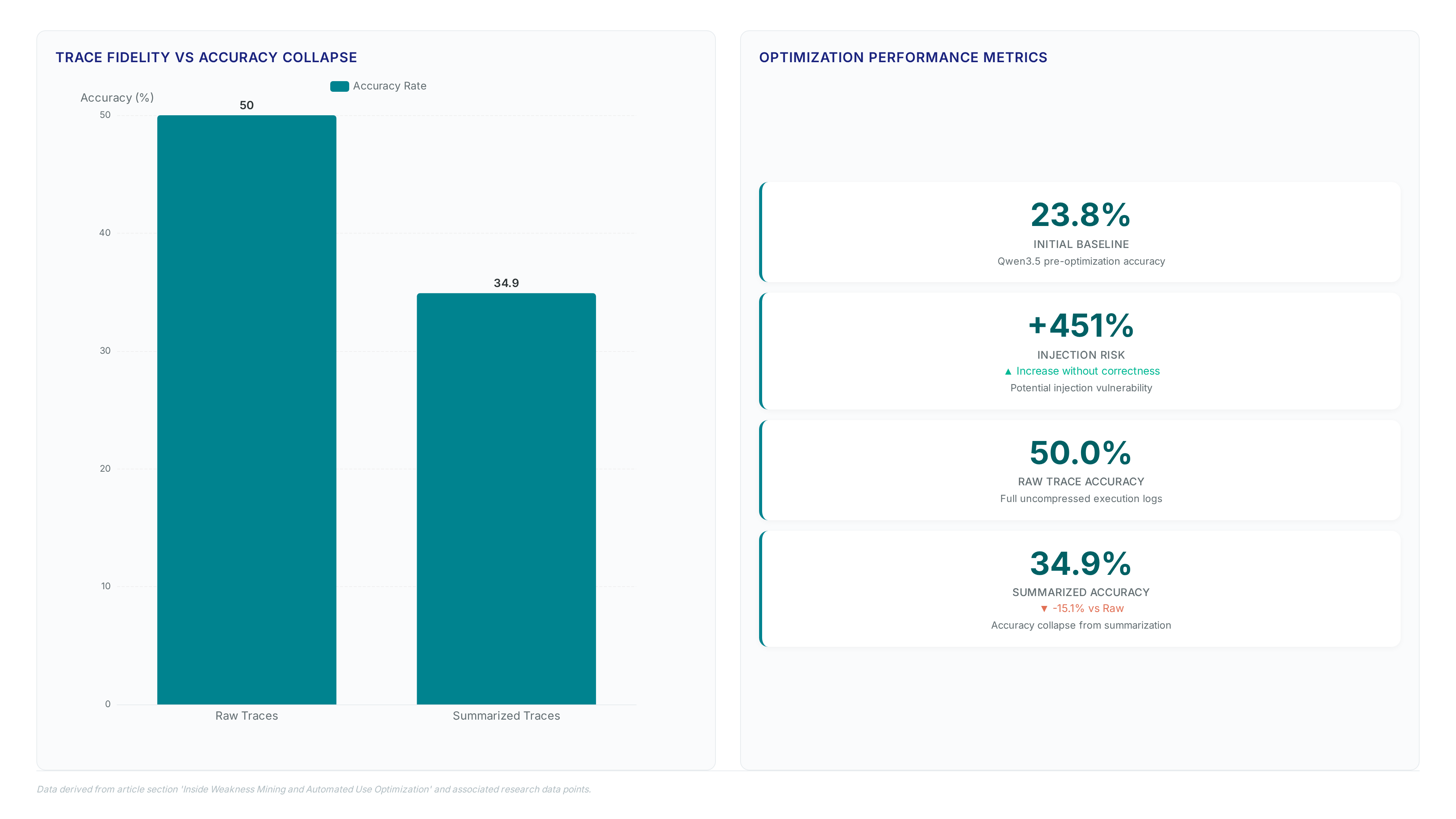
See how SelfUse jumped TerminalBench scores from 23.8% to 38.1% by mining execution traces instead of tweaking model weights manually.
Perplexity removed Comet's paywall in March 2026. Explore free agentic tools that decompose goals and execute sequences without human prompts.
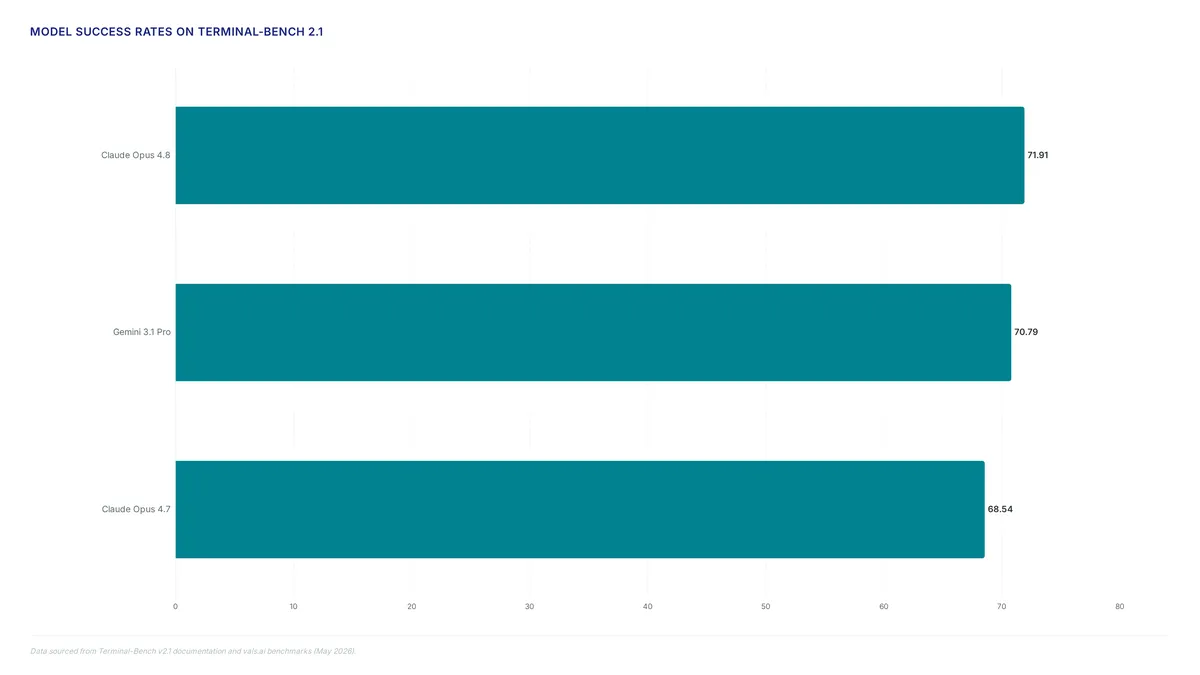
TerminalBench v2.1 uses 89 curated tasks to test if AI agents can execute complex system commands rather than just generating static code snippets.
Gartner predicts 40% of enterprise apps will use task-specific agents by 2027. Compare how LangGraph and CrewAI handle this complex shift.
Compare ReAct's iterative reasoning loops against structured function calling for external API access in 2026 agent architectures.
Compare Claude Sonnet 4.6 ($3) against DeepSeek V4 ($0.30) for Hermes Agent. Learn which model prevents malformed tool calls in production.
Late 2025 data shows action-enabling tools are now the majority use case. Learn how nine specific tool categories prevent context window overload.
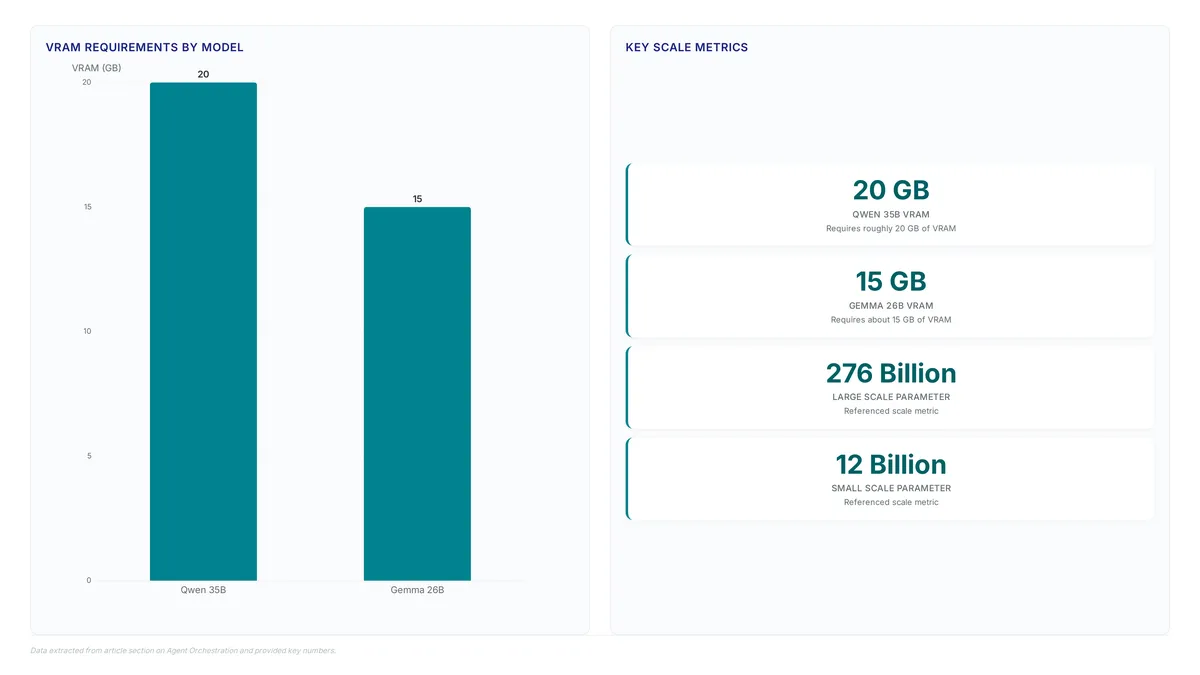
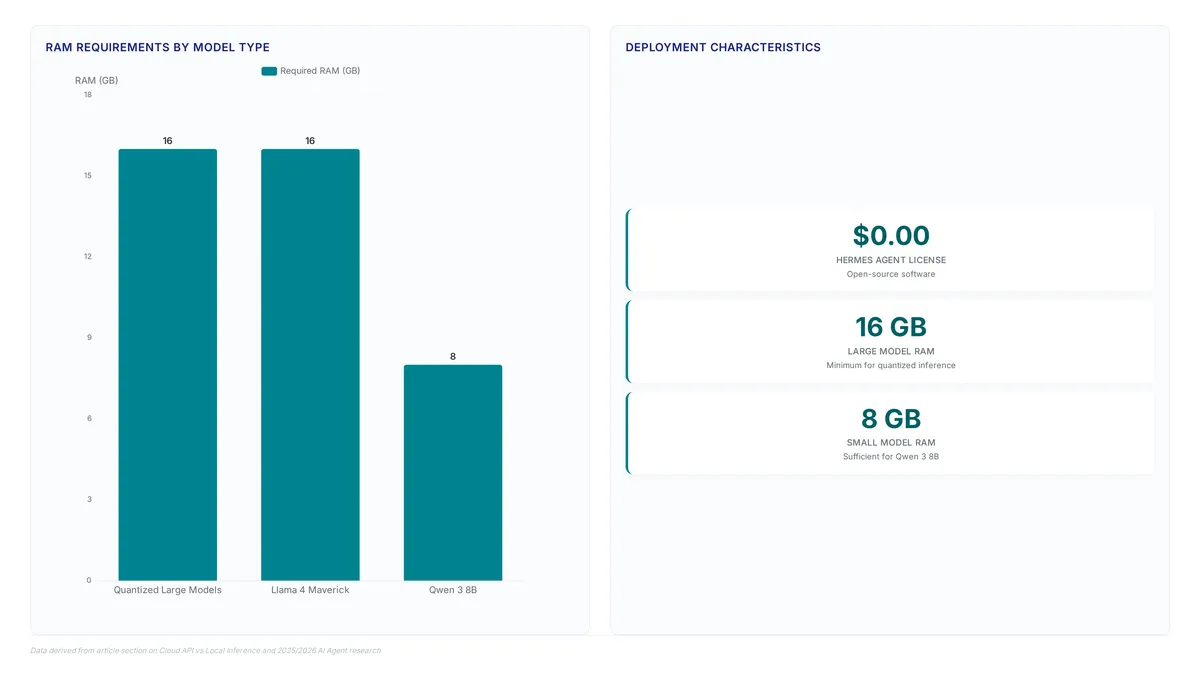
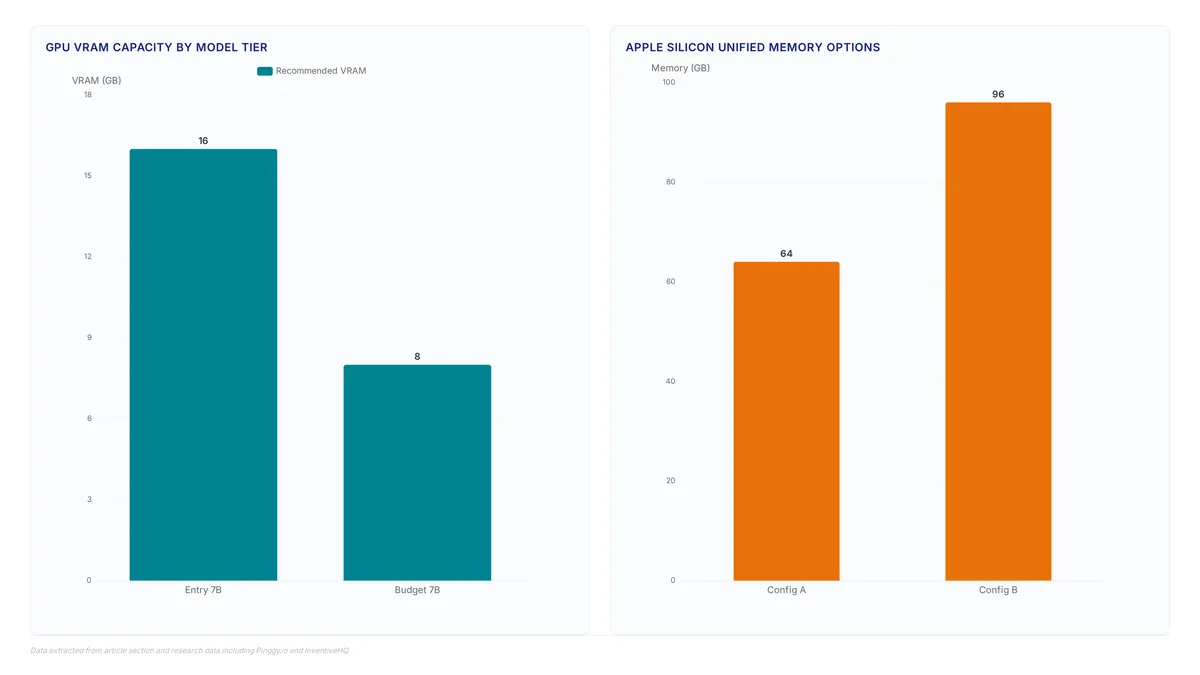
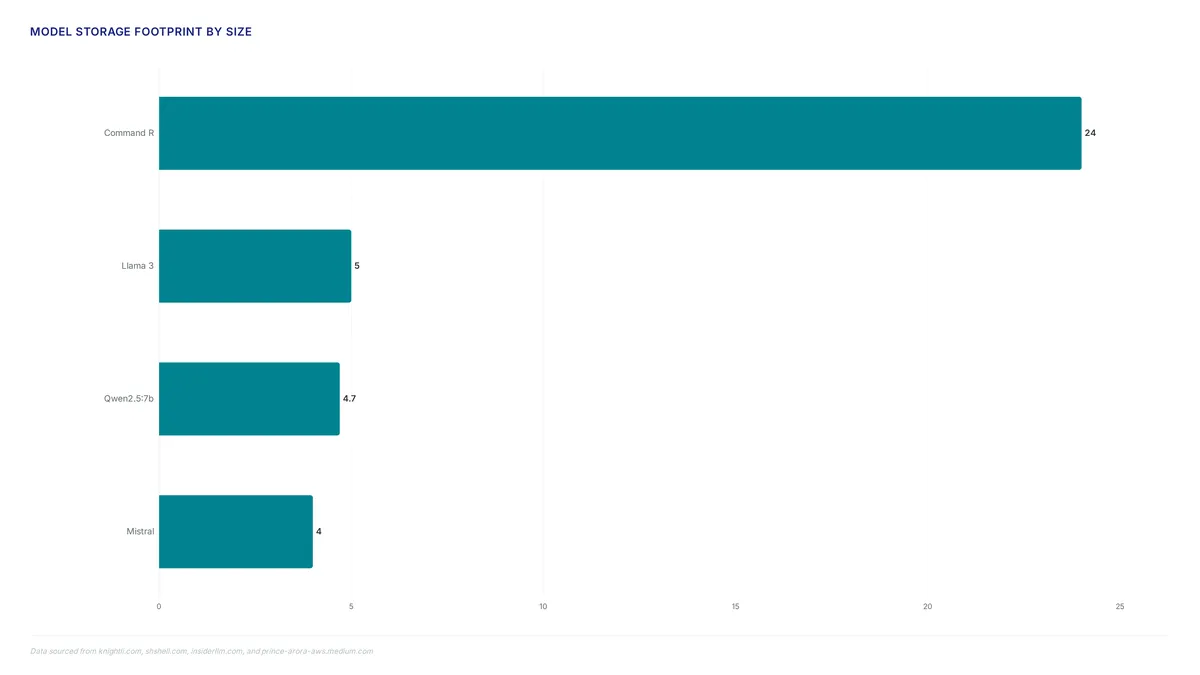
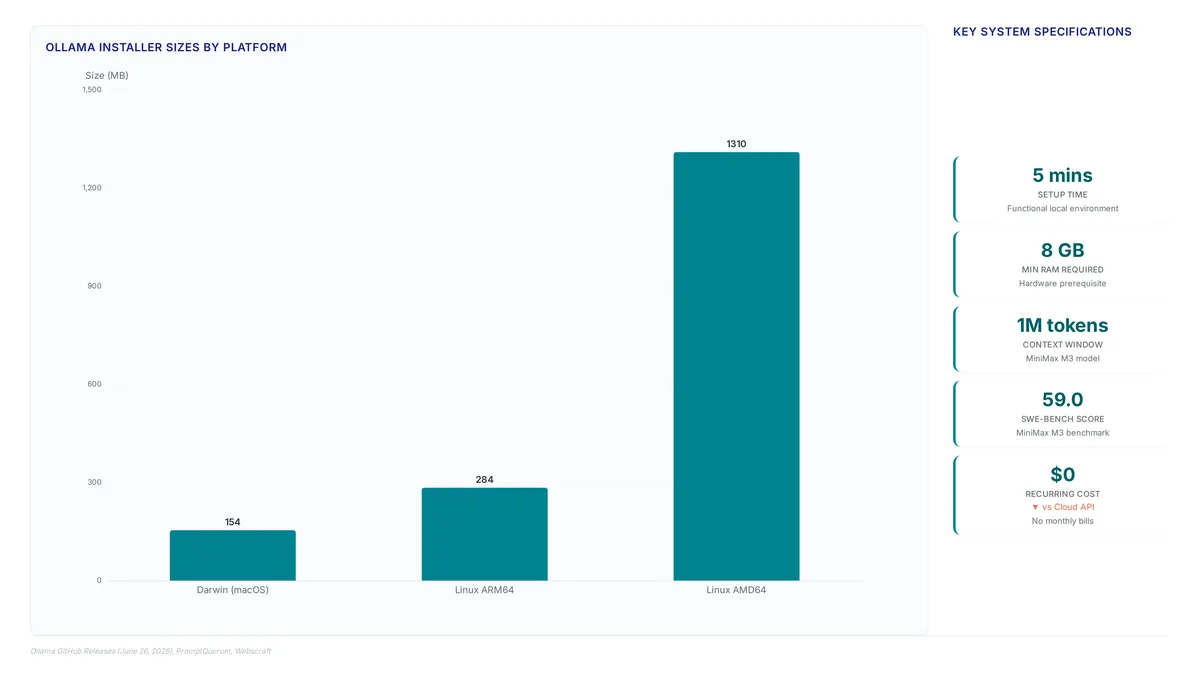
Skip the $7.60 per task fee. I show how to run Qwen3.6 locally on 32GB RAM for private, zero-cost code generation.
Codex CLI paired with GPT-5.5 sits at the top of the Terminal-Bench 2.1 leaderboard with an 83.4% pass rate.
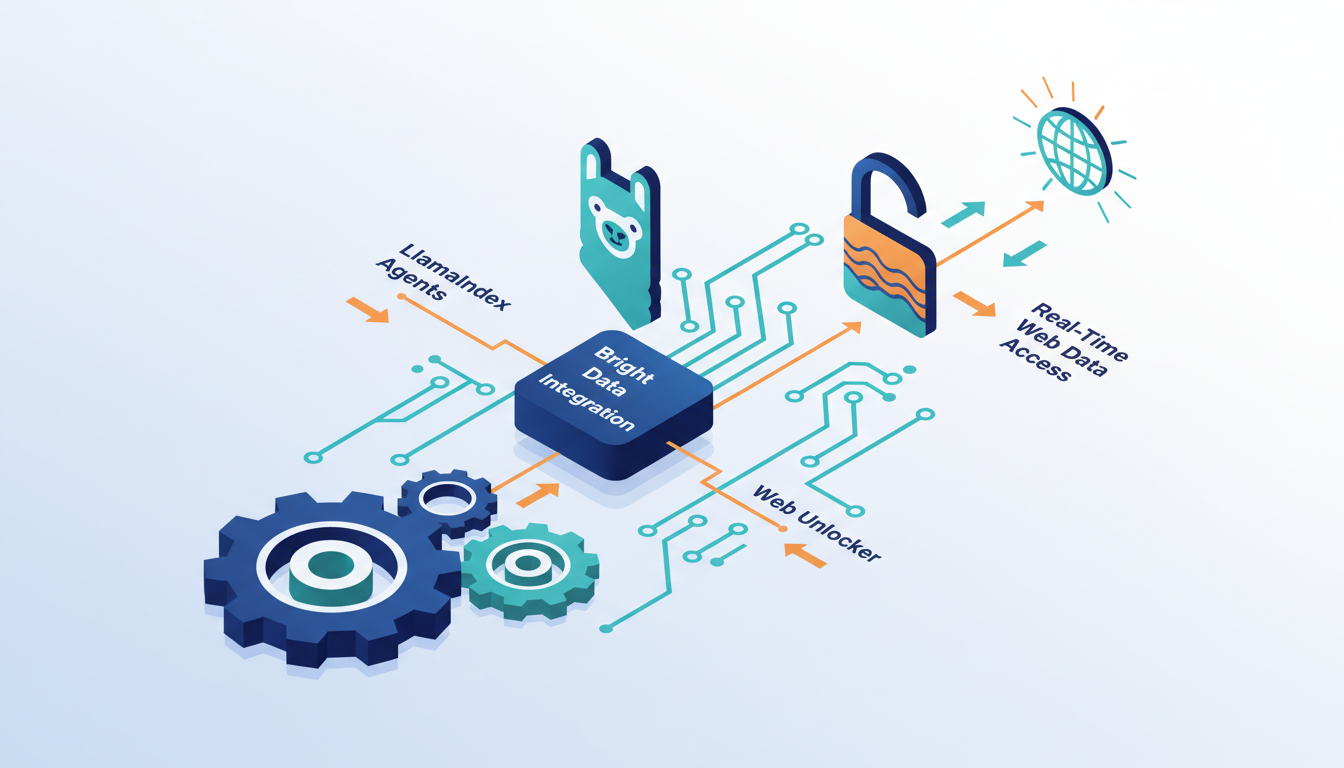
Learn how LlamaIndex uses over 200 data loaders to connect static LLMs to live enterprise sources and bypass training cutoffs.
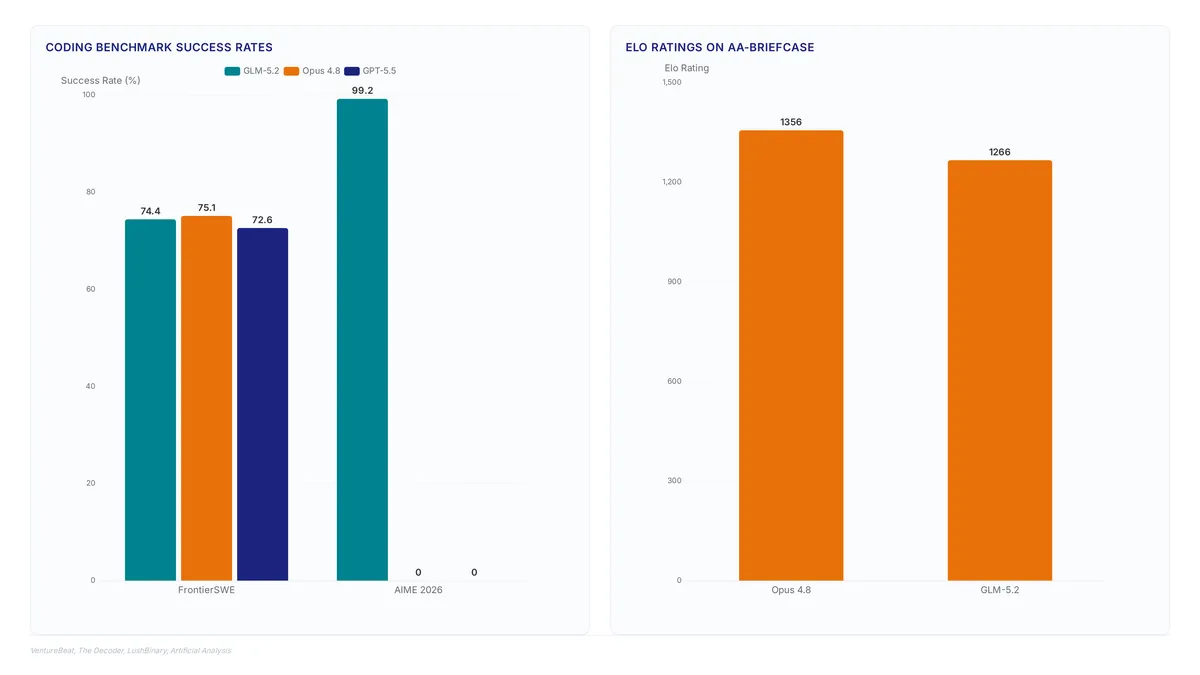
GLM-5.2 improved internal task success rates from 21/70 to 48/70 over its predecessor, signaling a shift in open-weight viability.
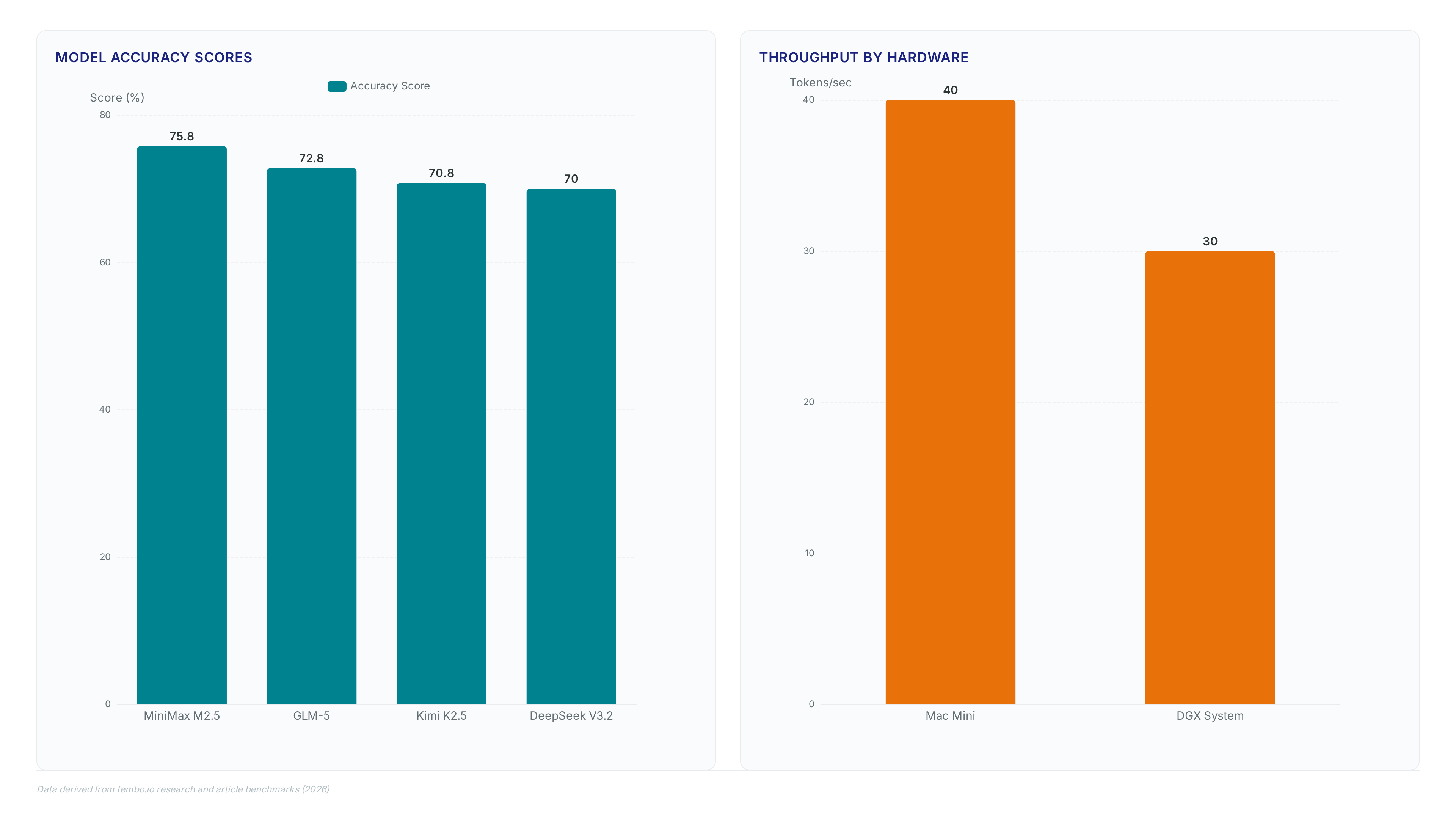
Testing five models on an Intel i5 reveals 36 tokens per second is the ceiling for small LLMs due to 20 GB/s memory bandwidth limits.
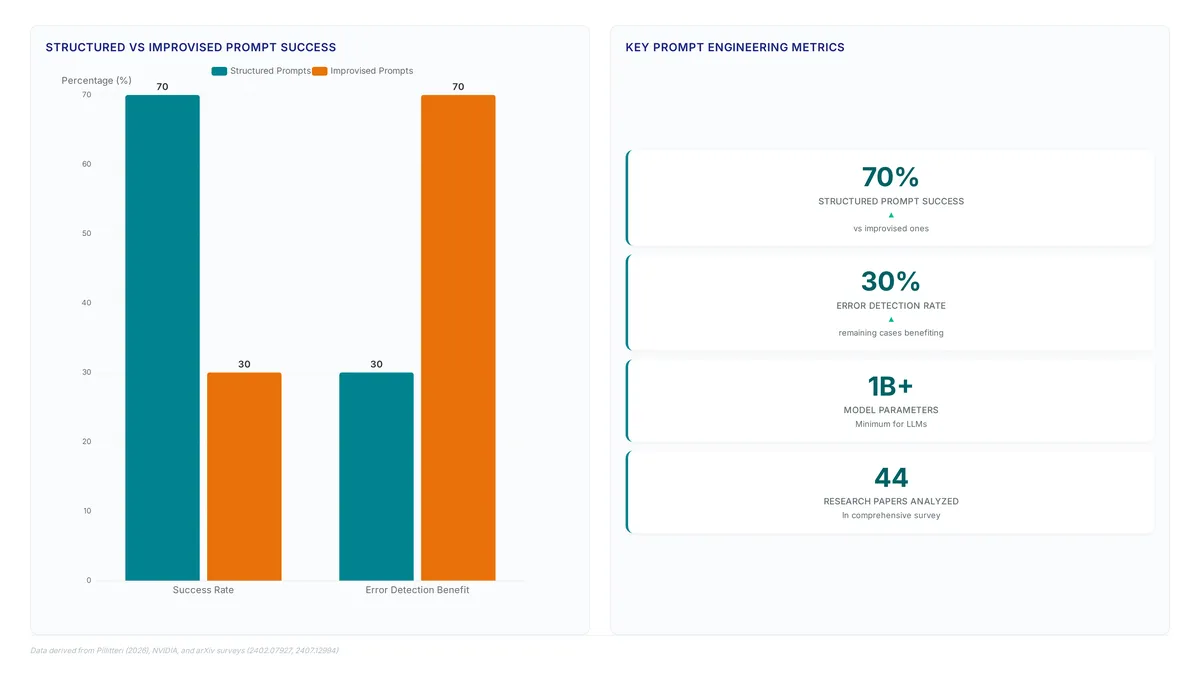
Stop iterative guessing by applying a strict 5-block prompt architecture that shifts probabilistic model outputs toward accurate, stable results.
Shift from ghostwriting to coaching with Ollama on Windows. This guide details a 100% offline workflow that keeps sensitive data secure.
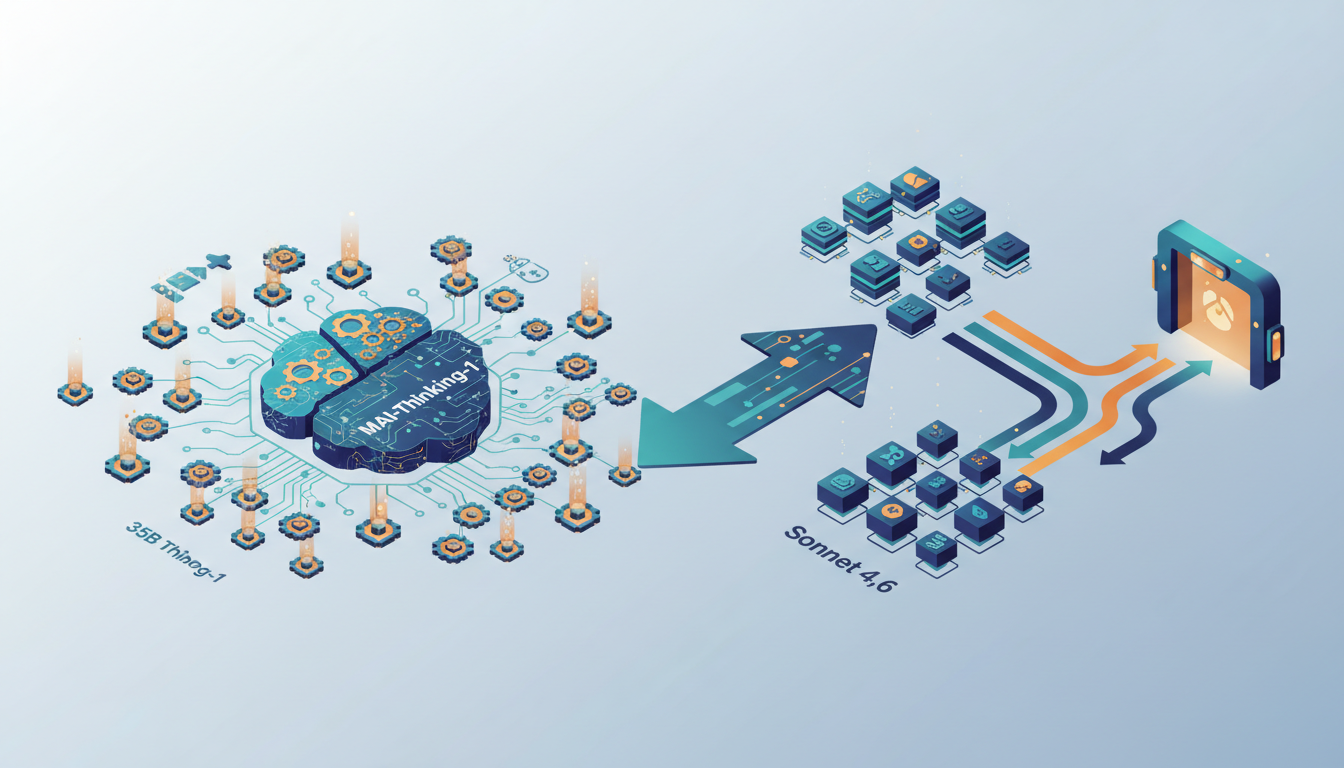
Microsoft's MAI-Thinking1 uses 35B active parameters within a 1T-parameter MoE to cut costs while handling 256K context windows for complex reasoning.
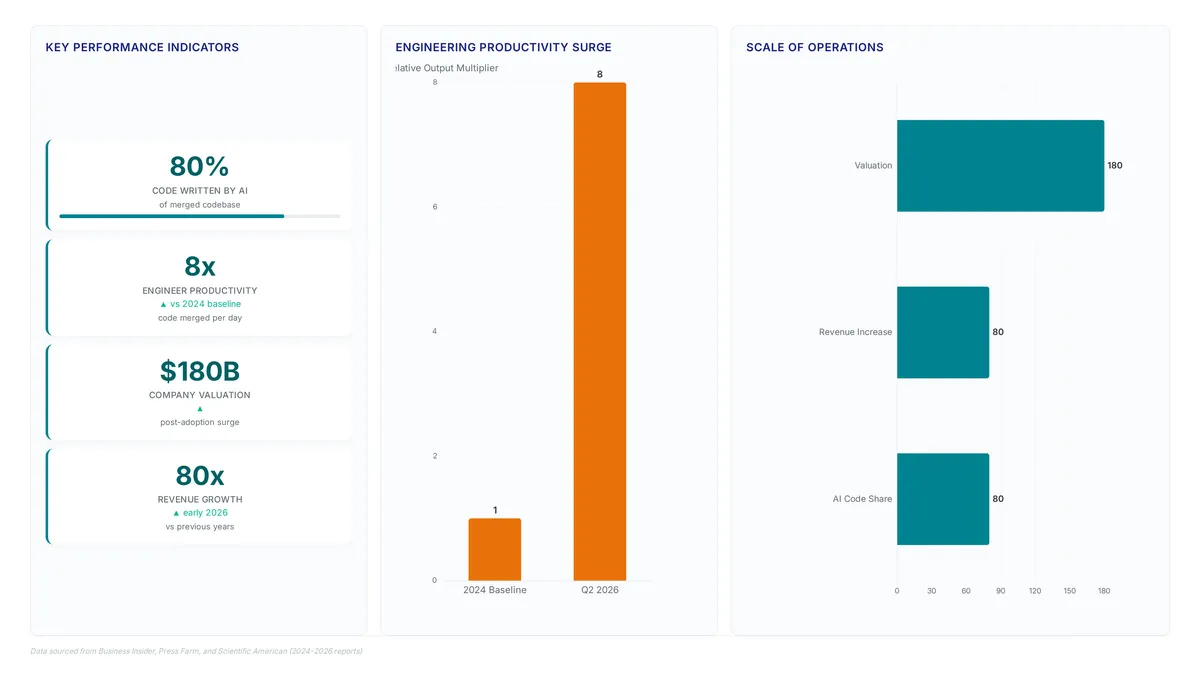
Anthropic reports an 80-fold revenue surge in 2026 as recursive self-improvement accelerates, raising urgent questions about frontier safety protocols.