Sovereign coding: How model flexibility protects data
Over 2M installs show developers prefer sovereign coding where code stays local until explicit cloud selection via personal API keys.
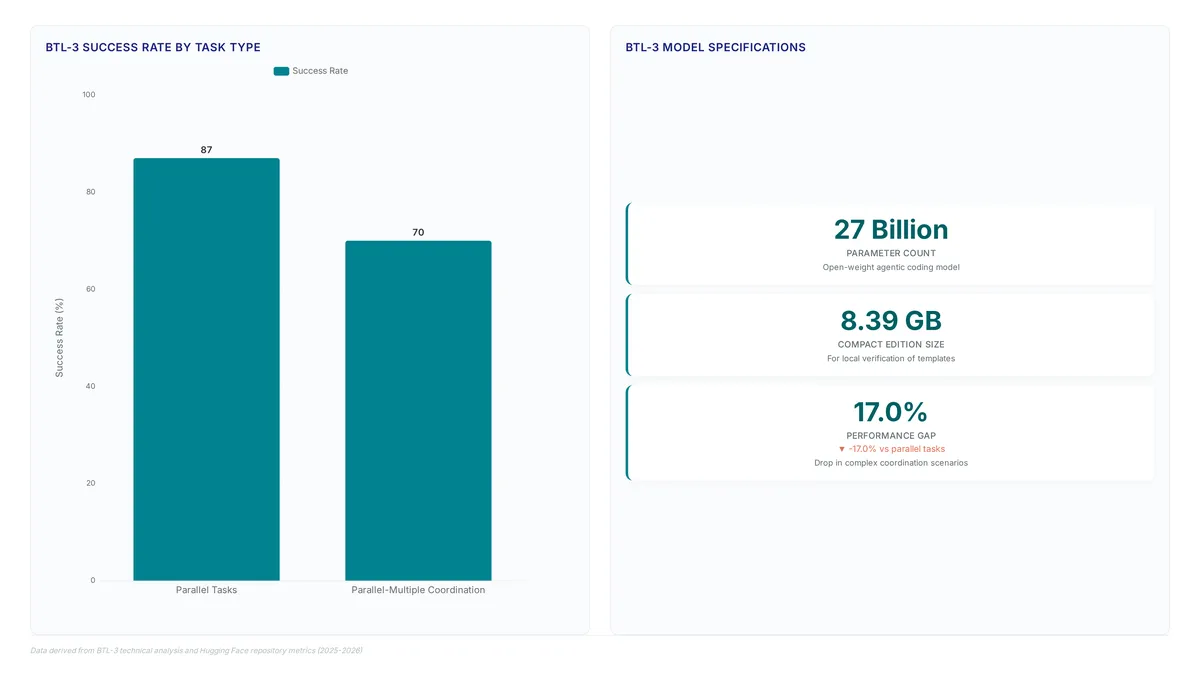
BTL3 retains 92.2% of full-model behaviors in an 8.39 GB footprint, offering a specialized architecture for efficient agentic coding and tool use.

With 5 million weekly Codex users, agent architecture now dictates output quality more than raw model size or reasoning engines alone.
Most AI agents stall at 60% efficiency without closed-loop design. Learn the six architectural layers that enable true self-improving agent systems.
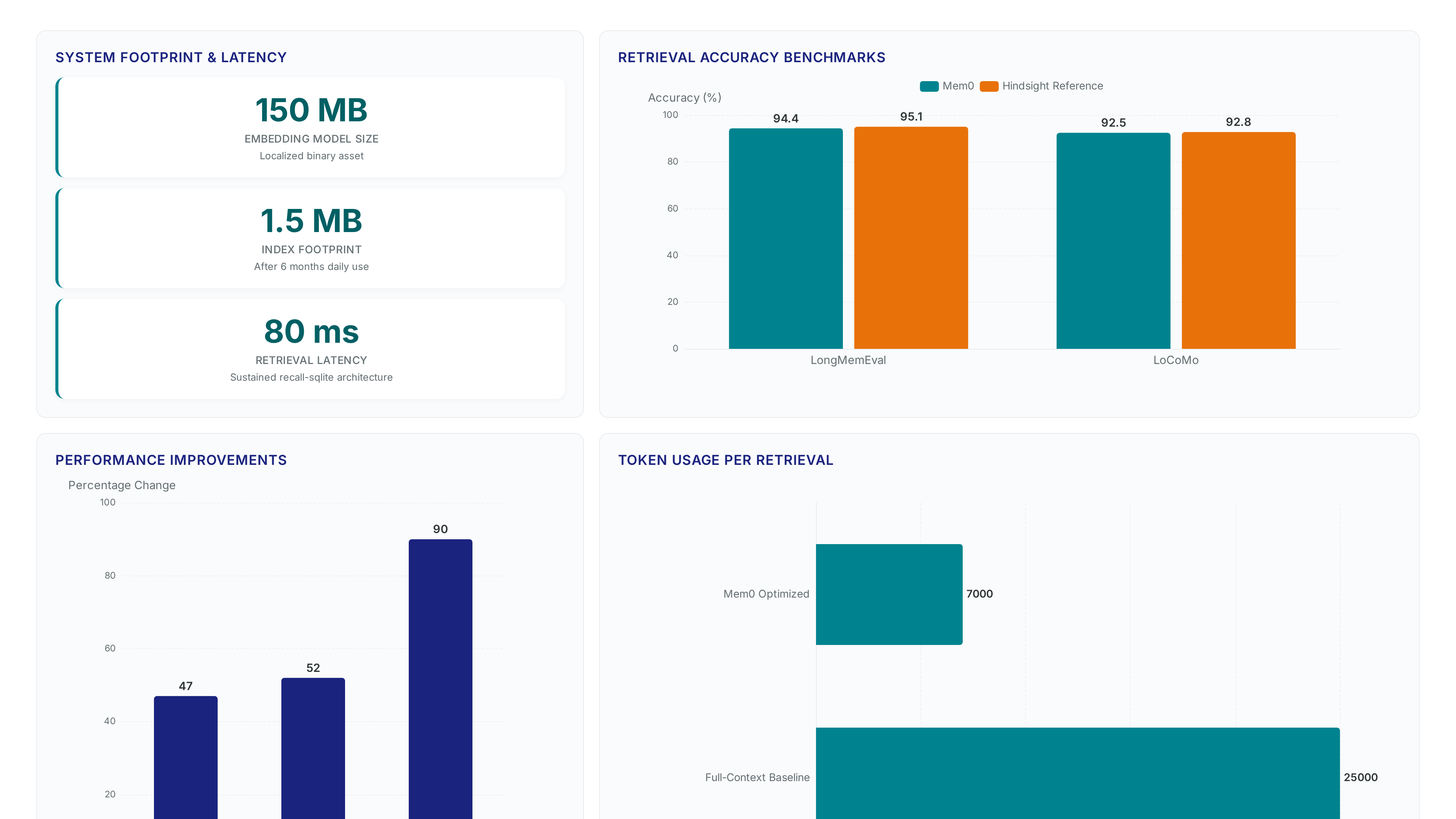
I built recallsqlite to fix memory accumulation, keeping latency at 80ms while competitors drop to 0.05 accuracy with bloated contexts.
crewAI 1.14.6a1 adds a Skills Repository to decouple logic, addressing fragility in the 79% of businesses already deploying agents.
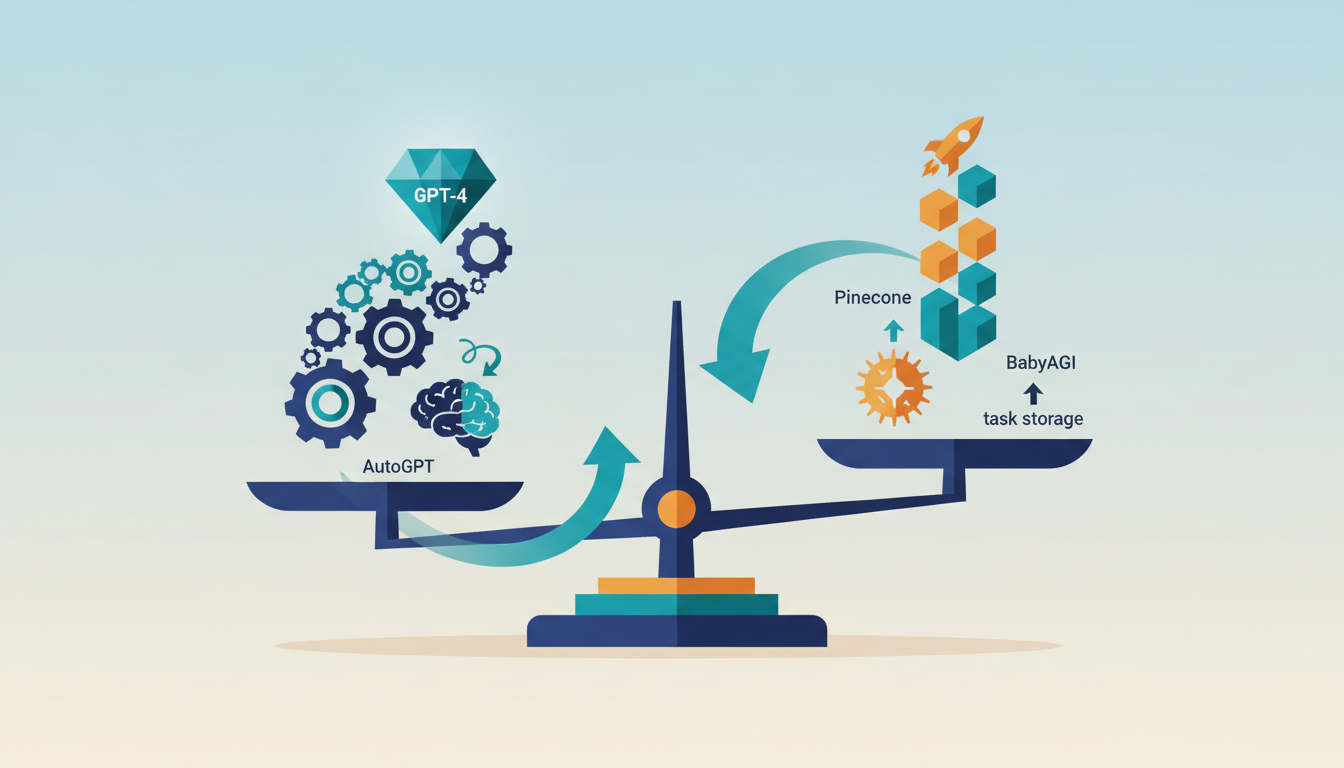
Analyze 64 commits proving autonomous agents work. Compare AutoGPT and BabyAGI frameworks for stable, cost-effective engineering deployment.
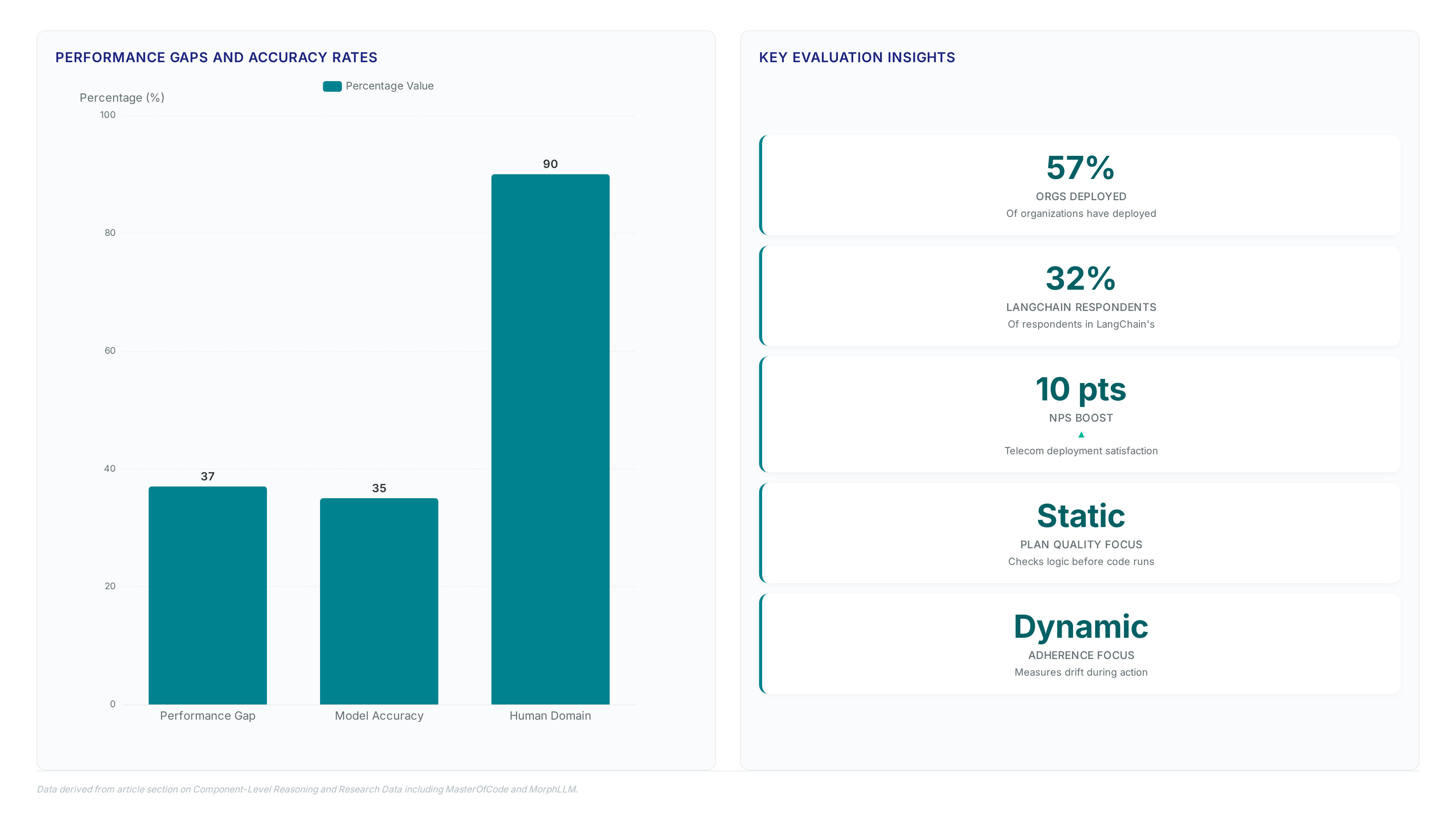
LangChain's 2026 report cites quality as the top barrier. Separate reasoning from action layers to fix specific agent pipeline failures.
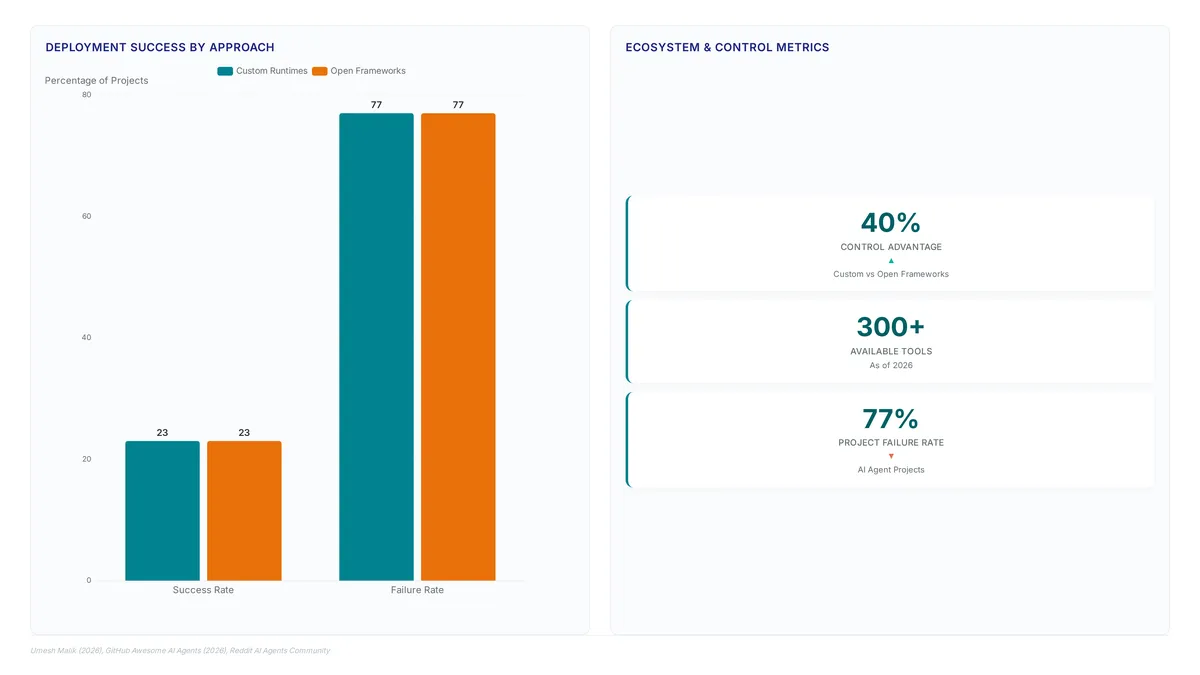
Seventy-seven percent of AI agent projects fail to reach production, leaving only a fraction of deployments operational according to recent 2026 data.
Claude Code's $20 monthly fee unlocks terminal-based agents, but the 132.3k-star ecosystem demands strict security oversight for production use.
OpenHands version 1.7.0 splits logic into modular packages, replacing the monolithic V0 design for better local deployment and audit trails.
Most agent projects fail by 2027 due to bad architecture. Learn why static prompts collapse and how an external loop fixes real tasks.