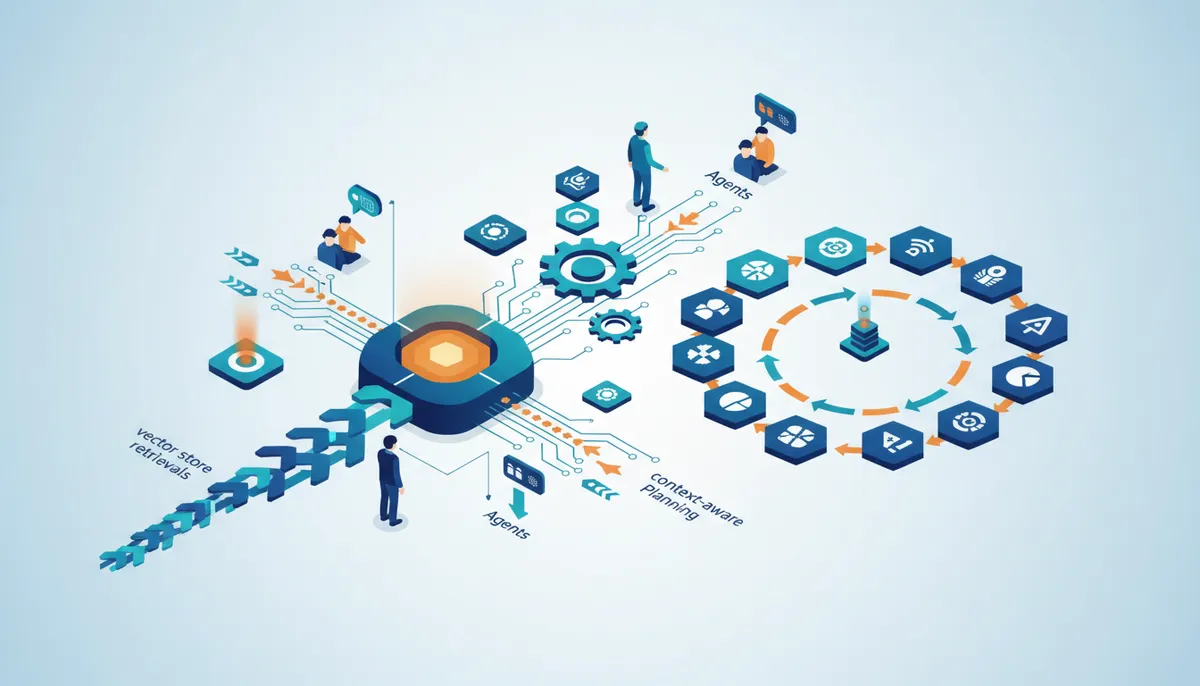
Agent architecture: five components before scaling
Avoid infinite loops by defining the five components an effective agent requires. Learn how retrieval, tools, and memory prevent chaotic outputs.

Executable functions let models bypass training cutoffs to fetch live data, preventing hallucinations when users request current events or facts.
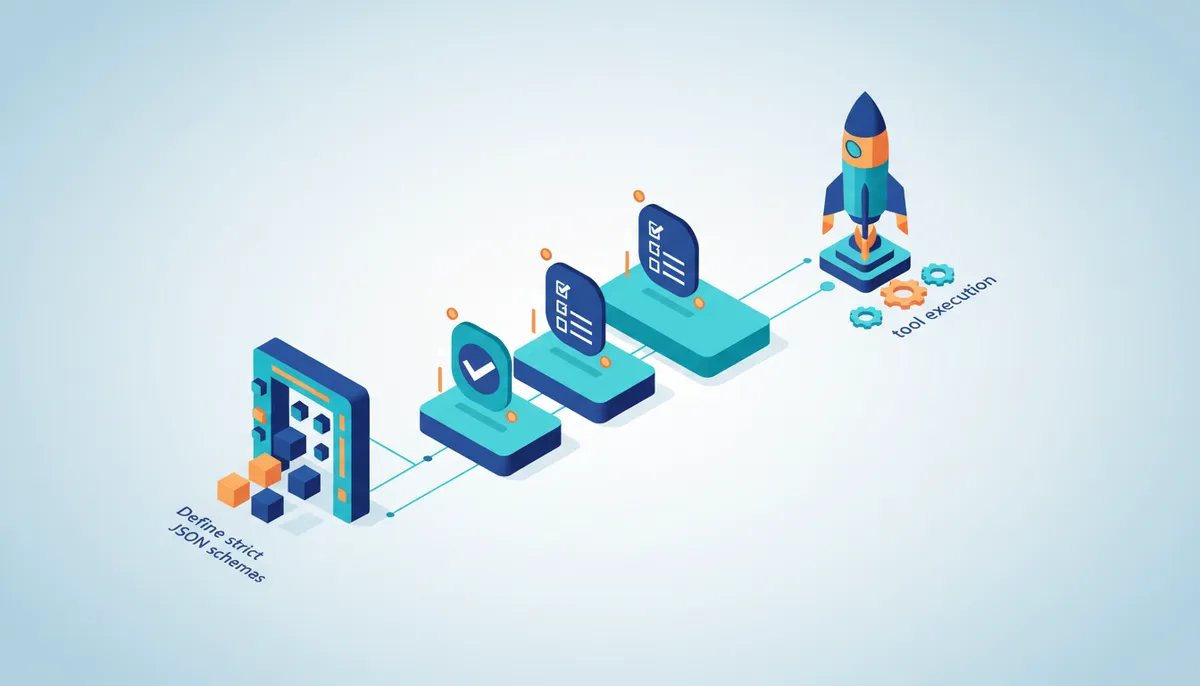
Grok 4.3 returns tool calls in single chunks, enabling atomic parsing. Learn how strict JSON schemas and local execution secure external data flows.
Learn how function calling converts vague intent into structured JSON requests, enabling agents to fetch external data instead of guessing.
By 2030, 80% of enterprise software will be multimodal. Learn to validate agent reasoning with component isolation and trajectory analysis.
Learn how function calling converts natural language into structured JSON for 3 specific use cases: actions, knowledge, and capabilities.
Learn how the tool use pattern lets agents bypass static data limits by executing external code and querying 177,000 tracked tools safely.
Most agent projects fail by 2027 due to bad architecture. Learn why static prompts collapse and how an external loop fixes real tasks.
Mitchell Hashimoto seeds AGENTS.md with traps to prove agents blindly trust external text. Learn why 1 corrupted file causes RCE.