BTL3 agentic coding: 27B params, low overhead
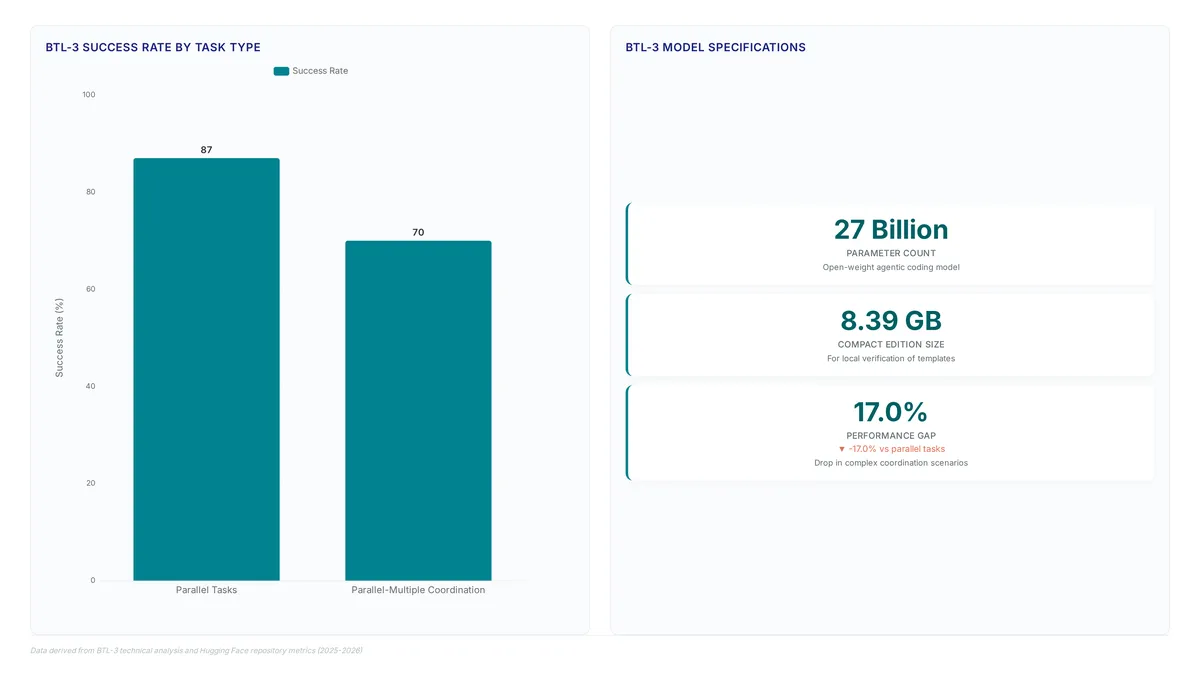
BTL3 retains 92.2% of full-model behaviors in an 8.39 GB footprint, offering a specialized architecture for efficient agentic coding and tool use.

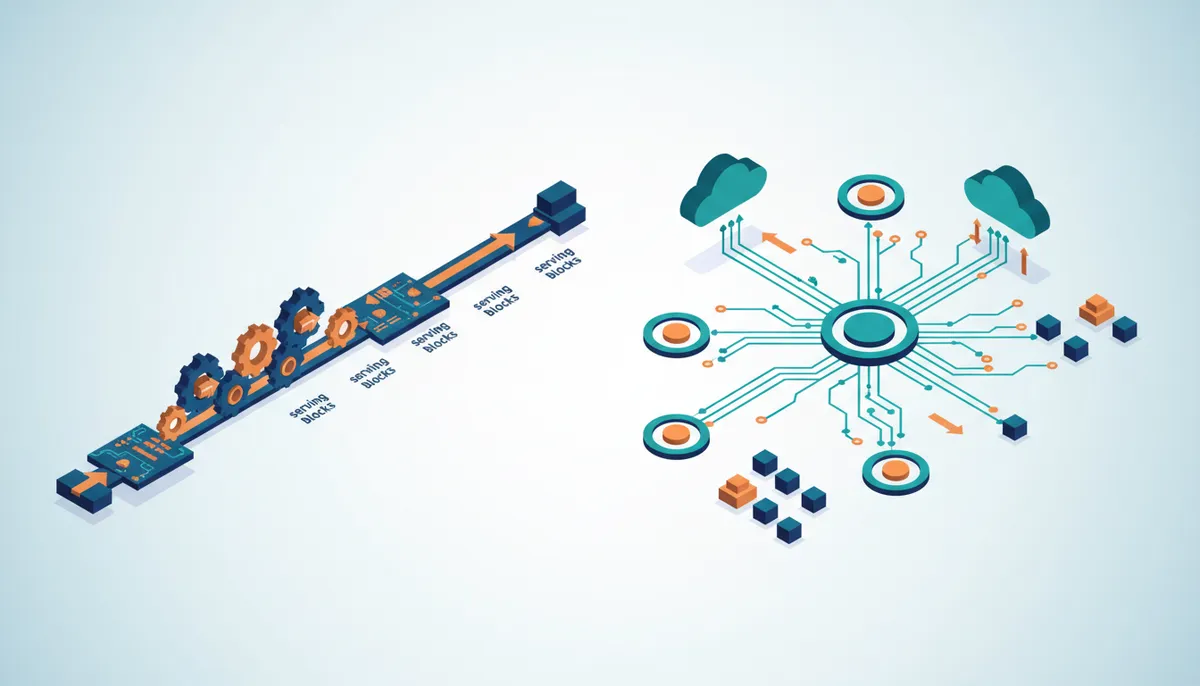
Splitting orchestration from execution can cut inference costs by around 10x. Learn how the orchestrator-worker pattern separates planning from routine tasks.
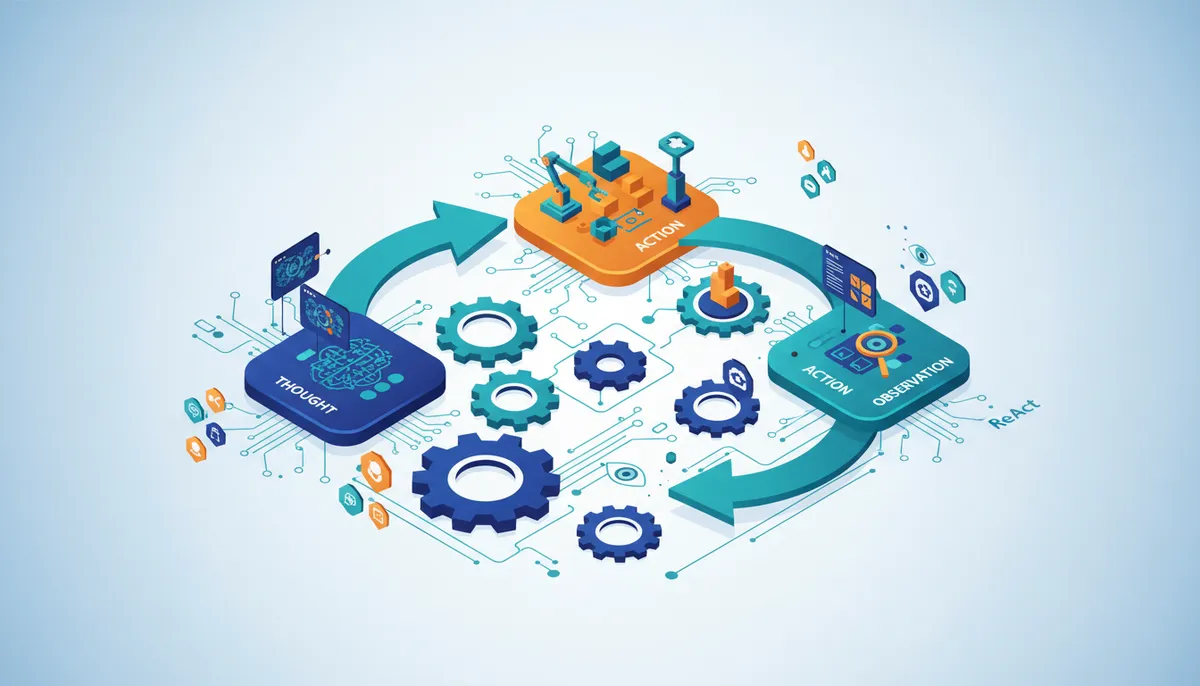
Dissect five canonical AI agent architectures like ReAct and PlanExecute to fix latency, cost, and reliability in production systems.
The agentic AI market reaches $9.14 billion by 2026. Learn how state persistence and orchestration prevent brittle multiagent system failures.
Learn how six distinct agent tool categories range from low-risk search to high-risk desktop control, plus why Model Context Protocol matters.
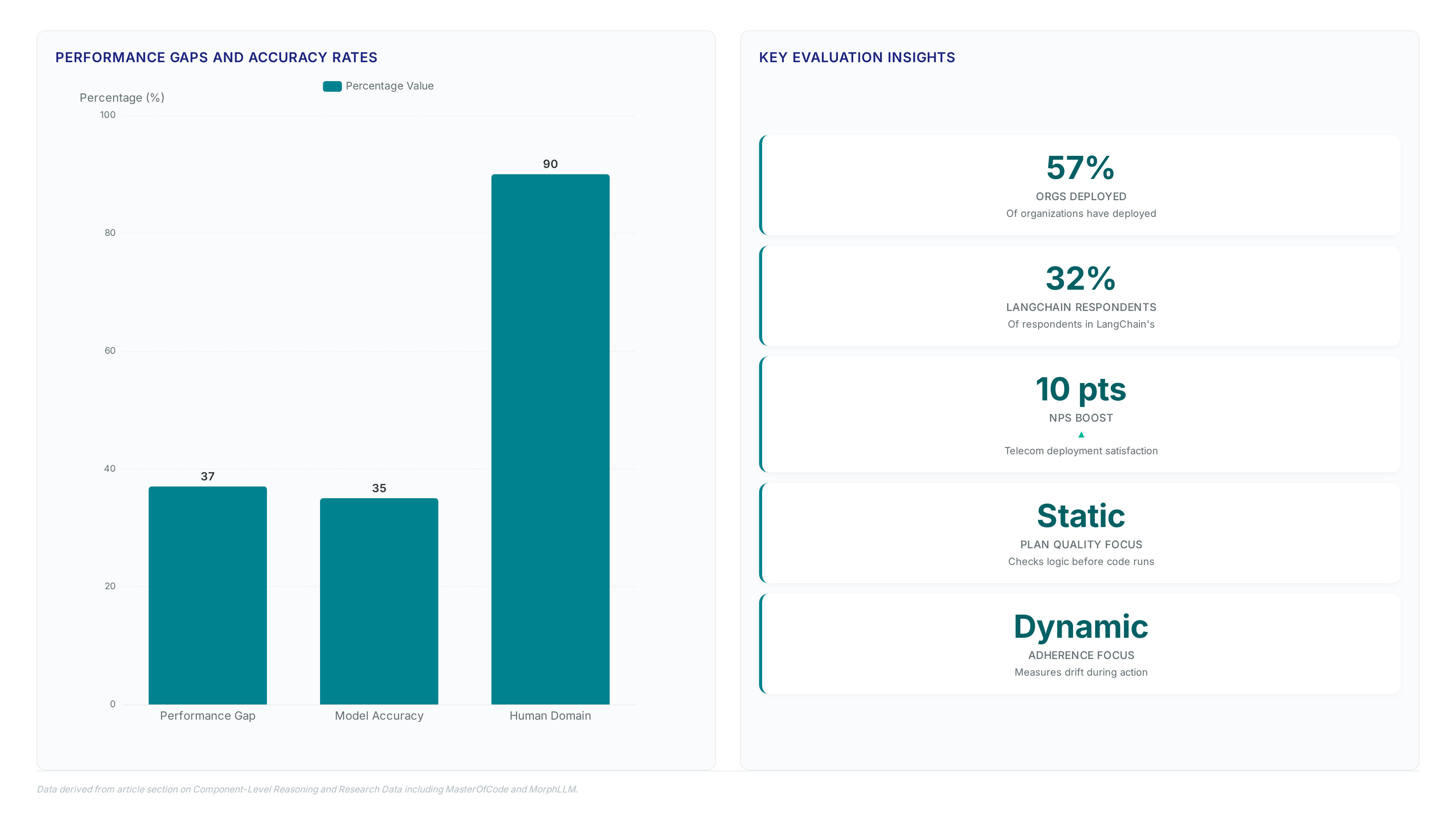
LangChain's 2026 report cites quality as the top barrier. Separate reasoning from action layers to fix specific agent pipeline failures.
Move beyond static accuracy. Analyze multistep trajectories to catch critical failures where agents stall in continuous reasoning loops.
Explore 1,672 commits of executable lessons on agent memory, context engineering, and securing systems against injection attacks.
Compare ReAct's iterative reasoning loops against structured function calling for external API access in 2026 agent architectures.
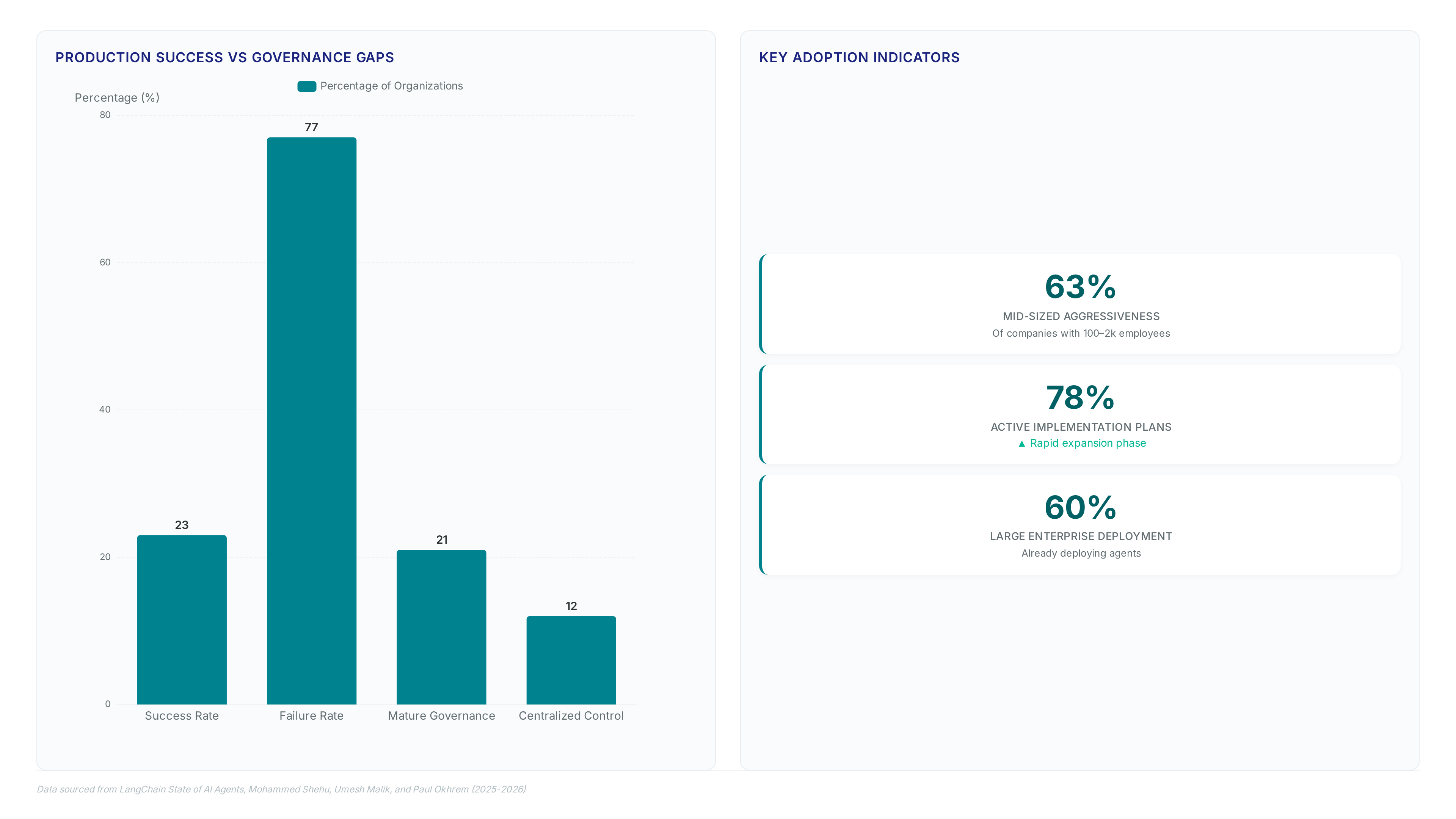
Most deployments stay narrow. With 78% planning adoption, teams must build true agents that handle failure, not just chatbots.
See how parallel routing across 47+ providers delivers 60% cost savings while neutralizing hallucinations in complex agentic loops.
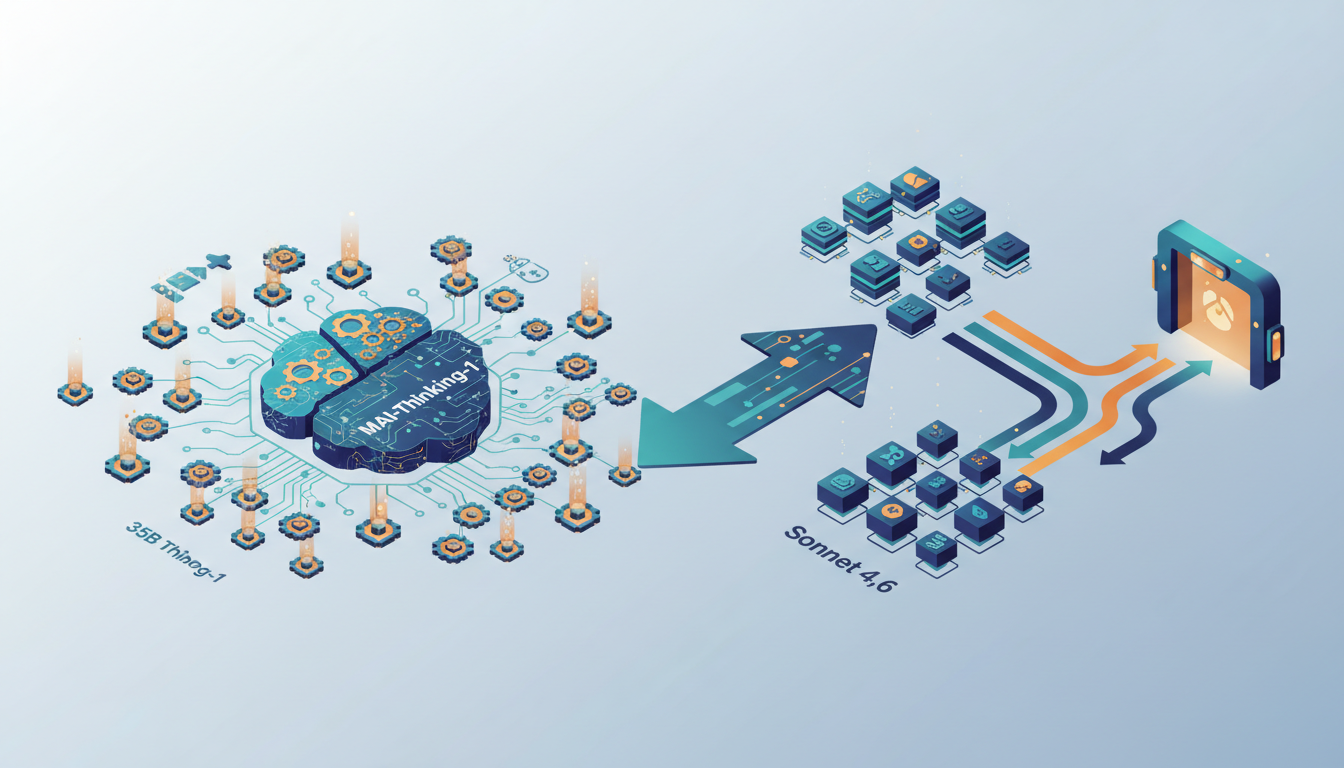
Microsoft's MAI-Thinking1 uses 35B active parameters within a 1T-parameter MoE to cut costs while handling 256K context windows for complex reasoning.